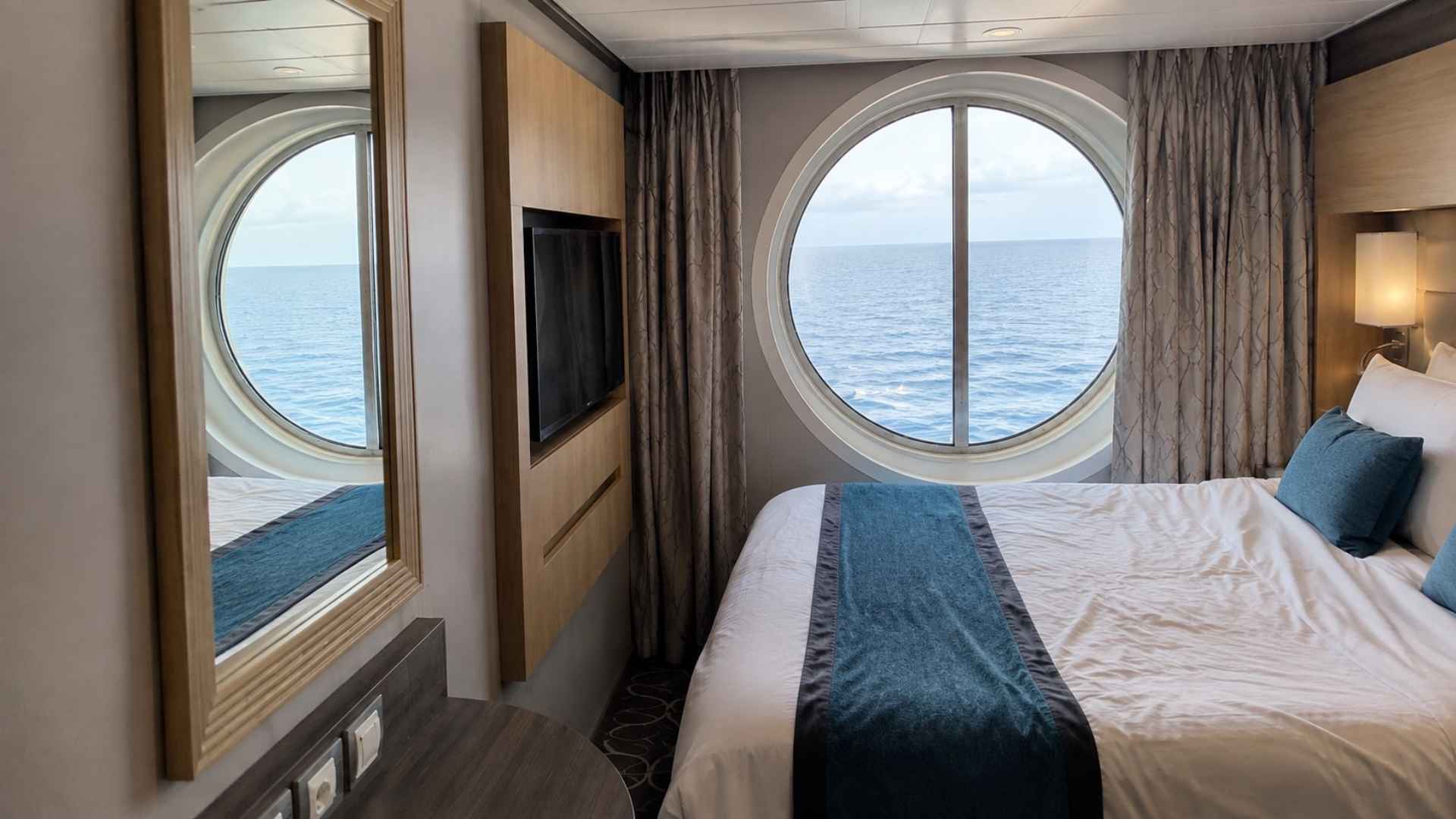
Cabin guides, ship by ship
Cruise ship cabins to avoid
Find the guide for your ship before you choose a room. Each one follows the current deck plan and explains the categories, positions and patterns worth a closer look.
Most cruise ship cabins to avoid lists recycle four rules: never book under the pool deck, stay away from elevators, avoid the front and skip connecting rooms. Those shortcuts miss what actually changes from ship to ship.
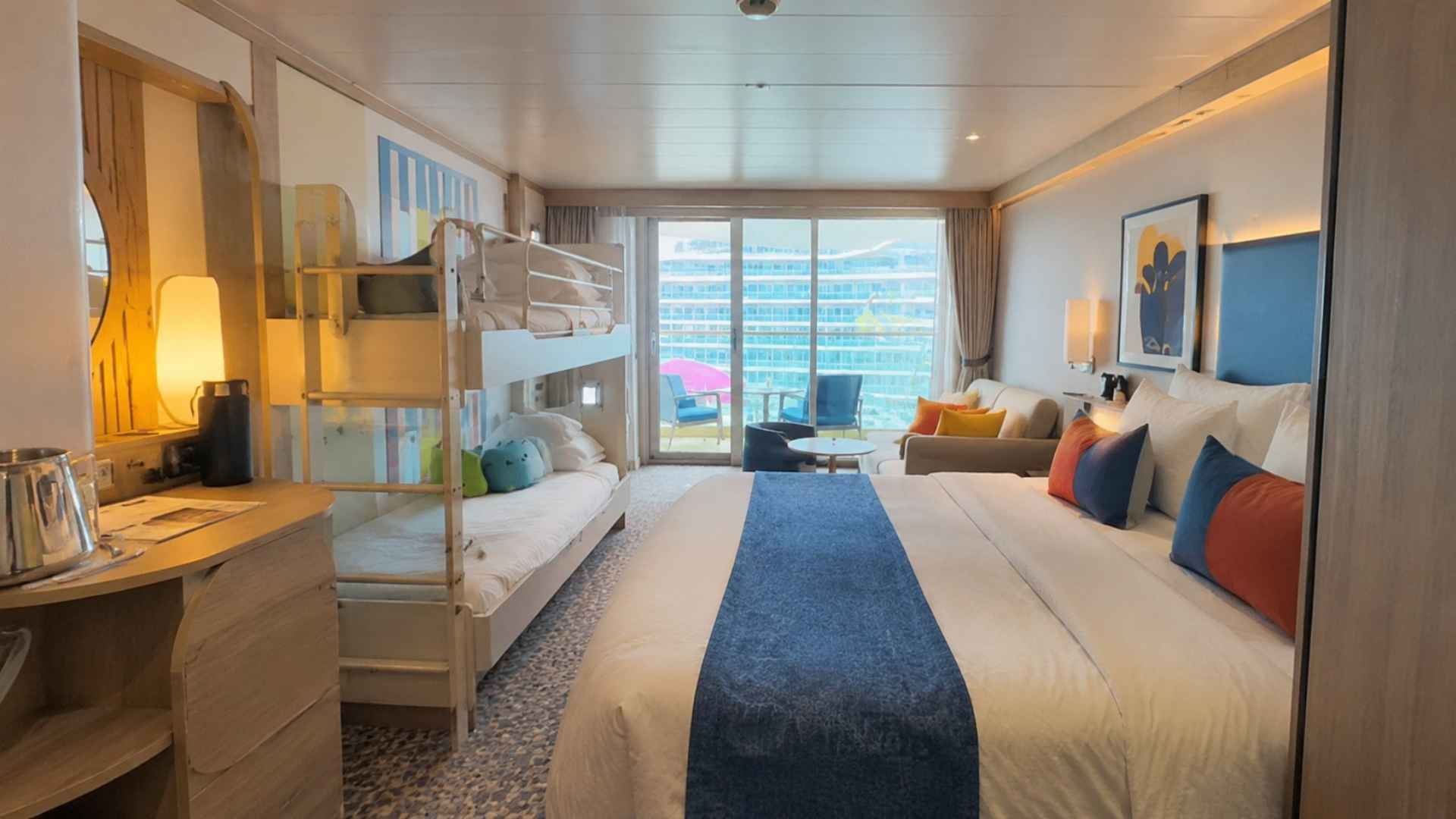

Legend of the Seas cabins to avoid
Royal Caribbean

Carnival Sunrise cabins to avoid
Carnival Cruise Line
Carnival Conquest cabins to avoid
Carnival Cruise Line
Carnival Radiance cabins to avoid
Carnival Cruise Line
Carnival Glory cabins to avoid
Carnival Cruise Line
Carnival Dream cabins to avoid
Carnival Cruise Line
Carnival Horizon cabins to avoid
Carnival Cruise Line
Carnival Panorama cabins to avoid
Carnival Cruise Line
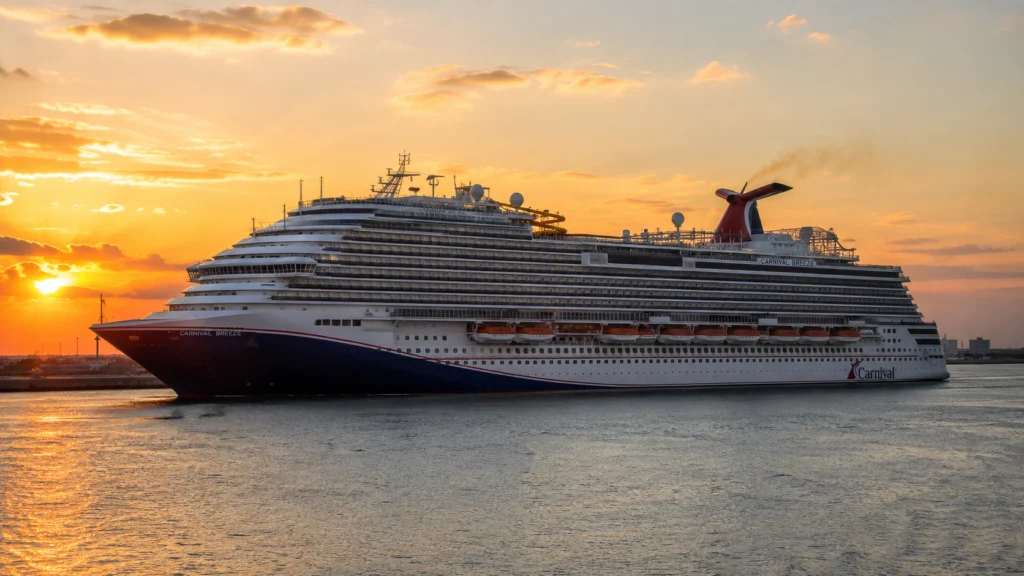
Carnival Breeze cabins to avoid
Carnival Cruise Line
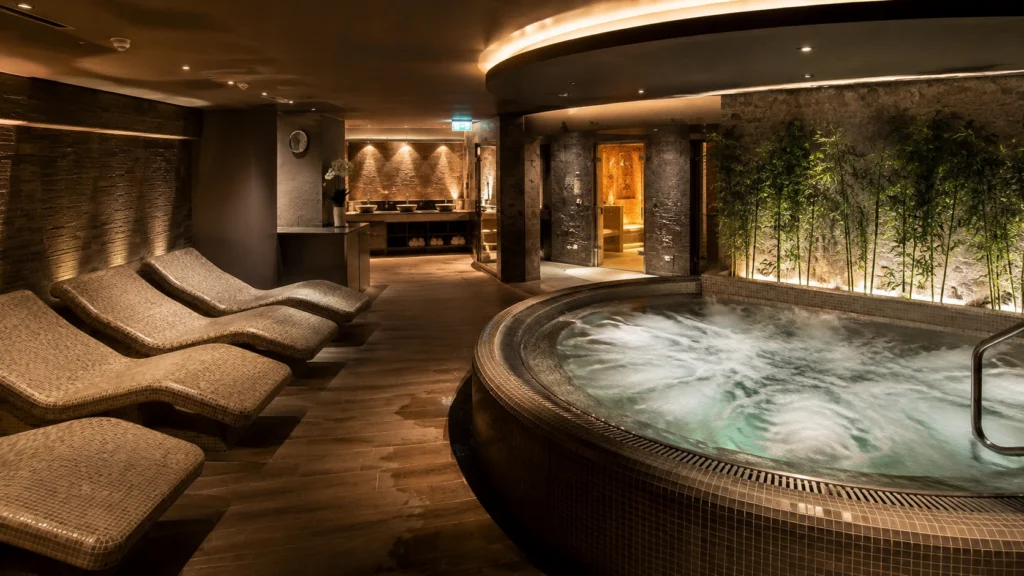
MSC Seaside cabins to avoid
MSC Cruises
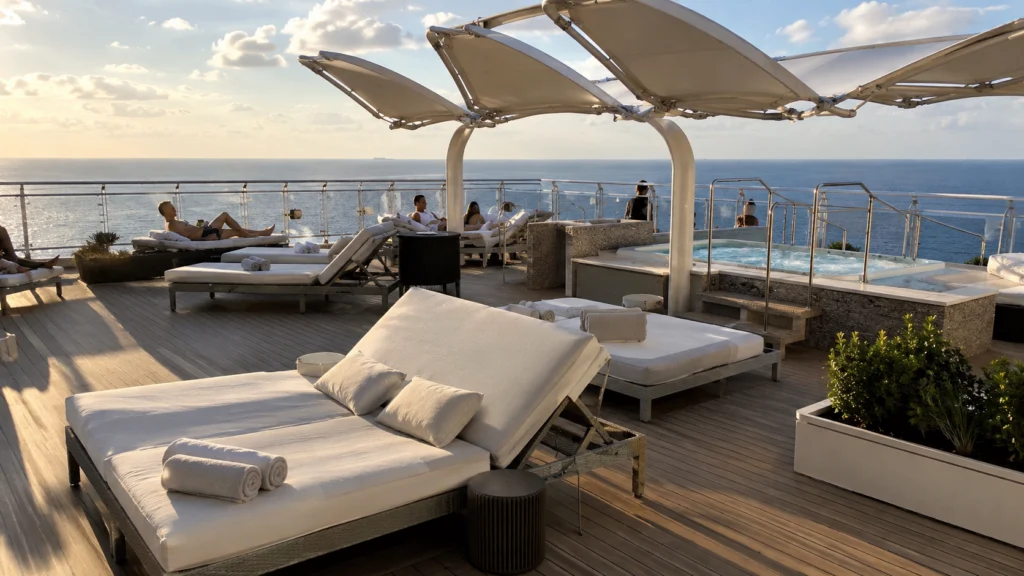
MSC Seashore cabins to avoid
MSC Cruises
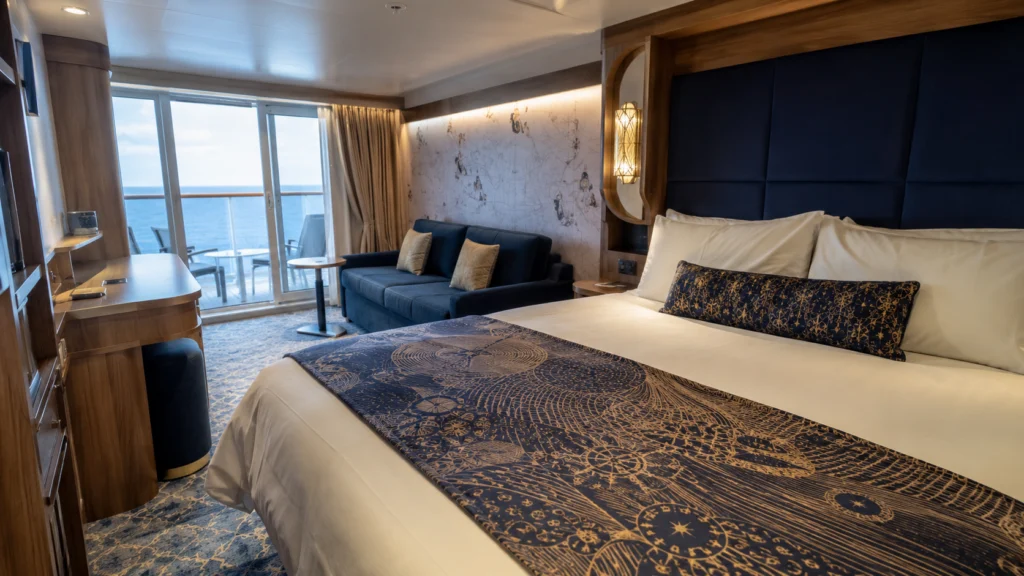
Disney Treasure cabins to avoid
Disney Cruise Line
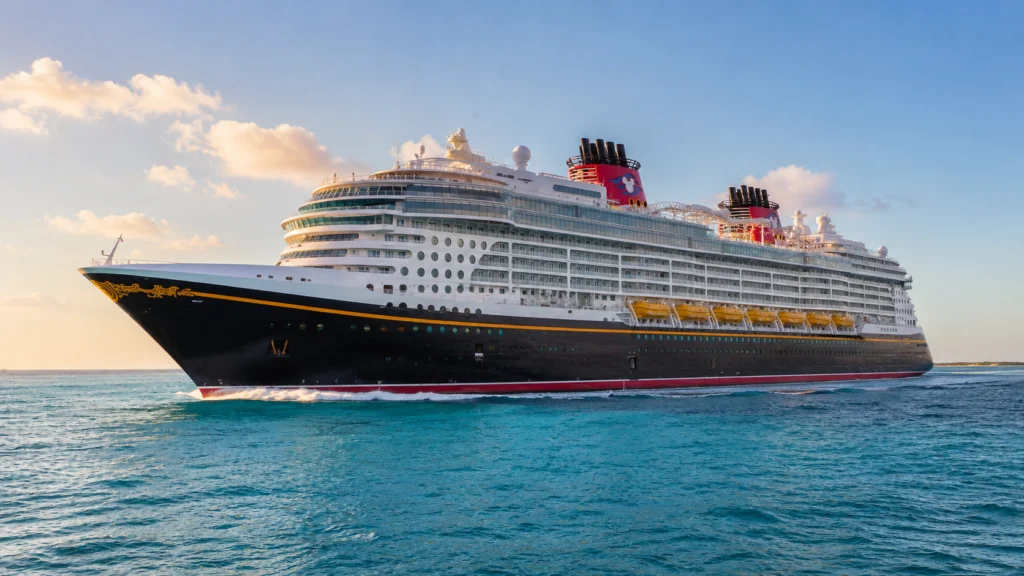
Disney Destiny cabins to avoid
Disney Cruise Line

Freedom of the Seas cabins to avoid
Royal Caribbean
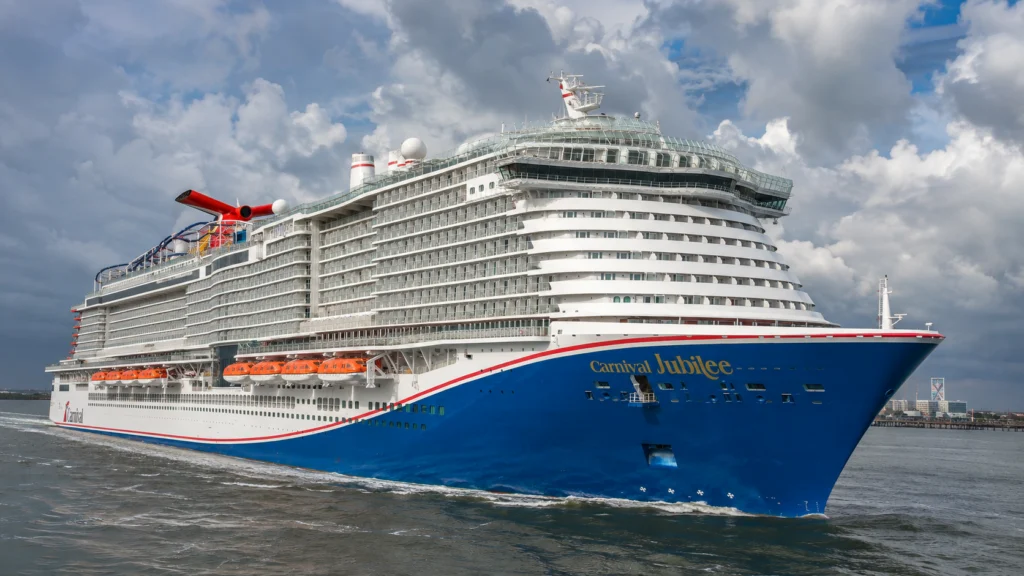
Carnival Jubilee cabins to avoid
Carnival Cruise Line
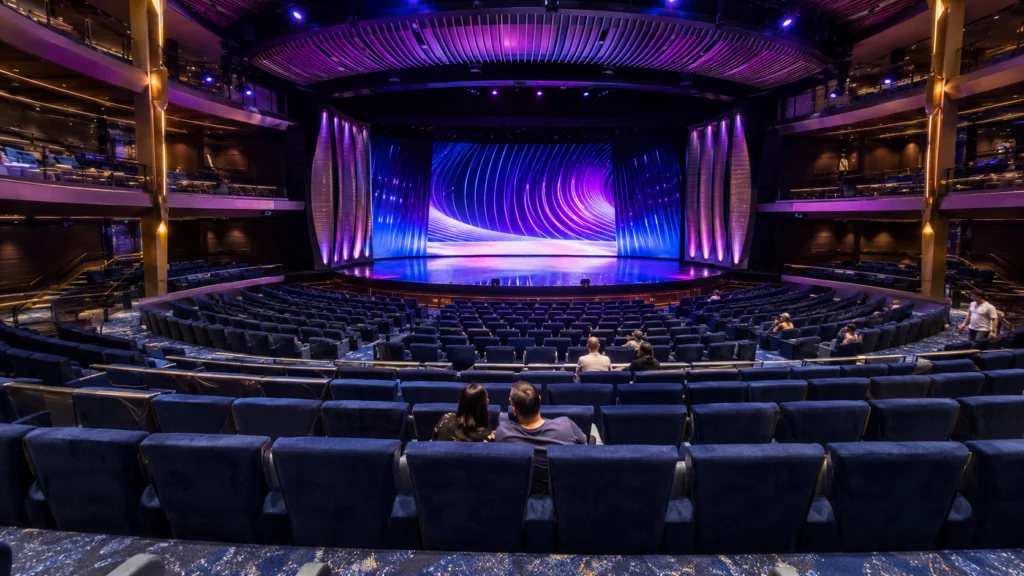
Carnival Celebration cabins to avoid
Carnival Cruise Line

Mardi Gras cabins to avoid
Carnival Cruise Line
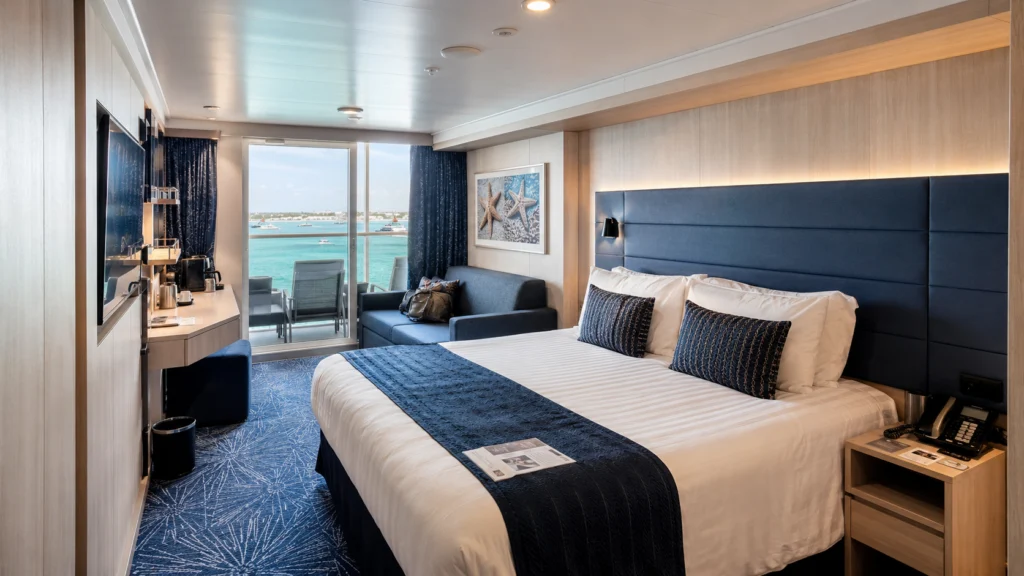
MSC World America cabins to avoid
MSC Cruises
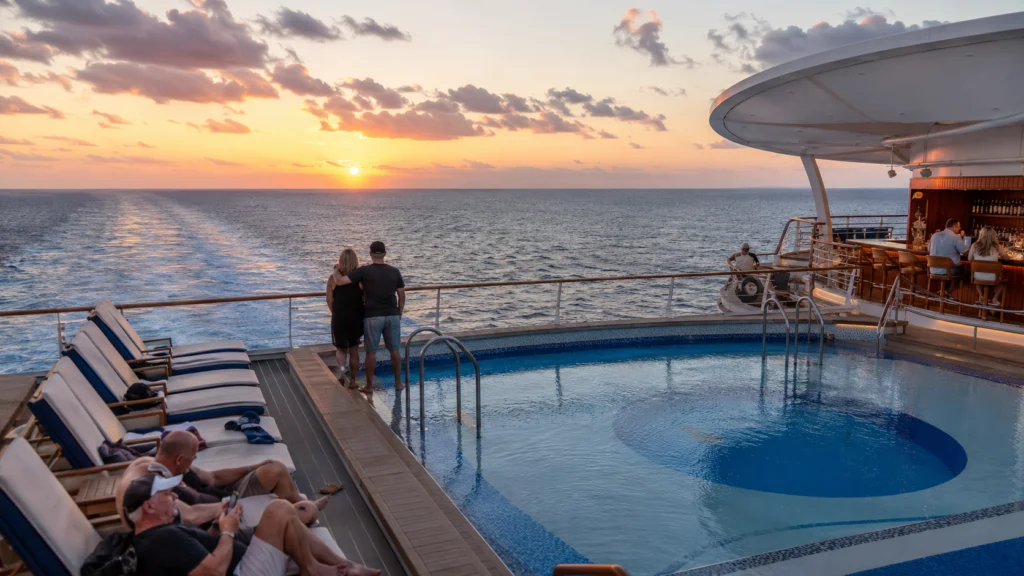
Disney Wish cabins to avoid
Disney Cruise Line

Disney Adventure cabins to avoid
Disney Cruise Line · Global class

Symphony of the Seas cabins to avoid
Royal Caribbean · Oasis class
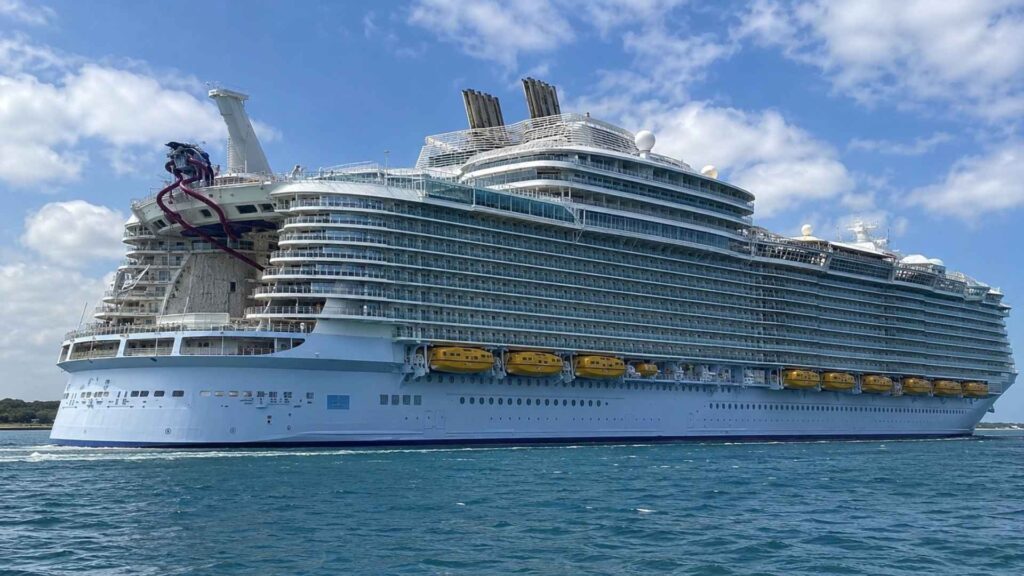
Utopia of the Seas cabins to avoid
Royal Caribbean · Oasis class
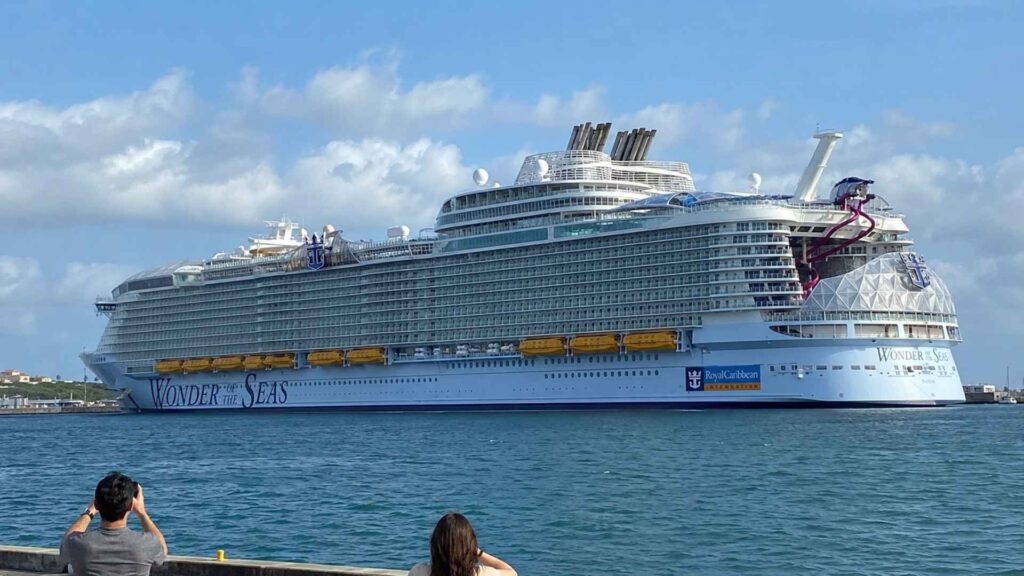
Wonder of the Seas cabins to avoid
Royal Caribbean · Oasis class

Icon of the Seas cabins to avoid
Royal Caribbean · Icon class

Star of the Seas cabins to avoid
Royal Caribbean · Icon class
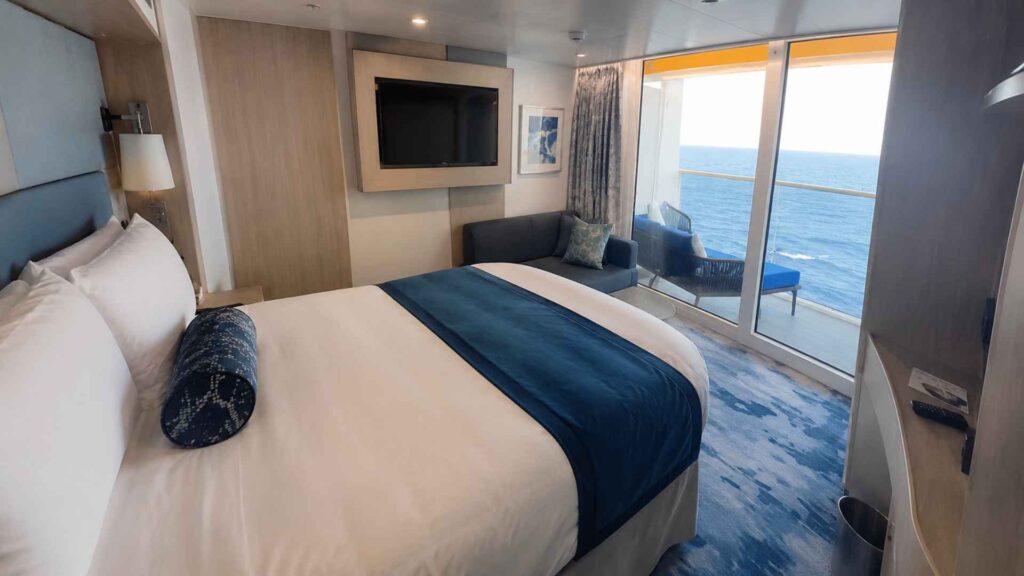
Browse by problem
What can change the cabin
Choose the pattern that worries you. The answer shows what it means, how to identify it on a current deck plan and who is most likely to care.
The pattern
Noise from above is about the exact venue
A pool chair, food cart and nightclub do not create the same sound or keep the same hours. The useful warning names what sits overhead and when it operates instead of condemning an entire deck.
How to spot it before booking
Stack the cabin against the current deck above, then trace its exact fore-and-aft position to the venue, galley, pool edge or service route.
Who it bothers
Light sleepers, families with early bedtimes and anyone who needs quiet mornings.
How a warning gets published
A warning earns its place before it reaches a guide.
The process starts with the current ship, then separates a physical fact from a traveller preference.
Step 01
Read the current deck plan
The plan for the sailing date comes first. Refits, renamed venues and transferred ships can make an older plan misleading.
Step 02
Check the physical relationship
The guide names what is above, below, beside or across from the cabin, then checks category notes and current imagery.
Step 03
Separate fact from fit
An obstruction or connecting door can be established. Whether it ruins a trip depends on the fare, routine and traveller.
Line-established facts are stated as facts. Passenger reports and judgement calls are labelled honestly. Read the full editorial policy.
Common questions
What “avoid” actually means
A warning is a prompt to inspect a tradeoff, not a claim that every marked room is bad.
Are cabins near elevators always noisy?
No. The lobby and passing conversations usually matter more than the elevator machinery. A room around the corner or several doors away can be both convenient and quiet.
Is a cabin under the pool deck always bad?
No. The exact space overhead decides the risk. A quiet stretch of deck, a galley service route and an area where loungers are moved can behave very differently.
Can an obstructed-view cabin still be a good choice?
Yes. It can be excellent value when the obstruction is clearly identified, visible in current photographs and reflected in the fare.
Do these guides identify every bad cabin number?
No. The research establishes categories, positions and repeatable patterns. It does not pretend that every room number has been individually verified on every sailing.
Just off a sailing
Tell us what the deck plan could not.
A recent cabin report can confirm a physical feature, correct an outdated assumption or show which warning mattered less than expected. Include the ship, sailing date, category and what you noticed.