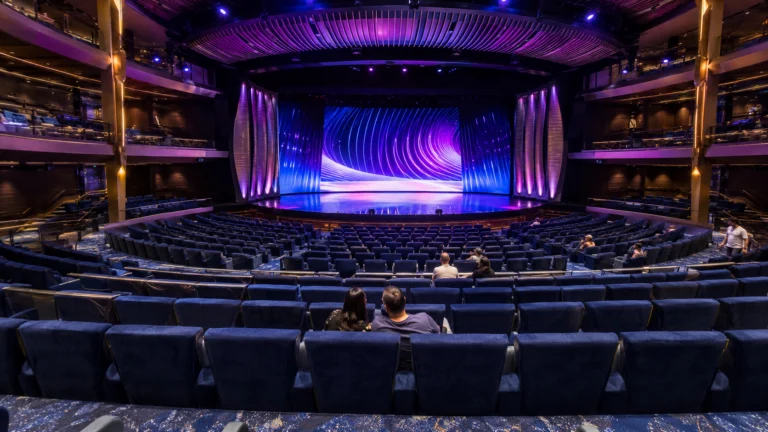
Disney Magic Cabins to Avoid: Exact Rooms and Better Picks
On Disney Magic, I’d be most careful with 5024 and 5524 if you want a window view, 8572 if you’re a light sleeper, and any balcony you haven’t seen from a seated position.
A few inexpensive rooms are lovely bargains, though, so here’s where to be picky and where you can comfortably save.
Short version: Choose 5020 or 5520 over 5024 or 5524 for a less obstructed secret porthole, and start with midship Deck 7 if sleep comes first. For balcony value, compare 6134, 6634, 7120, and 7620 before paying for a higher category.
5024 and 5524: skip these if the window is the reason you’re booking
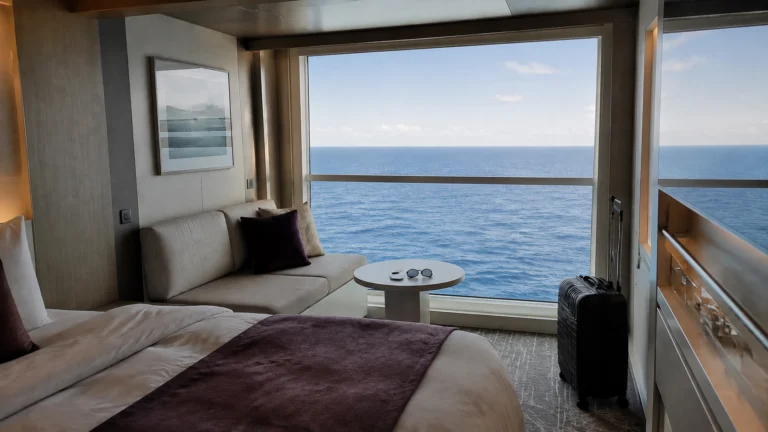
These are two of Magic’s secret porthole rooms: cabins sold as Deluxe Inside even though they have a real window. The catch is that equipment outside blocks a substantial part of the view.
They can be a smart buy when you want daylight at an inside-room price. They are a poor choice if you’re picturing an easy, open ocean view from the room.
Choose 5020 or 5520 first when several secret porthole rooms cost the same, because their windows have less obstruction. Rooms 5022 and 5522 are also worth comparing before settling for 5024 or 5524.
All six are in the Deck 5 forward group, so switching within that group keeps a similar location. You are choosing the window you prefer rather than moving to an entirely different part of the ship.
There is another useful difference: 5022 connects with 5024, and 5522 connects with 5524. That is handy for two households booking together, but gives a couple who doesn’t need a connecting door another reason to look at 5020 or 5520.
Keep 5024 or 5524 if the price is good and a little natural light is enough. Pay for a regular oceanview if watching the sea through a clear window is part of what will make the trip special.
8572: a more cautious choice for light sleepers
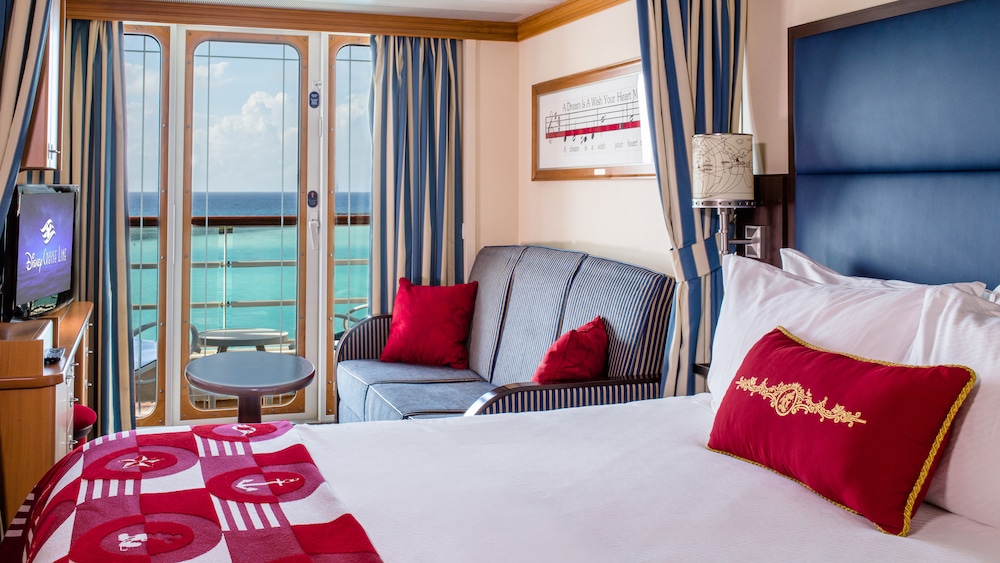
Cabin 8572 has older Magic-specific reports of deck chairs moving overhead, including early in the morning. That makes it a more useful warning for a light sleeper than simply declaring all of Deck 8 noisy.
Those reports describe past sailings, so they don’t tell us what every night in the room will sound like now. The practical recommendation is still straightforward: choose another location when interrupted sleep would seriously spoil your cruise.
Start with a midship Deck 7 room in a suitable category if reducing overhead activity matters most. Having cabins on Decks 6 and 8 around you removes the pool deck from directly above your ceiling.
Deck 8 can still make sense when your family wants quick trips between the room and the pools. Just don’t pay extra for a higher deck expecting that to buy extra quiet.
If you need a family verandah that sleeps five, keep that requirement in the comparison. An ordinary Deck 7 verandah cannot automatically replace the beds or space you were buying on Deck 8.
Use the interactive deck plan for that final room check, or use my Magic deck guide to compare the routes you’ll take every day.
A white-wall verandah can disappoint you every time you sit down
If your favorite cruise moment is coffee in a balcony chair with the ocean in front of you, choose a clear-front verandah. A solid white wall blocks the lower part of that outlook, even when the view is perfectly pleasant standing up.
This matters for children, too, because their eye level may stay below the top of the wall. Buying a balcony doesn’t necessarily give everyone in the family the same view.
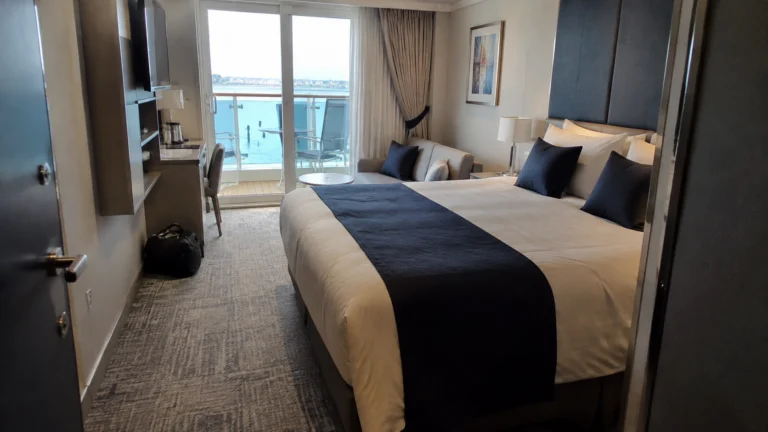
The balcony descriptions distinguish the clear-front, white-wall, and Navigator’s styles. Look for the photograph of the actual room when comparing offers, especially around the aft verandahs.
A white-wall room is worth considering when you mainly want fresh air and privacy, and the saving is meaningful. For someone who spends most of the day out on the ship, that can be a very reasonable compromise.
For a balcony reader or anyone planning quiet afternoons outside, the clearer seated view is the upgrade to prioritize. A more impressive category name won’t make up for a balcony you don’t enjoy using.
Don’t lump 6134, 6634, 7120, and 7620 in with enclosed verandahs
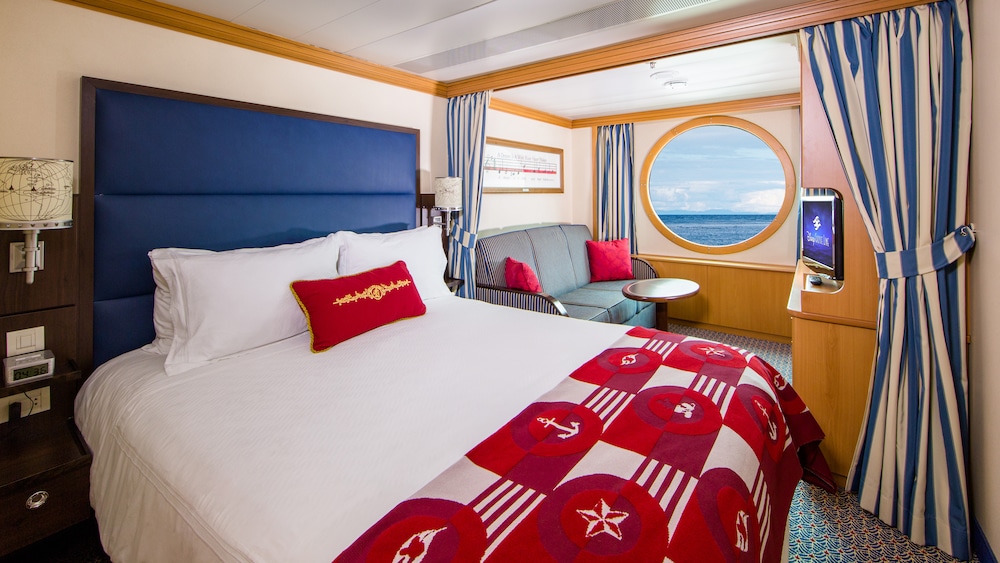
Magic’s traditional Navigator’s Verandah is a sheltered balcony with a large open-air porthole-style opening. It feels more enclosed than a conventional balcony, which can be cozy or disappointing depending on what you wanted.
Rooms 6134, 6634, 7120, and 7620 are the important exceptions to compare. These Category 7A rooms have open verandahs with partial structural obstructions rather than the usual enclosed Navigator’s arrangement.
That makes them worth a price check before you dismiss Category 7A or pay more for a standard verandah. The obstruction is still real, so choose from room-specific photos rather than assuming you’ve found a completely clear balcony.
I like 7120 and 7620 as starting points for someone who wants that value on Deck 7. They are aft, though, so a person who strongly prefers the middle of the ship should keep looking.
A traditional Navigator’s room can be the better fit if shade and shelter matter more than a wide opening. Skip that design when your whole reason for choosing a balcony is the open feeling.
For more options beyond these four, my best Magic cabins guide helps you decide which extra space or balcony feature is actually worth buying.
Skip Standard Inside when sharing one bathroom will wear you out
Magic’s Standard Inside rooms, Category 11, generally have one bathroom. Deluxe Inside rooms, Category 10, usually have the split arrangement, with a toilet and sink in one compartment and the bathing area and another sink in the other.
For a couple who gets ready at different times, the cheaper room can work beautifully. For a family trying to shower, brush teeth, and leave for dinner together, the split bathroom can make a bigger difference than a window.
Price Deluxe Inside before jumping to an oceanview. If bathroom sharing is the problem, you may be able to solve it without paying for daylight or a balcony.
The standard layouts also differ in size: about 184 square feet for Standard Inside versus 214 for Deluxe Inside. That extra room is useful once bags, shoes, and children’s things become part of the floor plan.
Accessible rooms can have a different bathroom arrangement, so use the exact room descriptions for the cabin you need. Choose an adapted layout for its accessibility features rather than expecting every Deluxe room to have the same bathroom.
Don’t reject every Deck 5 room because the kids’ clubs are there
The smaller cabin groups on Deck 5 deserve a fair look. Being on the same deck as children’s activities doesn’t mean your door opens into a busy club entrance.
The secret porthole rooms above are a good example: the window obstruction is the clear, lasting tradeoff. A blanket warning about children in the corridor doesn’t help you compare those rooms properly.
There is a separate consideration around the forward theatre area: sound from performances or rehearsals can reach some rooms above it. Guest experiences vary, so treat that as a reason for a sensitive sleeper to prefer another location rather than a promise of nightly disturbance.
If your child naps while others are out enjoying the ship, a midship cabin between cabin decks is the easier starting choice. If you value quick club trips and the fare is attractive, Deck 5 can stay on your list.
Choose a low oceanview for the saving, not just the word oceanview
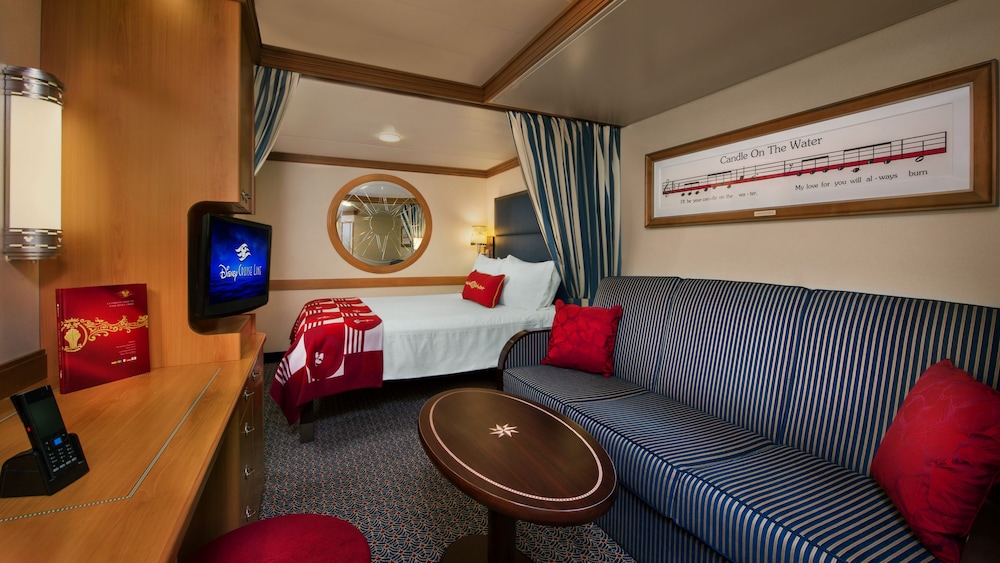
Magic’s oceanview layouts include a large porthole or two smaller portholes, so the window arrangement deserves a look before you book. Two small openings won’t feel like the large round window you may have seen in cabin photos.
A lower cabin near the middle of the ship is a sensible starting point if movement bothers you. That doesn’t make every Deck 1 or 2 room an equally good choice, especially toward the ends.
The everyday trade is the trip up to the pools and casual food on Deck 9. If your family repeatedly returns for forgotten goggles, dry clothes, and naps, that journey can matter more than you expect.
Keep the lower oceanview when daylight and the lower fare are the features you want. If you spend most of your ship time upstairs, compare the total upgrade cost with how often you’ll actually use that shorter walk.
Avoid a guarantee fare when you need a particular room or connecting pair
A guarantee fare is a good fit only when you’re happy to let Disney choose the cabin. With GTY, IGT, OGT, or VGT, you aren’t securing your preferred room number at booking.
The assignment rules explain that distinction. Choose an assigned room when you need a certain balcony style, a central position, or proximity to someone traveling with you.
If two rooms must connect through an interior door, book a confirmed connecting pair. Rooms next door to each other aren’t necessarily connecting rooms, and linked reservations don’t create that door.
Restricted fares can’t guarantee a connection, so a tempting saving can undo the very arrangement your family needs. For children sleeping in the second room, treat the connection as part of what you’re buying.
When you don’t need connecting rooms, choose a nonconnecting option if a comparable one is available and you’re sensitive to neighboring voices. That is a preference worth using, not a reason to assume every connecting cabin will be noisy.
Read the payment and change conditions before committing to a restricted offer. A discount is much easier to enjoy when you already know you can live with the room assignment.
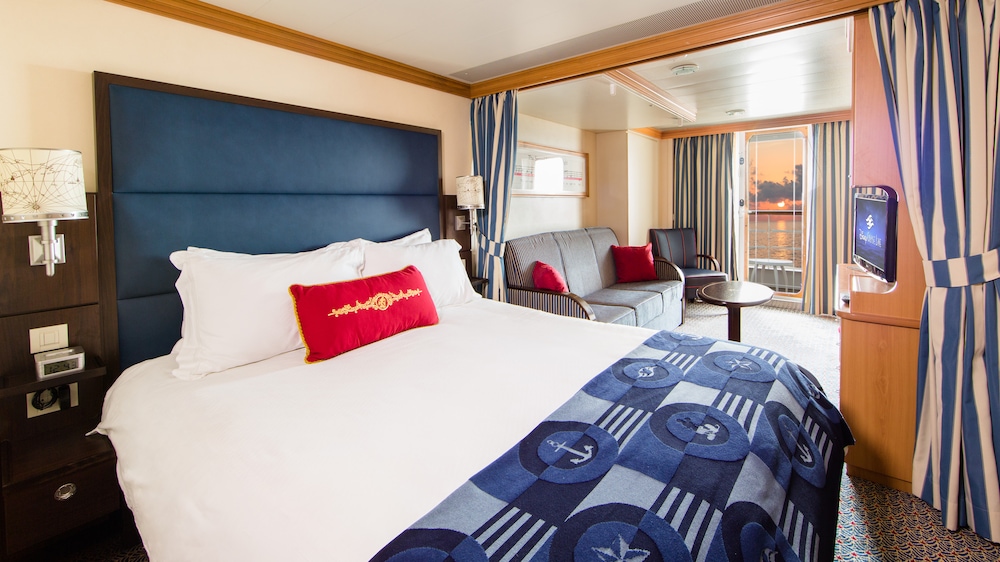
Where I’d start the cabin search
For a light sleeper, begin with a midship Deck 7 room that fits everyone comfortably. Then decide whether the bathroom, daylight, or balcony is worth the next step up in price.
For an inside-room budget with some natural light, look for 5020 or 5520 before the more obstructed 5024 or 5524. Keep the forward location and possible theatre sound in mind if you’re particularly sensitive to either.
For balcony value, compare 6134, 6634, 7120, and 7620 with the clear-front alternatives available on your sailing. A modest obstruction can be an easy compromise when the saving buys something your family will enjoy more.
For five guests, start with the actual beds and capacity before chasing a different deck. For two households, secure the connecting pair before letting a lower fare steer the decision.
My Magic planning tips can help you picture the rest of the day, from pool breaks to bedtime. Choose the room that makes those routines easier, and save the extra money when an upgrade doesn’t solve a problem you have.
How this guide was researched: Cabin layouts, balcony designs, and booking rules were checked against official room information, with room photos and Magic-specific guest accounts used for individual callouts. Older noise reports are identified as such, and suggested locations reduce particular risks without promising silence.