Disney Magic Pros and Cons: What to Know Before Booking
Disney Magic is a strong choice when you want Disney shows, character-filled dinners, and a ship your family can learn without spending the first day finding its way around.
Book it for those experiences and the right itinerary, then compare another ship if your priorities are a sprawling pool resort, flexible dinner times, or an affordable room for one.
Short version: Choose Magic for Disney shows, character-filled rotational dinners, age-appropriate clubs, and a manageable layout. Compare another ship for low solo pricing, a casino, flexible dinner times, or a larger pool resort, and check toddler and slide eligibility before buying.
Book Magic when the Disney experiences matter
The best reason to choose Magic is that several things you might otherwise pay to see or do are part of the ordinary cruise day. The stage productions, films, regular character greetings, main restaurants, and eligible youth-club programming can carry a satisfying vacation without a long list of extras.
That value is strongest when your group actually wants those experiences. If Disney characters and storytelling leave everyone indifferent, a lower fare on another line may serve the same ports just as well.
Compare the final price for your family, including the room and the paid activities you expect to use. Avoid justifying a large fare difference through every advertised inclusion when you will enjoy only a small share of them.
First-time cruisers can settle into a few familiar public decks rather than learn a huge entertainment district. Once you know the theater, your dinner route, and the pool deck, everyday trips feel manageable.
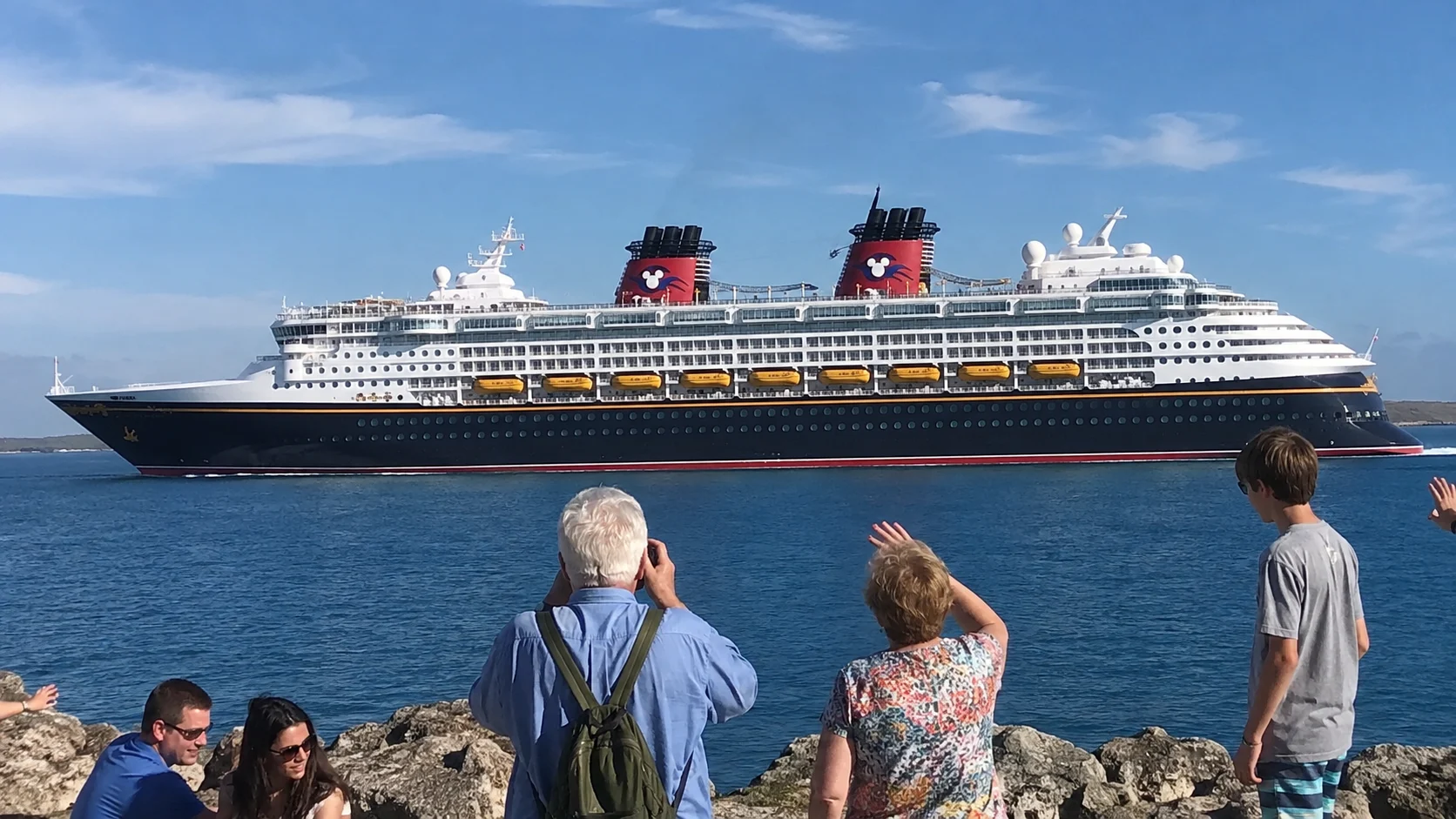
The smaller layout makes daily trips manageable
Magic groups most dining and indoor entertainment on Decks 3 through 5 and the main daytime recreation on Deck 9. Once you know the forward stage theater, middle atrium, and aft restaurants, the routes become fairly easy to remember.
This can suit grandparents, families with children, or anyone who dislikes spending the cruise consulting a map. Pick a cabin near the elevator area you will use most, and you can make the layout work even better.
The tradeoff is that a smaller ship does not spread every crowd across more venues. Dinner changeovers, popular character lines, and warm sea-day afternoons can still concentrate people into the same places.
Use our Magic deck guide before selecting the cabin. If mobility or a stroller changes how your group travels, the elevator route matters as much as the total ship size.
Rotational dining gives you variety without repeated planning
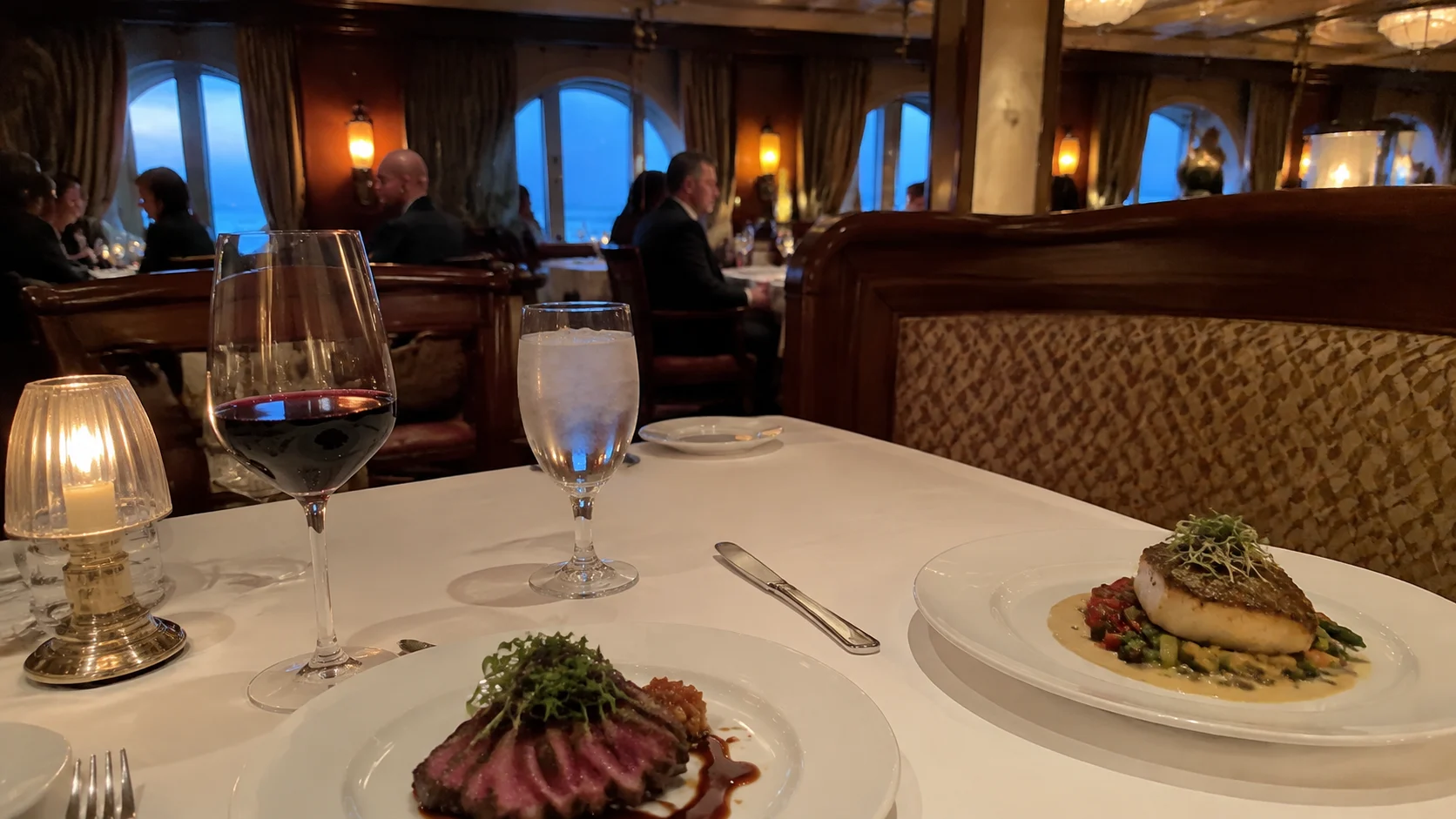
Your group rotates among Lumiere’s, Rapunzel’s Royal Table, and Animator’s Palate, with the serving team moving with you. That lets you try different rooms while keeping the people who learn your family’s preferences.
Rapunzel’s adds Tangled-inspired music and performers to dinner, while Animator’s makes animation part of the setting and presentation. These are useful reasons to choose Magic when a family dinner needs to feel like an event rather than a pause between activities.
For someone who enjoys getting to know the servers, the continuity can be a real advantage. You do not need to explain the same pacing preference to a completely new team every night.
The drawback is the assigned dinner seating. If you want to wander into a restaurant whenever you feel hungry, this is a more structured evening than you may enjoy.
Choose earlier dining when a young child’s bedtime matters more than a long afternoon ashore. Consider later dining when your group enjoys keeping the afternoon open and can comfortably wait for dinner.
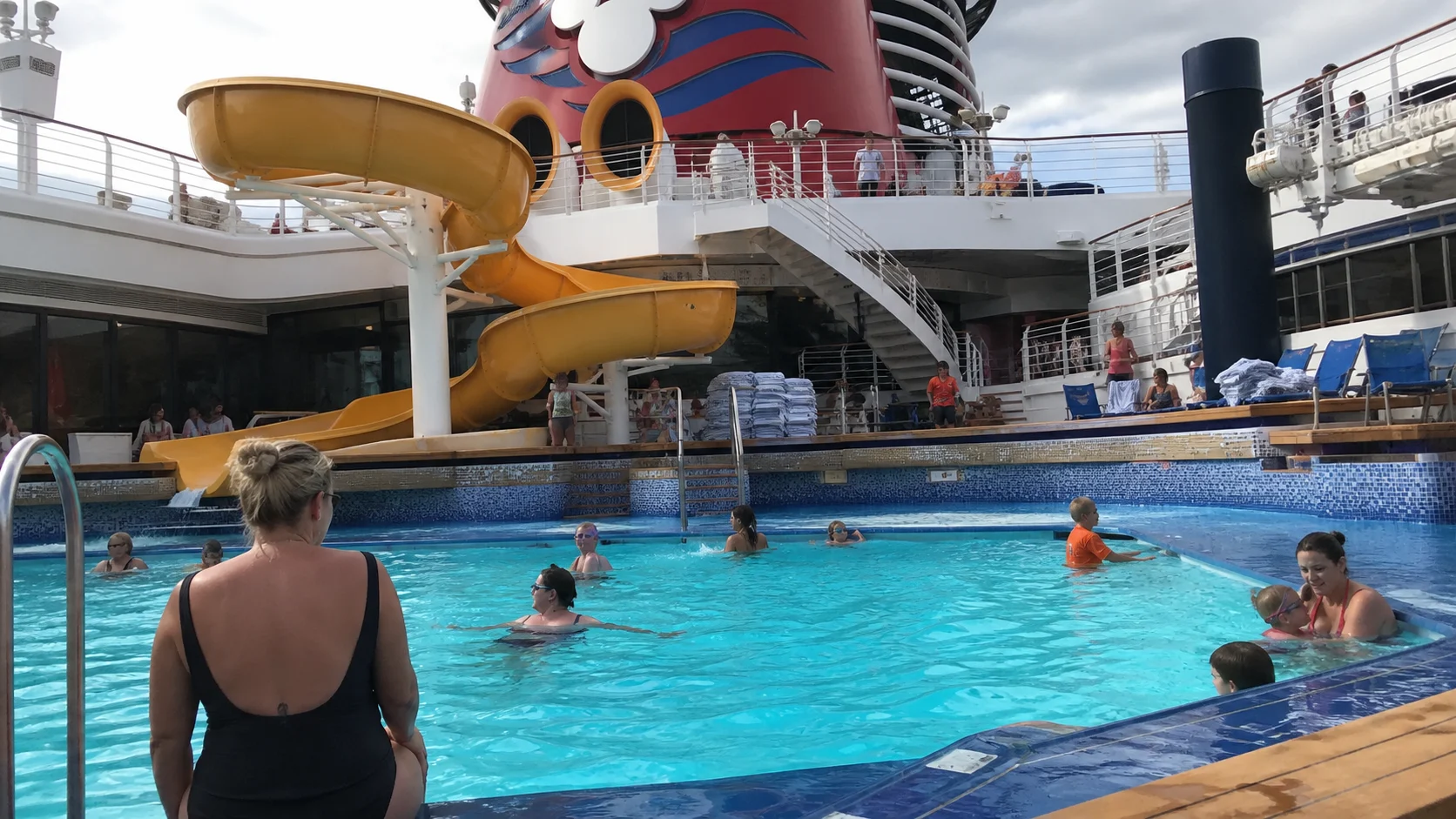
Pool space is a compromise to accept before booking
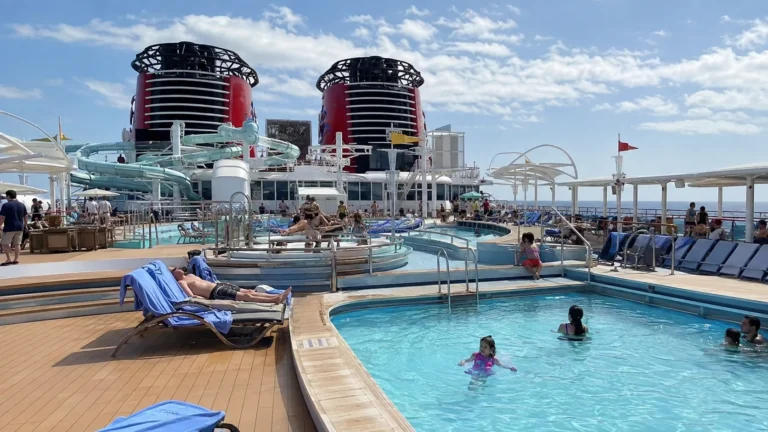
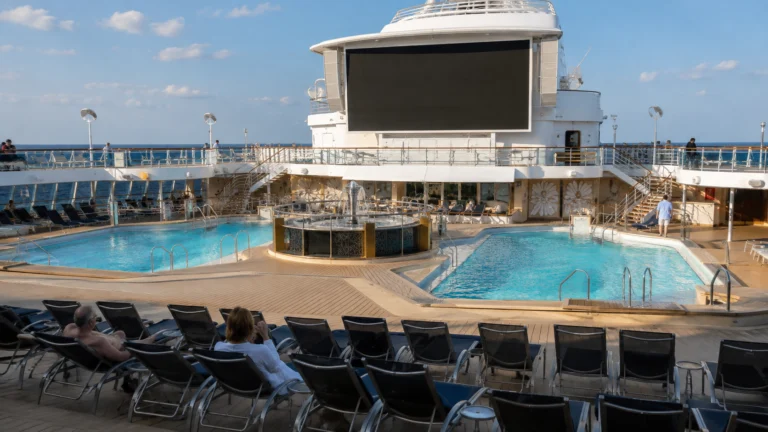
Goofy’s Pool, AquaLab, and the surrounding family areas are good for splashing and a lively afternoon. They are less convincing as the main reason to buy a week when you want long quiet swims or an enormous choice of water attractions.
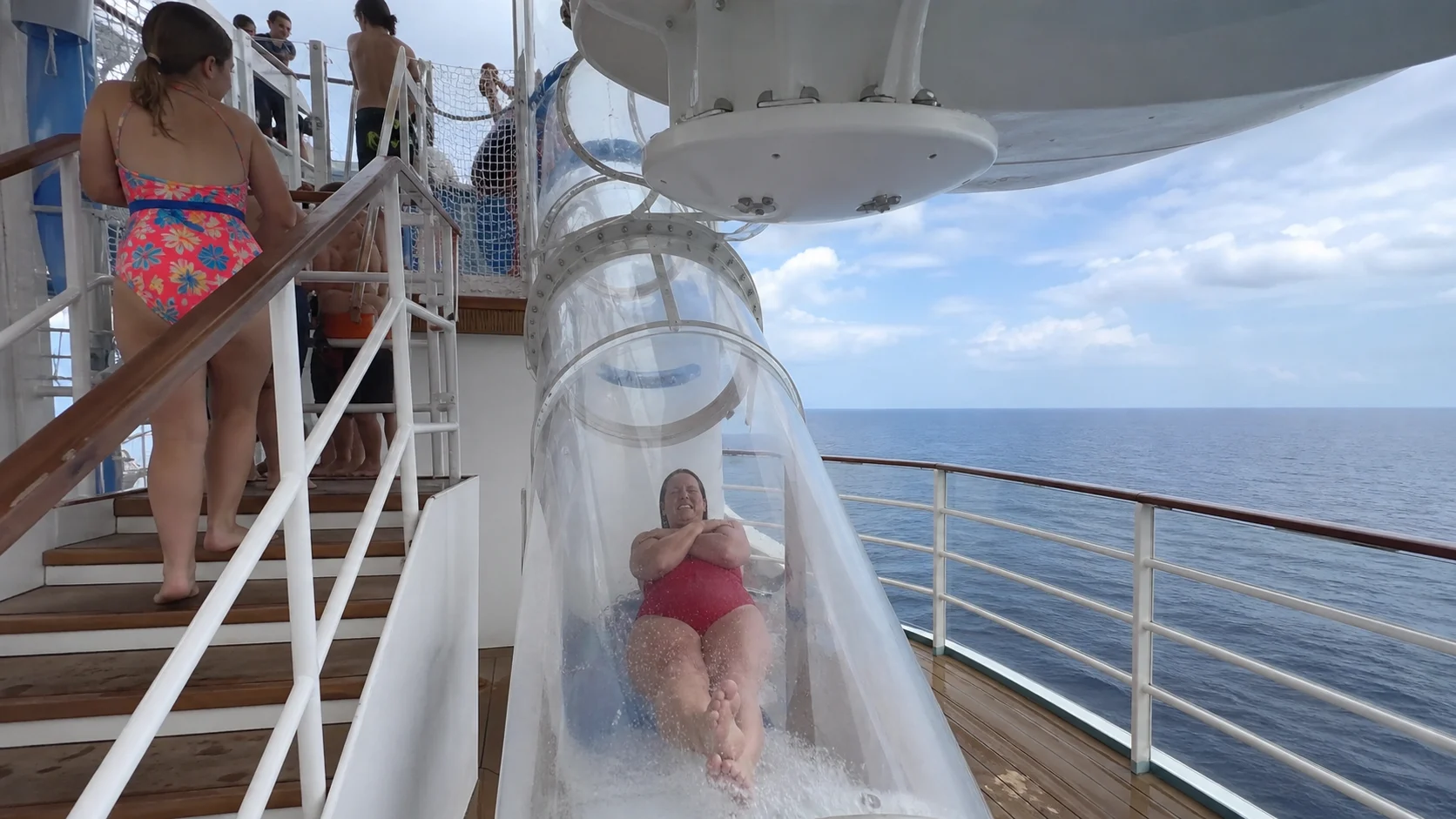
AquaDunk is the thrill slide to compare first, with its single-rider drop rather than a family raft. It needs at least 48 inches measured without shoes and has a 300-pound maximum, so an eager child may not be eligible.
Twist ‘n’ Spout has a 38-inch minimum under the current pool and slide rules. Check each attraction separately instead of assuming a child who can use one can use everything.
Magic’s designated toddler area is Nephews’ Splash Zone. Children age 4 and younger can use that designated area with supervision, with swim diapers required for those who are not toilet trained.
Swim diapers do not make the regular pools, whirlpools, or slides available to a child who is not toilet trained. If swimming together is central to your family vacation, that rule belongs in the booking decision.
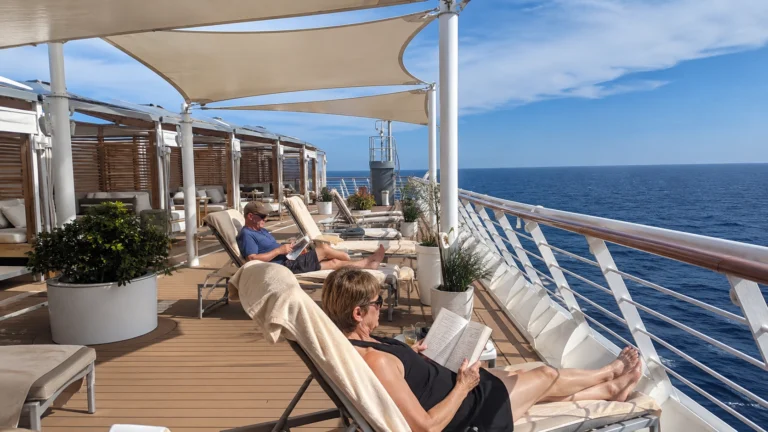
For adults, Quiet Cove gives you an age-restricted pool area forward on Deck 9. It is a welcome alternative to the family pool, but it does not guarantee an empty chair or replace a large resort-style deck.
The shows are a better selling point than a hardware checklist
Tangled: The Musical is the production to keep near the top of the list for a Tangled fan. Magic also lists Twice Charmed and Disney Dreams among its stage shows, with your sailing’s schedule deciding what plays when.
Buena Vista Theatre gives you an indoor movie option when the pool plan loses to weather or tired children. D Lounge offers family games and scheduled activities when you want to participate together instead of splitting into clubs.
You do not need every evening to include all of those choices. For a family with limited energy, a strong stage show and the assigned dinner can be plenty.
Use the Magic ship page to choose the experiences that appeal, then our Magic activity guide to plan around them. A small shortlist is more useful than booking the ship because its total activity count sounds impressive.
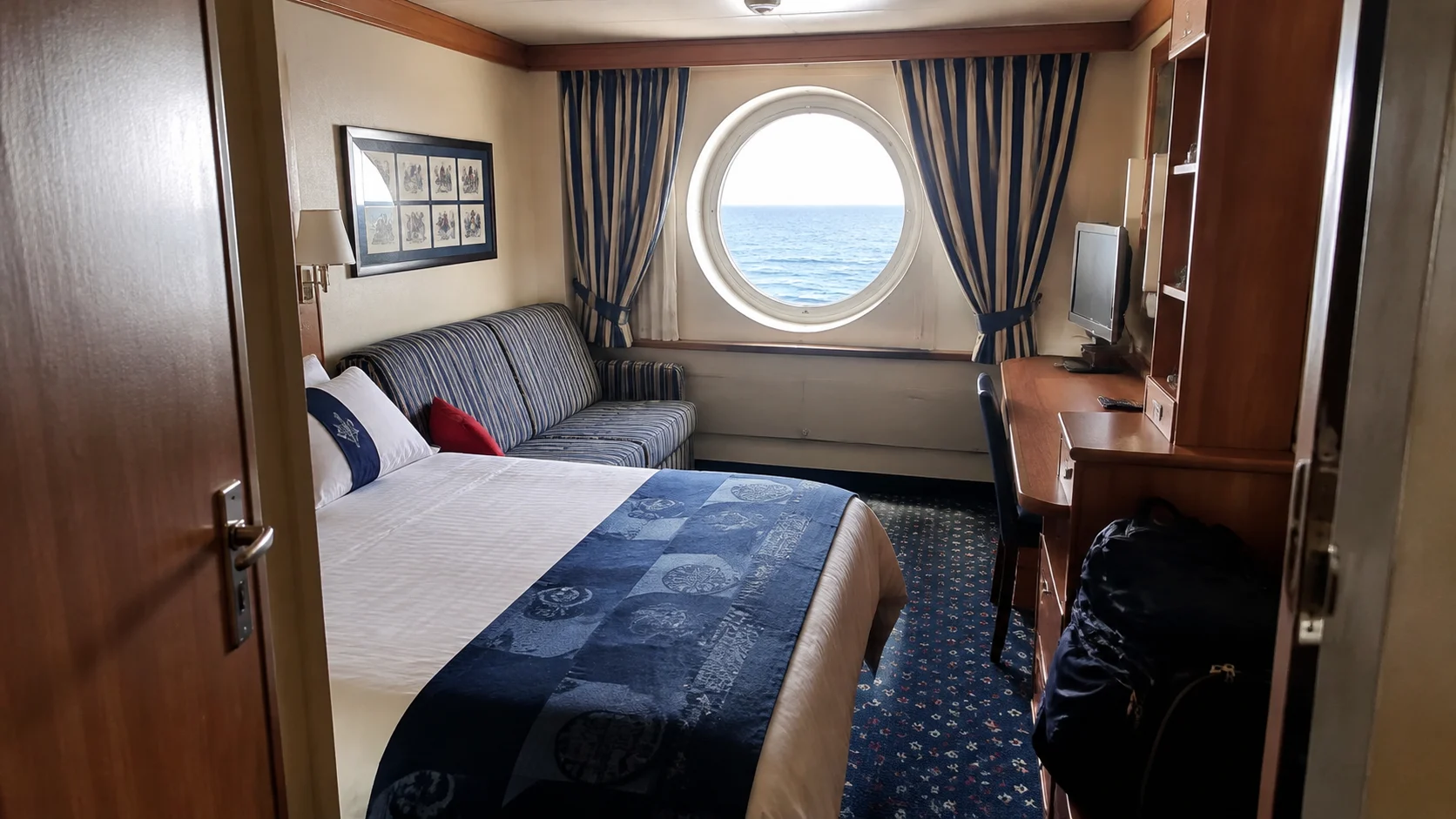
Cabin choice can improve the trip more than another extra
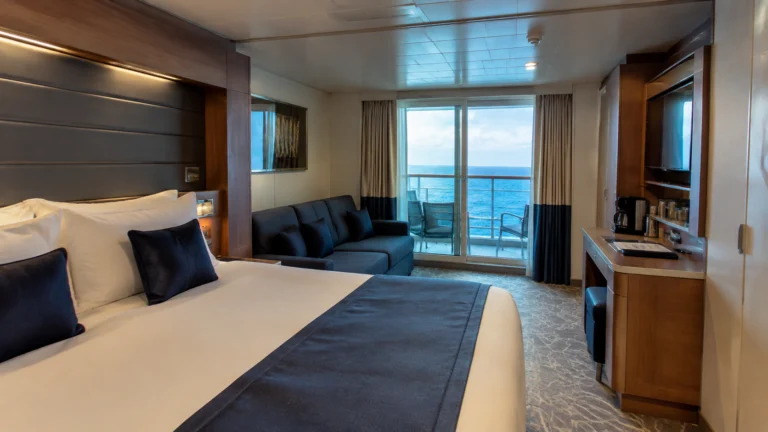
Many Deluxe rooms have the split bathroom that families appreciate when several people get ready together. Standard Inside has a different bathroom arrangement, so do not assume the least expensive room has every feature in a general Disney cabin photograph.
A Deck 7 inside or verandah room puts other cabins above and below, a useful starting point for light sleepers. A lower oceanview buys daylight, while a Deck 8 family or Concierge room trades more space or service for a position beneath the busier pool deck.
For five people, compare the family room’s bed arrangement with two confirmed connecting cabins. Two bathrooms and a door between sleeping spaces can matter more than fitting everyone behind one cabin door.
For a balcony, check the actual opening: clear-front, white-wall, and traditional Navigator’s designs offer different seated views and shelter. Pay for the one you want to use rather than assuming every verandah upgrade creates the same experience.
If a connection, exact balcony, or central position is essential, a later Disney assignment may be the wrong fare. The room saving is useful only when you can accept its permitted outcomes.
Kids’ clubs are valuable when your child can enjoy them
Oceaneer Club and Lab serve children ages 3 through 10 during secured programming. Children must be fully toilet trained, so a birthday that reaches the age minimum does not alone establish eligibility.
The Oceaneer requirements are worth checking before making an adult evening depend on drop-off. Visit open house together and let the child see the room and counselors before the first busy night.
Edge serves ages 11 through 14 and Vibe ages 14 through 17, giving older children their own social spaces. A teen who enjoys meeting people may value those more than the slide or a room upgrade.
These are group programs rather than individual child care. If your child needs additional support, discuss participation with Special Services before booking and keep a parent plan for time outside the clubs.
The nursery serves younger children for an extra charge and requires reservations. Secure the time you need before committing to a paid adult activity that depends on it.
Adults have good options if they like the Disney setting
Quiet Cove, Cove Café, Palo, the spa, and the Deck 3 lounges make it possible to enjoy Magic without children. Choose it when you want Disney entertainment alongside a calmer pool break or an evening of music.
Soul Cat Lounge adds jazz and Pixar’s Soul touches, while After Hours includes Keys, O’Gills, and Fathoms. Their different styles let you choose a piano set, sports-pub atmosphere, or more active nightlife instead of repeating one bar.
Check the app for the times a lounge is restricted to adults, because some rooms host broader programming earlier in the day. Paid drinks and tastings also belong in the budget even when the entertainment itself is included.
Palo is an additional-charge meal for adults 18 and older. Brunch, when offered, is a useful first comparison because it can preserve your three main restaurant evenings.
Magic has no casino. Choose another line if gambling is one of the main ways you enjoy an evening at sea, or count its absence as a positive when Disney’s other activities are the ones you want.
Solo travelers should compare the full room price
Magic does not give you a dedicated solo-cabin product to soften the cost of traveling alone. Disney’s single-occupancy policy charges the same total package price as two guests in that room.
That can still be worthwhile for a solo traveler who strongly wants the Disney experience. It is a harder purchase to justify when the main goal is simply a comfortable cabin and the same destinations.
Compare the one-person total with another ship’s dedicated solo inventory before deciding. A fare that looks reasonable per person at double occupancy can tell a very different story when you buy the room alone.
Price the vacation you actually want
Let the included main meals, shows, and recreation do most of the work if you want to control costs. Add Palo, a makeover, nursery time, photos, spa, internet, or excursions because your group will enjoy them, rather than treating each extra as necessary to complete the cruise.
The fare inclusions separate ordinary onboard experiences from paid additions. Alcohol, specialty coffee, some concessions, and adult dining are among the extras that can make the onboard total larger than expected.
Use our Magic dining guide to decide whether a paid meal is worth missing a particular rotational evening. On a short cruise with one visit to each room, that trade is especially important.
For a holiday or Marvel-focused trip, book a departure specifically sold with that program. A familiar ship or departure port does not guarantee the special celebration your family is picturing.
Magic is easiest to recommend to families and Disney fans who value the shows, main dining, and manageable layout together. Compare elsewhere when a low solo price, spontaneous dinner, casino, or expansive pool resort is the feature you would most miss.
How this guide was researched: Disney’s Magic venue listings, deck plan, pool rules, youth-program requirements, fare inclusions, and solo-fare guidance support the comparisons. These recommendations weigh who will enjoy the ship’s experiences and use its included benefits.