Resilient Lady Cabins to Avoid (and the Ones Still Worth It)
On Resilient Lady, the room to avoid is usually the one that puts the ship’s busiest spaces on the other side of your floor or ceiling when you want to sleep.
Start with a Sea Terrace on a middle cabin deck, then check the exact view, hammock, bathroom, and fare rules before choosing a cheaper or higher room.
Short version: For sleep, start with a Sea Terrace on Deck 11 or 12 and check the exact room. Be cautious about Deck 14 public-space ceilings, Deck 8 nightlife below, unconfirmed hammocks, and fares that forbid cabin changes; choose XL for its layout rather than its name.
Start on Deck 11 or 12 if sleep matters most
A Sea Terrace or Central Sea Terrace on Deck 11 or 12 is a sensible first comparison for a light sleeper. You are within the residential stack, with cabin decks separating you from the lower entertainment and upper pool-and-food areas.
Choose an exact position with cabins above and below rather than treating the deck number alone as a quiet-room guarantee. Neighbor behavior, corridor traffic, and conditions still vary, but you can avoid an obvious public-space boundary before paying.
If the middle-deck option is only a modest premium, it can be a better saving than a cheaper room that conflicts with your sleep schedule. On a weeklong cruise, the room needs to work when you return to it as well as when you admire the balcony.
For travelers who stay out late and rise early, a closer route to favorite venues may matter more. Pick the location for the way you actually spend a cruise rather than assuming everyone needs the same buffer.
Use the deck layout on the Resilient ship page to compare positions. Our Resilient deck guide helps you understand the public spaces once you know what borders the room.

Check Deck 14 before accepting a high room
Deck 14 sits under a changing mix of Deck 15 spaces, including the Aquatic Club, B-Complex fitness areas, The Galley, and Gunbae. That makes the exact overhead location more important than the idea of a high cabin being automatically better.
Skip a room immediately below an active public space if you sleep late or are easily disturbed by movement overhead. Compare the same broad terrace category on Deck 11 or 12 before paying extra for a higher position.
Do not reject every Deck 14 cabin, since the Deck 15 footprint also changes toward suites and other areas. Line up the actual room with the plan and ask about any unlabeled space rather than guessing from the nearest venue name.
Fitness areas, pool-deck activity, and food-service routes are reasons to examine a room closely, not proof that you will hear a specific sound at a specific hour. If sleep is essential, the residential buffer is the simpler recommendation.
Deck 14 can still be a practical choice when you want the shortest regular trip to breakfast, the pool, or workouts. Keep it in the comparison when those daily shortcuts improve the trip enough to justify the overhead compromise.
Avoid the lowest cabin deck over nightlife if you turn in early
Deck 8 is directly above Deck 7 public spaces, including sections of The Red Room and The Manor. If your ideal evening ends before the entertainment does, examine the exact footprint under the room before accepting the fare.
For an easier sleep buffer, compare a room on Deck 10, 11, or 12 within the terrace category you want. Moving above residential levels is a more useful precaution than labeling the whole of Deck 8 noisy.
A room above a performance or club area deserves a different decision from one above a quieter boundary. The plan establishes the relationship, while the actual event schedule and your tolerance determine how much it matters.
Nightlife-first travelers may prefer the lower location because it keeps evening venues close. Choose that convenience when you want it, but do not expect the ship’s adult-only policy to make every public space quiet after dinner.
The Resilient deck PDF shows the public and cabin relationship. Compare it with the assignment for your departure before deciding whether to request a different room.
Pass on Limited View when scenery is the reason you want a terrace
A Limited View Sea Terrace can save money, but the restriction deserves its own check. Ask what interrupts the outlook and how noticeable it is from the places you expect to sit.
Choose it when you mainly want private fresh air and can comfortably accept the described view. Skip it when you are paying for long afternoons watching the sea and the available room does not give you the outlook you pictured.
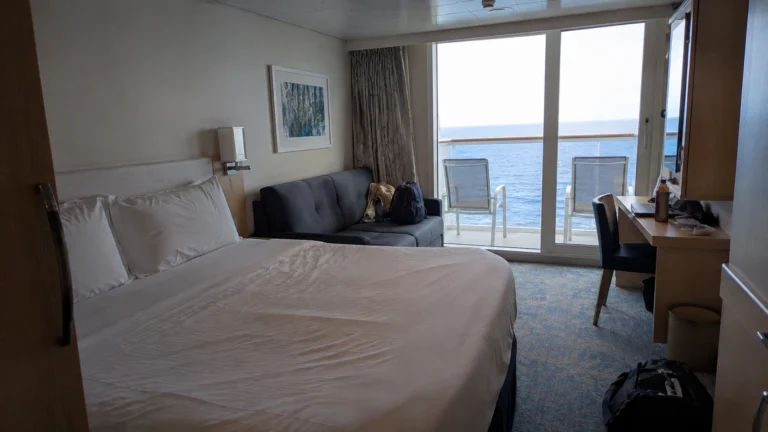
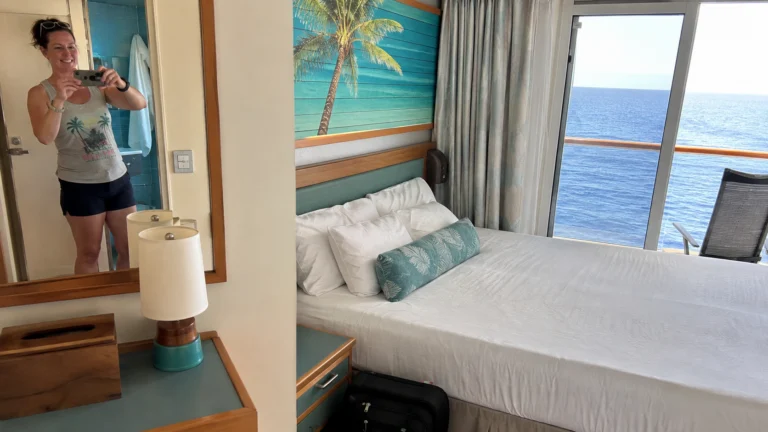
The view, balcony shape, railing, and hammock are separate features. A category name cannot tell you everything about how that specific terrace will feel, so confirm the details that matter most to you.
Compare the limited-view price with an ordinary Sea Terrace over the full trip. A meaningful discount can be worthwhile, while a tiny saving is less attractive when it removes your favorite part of the room.
If you will barely use outdoor space, also compare an Insider or Sea View. You may be able to spend less without paying for a terrace compromise you never wanted in the first place.
Confirm the hammock instead of assuming every terrace has one
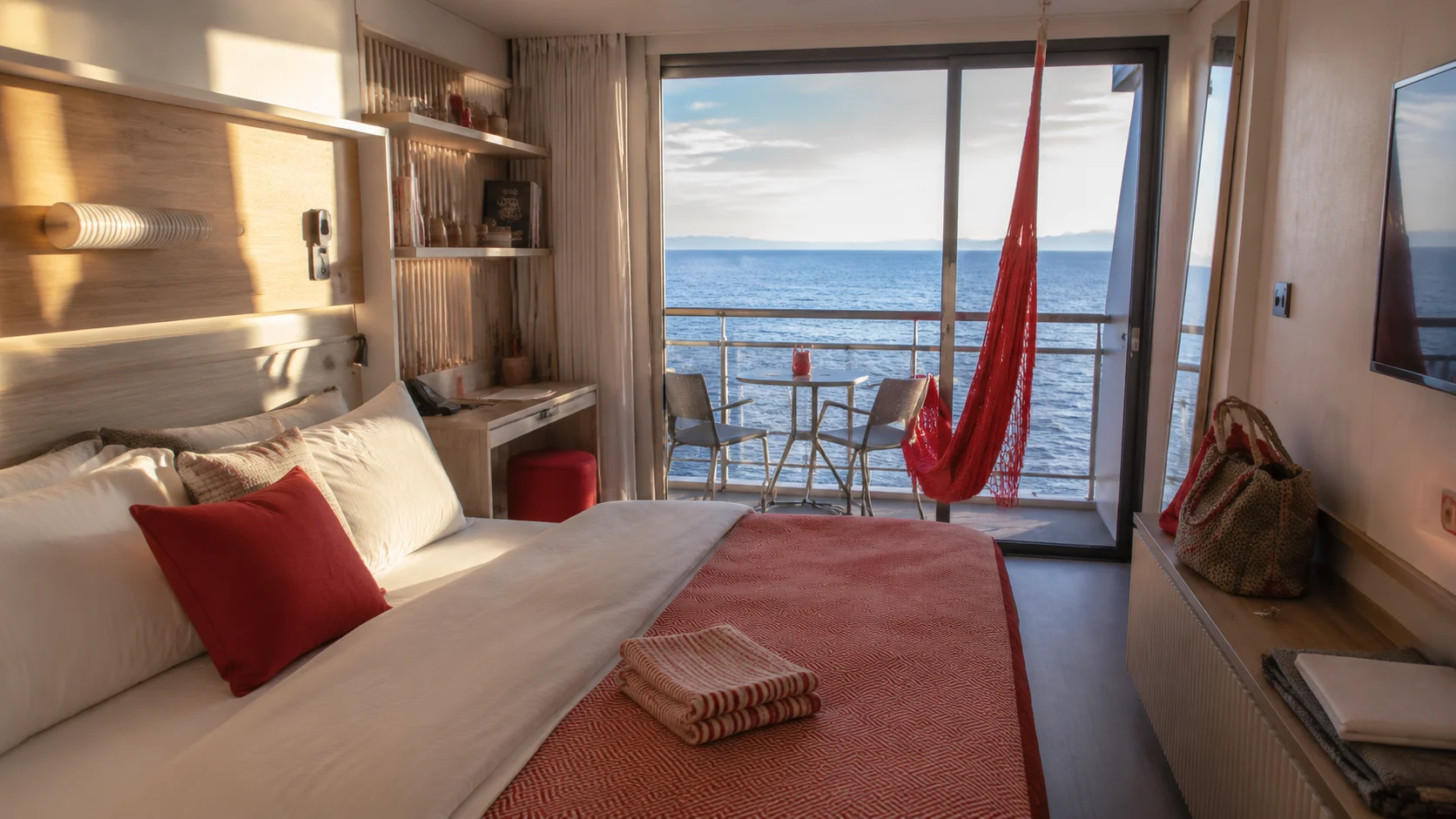
The hammock is a big part of the Virgin appeal, and most Sea Terraces have it. Virgin’s cabin descriptions say almost all, which is a useful reason to check your specific room when the hammock is the main attraction.
If reading outside in the hammock is how you picture your sea days, avoid a room whose setup cannot be confirmed. Ask Sailor Services or your travel advisor about the assigned cabin before accepting a fare that prevents changes.
Do not treat an extra-large bathroom or a more impressive room name as a substitute for the outdoor feature you want. The best room is the one that supports the part of the day you are most excited about.
For a sailing with many port days, think honestly about how often you will be outside in the room. If the terrace is mainly a nice photograph rather than a daily habit, a less expensive category can be more useful value.
Buy XL for the layout you need
XL Sea Terrace is worth considering when the larger bathroom and interior arrangement improve the way two people get ready. It should not be treated as an automatic promise of the biggest or most open balcony.
Compare the terrace separately from the bathroom before paying. A room that solves the morning routine can still be the wrong choice if outdoor lounging is the main reason for the upgrade.
If the standard Sea Terrace layout works for you, use the saving for something you already want to do aboard or ashore. If bathroom space is a daily frustration, the XL option may improve the week more than a higher deck.
For friends sharing a room, confirm the bed arrangement rather than assuming every cabin can be set up exactly as you want. The layout needs to work at bedtime as well as while you are getting dressed for dinner.
Our best Resilient cabins compares the products by traveler. Start with the physical feature you need, then check its location and price.

Choose the fare carefully when room control matters
For current standard-cabin bookings, Base fare automatically assigns a room within the booked category and does not allow cabin changes. Lock It In is also a guarantee arrangement with no cabin changes, so avoid those fares when an unsuitable location would spoil the trip.
Essential and Premium allow changes after assignment when availability permits. They offer flexibility, but that does not mean you can guarantee a favorite room will be available later.
Read Virgin’s cabin assignment rules before buying a fare based on a general promise to choose your cabin. Ask about the specific location you need and confirm the arrangement rather than relying on a future request.
Connecting cabins also require a fare option that permits cabin changes under the current rules. If your adult group needs an adjoining pair, arrange it early instead of buying the cheapest two rooms and expecting the connection to be added afterward.
Guarantee fares can still suit flexible travelers who will enjoy the eligible rooms. The saving is appealing when the possible assignment is acceptable, not when you are betting on an exception to the restrictions.

Think about motion and accessible features before the upgrade
If ship movement bothers you, start with a lower, more central room rather than a high cabin at an end. The dramatic views and large outdoor spaces that attract another traveler may not be the best feature for your own comfort.
For mobility needs, confirm the correct accessible layout and repeated routes before treating a suite’s extra space as the solution. Doorways, bathroom access, and turning clearance are different needs from simply having a bigger room.
The pool and Galley are high, while restaurants and entertainment spread across the lower public decks. Choose a cabin around the trips you will repeat rather than assuming a central label eliminates every long walk.
Use our Resilient tips to plan the rest of the week once the cabin works for you. A well-chosen standard room can be a better purchase than a more expensive category whose location or layout is wrong for your routine.
For most couples who want a terrace and a sensible sleep buffer, begin with Deck 11 or 12 and check the exact view, hammock, and assignment rules. Move higher, lower, or into a larger category only when the particular benefit is worth the compromise to you.
How this guide was researched: Virgin’s Resilient ship page, published deck-plan PDF, cabin descriptions, and current assignment rules were checked. The cautions describe layout compromises and fare restrictions rather than guaranteeing a room’s noise level, exact sightline, or hammock without room-specific confirmation.