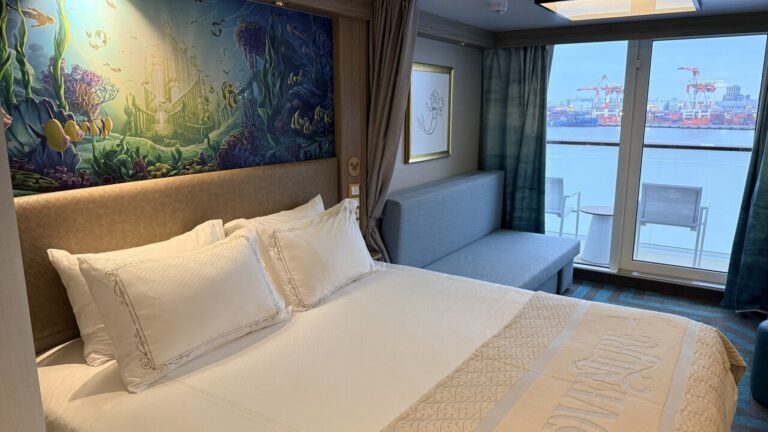
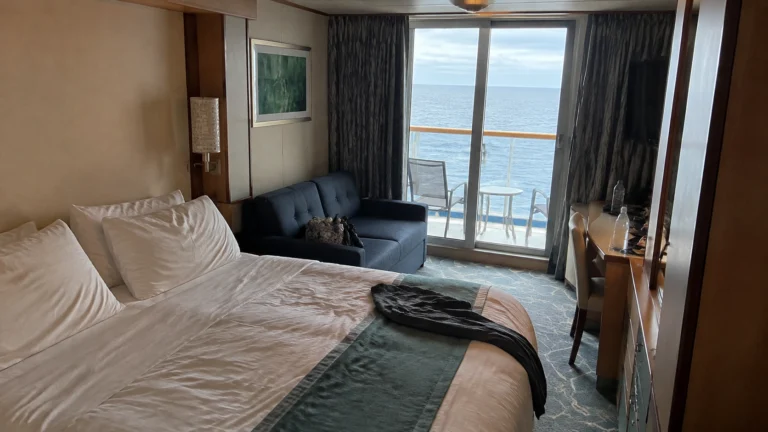
Queen Mary 2 Cabins to Avoid: Exact Rooms and Better Choices
Queen Mary 2 cabins make more sense once you stop treating a higher deck as an automatic upgrade.
Lifeboat-obstructed Deck 8 balconies, sheltered balconies, Deck 6 ceilings, and balcony-free Q3 suites each solve a different crossing priority.
Short version:
- Start here: Deck 8 DB, DC and DF: the obstruction is part of the product.
- Compare carefully: Sheltered balconies: the lower deck can be the smarter balcony.
- Watch for: Deck 6: Kings Court and public-deck activity are directly above.
- Better choice: Q3 Royal Suites: luxury without a private balcony.
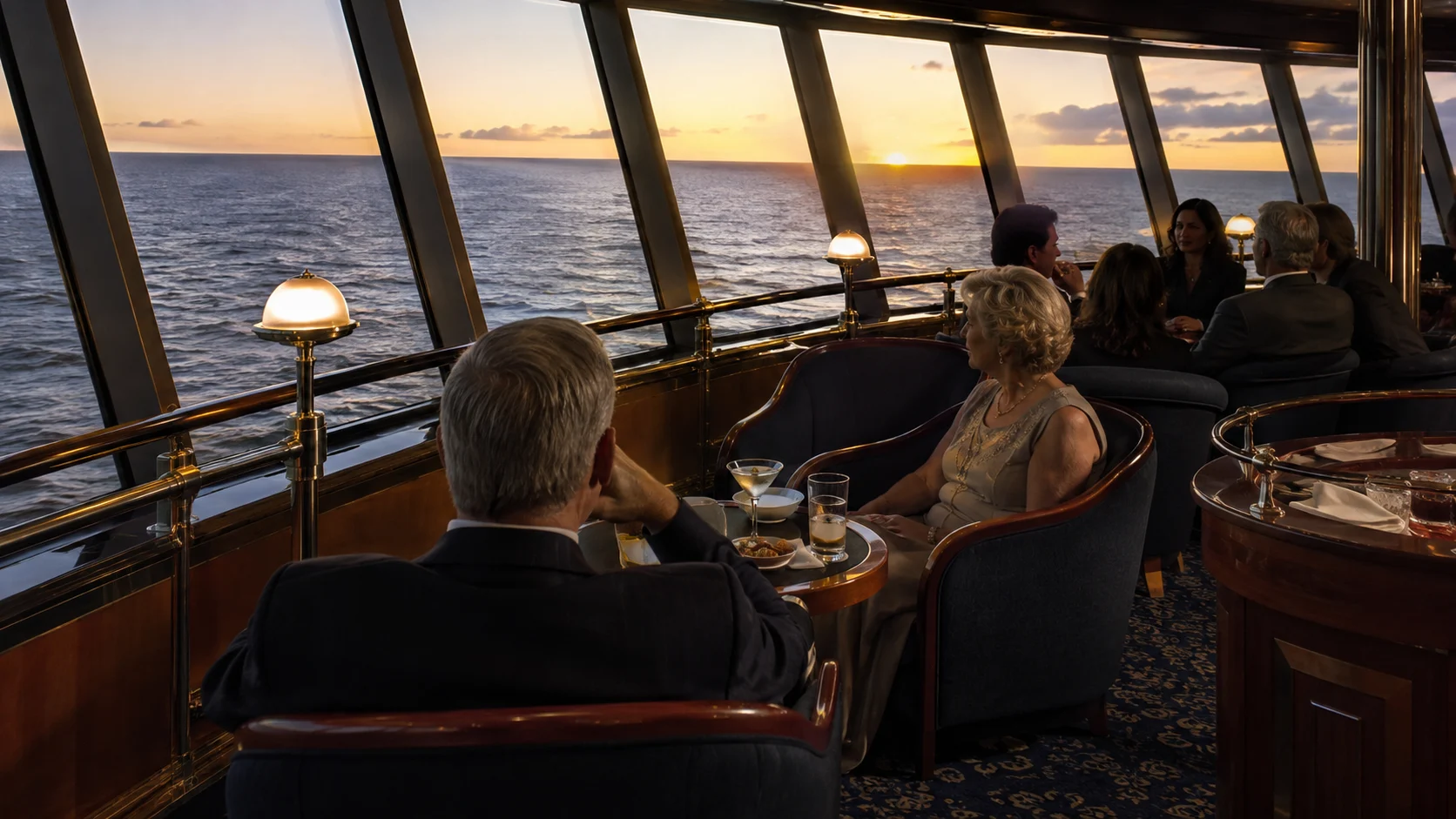
Deck 8 DB, DC and DF: the obstruction is part of the product
DB and DC midships and DF forward on Deck 8 as Britannia Balcony Staterooms with obstructed views. Lifeboats are the main reason these rooms deserve a closer look before paying for the balcony.
Cabins 8086 and 8088 are two DB examples with lifeboats or other ship structure interrupting the view. Do not pay the same fare for one of these as for a comparable clear-view balcony when the horizon is the reason for upgrading.
The obstruction does not affect every room identically. A lifeboat directly across the balcony can be very different from a cabin closer to a gap, and the downward view may be more affected than the horizon.
Ask what remains visible from a chair and what opens up when standing. A discounted obstructed balcony can still be a good buy for fresh air on a crossing, especially when the outdoor space matters more than a picture-perfect view.
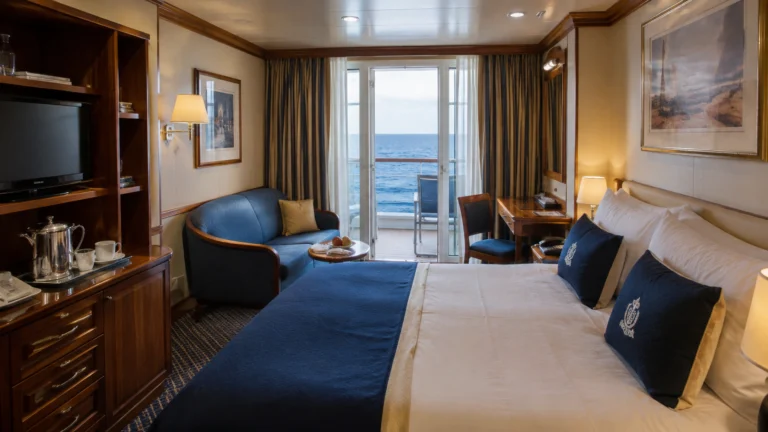
If scenery is the priority, compare a clear Britannia balcony before paying. If weather protection is the priority, you can also compare a sheltered balcony on Deck 4, 5 or 6 rather than assuming the higher room is automatically the better upgrade.

Sheltered balconies: the lower deck can be the smarter balcony
Queen Mary 2’s sheltered balconies sit behind large openings cut into the steel hull. Categories BU and BV are midships, BY is aft and BZ is forward across Decks 4, 5 and 6.
The design creates a more enclosed seated view because the lower half is solid steel. Standing at the opening feels much more open, while the recessed position provides more shelter than a conventional exposed balcony.
On a cool or windy Atlantic crossing, you can often choose the sheltered balcony on purpose. The outdoor space is more likely to feel usable when conditions are less inviting, even though the view from a low chair is not as dramatic.
Deck 5 is my favorite place to start because it keeps the sheltered design while placing accommodation above and below much of the cabin run. Deck 6 needs a closer ceiling check against Deck 7 public spaces, and Deck 4 needs a look at the public rooms below.
If your cruise is a warm-weather itinerary and you expect to spend hours staring at the horizon, a clear glass-front balcony may be more satisfying. The cabin guide can help separate shelter, daylight and open-view priorities before the fare decides for you.
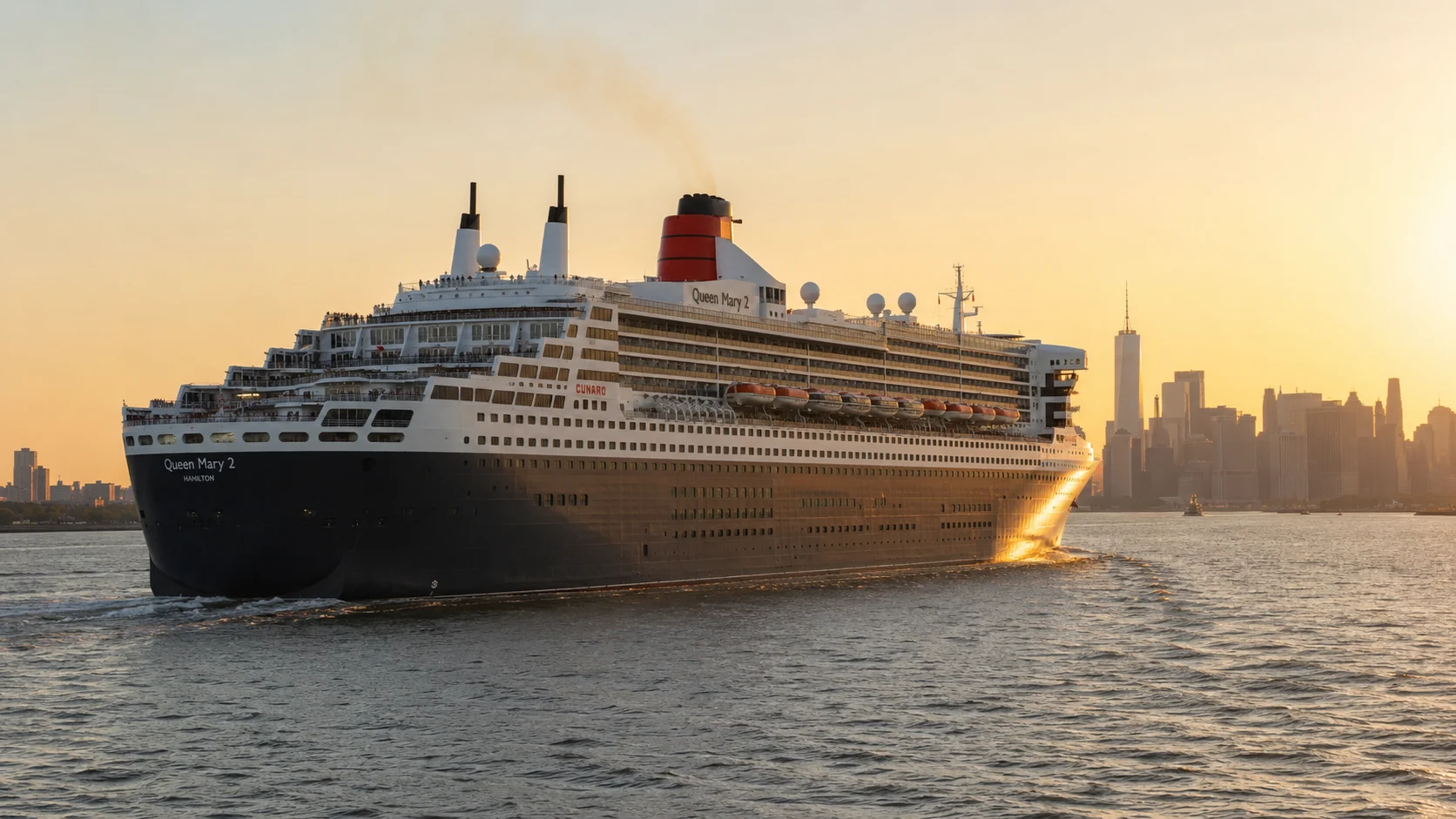
Deck 6: Kings Court and public-deck activity are directly above
Deck 6 looks attractive because many sheltered balconies sit in a convenient middle height, but Deck 7 above is one of Queen Mary 2’s major public levels. Kings Court, promenade space and other public routes occupy different parts of that deck.
Be cautious for a light sleeper when the exact cabin sits beneath active dining or circulation space. Chairs, carts and footsteps are plausible overhead issues, while a quieter edge can make another Deck 6 room perfectly reasonable.
That is why you should not blacklist all of Deck 6. Match the room to the exact surface above, then compare a Deck 5 sheltered balcony when the fare and position are similar.
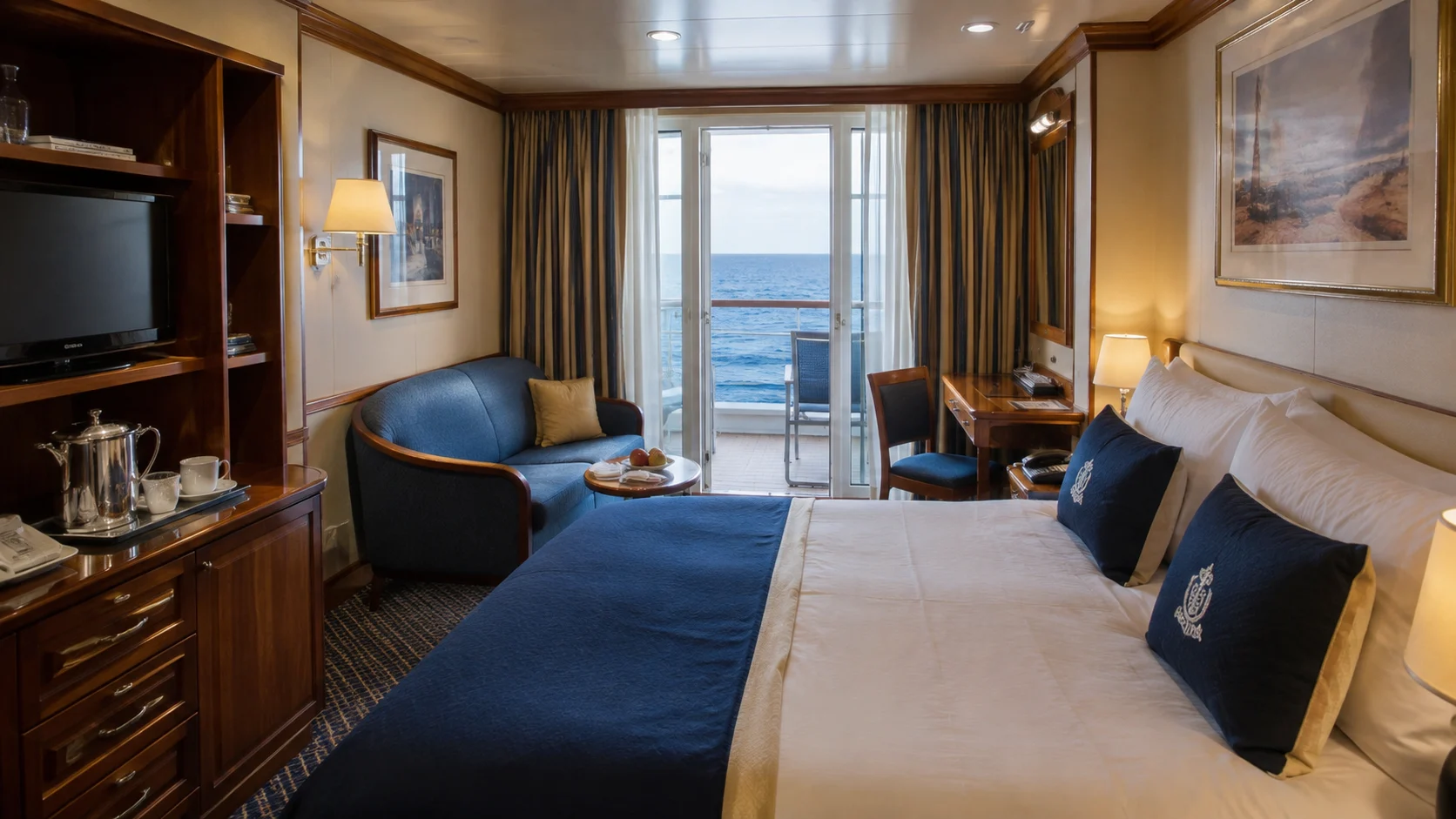
Q3 Royal Suites: luxury without a private balcony
Q3 Royal Suites do not have private balconies. The suite still buys the Queens Grill experience and substantial interior space, but the lack of private outdoor space is a meaningful physical exception.
Skip Q3 when stepping outside privately is part of the reason for paying suite money. Consider it when the larger interior, forward outlook and Queens Grill dining experience are more important than a balcony.
Compare a Queens Suite or Penthouse with a confirmed balcony before assuming the higher-sounding suite name is the best fit. On Queen Mary 2, the category can change your dining experience as much as the bedroom itself.
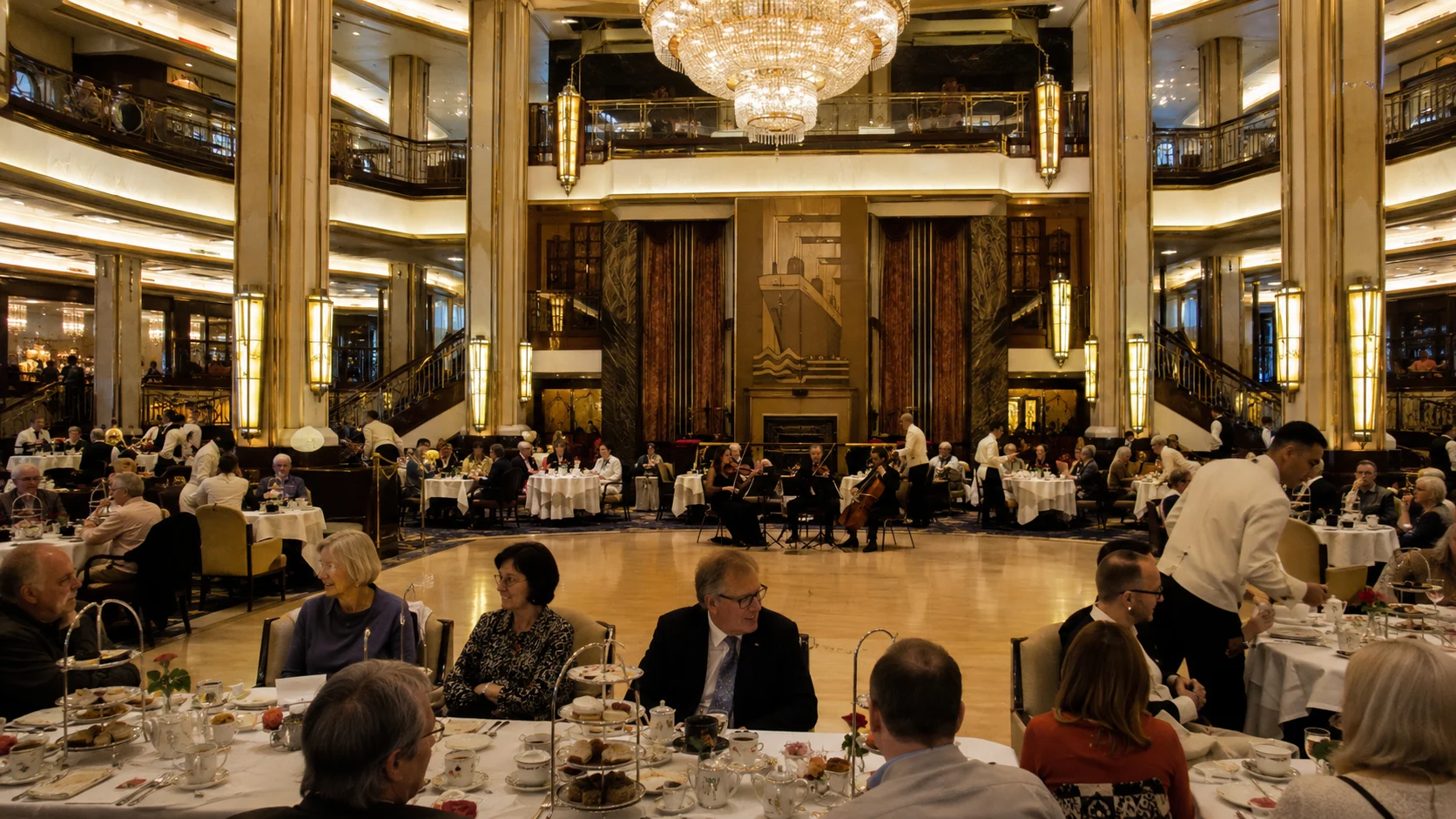
Britannia Club is a dining upgrade as much as a cabin upgrade
Queen Mary 2 ties the main dining restaurant to the accommodation grade. Britannia Club changes the dining experience and flexibility, while Princess Grill and Queens Grill move into their own restaurant and lounge packages.
Pay for Britannia Club when the dedicated restaurant experience improves every evening of the crossing. Do not assume the category automatically buys the quietest ceiling, most open balcony or most central location.
Price the dining benefit separately from the physical room. A well-positioned ordinary balcony can be the better buy when Britannia dining already suits you.
Motion: choose lower and midships when you do not know your tolerance
Queen Mary 2 is built for ocean crossings, but the ship cannot cancel the laws of motion. A high forward or hard-aft room can still feel more movement than a lower cabin nearer the center.
For a first crossing or someone who already knows movement bothers them, start lower and near midships. A Deck 5 BU or BV sheltered balcony is a particularly sensible combination of position and weather protection.
Feel free to move higher or farther toward an end when a particular suite, wake view or open balcony is the reason for sailing. This is a traveler-fit decision, not a claim that a certain cabin will feel rough in every sea state.
Atrium View HB cabins are not Ocean Views
HB cabins on Decks 5 and 6 look into the Grand Lobby rather than out to sea. That can bring useful daylight and people-watching, but it is not a substitute for an exterior window if ocean scenery is what you want.
Choose one for someone who likes the interior architecture and wants something more interesting than a conventional Inside. Do not pay extra expecting natural ocean light or visual privacy from the public atrium.
Guarantees and upgrades can undo careful cabin selection
A guarantee fare only makes sense when every eligible room in the booked grade works. Do not give up room control after deciding that a clear balcony, midship position or specific sheltered category is essential.
Cunard’s upgrade process creates the same issue in reverse. A higher grade can move you away from the location or balcony style you chose, so you can bid only when the entire offered category is an improvement for this traveler.
What to book on Queen Mary 2
For an ordinary transatlantic crossing, start with a selected BU or BV sheltered balcony near midships on Deck 5. It gives you a lower central position, weather protection and a simpler residential stack.
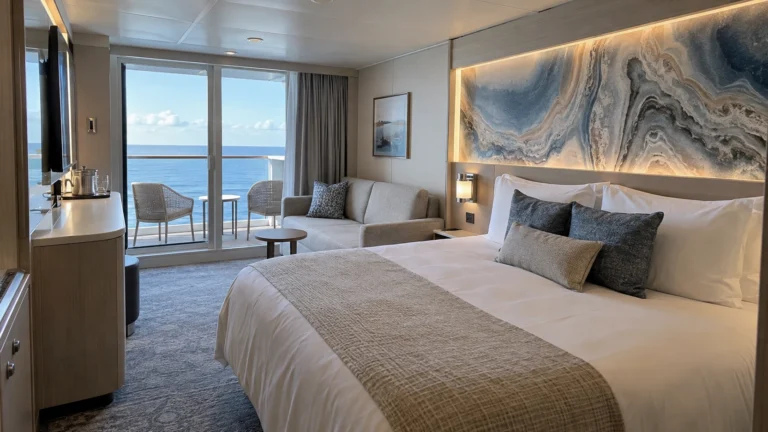
For an open seated horizon, choose a clear glass-front balcony instead and confirm the exact sightline. Use DB, DC or DF only when the saving is large enough that the lifeboat obstruction no longer feels like a bad trade.
For suite travelers, you can let the dining package, outdoor space and exact position decide rather than the suite hierarchy alone. Q3 is a good example of why the expensive category can still omit the one feature a traveler cares about most.
On Queen Mary 2, treat a sheltered balcony, Deck 8 obstruction, and Q3 interior as three different products. The strongest choice follows the crossing weather, motion position, and need for private outdoor space rather than grade alone.
Use the ship page with the deck plan and room guide to distinguish Queen Mary 2’s sheltered balconies, Deck 8 lifeboat views, and suite layouts before choosing by grade.
The best cabins and deck guide clarify the cabin while the dining guide and ship tips help decide whether a lower sheltered room or a Grills-focused route better fits the crossing.
Continue planning with the things to do, pros and cons.
How this guide was researched:
Recommendations weigh Queen Mary 2’s room layouts, dining access and sea-day routines against different travelers’ priorities. Confirm the exact cabin, sailing-specific deck plan, prices and operating arrangements before booking.
Check the plan for your departure
The 2027 refit changes some accommodation and public-space layouts, so choose the plan applicable to your departure. Keep any room recommendation tied to its category, position and actual neighbors rather than an old photo alone.
Make the Queen Mary 2 crossing decide the cabin
For a cool Atlantic crossing, a sheltered balcony can be more useful than a higher glass-front balcony because the hull opening provides protection. For a warm itinerary, the clearer seated horizon may deserve more weight.
Match Deck 6 rooms to the exact Deck 7 footprint and compare Deck 5 when the fare is close. That single ceiling check preserves the sheltered-balcony advantage without treating every cabin on the deck as identical.