Msc Seashore Pros and Cons: Who Should Book It?
MSC Seashore is one of those ships where two people can sail the same week and come home describing completely different cruises.
The outdoor waterfront design, Bridge of Sighs, Pirates Cove, family spaces, Ocean Cay itineraries, and aggressive pricing can make it a fantastic value, but buffet chaos, slow elevators, inconsistent standard-class service, and the enormous gap between regular cabins and Yacht Club are impossible to ignore.
Short version
- Best reason to book: Seashore is designed to remind you that you are actually on the ocean.
- Another strong point: Pirates Cove makes Seashore a much easier sell to kids.
- Biggest tradeoff: The buffet is where the beautiful-ship illusion can collapse fastest.
- Think twice if: Main dining can be slow enough to change your evening plans.
- Bottom line: Book Msc Seashore when its signature strengths sound exciting, not simply because it is newer or larger.
Before booking, browse the ship page, deck plan, and onboard guide so the cabin and activities match your priorities.
My Seashore verdict before the details
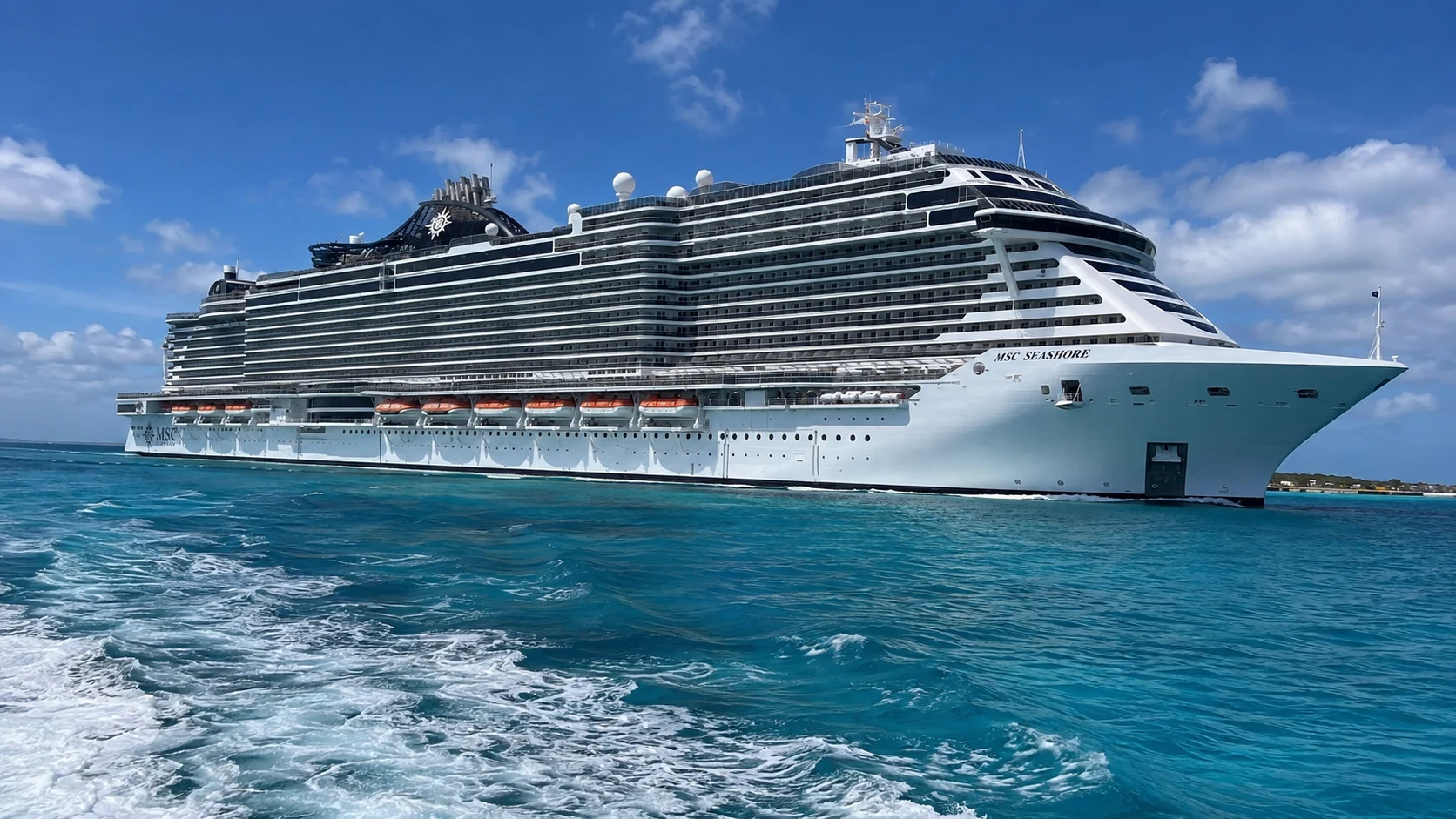
- Best reason to book: you want a large modern Caribbean ship with lots of outdoor space and the fare is meaningfully below Royal Caribbean’s comparable family ships.
- Best family feature: Pirates Cove Aquapark, especially for school-age kids who will actually use the slides and water play.
- Best design feature: the long waterfront promenade and aft-facing outdoor spaces keep the sea visible instead of trapping everyone in an indoor mall.
- Biggest standard-class pressure point: buffet, elevator, and peak-service friction can make a beautiful ship feel much less polished than it looks.
- Upgrade worth pricing: Aurea if the premium is reasonable, Yacht Club if you actively want a ship-within-a-ship experience and the price still makes sense.
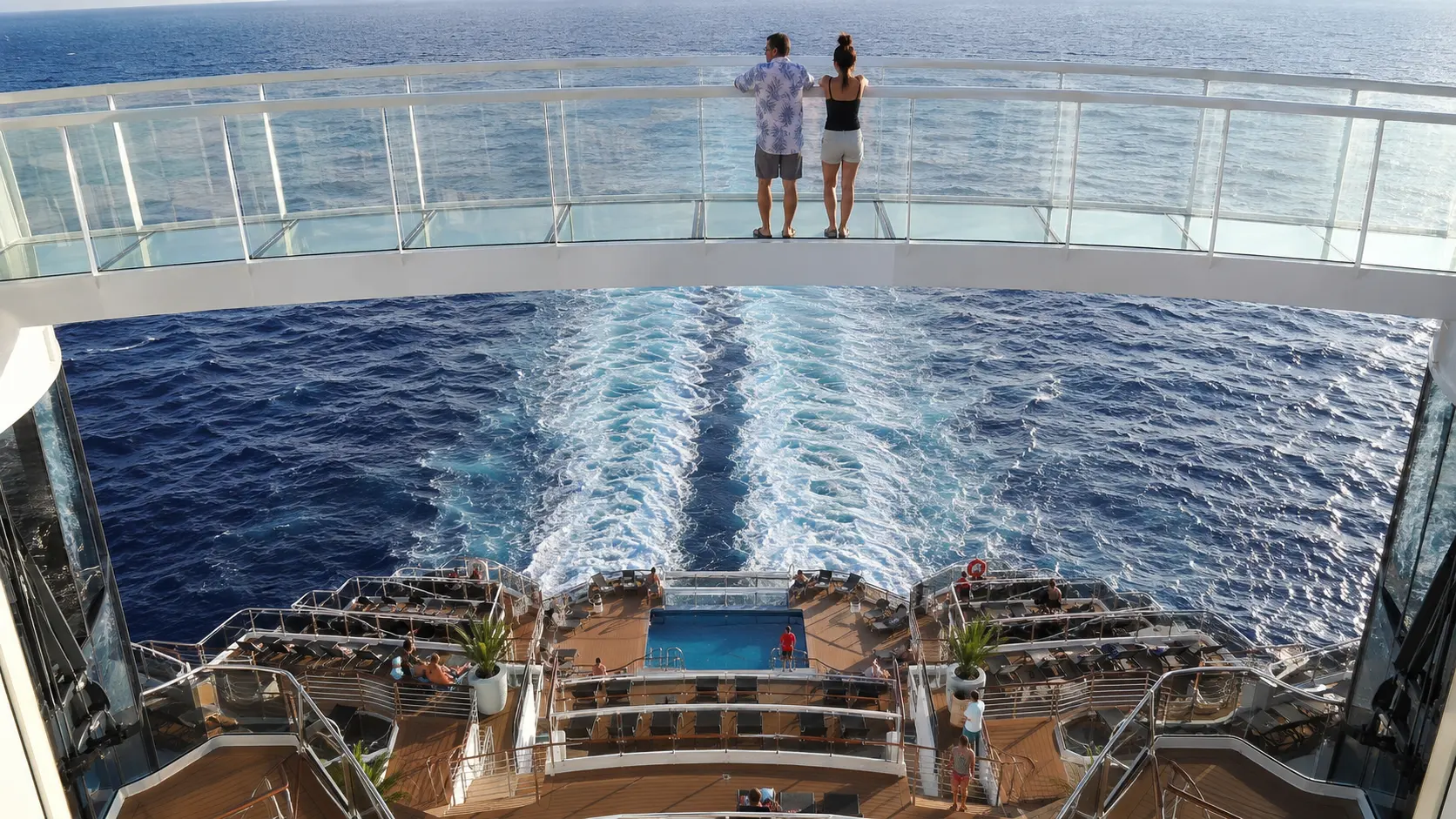
Pro: Seashore is designed to remind you that you are actually on the ocean
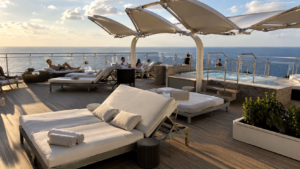
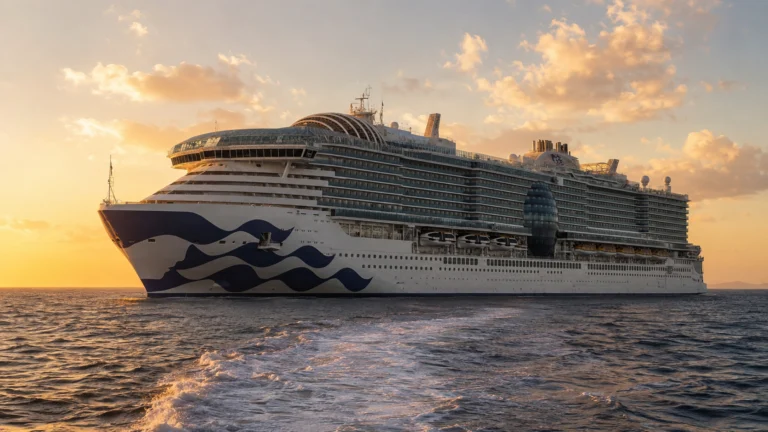
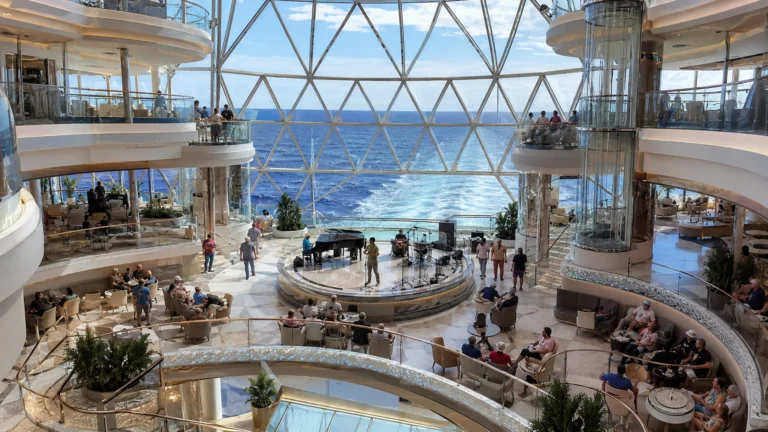
The strongest thing about MSC Seashore is the physical relationship with the water. Outdoor promenades, aft terraces, glass walkways, pools, and seating stretch along the ship instead of pushing every social space into an enclosed central corridor.
That matters more in the Caribbean than another chandelier does. You can walk outside after dinner, find a seat overlooking the wake, move between indoor and outdoor bars, and spend large parts of a sea day without feeling like the ocean is merely decorative wallpaper outside your balcony.
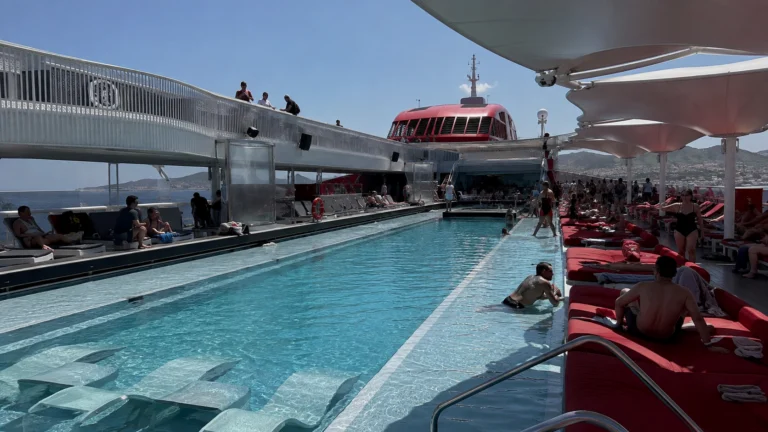
The Bridge of Sighs is the obvious photo spot, suspended high above the aft pool with glass beneath your feet. The photograph takes thirty seconds; the better feature is the entire aft design that gives the stern more usable public life than many conventional ships.
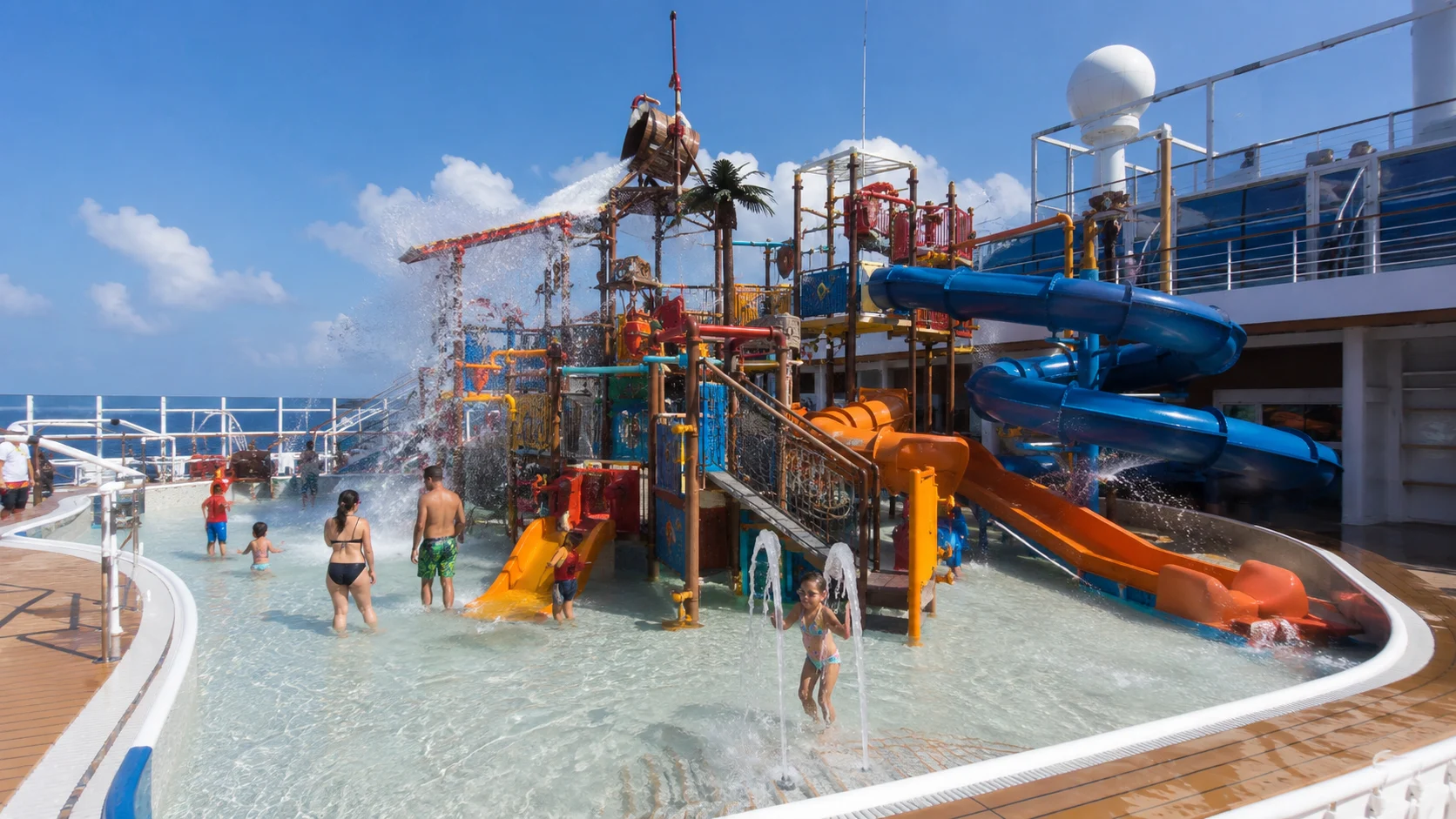
Pro: Pirates Cove makes Seashore a much easier sell to kids
Pirates Cove Aquapark gives families a real water-play zone with slides, splash features, and enough going on that children can spend a meaningful chunk of a sea day there. That is far more useful than advertising one waterslide as though every child can happily ride it for six hours.
Families also get kids clubs, arcade-style entertainment, sports, pools, theater shows, and the surrounding outdoor spaces, so the water park is part of a broader activity ecosystem. Families can love the ship itself even when dining or service feels inconsistent.
Check height rules before promising specific slides to a younger child. Cruise vacations become unnecessarily dramatic when a parent spends six months saying “you are going on the big slide” and a crew member spends six seconds saying “no.”
Pro: the indoor Jungle Pool is better bad-weather insurance than the deck plan suggests
Seashore’s covered indoor pool area becomes much more valuable when rain, wind, or cooler weather makes the exposed decks unpleasant. A family mega-ship needs somewhere to absorb people when the outdoor plan fails, and the Jungle Pool gives you swimming, seating, and a warmer enclosed environment rather than sending everybody to the buffet.
This is particularly useful on shoulder-season sailings or itineraries where the first and last day can be cooler than the postcard Caribbean weather in the middle. Do not choose Seashore only for this feature, but absolutely count it when comparing another outdoor-heavy ship.
The indoor space can obviously become crowded when the weather is bad because thousands of passengers have discovered the same backup plan. It solves the “nowhere to go” problem, not the “nobody else exists” problem.
Pro: Ocean Cay can make the itinerary feel like an extension of the ship
When Seashore itineraries include MSC Ocean Cay Marine Reserve, treat that as part of the value calculation rather than just another port. MSC controls the destination, which means the day fits the line’s product more naturally than a random commercial port call.
Ocean Cay can become one of the highlights of the cruise, especially with a long or evening call. Beaches, water, lighthouse views, and the ability to move between ship and island create a more relaxed day than negotiating transportation and excursions somewhere unfamiliar.
If the itinerary is mostly selling you Ocean Cay plus ship time, Seashore can be a strong value. If your priority is destination depth in several ports, a giant family resort may be more hardware than you need.
Con: the buffet is where the beautiful-ship illusion can collapse fastest
The Marketplace buffet can become one of Seashore’s most frustrating pressure points. Expect chaotic crowd flow and repetitive choices at the busiest times, while pizza and the broader selection can still work well for an easy meal.
The more consistent problem is peak-time logistics. Breakfast and lunch can turn into a table hunt, lines form around popular stations, and a dining room designed to feed thousands inevitably feels less elegant when everyone wakes up hungry at 8:30 a.m.
Do not use the buffet as the automatic answer to every meal. Eat early or late, use sit-down breakfast when your schedule allows, learn which smaller included options are open, and stop entering Marketplace at the busiest possible moment expecting a private-club atmosphere.
Pizza is generally a safer bet if your family likes MSC’s style, even when other meals feel inconsistent. Every ship needs one reliable “we are too tired to debate this” meal, and pizza can do heroic work.
Con: main dining can be slow enough to change your evening plans
Main-dining dinners can run long, with uneven pacing when the ship is full. Dining-room service can vary by sailing, so treat it as a staffing variable rather than assuming every meal will be slow.
The practical problem is that a two-hour dinner can collide with theater times, kids-club plans, and tired children. Do not schedule a must-see show fifteen minutes after the time you optimistically imagine dessert will appear.
Aurea’s more flexible dining arrangements can be useful here if that benefit is included for your fare and sailing. This is one reason to compare the actual Aurea premium instead of dismissing MSC’s experience tiers as marketing alphabet soup.
Con: elevators become a predictable pressure point
Elevator waits are most frustrating around dinner, shows, embarkation, and port returns. The ship has a lot of vertical activity and enough passengers to make a perfectly ordinary elevator bank feel like a negotiation.
If you can comfortably take stairs for two or three decks, you will save time. If someone in your group relies on elevators, choose a cabin that reduces repeated vertical trips and avoid placing them as far as possible from the venues they use most just because the balcony was $80 cheaper.
Accessibility and convenience are not the same thing. A step-free route can still include waiting for multiple full elevator cars, which is why exact location matters more than a generic accessibility symbol on a deck plan.
The biggest pro and con: Yacht Club changes the ship dramatically
MSC Yacht Club on Seashore is not simply a suite category. Dedicated restaurant service, lounge, concierge, private outdoor space, priority, and a more protected service environment can remove several of the crowding and inconsistent attention found in standard-class areas.
That makes Yacht Club and the standard-cabin experience feel like two different versions of the same ship. Both can be accurate because the experiences are intentionally separated.
Price Yacht Club when you want a calm home base but still want the family attractions, theater, water park, and big-ship nightlife outside the enclave. Do not automatically pay the premium when the total approaches a luxury line whose entire ship offers the service level you are trying to buy inside one corner of Seashore.
Mixed groups need another warning: friends or relatives in standard cabins cannot simply wander into Yacht Club whenever everyone wants to youet. Paying for private access can become awkward when your actual vacation is supposed to be with people who do not have it.
Aurea can be the smarter middle ground
Do not treat Bella, Fantastica, Aurea, and Yacht Club as meaningless labels on Seashore because the benefits can change the way you experience peak crowds. Aurea can provide useful extras such as more flexible dining and access to a quieter sun area, depending on the package terms.
For a peak-occupancy sailing, those benefits may solve the exact problems you care about for much less than Yacht Club. On a lower-occupancy week, save the money and simply use timing to avoid the worst crowds.
Always compare the complete fare rather than starting with the cheapest Bella price and adding upgrades emotionally one screen at a time. MSC’s value can be excellent, but the bargain only exists in the version of the cruise you actually intend to buy.
Cabin choice: experience level and physical location are two separate decisions
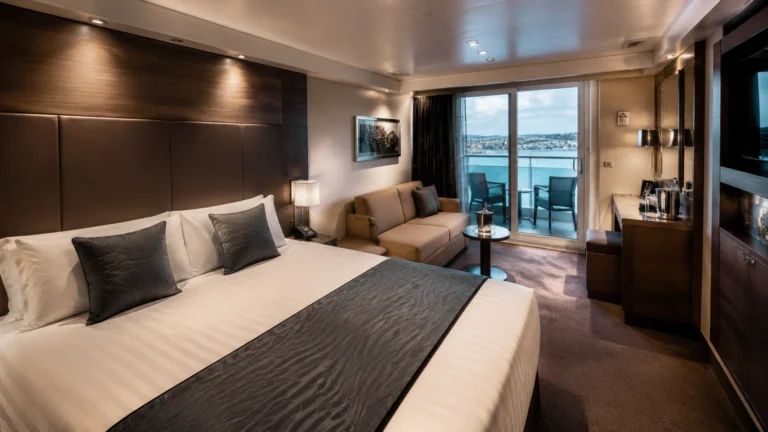
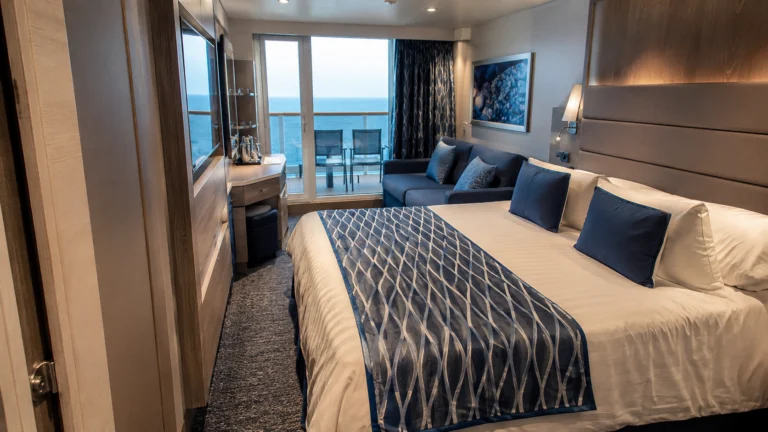
First, decide whether you need Bella, Fantastica, Aurea, or Yacht Club benefits, then choose the actual room. Doing it in the opposite order can leave you paying more for a better view while keeping the dining or crowding issue you really wanted to change.
Seashore has balconies with different overhangs, obstructions, public-area exposure, and deck relationships, so never assume every room in a category behaves the same way. Check above, below, across the hall, and what lies beyond the balcony line.
Use the MSC Seashore cabins to avoid guide before selecting a guarantee. Surrender the room number only when the discount is large enough that a noisy, distant, or less attractive location would genuinely still feel acceptable.
Who you should book Seashore for
- Families who want modern ship hardware without Icon-class fares. Pirates Cove, pools, kids spaces, outdoor decks, and entertainment give children plenty to do.
- Travelers who value outdoor connection to the sea. The waterfront and aft design are among the ship’s best features.
- People whose itinerary includes Ocean Cay. The private-island day pairs naturally with Seashore’s resort style.
- Travelers willing to buy Aurea strategically. A moderate upgrade can directly address dining and quiet-space concerns.
- Yacht Club shoppers who still want a giant family ship outside the enclave. Few cruise products create that contrast quite as clearly.
Who should choose another ship
- Travelers who need consistently personalized service in standard accommodations. Experiences vary too much for that to be the safest expectation.
- People who hate buffet and elevator crowds. Timing helps, but those are real Seashore pressure points.
- Food-first cruisers who judge the trip mainly by main dining. Dining is too inconsistent to make cuisine the main booking reason.
- Adults wanting a quiet premium cruise everywhere. It may make more sense to start with a calmer ship instead of buying your way into calmer corners.
- Anyone confused or irritated by fare tiers before booking. MSC requires more homework than a simpler one-price product.
How to book MSC Seashore
First, compare a standard balcony, Aurea balcony, and Yacht Club option for the exact same date, then compare those totals with MSC World America and a Royal Caribbean family ship. The goal is not finding MSC’s cheapest fare; it is finding the experience level that solves your actual vacation.
Choose a cabin that minimizes repeated elevator dependence and then build meal timing around the obvious rush periods. Breakfast slightly earlier, lunch after the first wave, and one or two planned dining-room or specialty meals can remove a surprising amount of buffet frustration.
Give Ocean Cay real weight in the itinerary decision and use the MSC Seashore dining guide before buying any package. A specialty plan should improve meals you want, not serve as an expensive escape from a buffet you have not even tried yet.
Finally, leave some outdoor evening time open. The best thing about Seashore is its connection with the sea, and a vacation scheduled entirely inside restaurants and theaters manages to miss the ship’s strongest design choice.
Continue planning with the cruise tips, things to do.
How this guide was researched: This guide was checked against the cruise line’s current ship pages, deck plans, venue listings, and published policies. Details can change by sailing, so confirm booking-sensitive prices, hours, access rules, and cabin assignments before payment.
The final verdict
MSC Seashore is easier to recommend when you understand exactly what makes it good: generous waterfront space, an excellent family water-play area, an indoor pool, strong value on many dates, and a Yacht Club product that can turn a busy mega-ship into a much calmer vacation.
It is harder to recommend blindly because the standard experience can involve chaotic buffet periods, long elevator waits, slow dining, and service that varies noticeably between sailings. Pick the experience tier, cabin, and meal strategy deliberately, and Seashore can be a bargain; buy the cheapest fare and expect frictionless premium service, and the ship can feel like a very beautiful lesson in expectations.
Plan your Msc Seashore cruise
Use the cabins to avoid, best cabins, and deck guide to turn the broad pros and cons into a confident room choice.