Carnival Breeze Deck-by-Deck Guide: Best Decks and Routes
Carnival Breeze has one of those layouts that clicks quickly once Promenade, the quiet cabin decks, and Lido fall into place.
Pick the right height and part of the ship, and your favorite meals, pools, and evening plans become pleasantly easy to reach.
Short version
- Best all-around deck: Deck 7 midship is buffered by cabins and sits comfortably between Promenade and Lido.
- Best for quiet: Deck 7 or 8 keeps public venues away from most cabin ceilings and floors.
- Best for motion sensitivity: Choose a lower, midship cabin on Deck 1 or 2.
- Best for pools: Deck 9 gives quick stair access after a careful overhead check, while forward Deck 10 is even closer.
- Best distinctive balcony: A Deck 2 cove balcony feels close to the water, but what sits overhead on Deck 3 matters.
The Breeze layout is refreshingly simple
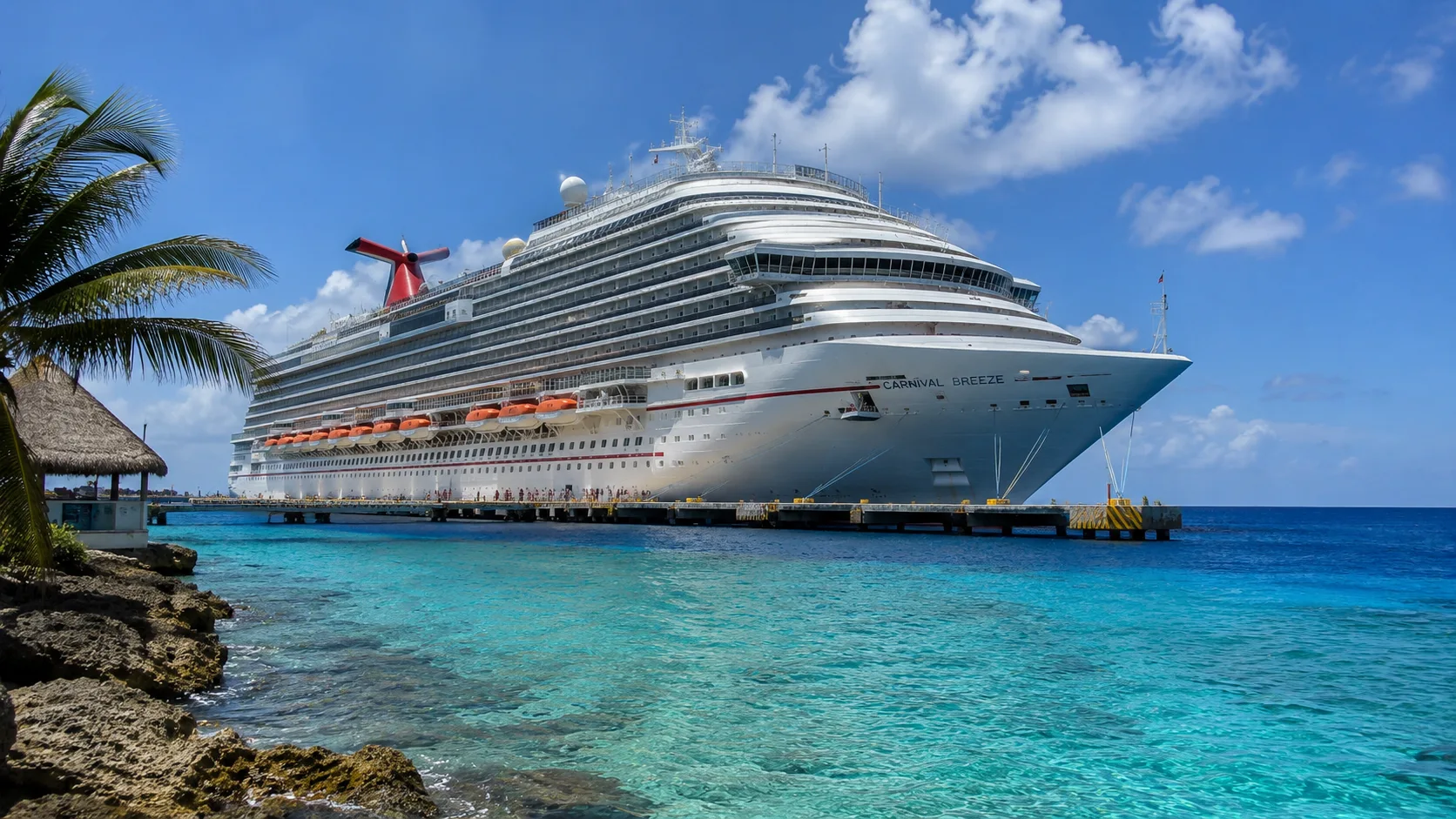
Breeze is a Dream-class ship, so the daily geography is much more straightforward than on the newest Carnival ships. Decks 3 through 5 carry most of the indoor evening action, decks 6 through 9 are heavily residential, Deck 10 is Lido, and the spa, sports, WaterWorks, and Serenity areas rise above that.
That makes the middle cabin decks unusually easy to recommend. You do not need a seventeen-step neighborhood strategy; you mostly want enough distance from Deck 5 and Deck 10 that neither becomes part of your room.
My mental map is Promenade on 5, quiet cabin sweet spot around 7, and Lido on 10. If you remember those three numbers, most of Breeze immediately makes sense.
Keep the Breeze deck plan open while comparing rooms. The Breeze ship page is also useful when deciding which cabin category and onboard spaces fit your trip.
Deck 1: low, stable, and better for port days than pool days
Deck 1 is mostly lower accommodation and works well for travelers who care about motion sensitivity. Being low and closer to the center of the ship generally reduces the amount of movement you feel compared with a high cabin at the bow or stern.
The obvious trade is vertical distance. Deck 10 is nine floors above, so breakfast, pools, and WaterWorks become elevator trips rather than quick stair runs.
Consider Deck 1 for a port-heavy itinerary, a budget interior, or someone who gets seasick easily. Do not choose it for a family that expects to spend half the cruise in swimsuits.
Deck 2: cove balconies are the reason to pay attention
Deck 2 is where Breeze offers one of Carnival’s most distinctive cabin types: the cove balcony. These sit much closer to the water than standard balconies and have more hull structure around the opening, which gives them shade and a surprisingly cozy feeling.
A cove is a lovely choice when the goal is watching the ocean rather than looking down at a pool deck. The water sounds louder outside, the view feels more immediate, and the balcony is usually shaded instead of baking in direct sun all afternoon.
The problem is Deck 3 above. Some Deck 2 cabins sit under the galley or active dining areas, and early-morning prep can mean carts, dropped equipment, or chairs before you planned to wake up.
For a cove balcony, compare the exact cabin to Deck 3 and choose one under a quieter public space rather than under the main galley. Cove balconies are great; 3:00 in the morning kitchen percussion is less of a selling point.
Deck 3: lobby and dining make this useful, not quiet
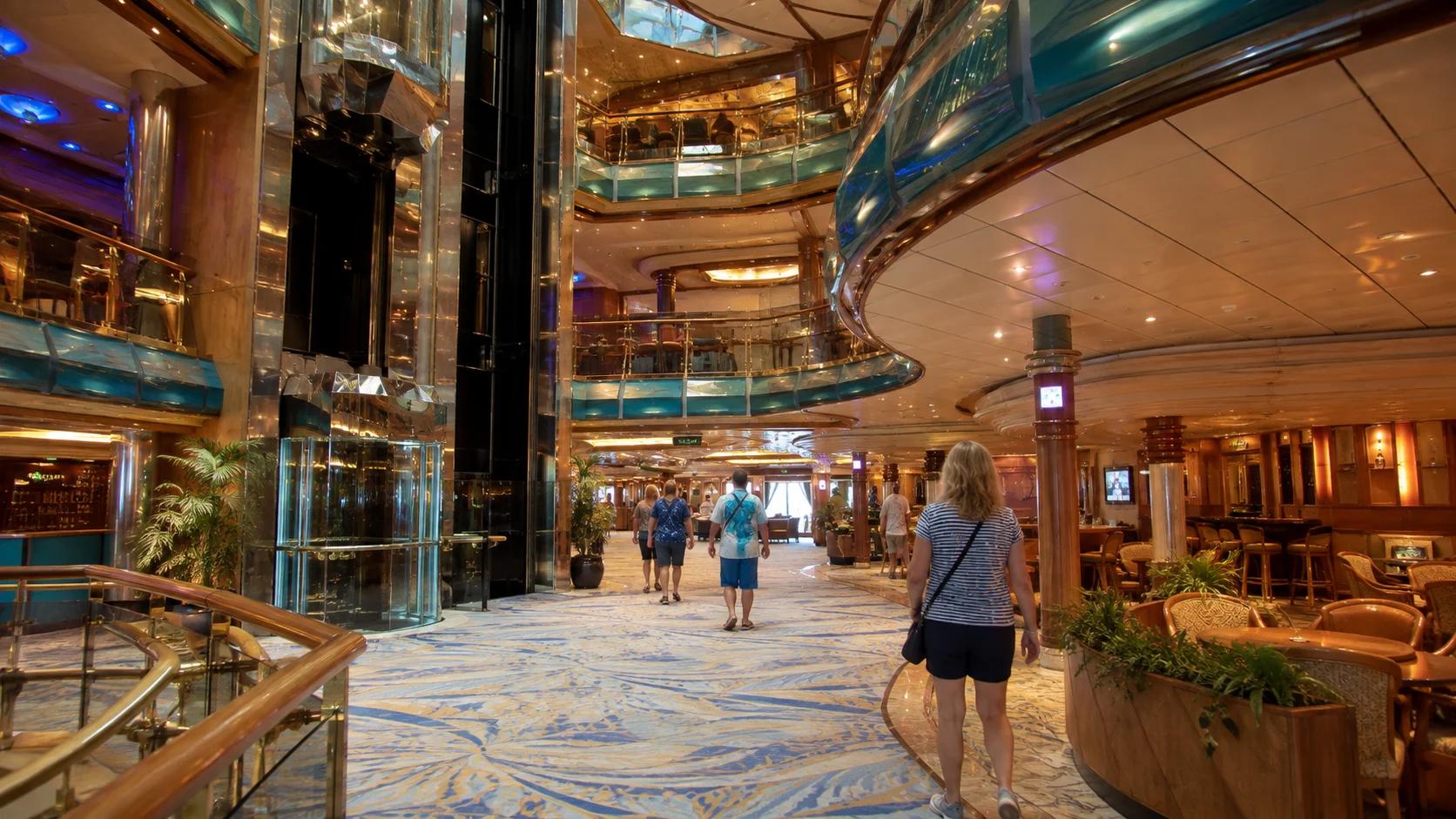
Deck 3 contains the lobby and major dining activity, so this is a floor you will visit repeatedly without needing to memorize every venue. Dinner and port-day traffic make it active in waves rather than constantly crowded.
This deck matters most when you are evaluating the Deck 2 cabin below. A dining room ceiling is very different from a galley ceiling, even though both show up as giant public blocks on a tiny deck-plan image.
You can also use the atrium as one of the easiest orientation points. Once you know where the glass elevators sit relative to your cabin, the lower ship becomes much harder to get lost in.
Deck 4: comedy, theater, and the “where did everybody come from?” effect
Deck 4 continues the evening public-space band with entertainment, lounges, and theater access. Like most ships, the real crowd problem is not the number of people overall; it is several hundred people finishing the same show at the same time.
If you are leaving a comedy set or theater show, walking one flight before calling an elevator can save time. Better yet, grab a drink nearby and let the first wave disappear.
This is another reason Deck 7 works so well. Most of the evening world is only three floors away, which makes stairs realistic even when every elevator suddenly develops a fan club.
Deck 5: the Lanai makes Promenade more useful than a normal indoor corridor
Deck 5 is one of Breeze’s best public decks because the Promenade spills outside onto the Lanai. Ocean Plaza, bars, dining, outdoor seating, and hot tubs create a low outdoor route that feels very different from the main Lido deck.
This is where you can spend a lot of late afternoon and evening time. The Lanai lets you sit closer to the water without fighting for a chair around the central pool, and Ocean Plaza gives the area an indoor-outdoor social rhythm.
The downside shows up for Deck 6 cabins above. Balconies can lose privacy because people are sitting or walking on the Promenade below, and some cabins can hear music or public-space activity depending on location.
Deck 5 is wonderful for a visit, but be careful about paying extra to sleep directly above it. A good view down onto a public walkway is still a view down onto people looking back up.
Deck 6: convenient, but it is better to move one floor up
Deck 6 begins the main residential band and is very close to Promenade activity below. That can be fantastic if you are a night owl who wants to walk downstairs for bars, music, and comedy.
For a light sleeper, what sits below on Deck 5 matters. A cabin over a quiet shop or corridor may be perfectly fine, while one over live music or a busy venue can remind you that sound travels upward with impressive enthusiasm.
If Deck 7 costs the same, take Deck 7. One extra flight of stairs buys another layer of residential insulation and almost no real inconvenience.
Deck 7: the strongest cabin deck on Carnival Breeze
Deck 7 midship gets the cabin-location formula exactly right. You have cabins above and below, Deck 5 is two floors down, and Lido is three floors up.
Deck 7 is the calmest all-around pick because you avoid the bars, clubs, galley, and Lido machinery while staying close enough to use stairs. That deck geometry matters more than any vague “higher decks have better views” sales pitch.
Midship also reduces motion, which helps if someone in the room gets seasick. Choose a balcony here before paying more to move to Deck 9 under the buffet.
If you want the one-sentence answer to “where should I stay on Breeze?” it is Deck 7, reasonably close to an elevator bank, with no connecting door unless you need one.
Deck 8: almost the same sweet spot, with a slight Lido advantage
Deck 8 remains surrounded by cabin floors and moves you one flight closer to Deck 10. For families or pool-first travelers, that can make it even more appealing than Deck 7.
Deck 7 has a tiny edge for balance because Promenade and Lido are almost equally reachable. Deck 8 wins if breakfast, pool time, and WaterWorks are clearly more important than evening bars.
Both are far better sleep bets than blindly accepting a “higher deck upgrade” without checking what is overhead. Cruise-line pricing and cabin quality are not always the same thing wearing different hats.
Deck 9: great stair access to Lido, but check the ceiling
Deck 9 is one floor below Lido, which makes it extremely convenient for coffee, breakfast, pizza, the pool, and buffet without waiting for an elevator every time hunger strikes.
The downside is exactly the same fact. Some cabins sit under buffet or outdoor seating where chairs move, cleaning starts early, and footsteps continue after you have gone to bed.
The noise risk is cabin-specific rather than deck-wide: some rooms sit under quieter footprints while others can pick up chair scraping or service movement. Choose the exact room based on what sits on Deck 10 above.
If Deck 7 or 8 is available for the same price, that is the sleep-first choice. If you have kids and live at Lido, a carefully chosen Deck 9 cabin can be worth the trade.
Deck 10: Lido cabins are more practical than they sound
Deck 10 is the main Lido level, but the cabins sit forward away from much of the central pool and buffet traffic. That separation keeps the actual cabin corridors calmer than the phrase “room on Lido” suggests.
The convenience is excellent. You step out, walk toward the pool, and breakfast is suddenly not a transportation problem.
The tradeoff is motion and horizontal distance. High-forward cabins feel more movement than Deck 7 midship and can be a long walk from aft dining or lounges.
Choose a Lido cabin for a pool-focused cruiser who does not get seasick. For someone who spends evenings downstairs, Deck 7 still wins.
Deck 11: Camp Ocean and upper Lido
Deck 11 has Camp Ocean forward, the Lanai around the upper atrium area, and public spaces overlooking Lido. The middle and aft portions are active rather than residential, so treat this as a daytime destination instead of a quiet cabin deck.
Use the midship stairs for the main pool and the aft route for the upper buffet and Tides Pool area. Families using Camp Ocean repeatedly should remember its forward location before returning to a cabin at the opposite end.
Deck 12: Cloud 9 Spa, WaterWorks, and sports
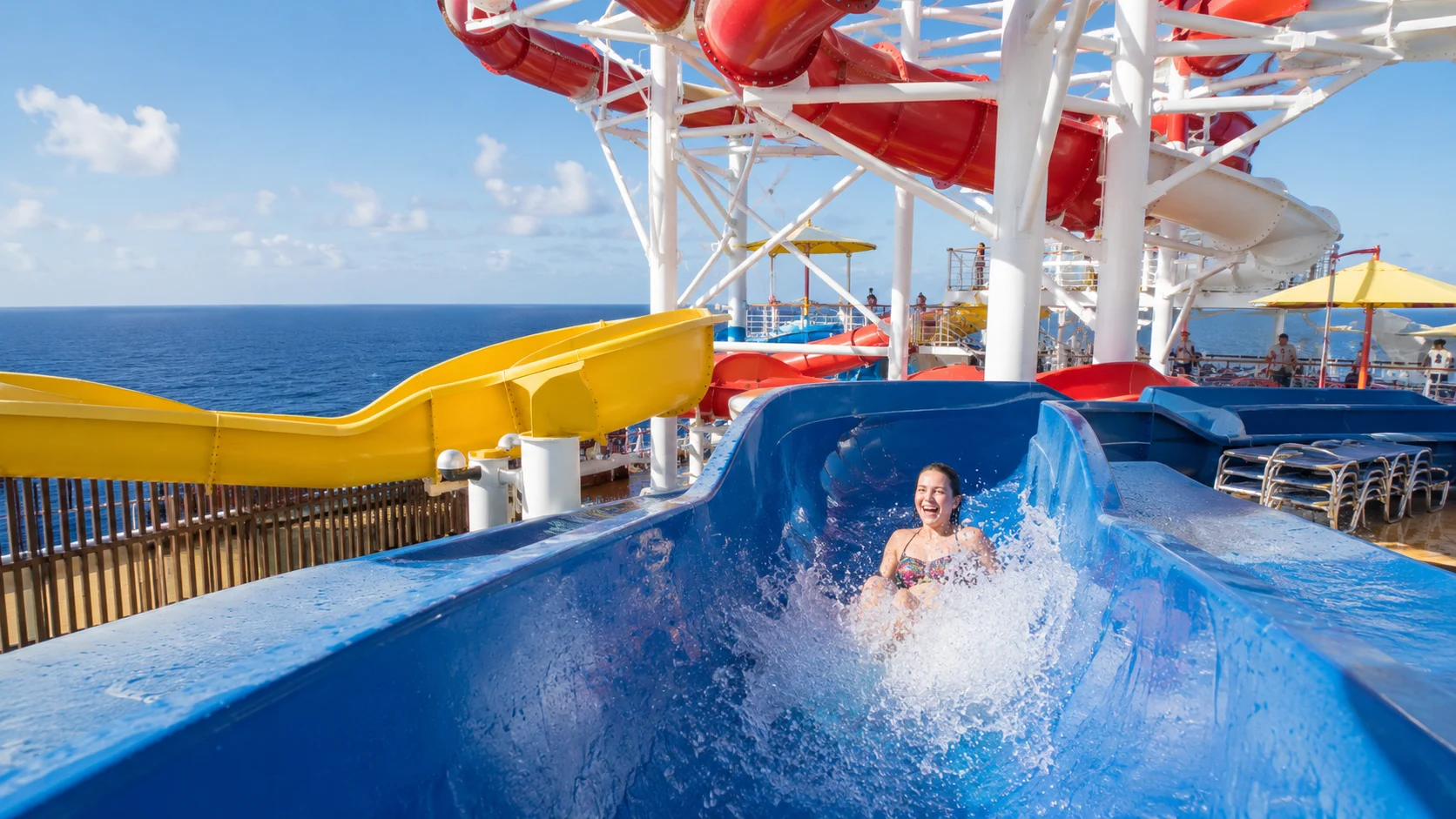
Deck 12 concentrates the Fitness Center, Cloud 9 Spa facilities, and spa accommodations forward. Camp Ocean, Carnival WaterWorks, mini golf, the ropes course, and SportSquare fill much of the middle and aft outdoor space.
Spa accommodations can make sense for someone who plans to use the thermal suite and wellness facilities repeatedly. Do not pay a location premium simply because “spa deck” sounds peaceful; high-forward positioning can still mean more motion.
Families with kids who love the slides may value this upper location, but Deck 8 remains the quieter place to sleep before walking up. WaterWorks is fun enough without needing to hear the vacation begin outside the hallway.
Deck 14: the upper spa level
Breeze skips Deck 13 and continues with a compact forward Deck 14. The salon and additional Cloud 9 Spa treatment rooms occupy this level, reached from the forward spa area below.
This is not a continuous deck running to the stern, so cross the ship on a lower level before going up. Use Deck 14 for appointments rather than as a shortcut between forward and aft attractions.
Deck 15: Serenity is the adult reset button
Serenity sits high and gives guests age 21 and older a quieter outdoor alternative when the main Lido deck becomes too busy. Locate it early instead of discovering it after several afternoons of fighting for calm.
The height also means wind can become part of the experience. If conditions are rough, Deck 5’s Lanai may actually be the better outdoor escape because it sits lower and more sheltered.
That pairing is one of Breeze’s underrated strengths: you have adult quiet high up and low outdoor promenade space when the top deck is windy.

Forward, midship, or aft on Breeze
Midship is the best default because it balances walking and reduces motion. Aft works well for cruisers who care about aft dining and quieter wake views, while forward favors the theater, spa, and Lido cabins.
It is better to be close to one elevator bank than perfectly centered halfway between them. Breeze is a long ship, so a “midship” cabin can still be an impressively committed hallway walk from the nearest stairs.
Motion-sensitive cruisers should stay lower and closer to center. Pool-focused cruisers can move higher; just do it because the route helps, not because a booking screen tells you Deck 10 is more prestigious.
Best Breeze decks by traveler
- Best overall: Deck 7 midship.
- Best pool-family compromise: Deck 8.
- Best for Lido convenience: a carefully selected Deck 9 cabin or a forward Deck 10 cabin.
- Best distinctive balcony: a Deck 2 cove with a quieter space on Deck 3 above.
- Best for light sleepers: Deck 7 or 8 with cabins above and below.
- Best for motion sensitivity: lower-midship, even if it means using elevators for the pool.
Continue planning with the cruise tips, pros and cons.
How this guide was researched: This guide was checked against the cruise line’s current ship pages, deck plans, venue listings, and published policies. Details can change by sailing, so confirm booking-sensitive prices, hours, access rules, and cabin assignments before payment.
How to learn Carnival Breeze
Start at the atrium, walk up through the lower entertainment decks, and then spend time on Promenade Deck 5 so you see how the Lanai wraps around the ship. After that, ride to Deck 10 and locate the pool, buffet, WaterWorks route, and stairs closest to your cabin.
That gives you the whole ship in one sentence: nightlife and Lanai below, cabins in the middle, Lido and slides above. By the second day, you should barely need the deck map.
For step-free routes and cabin requirements, review Guest Access before booking. The upper spa and recreation levels do not always connect as directly as the long passenger decks below.
For specific rooms, compare the best cabins with the cabins to avoid. Then use the dining guide and things to do guide to decide which end of the ship deserves the easiest route.