Disney Adventure Tips, Secrets & Things to Know: The Advice That Actually Helps
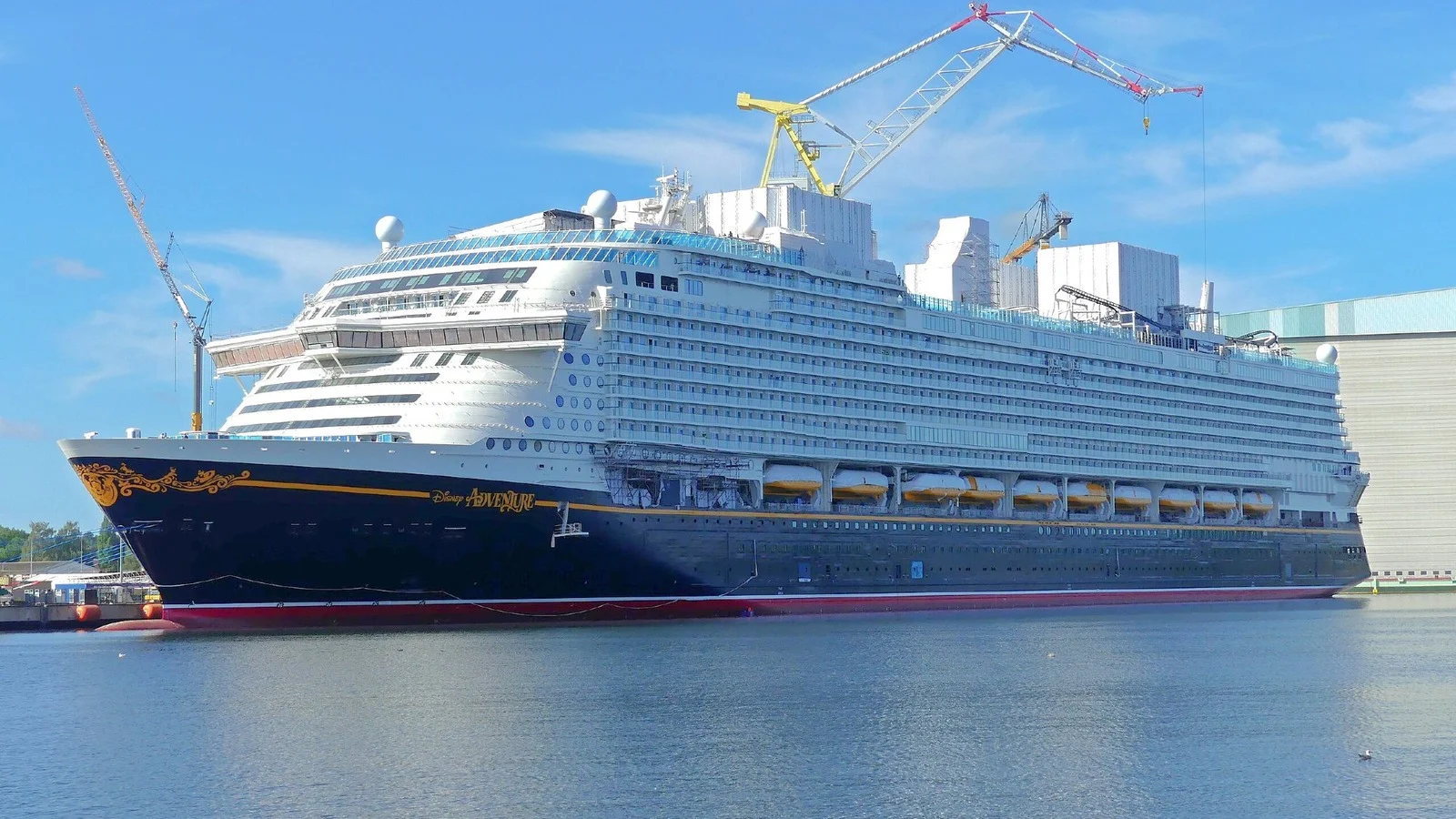
Disney Adventure is not just a bigger Disney ship.
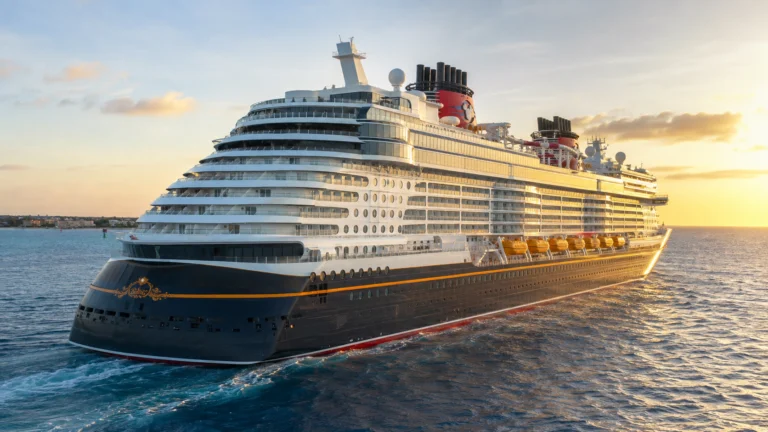
It is a 208,000-ton, Singapore-based destination-at-sea with no normal port day to thin out the crowds, a layout inherited from a very different original design, and more attractions than you can sensibly fit into three or four nights.
Short version
- Best first move: The first secret is accepting that there is no port day coming to rescue your schedule.
- Worth planning: Learn six deck numbers and ignore the other thirteen for now.
- Easy win: If Ironcycle is a must-do, treat it like one.
- Important tradeoff: The overlooked attraction to check before Ironcycle: Hiro Training Zone.
- Cabin strategy: Choose a Disney Adventure cabin near the spaces you will repeat, then check the rooms and venues directly above and below it.
The first secret is accepting that there is no port day coming to rescue your schedule
Disney Adventure’s regular Singapore sailings are three or four nights at sea, returning to Singapore without traditional port calls. That means the ship is the destination every single day, and everybody else onboard knows it too.
On a normal Caribbean cruise, you can tell yourself you will ride the popular attraction while half the ship is ashore tomorrow. On Adventure, tomorrow those people are still here, wearing Mickey ears and having exactly the same idea.
Therefore check Adventure’s activity-booking rules and choose three true priorities before sailing. For you, that would be a Marvel attraction such as Ironcycle Test Run, a major show such as Remember, and the themed area you most want to experience after dark.
Everything else is bonus territory. This ship is much too large for a short sailing to become a completion challenge.
Learn six deck numbers and ignore the other thirteen for now
Adventure’s navigation is the complaint you should take most seriously. Several areas do not connect as intuitively as you expect, elevators get busy at peak times, and some routes are easier if you go up or down a deck instead of trying to force a straight line across the ship.
The easiest fix is to stop trying to memorize nineteen decks. Begin with Decks 5, 6, 7, 10, 17, and 18 because those levels hold a huge amount of the public-space life most first-time guests care about.
- Decks 5 and 6: theater, shops, lounges, dining, and major indoor circulation.
- Deck 7: San Fransokyo Street and another useful public-space anchor.
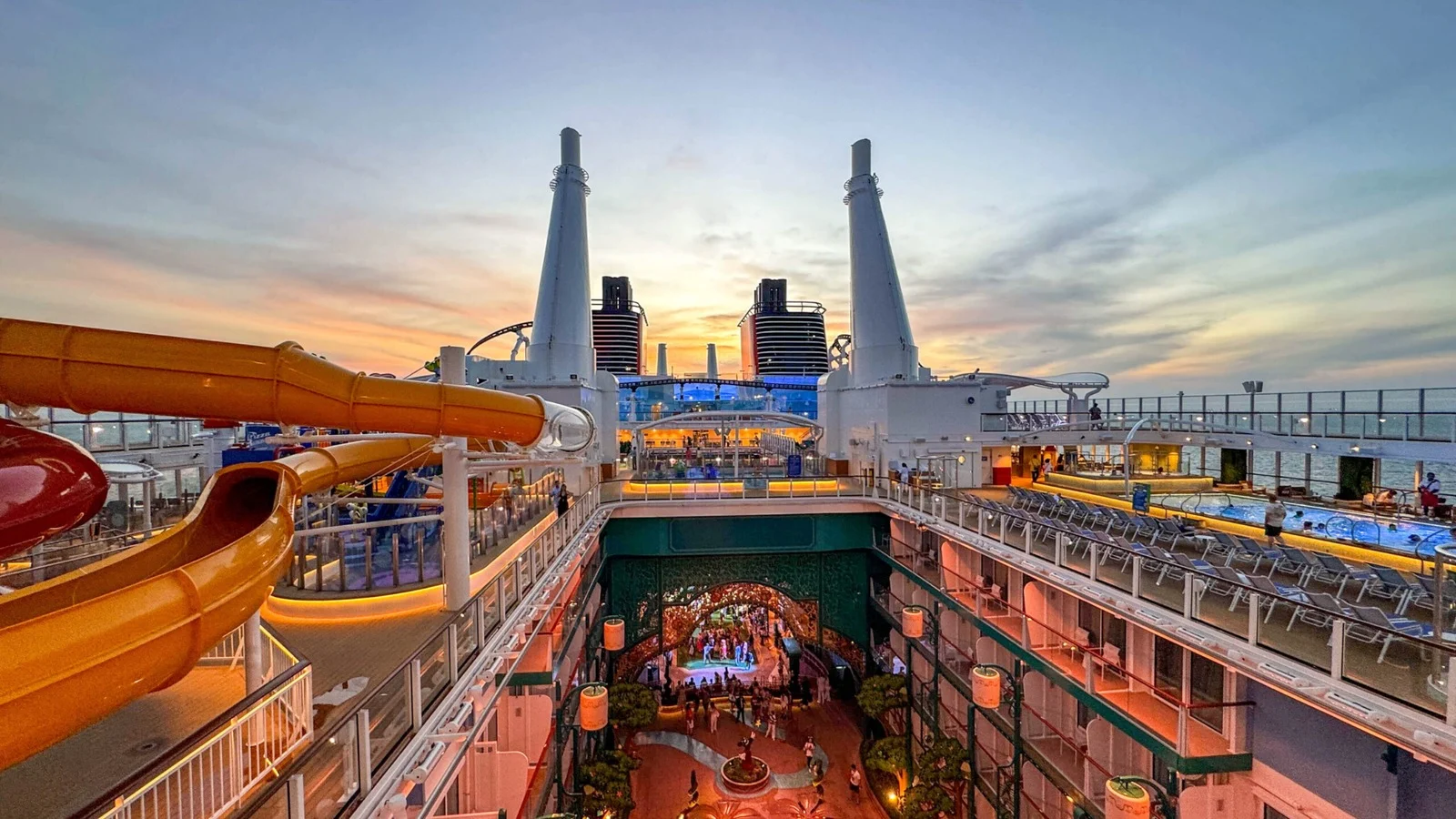
- Deck 10: Imagination Garden, Garden Stage, Discovery Reef, shows, and casual food.
- Deck 17: the main upper-deck pool life.
- Deck 18: Marvel Landing attractions and high-deck experiences.
Once those are familiar, the rest of the ship starts attaching itself to your mental map. You do not need to know where everything is; you need to know how to get from your cabin to the six places your family keeps repeating.
If Ironcycle is a must-do, treat it like one
Ironcycle Test Run is Disney Cruise Line’s first roller-coaster-style attraction at sea, and it is one of the obvious reasons people book Adventure. It also attracts exactly the kind of line you would expect when thousands of guests have no port excursions competing for their attention.
Ironcycle waits can become very long, and operations can pause for checks. If riding matters to you, try early in the cruise rather than saying “we’ll get it tomorrow” until tomorrow becomes luggage night.
Look at the line in person and set a limit before joining. A two-hour wait is a perfectly rational choice for the teenager who has talked about Ironcycle for six months and a terrible choice for the adult who thinks roller coasters are merely transportation with bad judgment.
The two other Marvel Landing rides can be useful alternatives, especially with younger kids. Do not let one famous attraction make the entire upper deck feel like a failure if its line is ugly.
The overlooked attraction you should check before Ironcycle: Hiro Training Zone
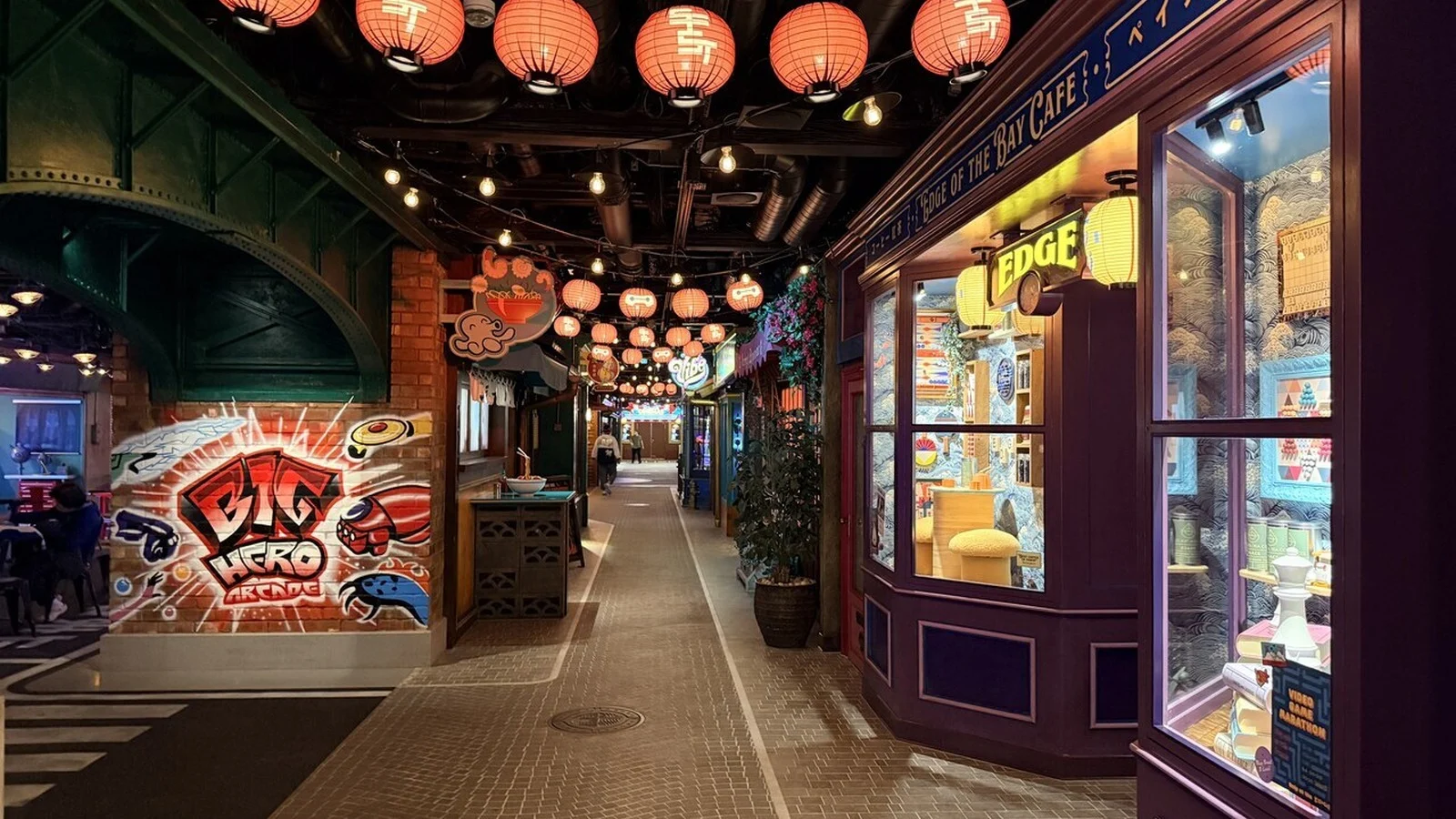
San Fransokyo Street has one of the easier-to-overlook family activities on the ship: Hiro Training Zone. It does not have the visual drama of a coaster suspended high above the ocean, which is exactly why you should scout it while everybody else is photographing the big rides.
If your family likes interactive challenges and playing together, this can be more fun than standing in a marquee-attraction line. Check the day’s operating rules and availability because programming can change by sailing.
San Fransokyo is also worth visiting when you are not doing anything. The neon, storefronts, and Big Hero 6 styling make it one of those areas that photographs better after you stop treating it as a route to somewhere else.
Go once in daylight and once after dark. The second visit feels far more atmospheric, and nobody had to reserve it.
Remember and Avengers Assemble are the shows you should protect first
Remember and Avengers Assemble are the first two productions you should build an evening around if your group enjoys Disney stage shows and Marvel spectacle. They are strong enough, and different enough from each other, to justify protecting time for both on a short sailing.
Remember is the more traditional emotional Disney-theater pick, while Avengers Assemble turns Imagination Garden into a large outdoor action show. They scratch very different itches, which is another reason you should not choose only one category of entertainment.
For Avengers Assemble, arrive early enough to understand the sightlines. The Garden Stage area is large, but standing behind a taller adult when your child is three feet seven inches tall is not technically an immersive Marvel experience.
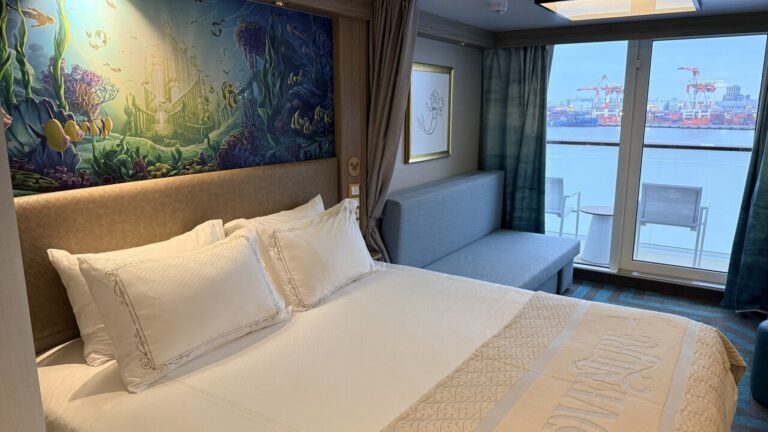
If you have an Imagination Garden-facing stateroom with a usable view, some cabins can offer an unusual perspective on activity below. That is a cabin-specific perk, not something you should assume from the category name alone.
Disney Seas the Adventure and Moana: Call of the Sea are also worth checking, but on a three-night sailing you should resist filling every evening with fixed seating times. Leave one stretch open for whatever the ship convinces you to care about once you are onboard.
Moana outdoors means the weather is part of the show
Moana: Call of the Sea is staged at Wayfinder Bay, which makes the setting part of the appeal. It also means sun, heat, humidity, and tropical weather are not abstract concepts happening somewhere beyond a theater wall.
For a daytime performance, you can bring a hat, sunscreen, and water, especially with young kids. There is no prize for making a preschooler sit in direct tropical sun because the show technically starts in eight minutes.
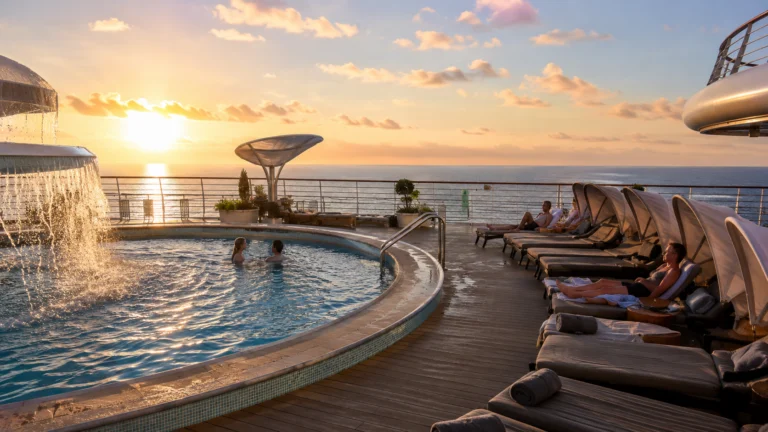
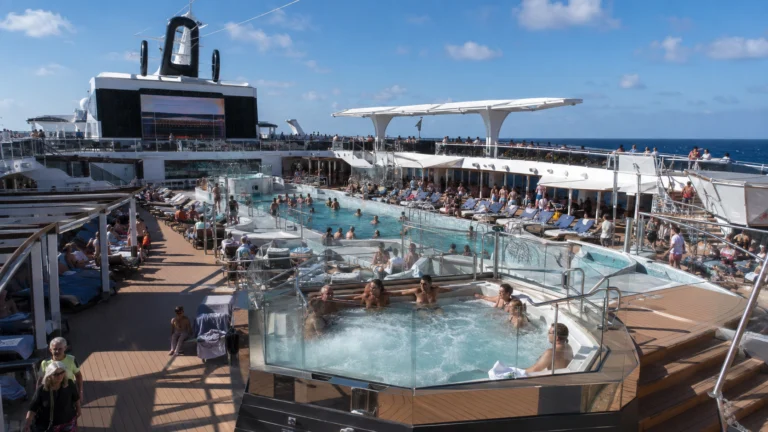
Wayfinder Bay is also one of Adventure’s more relaxed pool areas, with plenty of places to sit when a performance is not happening. That makes it a useful counterweight to the ship’s louder themed zones.
That is a recurring theme on this ship: the same space can feel completely different between programmed events. If somewhere seems overwhelming, come back when it is not now trying to entertain 2,000 people.
Eat the food that makes Adventure different from the rest of Disney’s fleet
Adventure’s casual dining is one of the easiest places to make the cruise feel specific to Singapore and Asia rather than like Disney Cruise Line copied a Florida ship. Deliberately seek out the venues serving regional and internationally influenced food instead of eating burgers every afternoon.
Mowgli’s Eatery is an easy recommendation if your family likes Indian flavors, while Cosmic Kebabs gives you pita, kebab, and Middle Eastern-style options. Gramma Tala’s Kitchen is another one you can look for when you want something beyond the usual American pool-deck rotation.
Stitch’s ‘Ohana Grill is there when somebody really does want a burger. The point is not avoiding familiar food; it is remembering that Adventure gives you unusually good reasons to branch out.
Do one lap of the casual-food area before ordering. With multiple counters in Imagination Garden and Discovery Reef, the most interesting thing for your family may be twenty yards beyond the first menu you see.
For late-night hunger, learn where Planet Pizza and other late-operating options are early in the cruise. Finding the reliable snack venue at 10:30 PM is much easier when you locate it at 2:00 PM while emotionally stable.
The Disney Adventure dining guide breaks down the full included and specialty lineup. Your rule here is simpler: do not sail Disney’s most Asia-focused ship and accidentally eat like you never left an airport food court.
Rotational dining is six restaurants disguised as three dinners
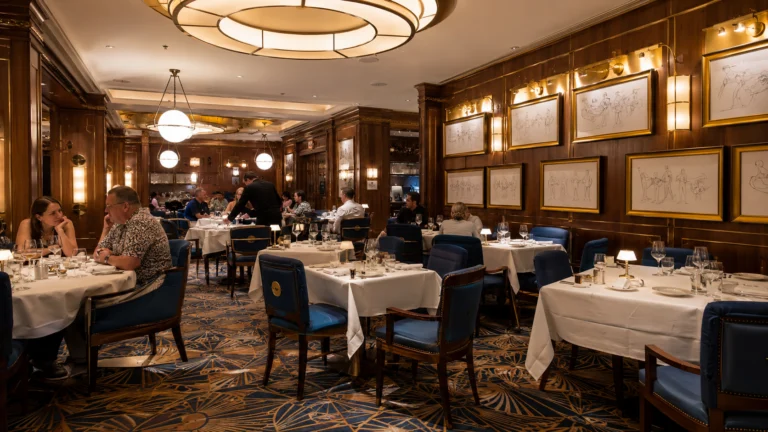
Adventure’s rotational dining is unusual because the main rotation uses paired restaurant concepts rather than three simple standalone dining rooms. You still rotate through your assigned experiences with your serving team, but the physical scale and theming can feel different from classic Disney ships.
Verify your dining time as soon as you board, especially if you have small children. The later seating can feel very late if your household normally starts bedtime before the appetizers arrive, so early seating is worth prioritizing when bedtime matters.
On the other hand, later dining can create a beautiful early-evening attraction window. Around first seating, some rides and public areas may loosen because a large chunk of families has disappeared into dinner.
That only works if your family can happily eat late. A shorter Ironcycle line is not a victory if your five-year-old spends dinner asleep against a bread basket.
Imagination Garden is best when it is not performing for you
The Garden Stage gets deserved attention, but deliberately return to Imagination Garden when there is no major show or deck event happening. Without a crowd facing the stage, the area becomes easier to appreciate as an actual environment.
Walk it after dinner or later at night when the lighting has changed. The same goes for Discovery Reef, which can feel much more immersive when you are not moving through it with hundreds of other people on their way to lunch.
This is the kind of “secret” you care about more than hidden symbols on a wall. Visit a beautiful space when everybody else is somewhere else, and suddenly the ship feels half as busy without anybody actually leaving it.
Adventure has enough themed detail that wandering slowly is an activity. Give yourself permission to do that instead of treating every walk as dead time between reservations.
The elevators are busiest exactly when you think they will be
Adventure’s huge passenger count and quirky horizontal connections make elevator strategy more important than on a smaller Disney ship. Crowding tends to spike after major shows, around dinner transitions, and when a large event empties into the same circulation area.
If you can use stairs for one or two decks, that often saves time. If you cannot, simply wait a few minutes after the event instead of entering the first wave and discovering that thirty other families also own strollers.
The bigger trick is knowing when a deck does not connect the way your intuition says it should. When you hit a dead-feeling route, stop trying to force it and look for the nearest vertical connection; sometimes the efficient path really is up, across, and back down.
That feels ridiculous the first time and normal by the third. Adventure becomes much less frustrating once you stop demanding that it behave like a ship Disney designed from a blank sheet of paper.
Adults can enjoy Adventure, but choose your retreat deliberately
This is an intensely family-centered ship, and the separation from kid-heavy areas is not always as strong as it is on a more adult-oriented premium ship. If you are sailing without children, set expectations accordingly and plan deliberate retreats rather than expecting one large adults-only district to solve the whole cruise.
Palo Trattoria and the spa are obvious grown-up escapes, while lounges and quieter seating pockets can work well when major family programming is elsewhere. The real adult trick is timing rather than finding one mythical child-free corner that solves the whole cruise.
Have a slow drink while families are at a headline show, visit Wayfinder Bay at an off hour, or explore indoor lounges when the pool deck is at peak energy. The ship’s population does not disappear, but its center of gravity moves constantly.
If you need a reliably quiet adults-only vacation, Adventure may not be the ship you can choose. If you love Disney and simply want periodic breaks from the chaos, you can absolutely build those breaks into the day.
Do not make the Royal Gathering your entire character strategy
High-demand character experiences can be difficult to secure, especially on short sailings. Try for the organized meet you care about, but do not let one unavailable slot turn into three days of refreshing an app.
Adventure is packed with characters and themed spaces, and many of the best interactions are the ones you happen upon. Pick one or two must-meet characters and treat the rest as bonus magic.
With young children, this also protects your patience budget. Standing in six character lines is still standing in six lines even if everybody involved has an excellent costume.
Use the Navigator app for live times and locations, then choose meetings that fit the area you are already visiting. Crossing Adventure solely for a five-minute photo is the kind of decision that sounds harmless until you do it four times.
Cabin location matters because there is nowhere to “take a break ashore”
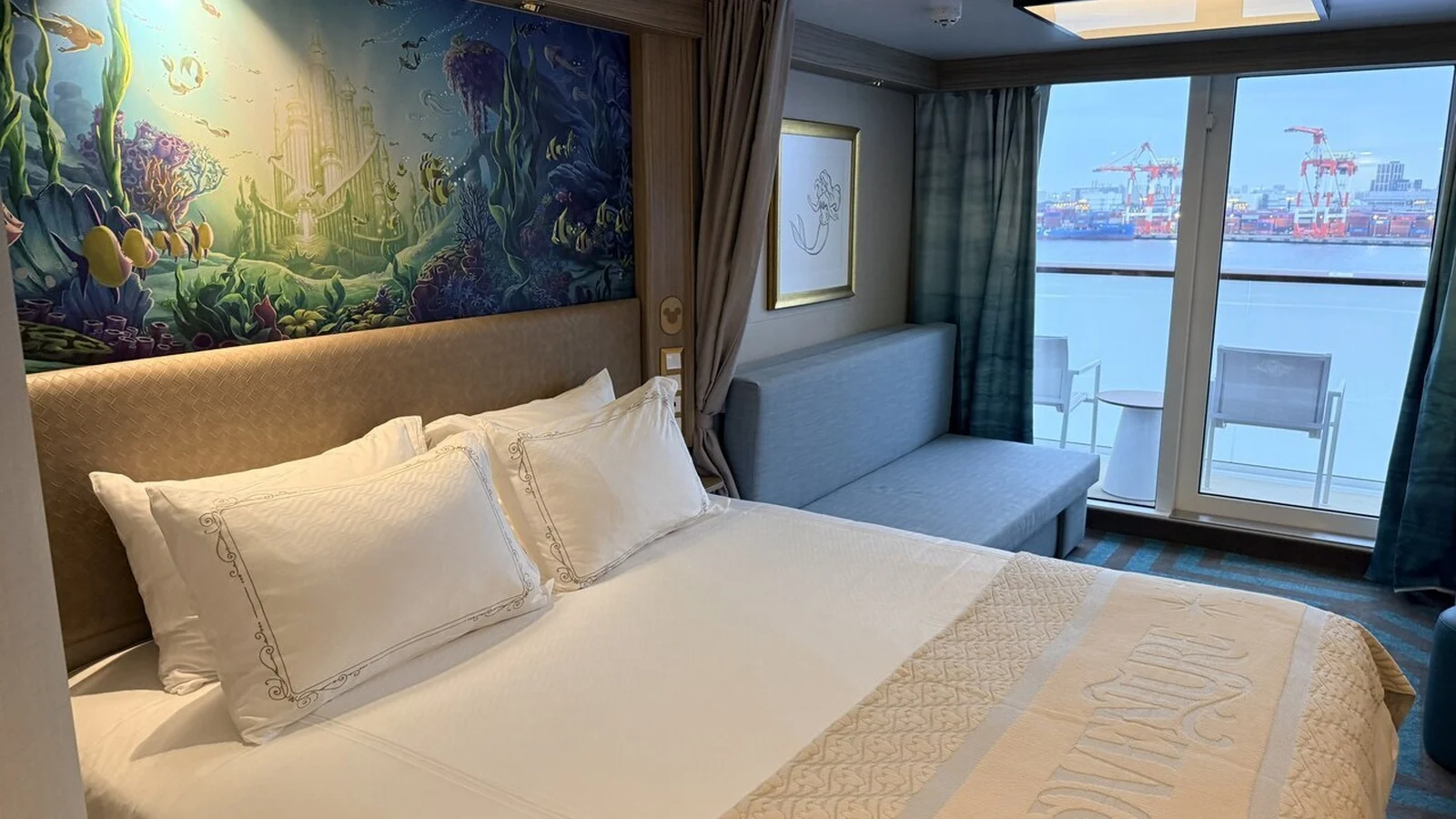
On a cruise with no traditional port days, you are using your stateroom every day while the entire guest population is also using the ship. That makes a quiet, convenient room more valuable than it might be on a port-heavy itinerary.
Pay close attention to what is above, below, and outside the cabin, plus which elevator bank serves the public areas your family repeats. A gorgeous room at the wrong end can become a daily walking program you did not knowingly purchase.
Use the Disney Adventure cabins to avoid guide for problem locations and the best cabins and suites guide for the positive shortlist. The deck-by-deck guide is especially useful because this is not a ship where “midship” solves every navigation question.
How this guide was researched: This guide was checked against the cruise line’s current ship pages, deck plans, venue listings, and published policies. Details can change by sailing, so confirm booking-sensitive prices, hours, access rules, and cabin assignments before payment.
your realistic three-night Adventure plan
On embarkation day, you can connect to the app, verify dining and any high-demand reservations, learn the route between your cabin and Decks 10, 17, and 18, then eat somewhere distinctly Adventure rather than defaulting to the first familiar option. See one evening show and wander San Fransokyo or Imagination Garden after dark.
On the first full sea day, you can attempt Ironcycle early if it mattered, spend a meaningful block of time around Marvel Landing or Family Beach, and protect Avengers Assemble or Remember. Deliberately leave the middle of the day unscheduled because this ship will find something to put there.
On the second full day, you can do whatever favorite area you discovered on day one instead of chasing a list of things you have not cared about until they suddenly sounded mandatory. Also revisit Imagination Garden or Discovery Reef at a completely different time of day.
That is how you can keep Adventure from feeling like a Disney theme park speed-run. For the ship’s full activity lineup, use the Disney Adventure entertainment guide, then choose fewer things than you think you need.
The ship’s biggest flaw and biggest strength are basically the same fact: there is far too much happening for a short cruise. Once you accept that you are supposed to miss things, Disney Adventure gets a lot more fun.
Keep planning with the Adventure pros and cons, cabins to avoid, and Adventure dining guide.