Liberty of the Seas Cabins to Avoid (and What the Deck Plan Reveals)
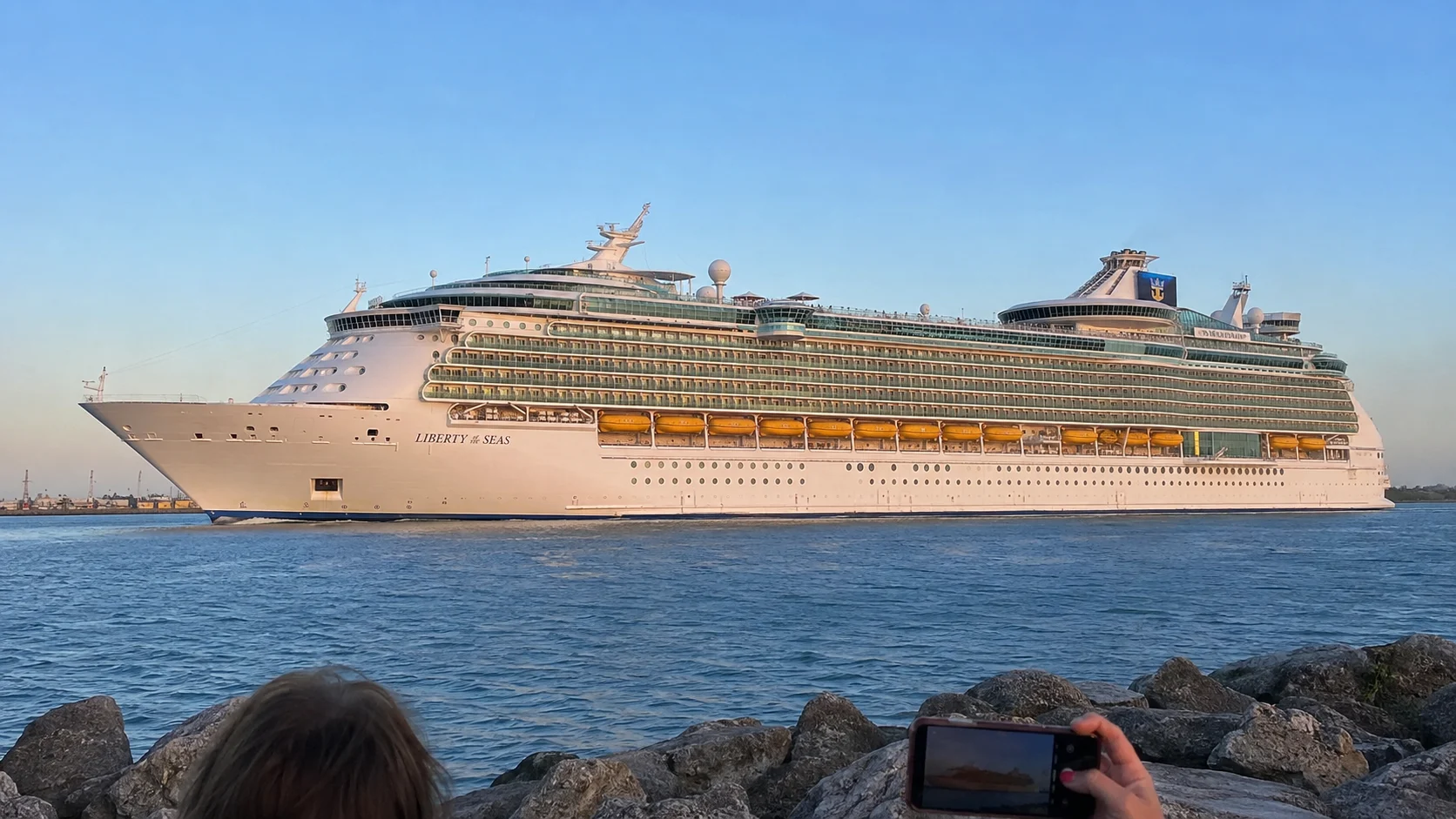
Liberty of the Seas cabins deserve the most care beside the Deck 4 casino, beneath Deck 11 public areas and around the stern’s structural balcony views.
For light sleepers, a nonconnecting room on Deck 8 or 9 with cabins above and below is the easiest starting point.
Short version:
- Promenade View Interior 2T: Skip it if you want privacy, an early bedtime, or a window facing the sea.
- Aft balconies 7408 and 7708: Royal marks these Deck 7 rooms as obstructed view; compare a side-facing balcony if that would bother you.
- Deck 10 and the Deck 4 casino cluster: Convenient for nearby venues, but look elsewhere first if you sleep lightly.
Promenade-view interiors: less privacy and possible evening noise
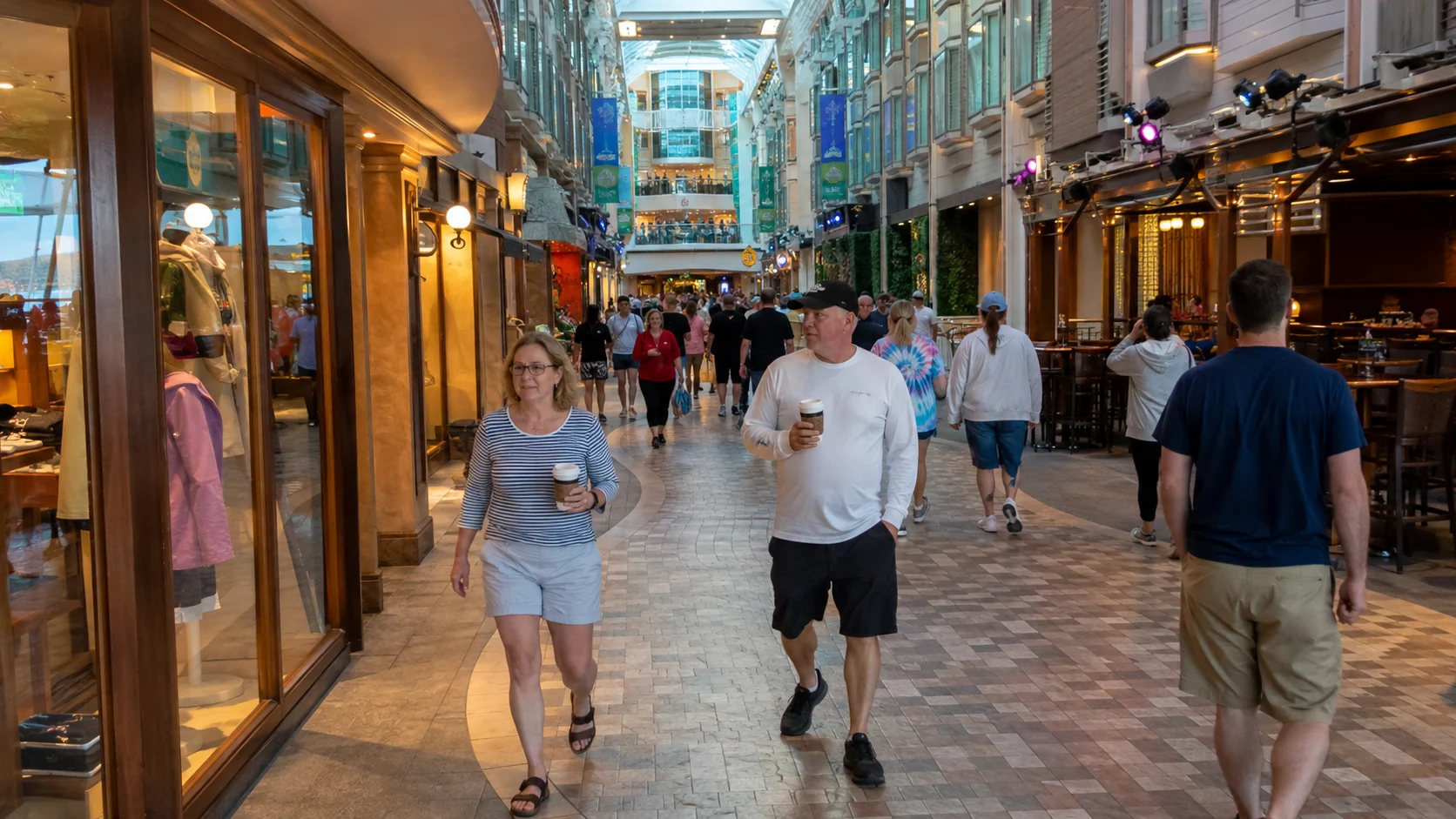
Category 2T has a bay window looking into the Royal Promenade, rather than out to sea. You get people-watching and a less enclosed feel, but no balcony, exterior window, or Virtual Balcony screen.
The catch is that guests in opposite cabins can see toward your window when the curtains are open. Evening events may also bother early sleepers, so consider a windowless interior for darkness and privacy or an Ocean View room for daylight.
Promenade rooms on Deck 6 sit closer to the Deck 5 public area than those on Deck 8, although being higher does not guarantee less event noise. If you enjoy watching the action and stay up late, the inward-facing window may be worth that trade-off.
Guest experiences show why a Promenade window is a choice rather than an automatic mistake. A May 2016 review reported no audible Promenade band or parade from the room, while other passenger accounts describe evening noise and reduced privacy.
Those different stays support a conditional recommendation: book it for the indoor outlook, but choose a normal interior when predictable darkness and early nights matter more.
Cabins 4306 through 4310: think twice if you turn in early
The Liberty deck plan puts these Deck 4 cabins beside the casino area, where nearby doors, the bar, and evening foot traffic may matter more than the fare. For a family with an early bedtime or anyone sensitive to corridor activity, a room on a deck with mostly cabins is a better starting point.
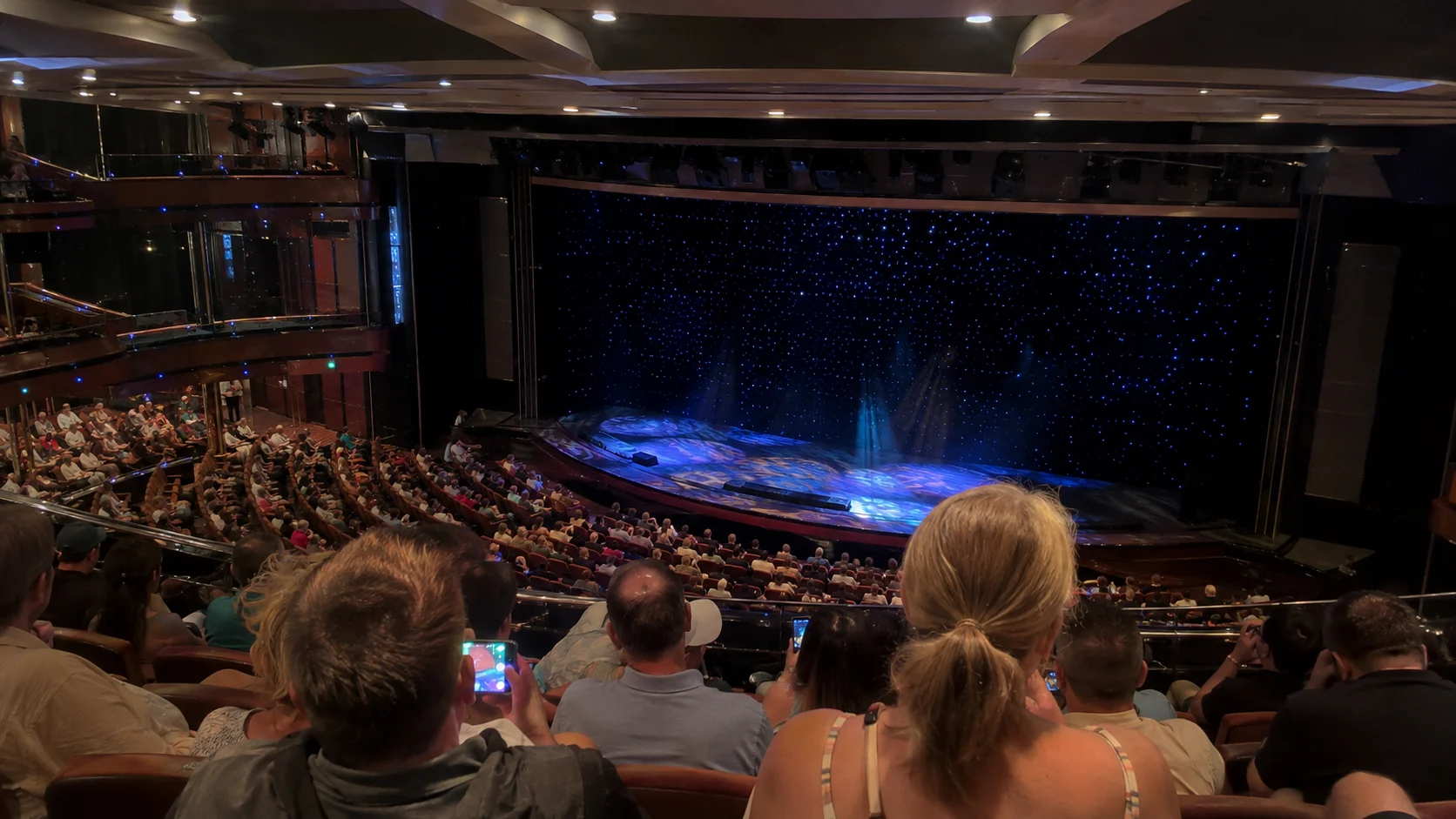
If you expect late nights yourself, being close to the casino, theater, and Studio B may be handy. Just don’t assume that every interior has the same space or beds: confirm the size, sleeping arrangement, and permitted occupancy of the particular room.
Deck 10: convenient for the pools, less appealing for lie-ins
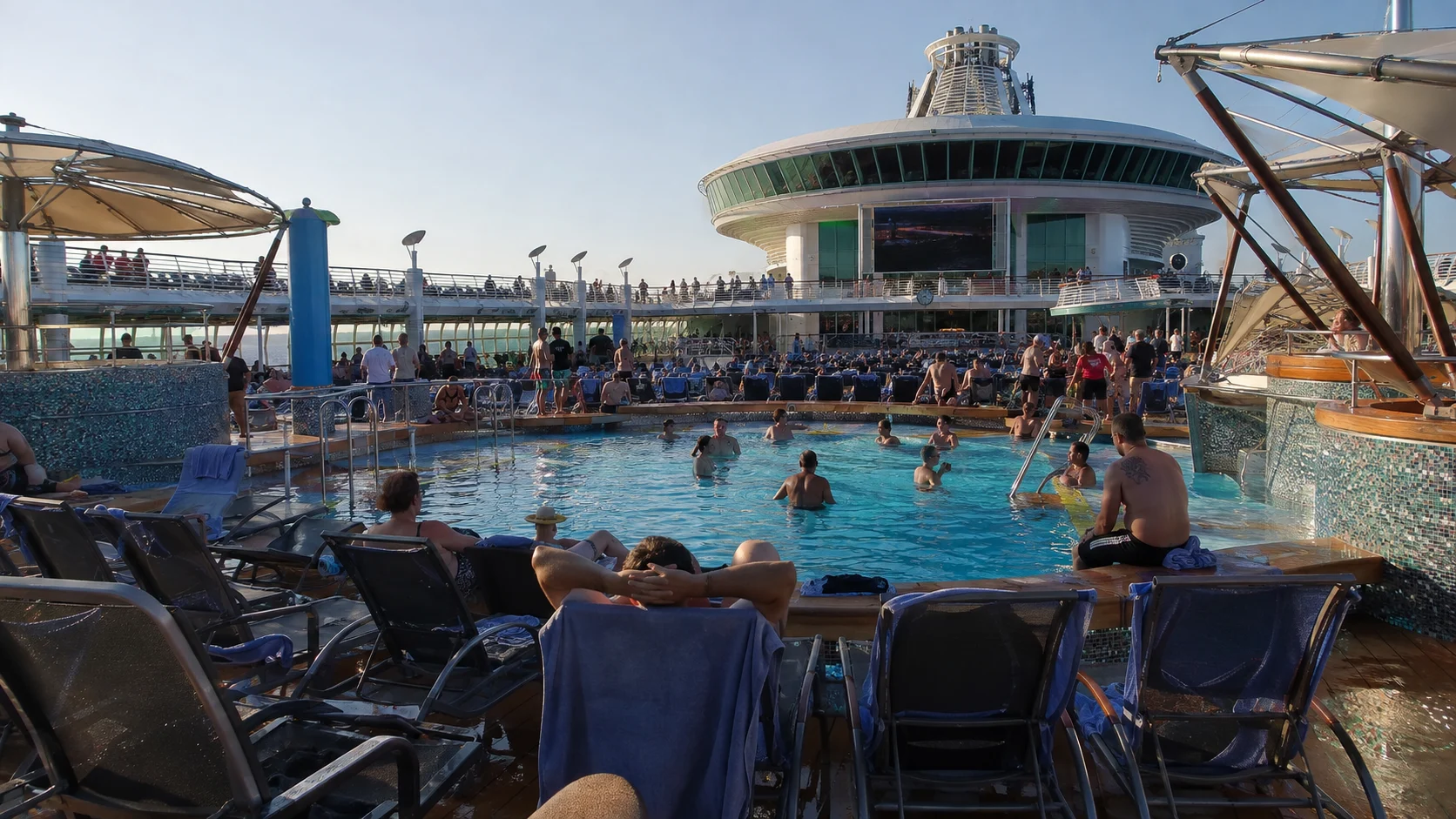
Deck 10 is close to the Deck 11 pools, Solarium, fitness center, and Windjammer. That is useful if you’re up early, but less appealing if you like sleeping late or need a quiet room for a toddler’s nap.
The room’s position matters: Deck 11 has fitness facilities forward, the Solarium and pools through the middle, and specialty dining and Windjammer aft. Spa treatments are on Deck 12, while the sports court and big waterslides are on Deck 13, not directly above Deck 10.
Under seating areas, dining floors, or busy walkways, you could hear chairs moving, cleaning, carts, or footsteps. That is a reason to choose carefully, not proof that every room underneath is noisy or that any disturbance happens at a set time.
For similar access with another cabin deck between you and those venues, compare the same room type on Deck 9. Check the exact room’s connecting door, nearby service spaces, and walk to the elevator before deciding.
Aft balconies 7408 and 7708: avoid them if you want an unobstructed view
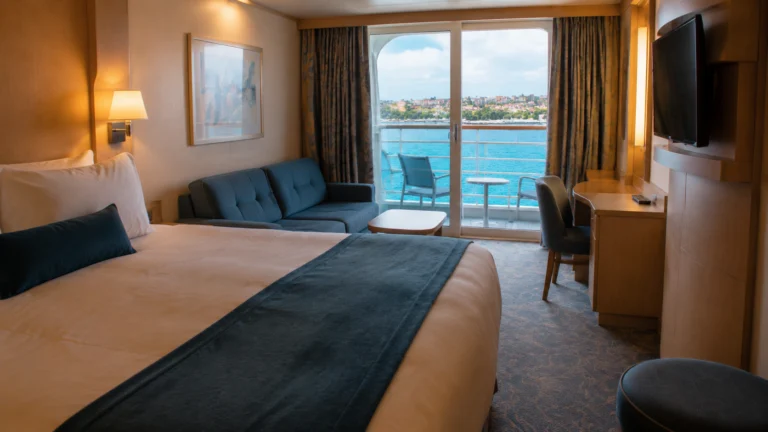
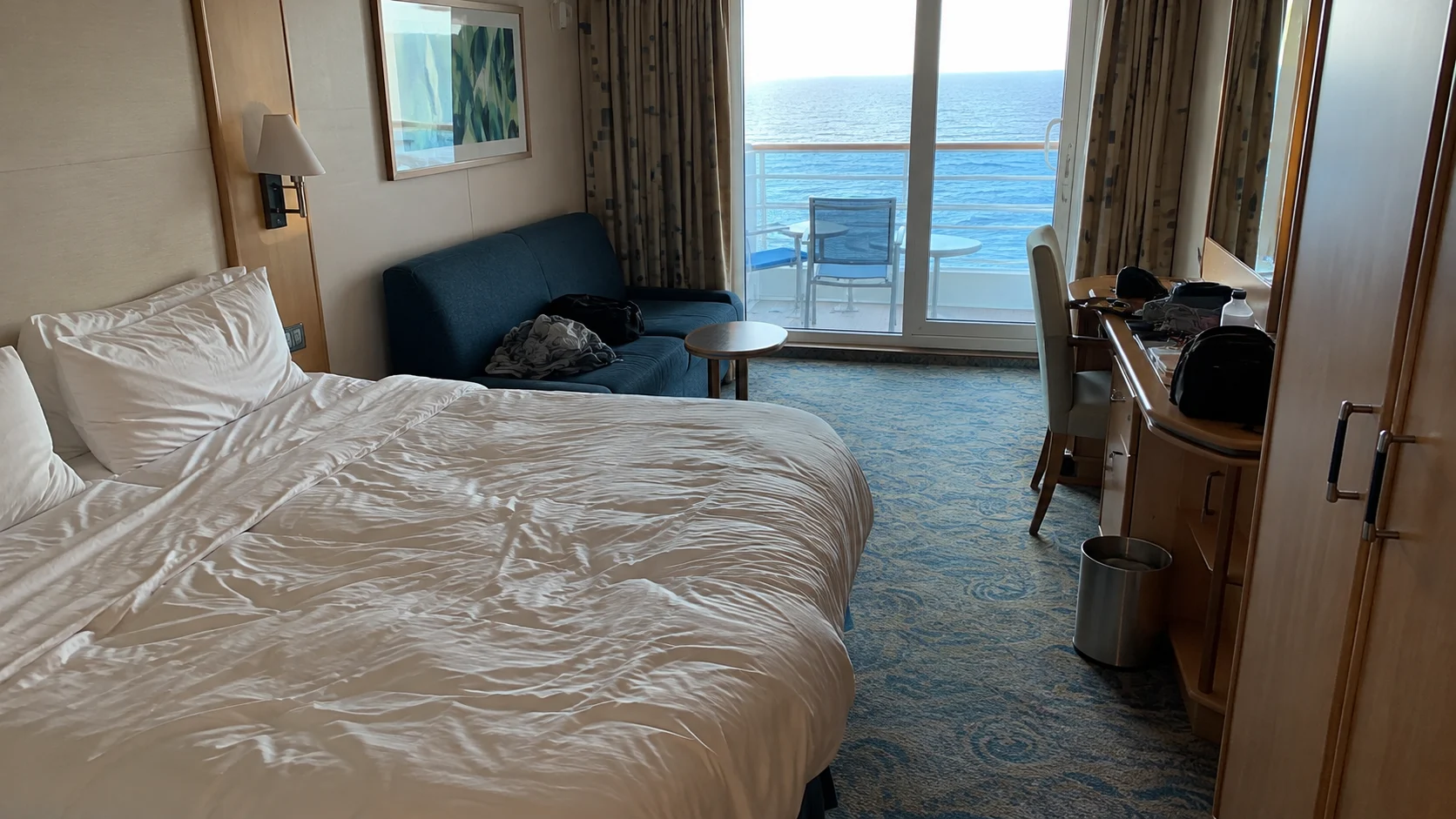
Royal’s Deck 7 plan lists 7408 and 7708 as SB, Sunset Ocean View Balcony, and marks both as obstructed view. If structural framing would spoil your time outside, compare a side-facing balcony instead.
A March 2024 review praised 7708’s large balcony, while a February 2019 guest also loved the outdoor space for three friends. Their agreement makes the terrace’s appeal more convincing, although neither account measures it or guarantees the furnishings on your cruise.
These aft rooms may appeal if you care more about the balcony layout and wake view than an entirely open outlook. If walking distance also matters, compare a side-facing room closer to an elevator.
Aft corners 1400 and 1700: extra space comes with a longer walk
The Deck 10 plan lists these rooms as SG, Spacious Sunset Ocean View Balcony, with irregular layouts beneath Windjammer. They’re worth considering if you’ll use the extra room and balcony space, but the layout is different from a standard midship balcony.
Cabin 1700 gets praise for its space in this older cabin tour, though the guest also reports engine vibration and no overhead noise during that stay. That one experience doesn’t guarantee quiet on your trip or confirm today’s furnishings.
An independent October 2019 review also praised 1700’s room and balcony space and reported no Windjammer noise. The guest mentioned a support pole inside and the long route from the front of the ship.
That is useful positive context for space-loving travelers, while a lower central balcony remains a better fit for someone who values shorter walks or steadier movement.
If you’re sensitive to motion, compare a lower, more central cabin first. If you return to the room often, look at the walk from the aft elevator bank before paying for that extra space.
These corners are less appealing if your priorities are an open sightline, easy walking, or dependable nighttime quiet. Their appeal is the unusual room and balcony space, rather than being the easiest choice for everyone.
Guarantee fares: skip the saving if the wrong room would spoil your trip
Royal Caribbean’s guarantee terms leave the exact room and location to the line. Pay to select the cabin when an unwanted connection, casino-side room, view obstruction or busy venue overhead would spoil the trip.
Connecting doors and extra beds vary by room, so the number of people a cabin sleeps does not tell you how it will feel at bedtime. Picture the sofa bed or Pullman open, then check that the routes to the bathroom, storage, balcony, and corridor work for your group.
For accessibility needs, preserve the adapted room first. Royal Caribbean’s accessible room guidance explains the features, while the exact shower, transfer space, thresholds and elevator route need to work for the traveler.
Where to book instead
For sleep, start with a nonconnecting room on Deck 8 or 9 that has cabins above and below. A conventional side-facing balcony is the simpler choice for an open sea view and a shorter corridor walk.
For motion sensitivity, look lower and closer to midship, with particular care over the public spaces underneath. Choose an aft corner for its extra room and terrace when those features outweigh the longer walk and possible movement.
Lower cabins for motion sensitivity
Liberty’s lower oceanview accommodation is worth considering when the room is mainly a comfortable place to sleep and ship movement is a concern. Staying closer to the center and lower in the ship usually makes more sense than chasing a high forward view.
The tradeoff is less immediate access to the pools and more care over nearby public decks.
A room’s low deck number is not a noise verdict. The theater is forward, the Main Dining Room is aft and the casino and ice rink occupy specific lower-deck areas.
A cabin away from an active entrance can feel very different from one beside it. Choose the exact location for the traveler’s routine instead of rejecting every oceanview on a lower deck.
For a family spending mornings ashore and evenings at shows, that lower-deck base can be convenient. For someone returning from the pool several times a day, Deck 8 or 9 may be worth the extra vertical distance from the sea.
The better room is the one that saves the journeys you repeat, not the one that is closest to every facility on paper.
One family room or two connecting cabins?
A roomy aft balcony is still one shared sleeping space. When a sofa bed is open, parents may lose the sitting area and everyone shares the bathroom.
That can work well for younger children, but teenagers or several adults may gain more from two confirmed connecting rooms than from one unusual corner cabin.
Price both options for the complete party. A second bathroom and a separate bedtime can justify a higher total, especially on a longer trip.
Confirmed connecting rooms also protect the interior door between them; two rooms merely near one another are a different arrangement.
When the connection is unused, a comparable nonconnecting room is a sensible tiebreaker. It is a preference for the simpler arrangement, rather than evidence that every connecting door lets noise through.
Keep the door when your family needs it and spend the room premium on a feature everyone will use.
Choosing your Liberty location
For a couple, a side-facing Deck 8 or 9 balcony balances outdoor space with cabin buffers. For a budget traveler who wants darkness and privacy, a standard interior is a better fit than paying specifically for a Promenade window.
For a terrace enthusiast, 7708 or an aft corner can make sense after accepting the structure and longer walk.
The best cabins guide explains the appealing upgrades, the deck guide puts the venues in context and the ship tips cover the rest of the trip. Sleep, bathroom space and the balcony you actually want deserve priority over a higher-deck label.
How this guide was researched: I compared Liberty’s current deck plans and cabin policies with dated guest reviews, including positive experiences in Promenade and aft rooms. Venue locations explain the tradeoff; individual reports do not promise noise or quiet on every sailing.