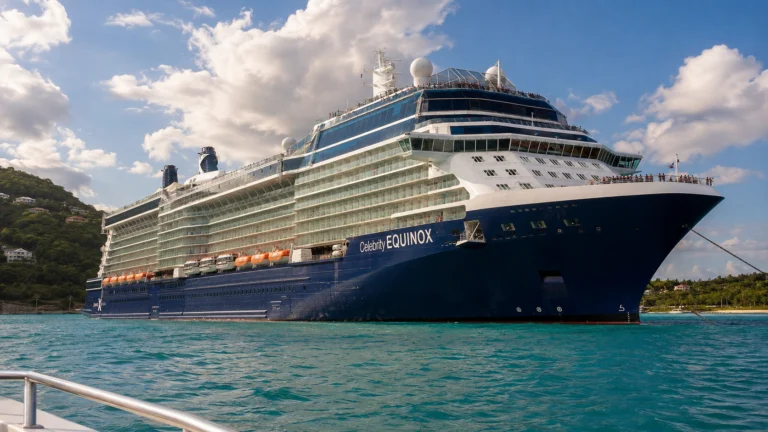
Celebrity Eclipse Cabins to Avoid (and Where I’d Spend the Extra)
On Celebrity Eclipse, avoid choosing a room whose view, overhead neighbors, walking distance, or bed layout conflicts with the way your group will cruise.
Start with a selected middle-deck veranda, then let a wake view, AquaClass benefits, or extra suite space win only when its specific compromise works for you.
Short version
For light sleepers, start with a selected Deck 7 or 8 room and inspect the exact stack. Check Deck 6 view restrictions, Deck 11 public-space ceilings, Sunset Veranda walking distance, forward Horizon motion, and connecting-door or extra-bed arrangements before paying.
Start with a selected middle-deck veranda
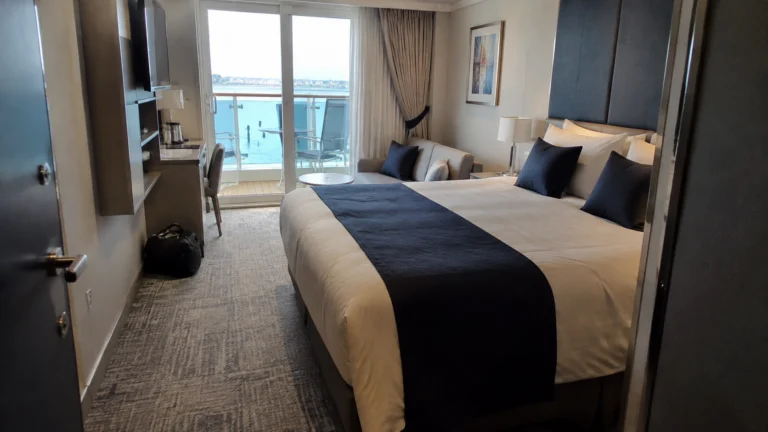
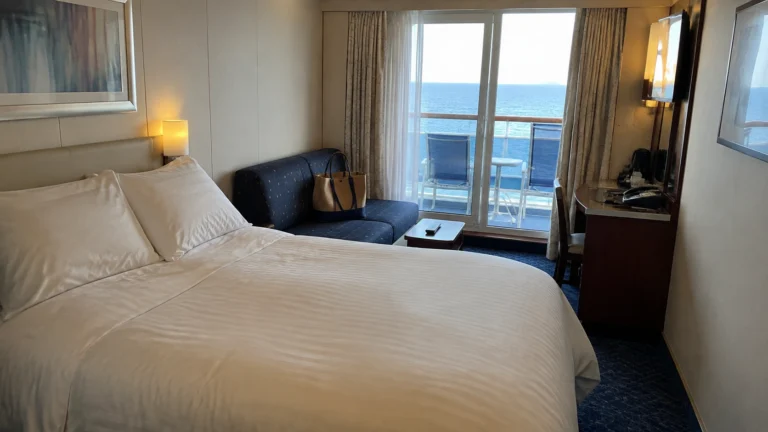
For a light sleeper who wants a conventional outdoor balcony, begin with a selected Deck 7 or 8 veranda and check the exact room against both neighboring decks. Those decks put residential space between you and the lower entertainment rooms and the upper pool complex.
Choose near the midship elevator bank when repeated walks matter, then compare a room a few doors along with one immediately beside the lobby. That lets you keep a convenient route while giving yourself some separation from passengers gathering outside the elevators.
A residential ceiling is a useful screening tool, but it doesn’t guarantee silence from neighbors, connecting doors, maintenance, or the sea. Pay for the placement that removes the particular compromise you care about rather than a promise no room can deliver.
Use the current deck plan for your sailing date before applying an old category code. The current profile through April 21, 2027 uses V1, V2, V3, DV, and SV veranda labels, so an older 2D recommendation needs translating into the actual offered room and view disclosure.
Avoid a restricted Deck 6 view when scenery is the reason for the balcony
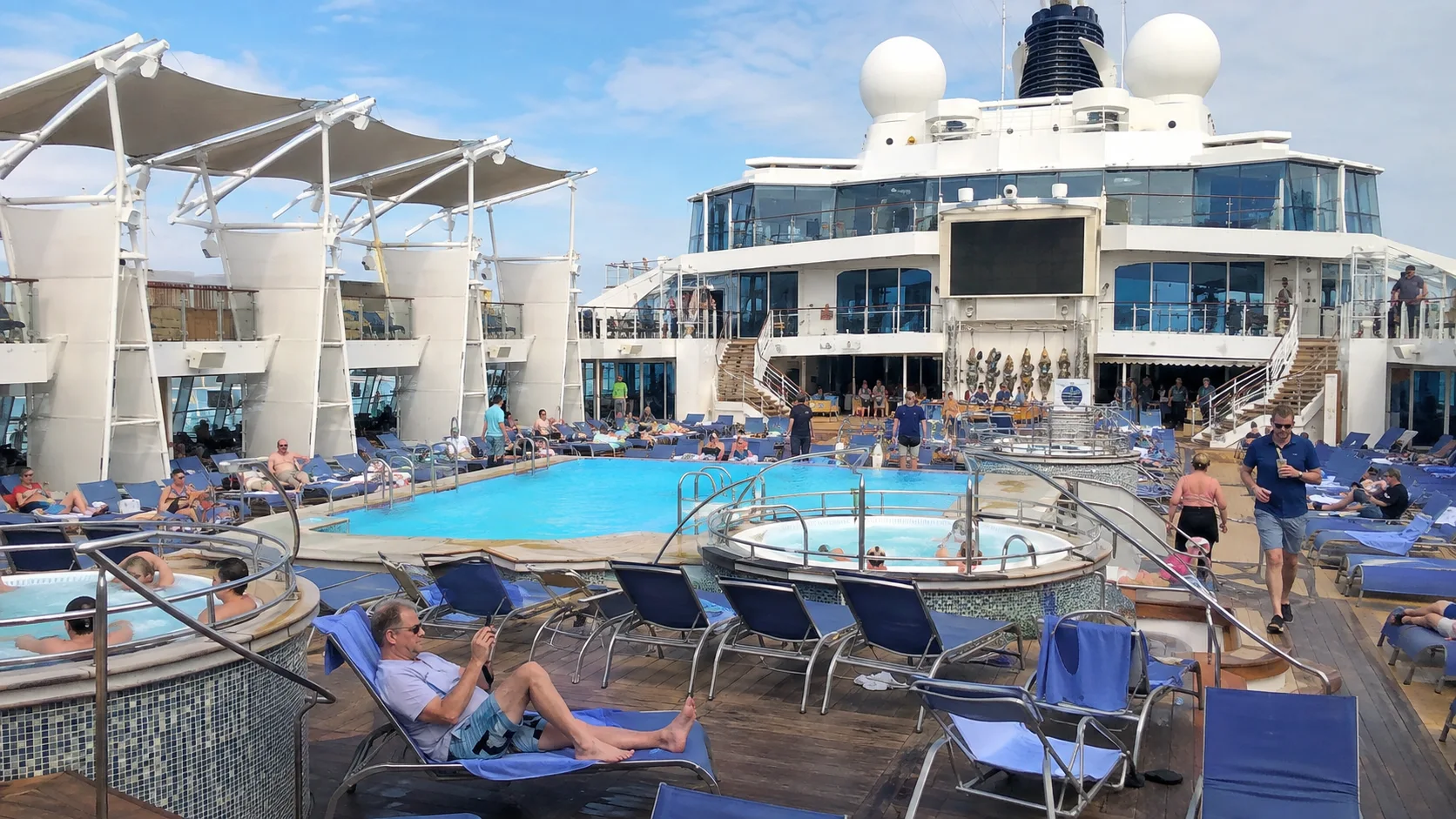
Deck 6 side verandas sit above the ship’s lower exterior equipment, with different portions of the deck affected by structure and lifeboat-related sightlines. Don’t book a bargain here without checking the exact room’s obstruction description if you expect to photograph scenery or read facing the sea.
A plan can show the room and balcony shape, but it can’t establish what you see from your chair. Ask for the booked room’s view disclosure and a current, room-specific image when the difference between a horizon view and equipment in front of you changes the decision.
This matters most when the balcony is a major part of a scenic voyage, especially if you expect to spend long stretches seated outside. A restricted view can feel like a much bigger loss then than on a cruise where you’re ashore most days.
Compare a clear-view Deck 7 or 8 veranda in a similar part of the ship. If the better view costs more than you want to spend, compare an Ocean View room and keep the savings for a trip benefit you’ll actually use.
A restricted balcony can still make sense when fresh air matters more than the outlook and the fare reflects the compromise. Accept the disclosed restriction deliberately, without assuming that every Deck 6 veranda has the same sightline.
Check the space above each Deck 11 AquaClass room
AquaClass adds Blu dining and Persian Garden access, but its benefits don’t change the ceiling above the cabin. On Deck 11, that ceiling can sit beneath the fitness center, spa, Solarium, outdoor pools, or a different part of Deck 12.
The forward AquaClass rooms beneath fitness space deserve particular care if early exercise or equipment movement would bother you. Rooms beneath the pool and its surrounding deck deserve a separate check for outdoor activity and furniture movement.
The location identifies a potential source of disturbance, rather than proving that every passenger will hear it. If you sleep lightly, compare the overhead footprint before deciding how much the short route to the spa is worth.
Cabin 1638 is an A2 AquaClass example farther aft on Deck 11, beneath the Deck 12 accommodation area rather than the forward gym. It can be a useful comparison for someone who wants AquaClass with a residential ceiling, provided its longer walk forward works for you.
Don’t turn that comparison into a quiet-room guarantee. Check the precise room’s connection marks and neighbors, and remember that the thermal facilities are forward while Blu is aft on Deck 5.
If Blu and the Persian Garden won’t be part of your routine, choose a selected standard veranda on Deck 7 or 8 instead. The AquaClass benefits are worth paying for when you’ll use them repeatedly, rather than because the category sounds calmer.
Avoid a Sunset Veranda if the forward walk would spoil the day
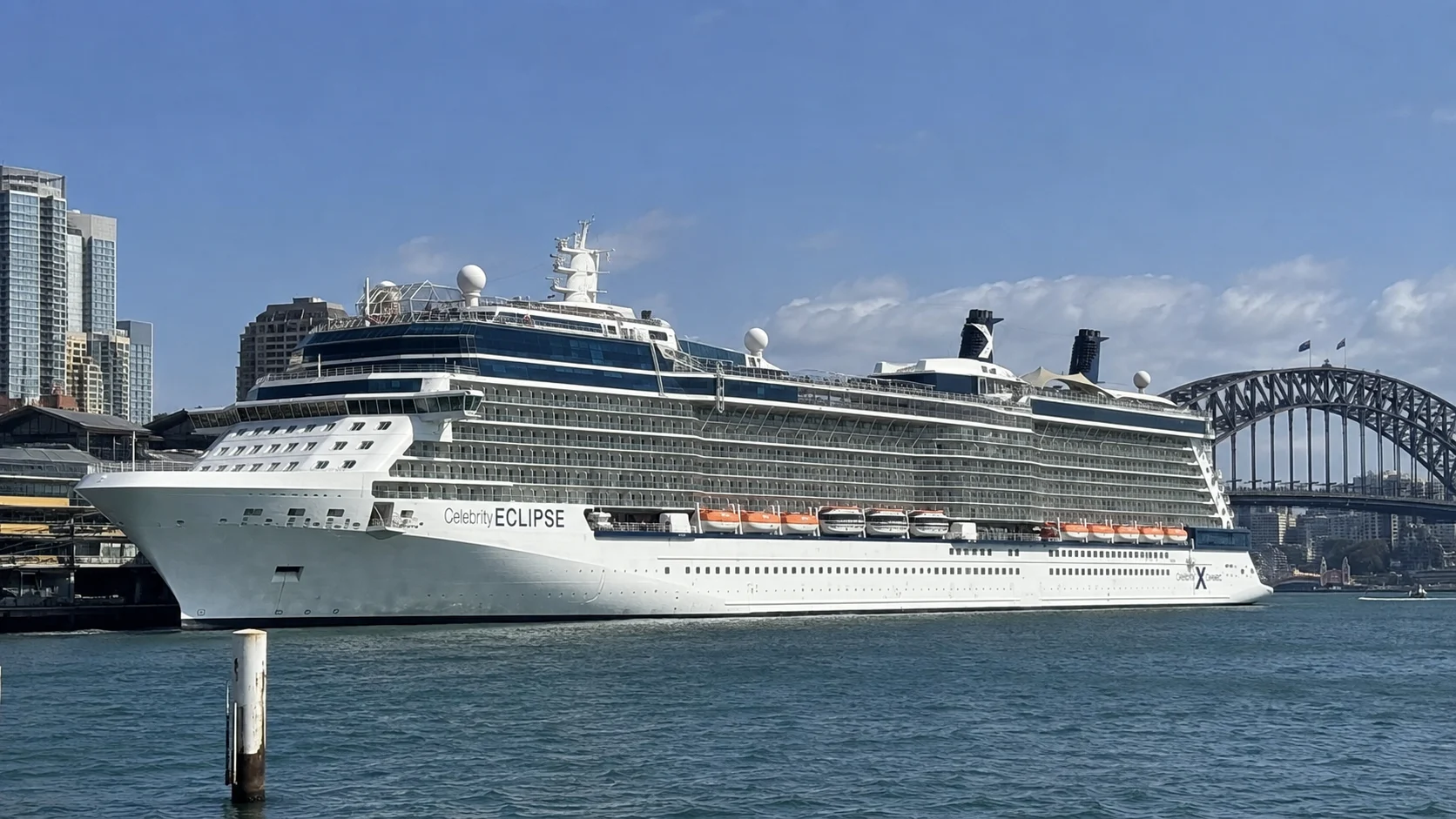
Sunset Verandas sit across the stern and face over the wake, giving you a different outlook from the side balconies. Cabin 7317 on Deck 7 is a verified example, with a traditional outdoor veranda and a position well aft of the midship elevators.
Choose it for time spent watching the wake, reading outdoors, or enjoying a departure from your own balcony. Don’t choose it simply because a list calls aft rooms the best rooms on the ship.
The route to the forward theater, gym, spa, and Sky Observation Lounge is the compromise. If you’re already tired after a day ashore, that repeated corridor walk may matter more than it seemed while browsing cabin photographs.
For someone who needs shorter daily routes, compare a room near the useful elevator bank and the facilities you’ll visit most. An adapted aft room can still work when its accessible features and travel distance meet your needs, but the wake view shouldn’t override those requirements.
The stern position also changes your exposure to ship movement and docking activity. Motion-sensitive travelers should compare a lower, more central room before choosing an aft balcony mainly for its view.
Aft rooms may have fewer people passing than rooms on a through route, but that doesn’t establish silence. Keep the balcony outlook as the reason for the purchase and judge sleep risks separately.
Don’t buy a forward Horizon Suite for size alone
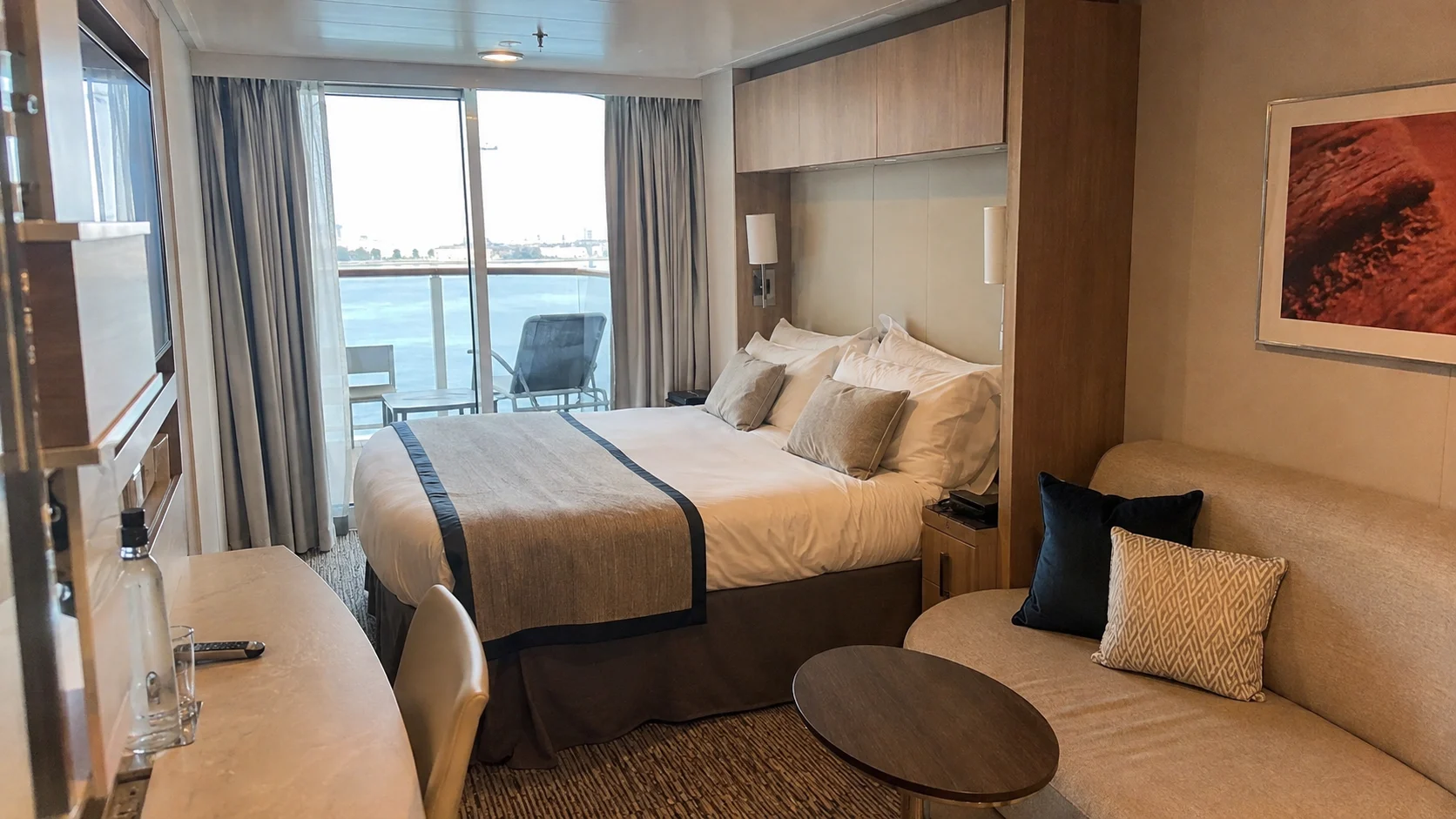
The current plan identifies 7107, 7108, 8107, and 8108 as Horizon Suites at the front of Decks 7 and 8. These are suite choices with current category benefits, rather than old Family Veranda bargains that can be booked on yesterday’s terms.
The larger layout can suit a group that wants more living space in one booking. Before paying, compare the exact bed arrangement, bathroom count, and approved occupancy with the way everyone will sleep and get ready.
The far-forward position is the tradeoff for someone sensitive to pitching. It also puts you farther from Oceanview Café, the Lawn Club, and the aft restaurants, although forward venues become easier to reach.
Compare two confirmed connecting rooms nearer the middle when a second bathroom or shorter shared route matters more than a suite living area. Include the fare for everyone in both options rather than comparing only the first two passengers.
Check the actual Eclipse accommodations and room offer before relying on a generic suite photograph or a sister ship’s layout. A larger ordinary room also doesn’t replace an accessible room when doorway width, shower access, or transfer space is essential.
Don’t trade away control if one outcome is unacceptable
A guarantee fare can be a good saving when every eligible location and view condition would work for your group. It is a poor match if you’re paying for a balcony precisely to avoid an obstructed view or a long walk.
List the outcomes you’d reject before looking at the discount: a connection you won’t use, an exposed public-space ceiling, an end position, or an unsuitable bed arrangement. If any remain in the allocation pool, price a selected room as a separate product.
The same approach helps with an upgrade offer. A higher category can add services without moving you to the part of the ship you prefer, so confirm how much location control the offer actually provides.
For a scenic sailing, an exact balcony and view may deserve more of the budget. For a busy port itinerary, a convenient position and reliable nighttime layout may be the better place to spend.
Don’t assume that a high deck or a premium label will solve a problem you’ve already identified. Keep the specific room number, view, route, and bed configuration in the comparison until the booking is confirmed.
Choose connections and extra beds for the people using them
A connecting pair can be excellent for a family that books both sides, with more privacy and often a second bathroom. Verify the internal connecting-door mark on both rooms before treating nearby room numbers as a pair.
For a single-room booking, compare a standalone room when its fare and position are equally good. An unused connecting door gives you no family benefit, and the sound boundary may matter to a light sleeper.
Three or four guests also need a plan for the room after every sleeping surface is prepared. Ask which person uses the sofa bed or upper bed, then consider the path to the bathroom and the space left for bags.
Don’t let a cabin’s maximum occupancy become proof that the arrangement will feel comfortable for your party. A couple and two teenagers may value two rooms differently from parents traveling with one small child.
When a disability affects the bed or bathroom choice, use accessible cruise guidance to request the layout you need. Confirm the room’s adapted features and any assistance separately from the general appeal of the category.
Make the final comparison around your actual day
Picture your first morning, an afternoon rest, and a late return from dinner in each shortlisted room. That makes it easier to notice whether you’re paying for a view you won’t use or accepting a walk you’ll repeat several times a day.
A spa regular may happily accept an upper location for convenient wellness visits, while a balcony reader may put outdoor shape first. A light sleeper can reasonably keep a simpler room with cabins above and below even when a premium category is affordable.
Once two rooms both meet the important requirements, use the fare difference to decide. A lower price is useful when it preserves the room features you need, rather than compensating for a compromise you already know you’ll dislike.
Use the best cabins for positive alternatives and the deck guide to test your daily routes. The dining guide also helps you identify which end of the ship you’ll use most at breakfast and dinner.
How this guide was researched
Checked the current exact-ship facilities and accommodation inventory, relevant fare, dining, access and age rules, and all fourteen operator-linked deck diagrams visually. Room condition, individual sound, daily programming, menus, and actual booking prices remain sailing-specific.