MSC World America Restaurants & Dining Guide
MSC World America does not have a food shortage; it has a food-decoding problem.
The ship mixes included dining, paid casual food, specialty restaurants, package menus and cabin-class exclusives, so learn what the fare already covers before buying a specialty package.
Short version
- Best included food strength: pizza, fresh mozzarella, pasta and the broader Italian side of the buffet program.
- Best casual late fallback: Luna Park Pizza & Burger when the timing works.
- Best specialty value for most people: Hola Tacos & Cantina, especially if you do not need a huge meal.
- Most ship-specific splurge: Eataly, one of World America’s most distinctive specialty restaurants.
- Best atmosphere-first specialty meal: Paxos if you want Greek food and the open-air World Promenade setting.
- Reservation you should lock down quickly: Kaito Teppanyaki if your group specifically wants the hibachi show.
First, what is actually included?
Regular-fare guests have access to the main dining rooms and the major buffet/casual included options, while Aurea and Yacht Club add their own dining privileges. Specialty restaurants such as Eataly, Butcher’s Cut, Kaito, Hola and Paxos are paid experiences rather than a hidden extension of the cruise fare.
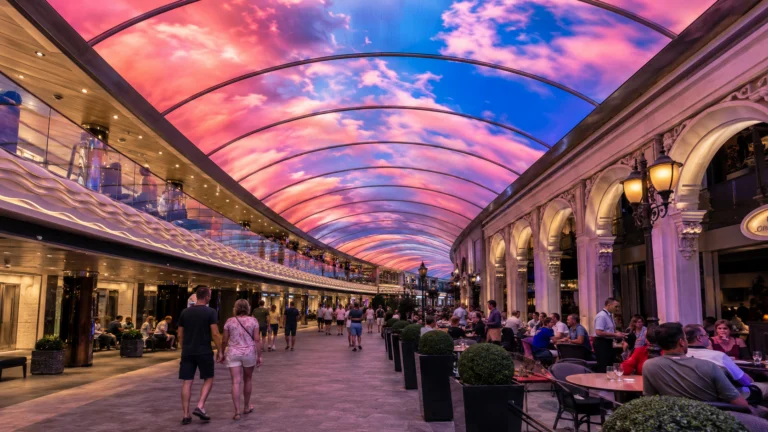
This sounds obvious until you walk the World Promenade, where a paid snack window can look just as casual as an included one. On this ship, “grab-and-go” and “free” are not synonyms, so look for the price before ordering instead of learning the distinction after somebody hands you a receipt.
The main dining rooms are more similar than they look
La Foglia, Esagono, Hexagon and Bubbles handle the standard main-dining program, with the same or closely aligned nightly menus served in different rooms. The food leans Mediterranean and international, and the daily rotation matters more than which chandelier is over your table.
On cruises departing from a U.S. homeport, MSC publishes a US$5 charge for a second main-dining entrée; the first entrée, appetizers, and desserts remain included. Choose another course for variety, or factor the second-main charge into the meal rather than treating every extra plate as free.
The main dining rooms can be genuinely good, but consistency is the weak point. Expect some excellent meals and attentive service alongside occasional slow pacing or dishes that land closer to average, so judge the dining program over several nights rather than one plate.
If you hit a rough service night, say something politely and early rather than abandoning the dining room for the rest of the cruise. A table-time adjustment or a conversation with the dining team can fix more than another angry lap around the buffet.
Il Mercato Buffet is strongest when you stop treating it like an American buffet
Il Mercato is the big all-purpose buffet and can be hectic at breakfast, especially on sea days. Walk past the first familiar tray of eggs and inspect the Italian, Mediterranean and rotating international stations before putting anything on the plate.
MSC’s pizza is one of the safest bets onboard, and the fresh mozzarella, pasta and simple Italian preparations are exactly where the line’s heritage helps. This is not the ship where it pays to waste valuable stomach space on the first generic burger you see at the buffet.
Luna Park Pizza & Burger is more useful than glamorous
Luna Park Pizza & Burger gives you a casual option away from the formality of a dining-room dinner and tends to be useful later in the day. The name tells you exactly what is happening here, and sometimes exactly what is happening is all you need after a show.
Keep it in your mental backup plan rather than make it a destination meal. On a ship this large, knowing one dependable place for pizza when everyone suddenly gets hungry is worth more than another paragraph about artisanal plating.
My specialty dining ranking on MSC World America
This is where it pays to be selective, because World America has enough paid restaurants to make a dining package look irresistible before you have done the math. Choose restaurants based on what is actually distinctive to this ship, not on the number of logos I can collect in seven nights.
Eataly adds a distinctive Italian dinner
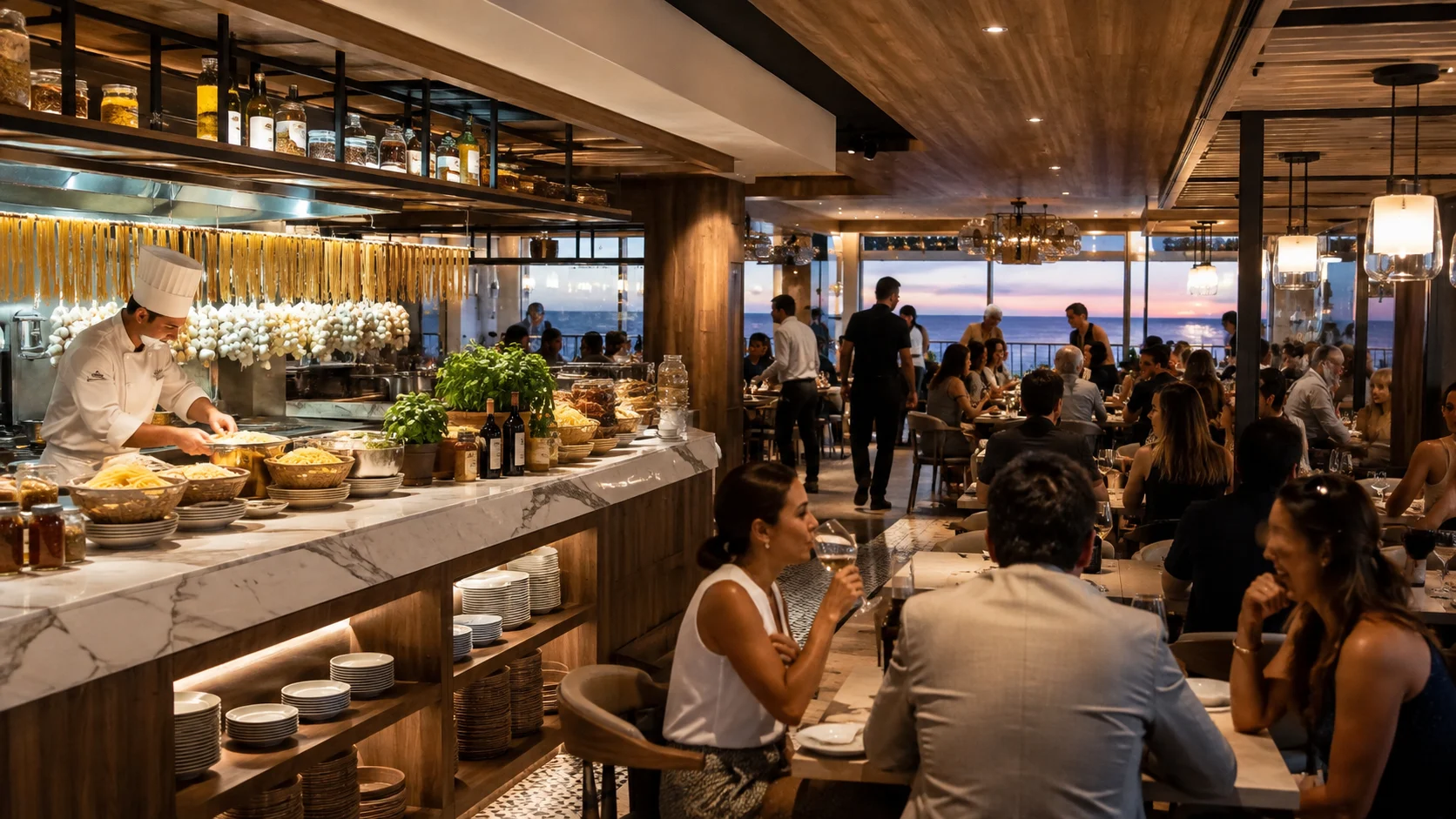
Eataly is one of World America’s distinctive specialty restaurants, with pasta made aboard and Italian-sourced ingredients. The sample Eataly menu suggests burrata, mandilli with basil pesto or tagliatelle with ragu, and tiramisu as a meal centered on those strengths.
Book Eataly because its fresh pasta and Italian ingredients appeal to the table. A familiar brand does not establish how a particular night will go, so let the actual menu and price earn the reservation.
A September 2026 guest reported a US$55 three-course Eataly dinner on World America. That report does not establish the gratuity treatment or your prepaid rate, so compare the final sailing quote before booking; it is a useful scale for deciding whether a special Italian meal matters more than the included pizza and pasta.
Paxos: book it for Greek food plus the setting
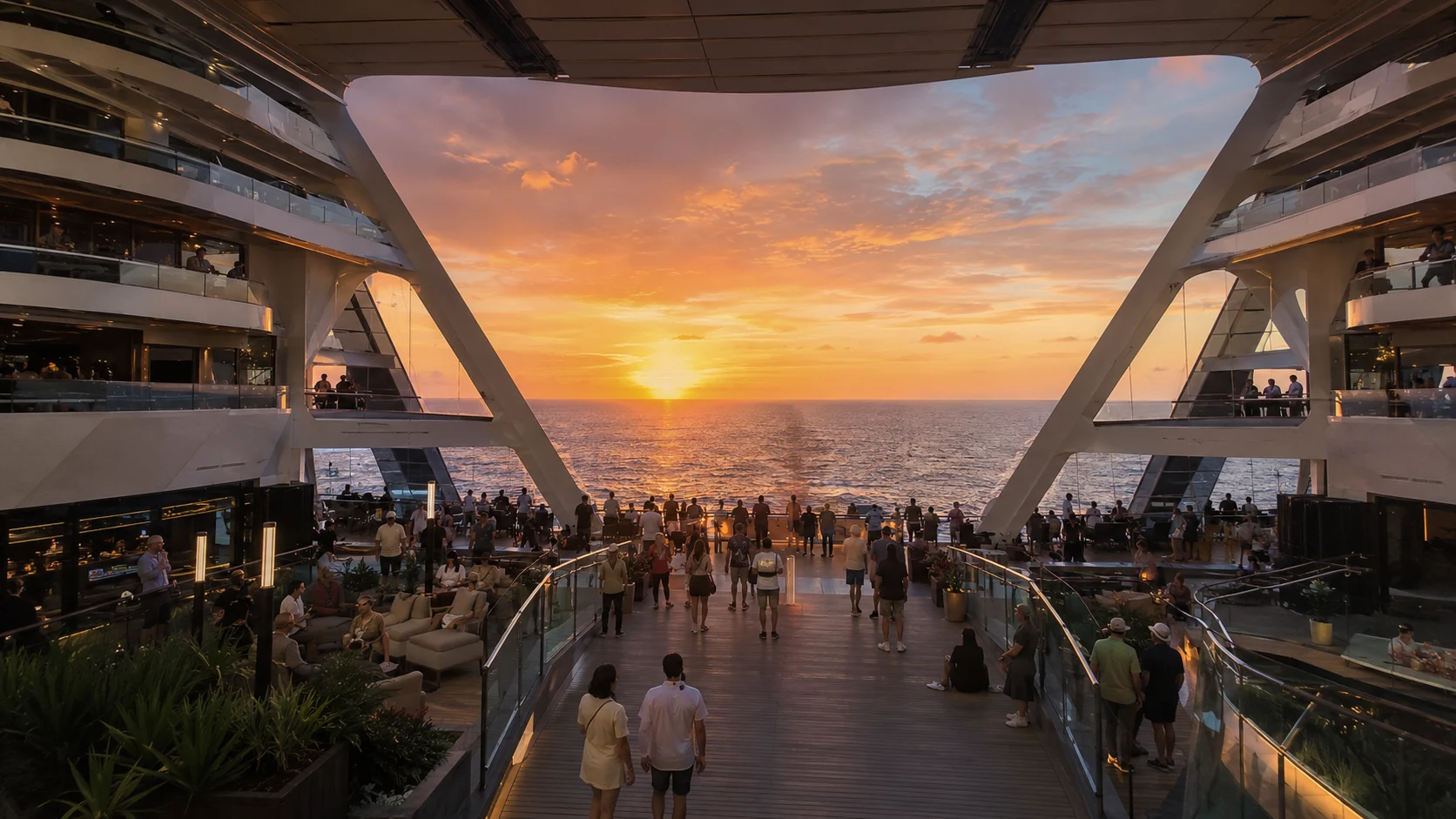
Paxos is the Greek taverna on the World Promenade, with seafood, mezze-style plates, lamb and an open-air atmosphere that feels more connected to the ship than a windowless specialty room. It is one of World America’s most distinctive dining settings.
Start with feta rolls and honey or an appealing lamb dish when available, then add mezze for the table. Choose Paxos for Greek food and a promenade evening, with the menu and weather determining the order and outdoor seating.
Hola Tacos & Cantina: probably the easiest specialty recommendation
HOLA! is a casual Mexican and Latin-inspired meal for tacos, guacamole, quesadillas, and shared plates. Al pastor tacos and queso fundido are good starting choices from MSC’s representative HOLA menu, subject to the selection aboard.
If à la carte pricing is available on your sailing and you are a light eater, compare that with any all-you-can-eat or package option before choosing. Paying for “unlimited” food you did not want is one of the cruise industry’s more successful magic tricks.
Kaito Teppanyaki: the one to reserve early
Kaito Teppanyaki is a timed hibachi-style meal with the chefs cooking in front of you, so capacity is naturally more constrained than at a conventional restaurant. If this is a must-do for your family, book it early rather than waiting until day four and discovering that everybody else also enjoys dinner with flying spatulas.
Kaito Sushi is the quieter alternative when you want Japanese food without the show. Choose between them based on experience versus cuisine, because they solve two different problems despite sharing the Kaito name.
Butcher’s Cut: good for steak lovers, not my automatic first pick
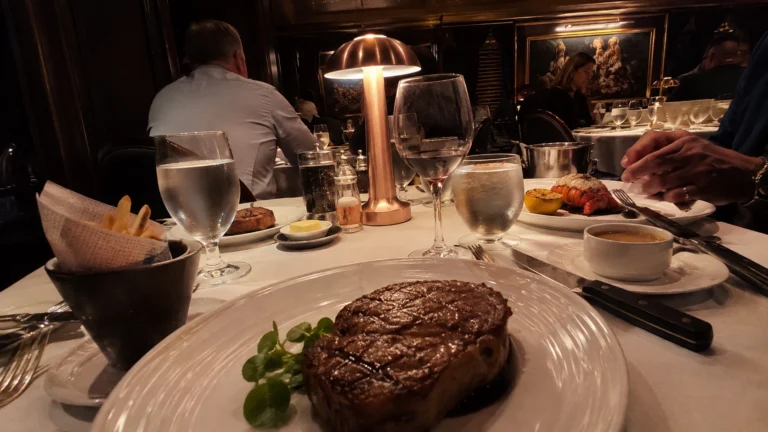
Butcher’s Cut is MSC’s American steakhouse for aged beef, classic sides, and a more formal dinner. It suits the group actively craving steak; Eataly, Paxos, or HOLA! can provide a more distinctive change for other tastes.
If the group already wants Eataly, Paxos, and HOLA!, add Butcher’s Cut only when steak is another real priority. The package should fit the restaurant plan, with no need to fill it with a meal nobody particularly wants.
The dining-package catch matters more than it looks
MSC’s specialty packages provide fixed-price meals with a broad choice of up to three dishes per restaurant. Selected premium dishes, additional courses, and drinks can carry charges beyond the food package.
Compare the sailing’s per-person price, currency, and premium supplements for the exact Eataly or steakhouse order. MSC’s service terms include gratuities in prepaid packages, while a reported onboard cover alone may not establish the final bill.
The second catch is reservations. A paid package does not create a magical empty table at 7 PM, so waiting until onboard to choose popular times can leave you with awkward slots even though the meals themselves are already paid for.
If the system allows pre-selection for your sailing, use it. If not, make specialty reservations as soon as you board rather than assuming possession of a dining package means possession of a dinner time.
Regular cabin, Aurea or Yacht Club? Your dining guide changes
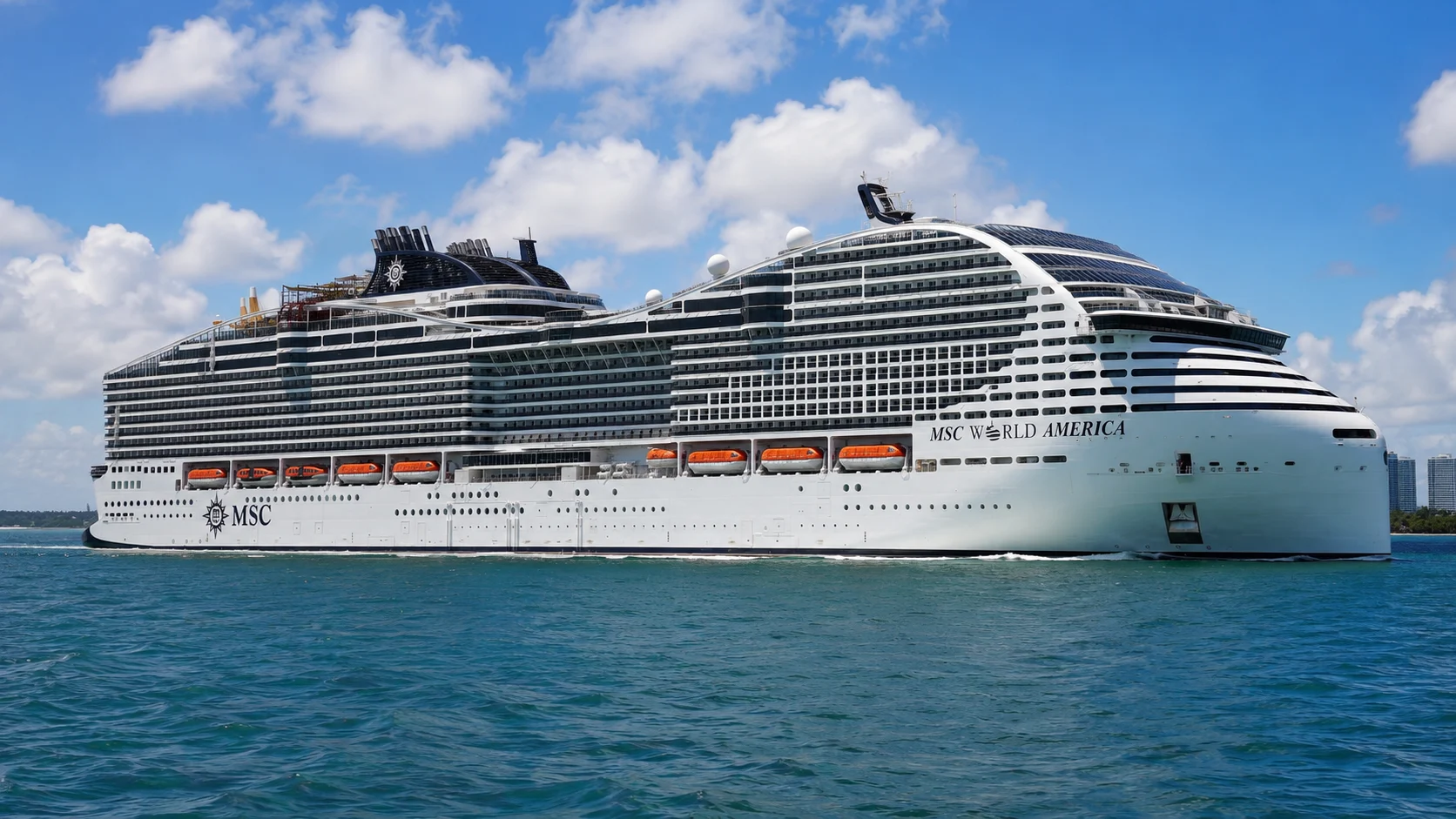
This is another place where generic World America restaurant lists become misleading. The MSC Yacht Club has its own private restaurant and other exclusive dining spaces, which means a Yacht Club guest is solving a very different dinner problem from somebody in a standard balcony cabin.
The Yacht Club restaurant is an exclusive fine-dining room with flexible timing and no reservation requirement for Yacht Club guests. That is a major benefit, not a restaurant the rest of the ship can simply wander into.
If you are in Yacht Club, eat there enough to understand the value before prepaying a huge stack of specialty dinners. You already paid a serious premium for better dining access, so abandoning it every night to go buy dinner elsewhere is an interesting way to pay twice for the same vacation.
My embarkation-day strategy
Have lunch wherever looks least chaotic, then use the first afternoon to solve reservations before the ship gets into full vacation mode. If you bought a package, confirm exactly which restaurants and menu formats it covers while there is still time to change expectations.
Try the assigned main dining room on the first evening unless a specialty reservation is already important to the plan. That meal lets the group judge its food, service, and pacing before allocating more of the week’s budget to paid dinners.
How to eat through a 7-night World America cruise
- Night 1: Main dining room to establish a baseline.
- Sea-day lunch: Il Mercato, deliberately focusing on pizza, pasta, mozzarella and rotating international stations.
- First specialty dinner: Eataly for the ship-specific experience.
- Casual night: Luna Park Pizza & Burger or a light included meal around shows.
- Second specialty: Hola if you want value and fun, Paxos if you want atmosphere and Greek food.
- Teppanyaki night: Only if the chef-show format is actually important to your group.
- Final dinner: Return to whichever included or specialty venue genuinely won you over instead of completing a checklist.
Families, picky eaters and dietary needs
World America works well for mixed families because the included buffet and casual options have a broad enough range to satisfy the pizza child, the salad adult and the person who wants to try something actually Mediterranean. The challenge is distance and crowd timing more than lack of choice.
For serious allergies, coordinate with MSC before sailing and confirm needs with the dining team onboard. The main dining room or Yacht Club restaurant is generally a better place to establish a consistent plan than explaining a complex allergy for the first time at a busy promenade snack window.
World America dining mistakes to avoid
- Assuming every casual counter is included. On the World Promenade especially, check before ordering.
- Buying a dining package without reading the package menus. The normal restaurant menu and package entitlement are not always the same thing.
- Waiting several days to reserve teppanyaki. The room cannot manufacture extra hibachi seats because you suddenly became interested.
- Writing off the buffet after one crowded breakfast. Il Mercato is much better when you use it outside the peak wave and focus on MSC’s strongest cuisines.
- Booking Butcher’s Cut by reflex. World America has more distinctive paid options.
- Treating Yacht Club dining as part of the general included list. It is a keycard-accessed benefit for Yacht Club guests.
- Treating the entire food program as universally amazing or terrible. Quality varies enough by venue and meal that neither extreme is useful.
Continue planning with the cruise tips.
How this guide was researched: Restaurant locations, dish ideas, and paid-meal rules were checked against MSC’s ship information, sample menus, and service terms. The menu and quote for your sailing decide what is available and the final charge.
My World America dining strategy
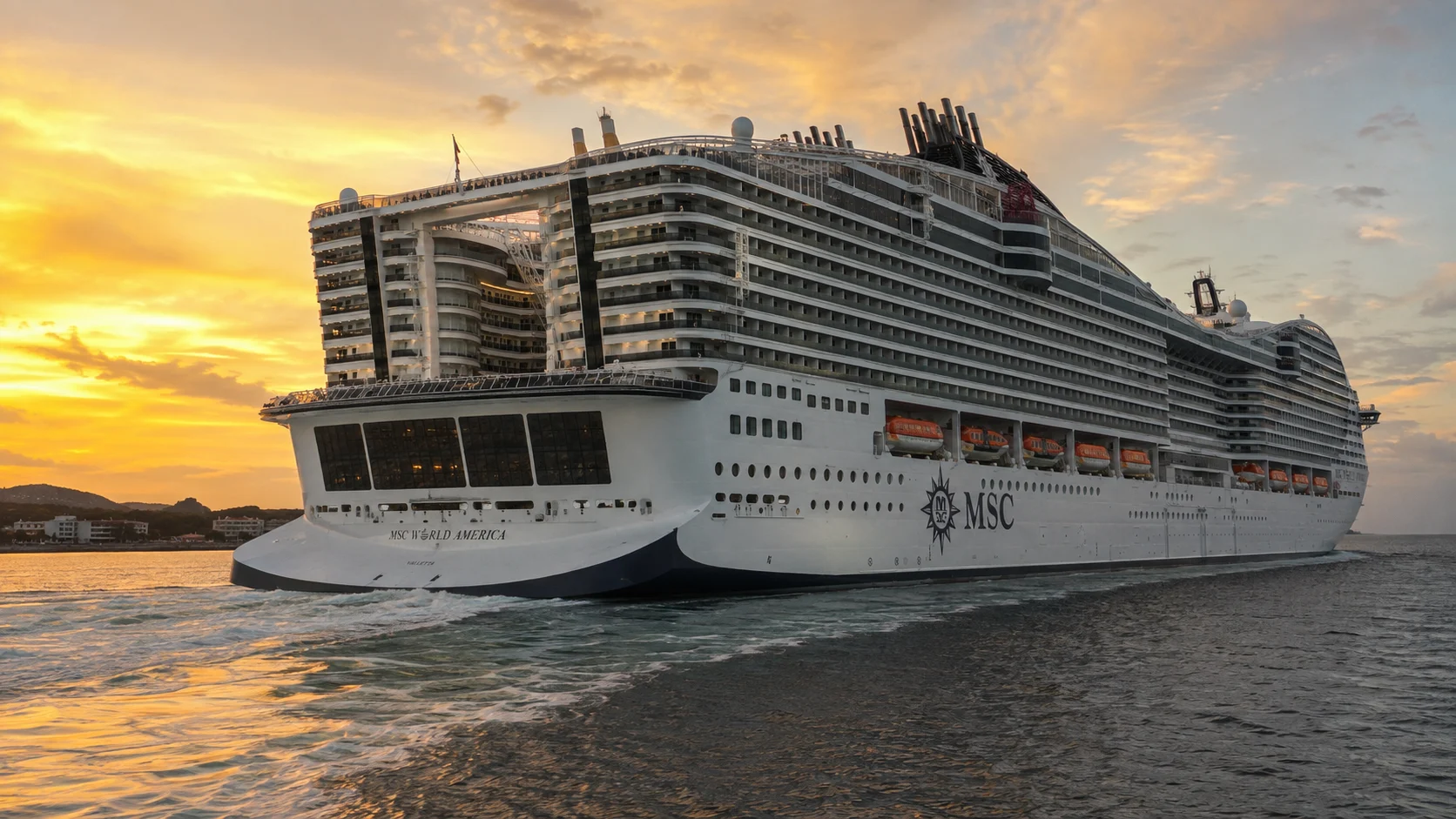
Do not buy a giant specialty package just because MSC World America has an intimidating number of restaurants. First enjoy what MSC already does well for free, especially pizza and Italian staples, then spend on Eataly, Hola, Paxos or teppanyaki based on what your group actually likes.
The ship rewards people who read the fine print once and then relax. Figure out included versus paid, book the hard reservations early, and stop trying to optimize every bite like you are managing a restaurant spreadsheet on vacation.
More MSC World America planning
Use the MSC World America deck guide to understand how the World Promenade, Galleria, pools and dining clusters fit together, then match dinner times to the things to do and entertainment guide. The ship is large enough that location really does affect whether a 6:30 PM dinner and a 7:45 PM show feel relaxing or ridiculous.
For the booking decision, see the best cabins, cabins to avoid, and MSC World America pros and cons. Those guides matter even more if you are debating whether Aurea or Yacht Club is worth the upgrade.