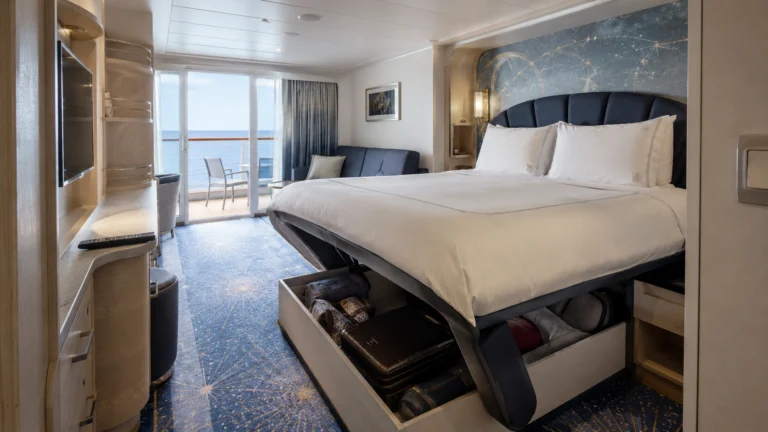
Margaritaville at Sea Islander Tips, Secrets & Things to Know
The best Islander tips are not hidden tricks; they are small decisions that keep a lively ship from feeling complicated.
Choose the right cabin, learn four landmarks, eat slightly off-peak, and buy extras only when the numbers work for your real habits.
Short version: Select your cabin instead of defaulting to a guarantee, use Deck 6 or 7 to cross the ship, visit the pool deck before it gets busy, register children early, and build dinner around the one show you most want to see. Price drinks, dining, gratuities, parking, and shore plans before calling the fare a bargain.
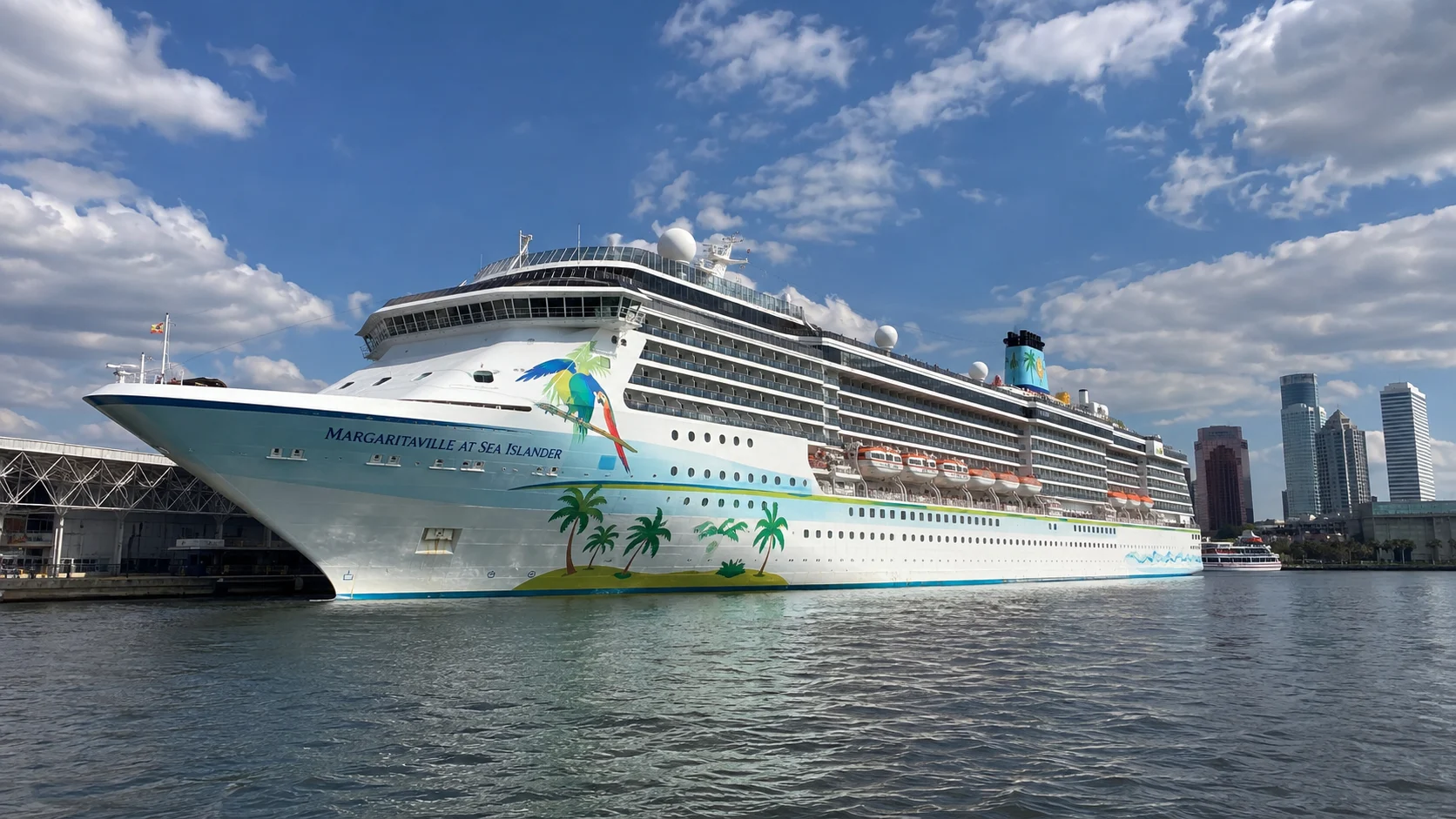
1. Learn four landmarks on the first afternoon
Stars On The Water Theater is forward across Decks 2–4, Flip Flop Atrium anchors the lower public zone, Fins and Islander Dining sit aft on Decks 2 and 3, and the main pool-and-food spine runs along Deck 9. Those four points are enough to orient almost every trip across the ship.
Walk from your cabin to each one before dinner. The deck-by-deck guide gives the full map, but the physical walk makes the distances real.
When Deck 2 or 3 is crowded, cross on residential Deck 6 or 7 and change levels near the destination. This is especially useful after a theater show or during the dinner rush.
2. Pick a cabin by what touches it
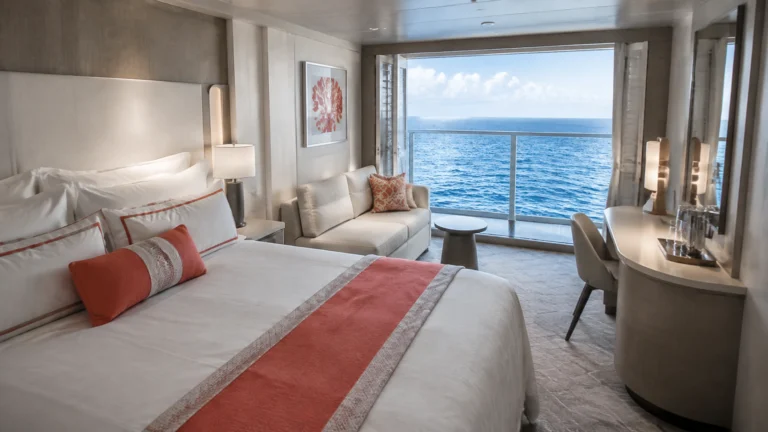
The category name tells you the room type, while the official deck plan tells you what can affect it. Check above, below, beside, and across the hallway before paying.
Deck 6 and 7 are the safest starting points for quiet because cabins buffer much of the space. Deck 8 favors pool access but can place rooms beneath Deck 9 activity, while the Deck 10 cabin cluster sits immediately forward of LandShark Pool.
The gray Partial View Balconies on Deck 5 line up with lifeboat and promenade areas. Use the cabins guide for the exact room groups rather than guessing what “partial” means.
3. Choose the room instead of a guarantee
Guarantee fares can save money, but they let the cruise line assign the location within the promised terms. That means less control over obstruction, connecting doors, elevator traffic, and forward or aft placement.
The gamble is reasonable for flexible travelers who truly accept any room in the category. It is a poor fit for light sleepers, motion-sensitive guests, or anyone booking a balcony primarily for the view.
An upgrade is not always a personal improvement. A higher category near a busy boundary can suit you less than the quieter room you would have selected yourself.
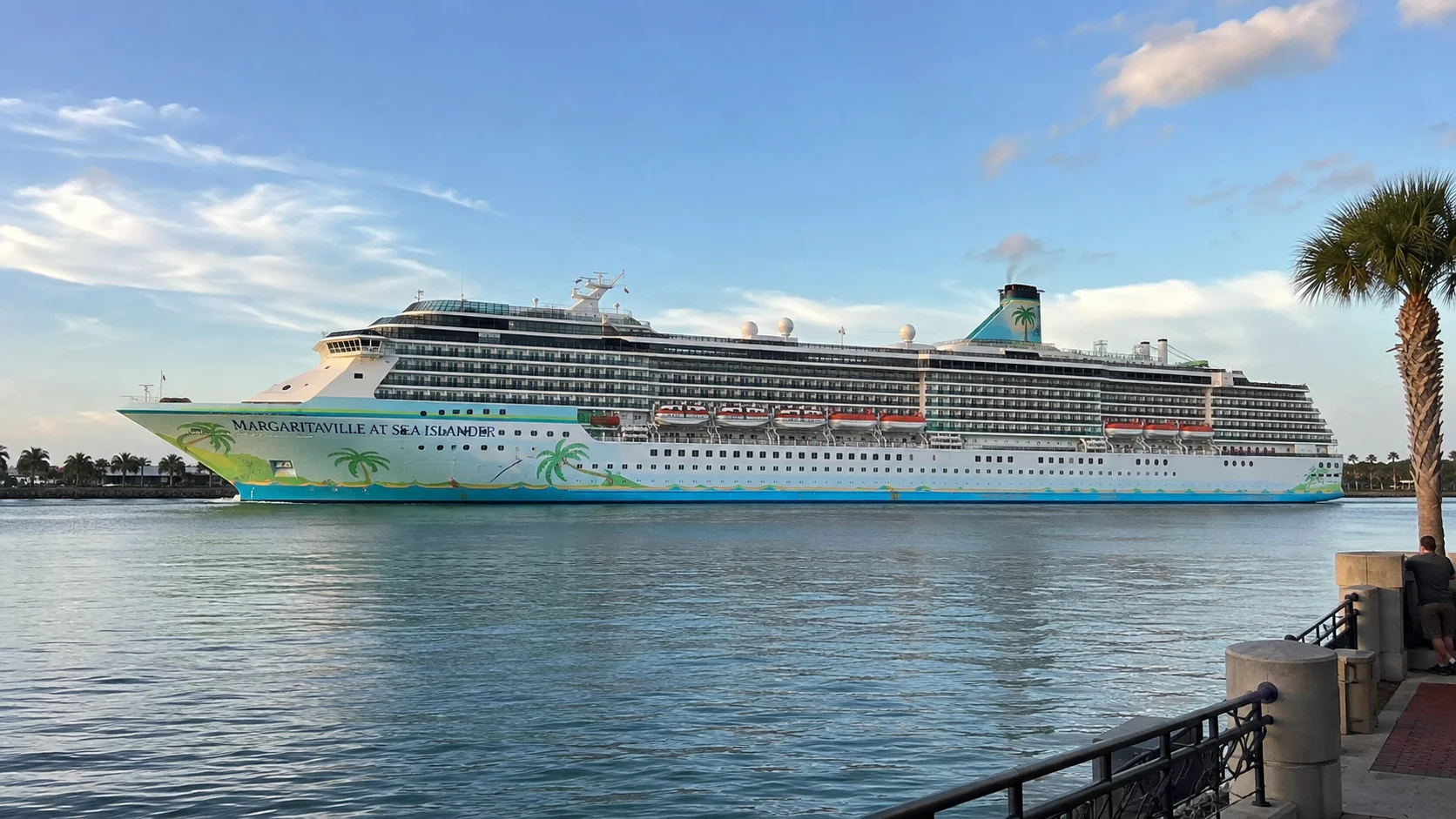
4. Price the whole trip before celebrating the fare
Add taxes, fees, service charges or gratuities, Tampa transportation or parking, drinks, specialty dining, internet, shore plans, spa visits, and arcade spending. Then compare the total with another cruise of the same length and similar cabin quality.
Low lead prices are not misleading simply because extras exist, but they are incomplete. A disciplined total protects the vacation budget better than hunting for tiny onboard savings later.
Leave a contingency for port changes, medical needs, and unexpected transportation. The cheapest booked trip can become the most stressful when every unplanned charge feels like a crisis.
5. Do the drink-package math honestly
Start with what you normally drink on a vacation day, not the maximum you could consume. Multiply realistic cocktails, beer, wine, soda, coffee, and bottled-water purchases by the number of days, then compare that with the package price and service terms.
Check daily limits, included brands, age rules, port taxes, specialty coffee, room-service exclusions, and whether every adult in the cabin must participate. The current package page is the right starting point, followed by the terms in your booking.
A package adds convenience even when the savings are small, but convenience has a price. Light drinkers are often better off buying individually and keeping the freedom to skip a day.
6. Know the five included restaurants
The complimentary lineup is Fins Dining, Port of Indecision, Frank & Lola’s Pizzeria, Cheeseburger in Paradise, and Mexican Cutie Cantina. That covers a served main meal, buffet, pizza, burgers, tacos, and breakfast burritos.
Use Fins when you want a calmer served dinner and the buffet when flexibility matters. Poolside counters are best slightly before or after standard lunch time.
Islander Dining is different because access depends on a qualifying suite benefit or dining product. The dining guide explains the packages, JWB, sushi, Tiki concepts, and current prices.
7. Do not confuse venue food with delivery
Frank & Lola’s counter pizza and Cheeseburger in Paradise are included venues, but ordering similar food through in-room dining costs extra. The current menu also adds a service charge.
This is normal cruise pricing: the delivery method can change the cost of an otherwise familiar item. Check the ordering screen or menu rather than assuming the brand name controls inclusion.
Room service is worth it when privacy or timing matters. It is not the budget choice when the included counter is open and only a short walk away.
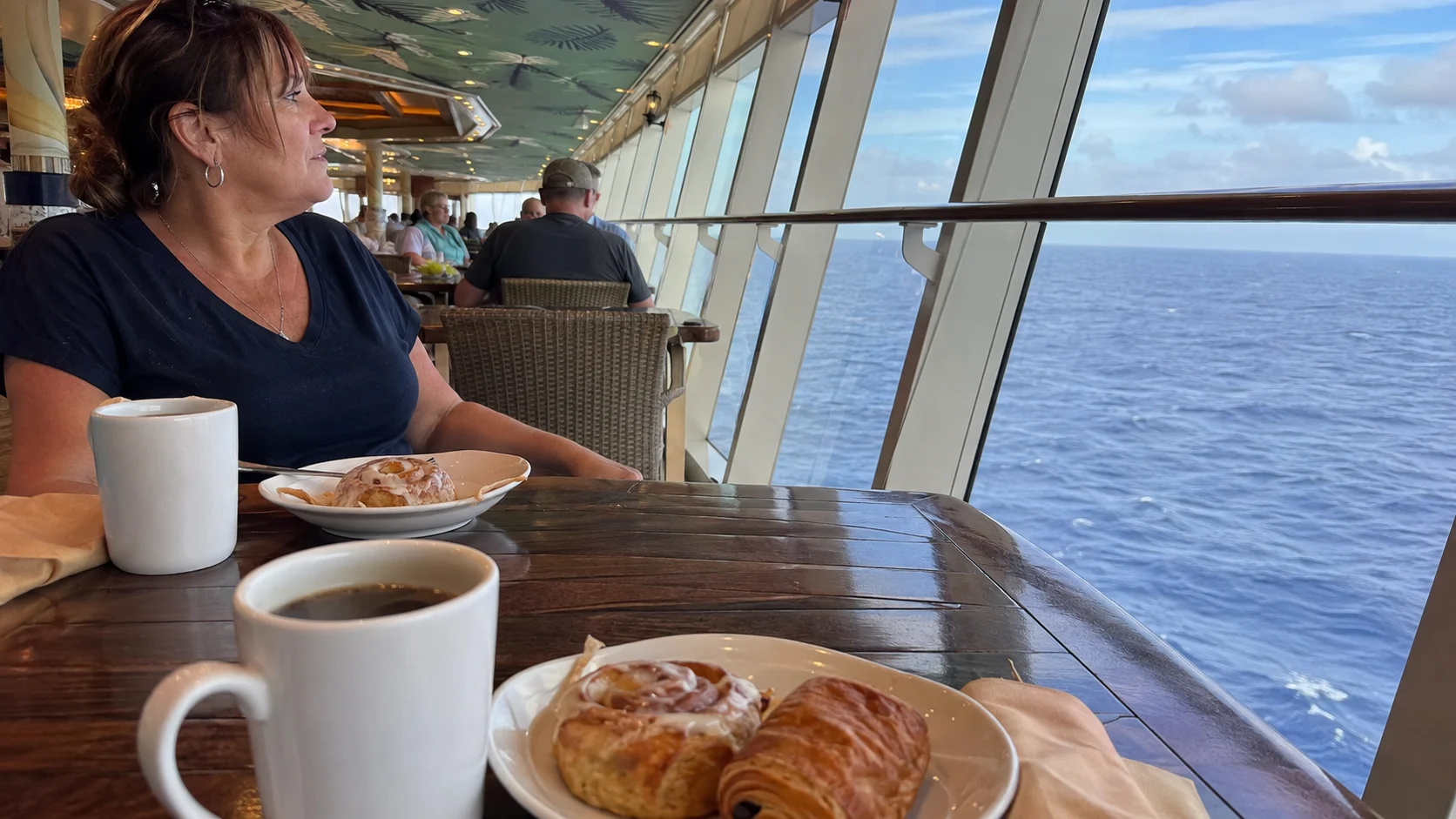
8. Eat before the obvious rush
Breakfast surges before excursion meeting times, lunch peaks around noon, and dinner traffic clusters around theater schedules. Moving a meal by 30 minutes can matter more than choosing a different restaurant.
Walk the full buffet before joining the first line and check whether Mexican Cutie or Cheeseburger in Paradise has what you want. A shorter menu can produce a much easier meal.
For specialty dining, reserve the scarce experience first and fit flexible meals around it. Do not schedule JWB so tightly before a show that a relaxed dinner becomes a race.
9. Pick the pool for your mood
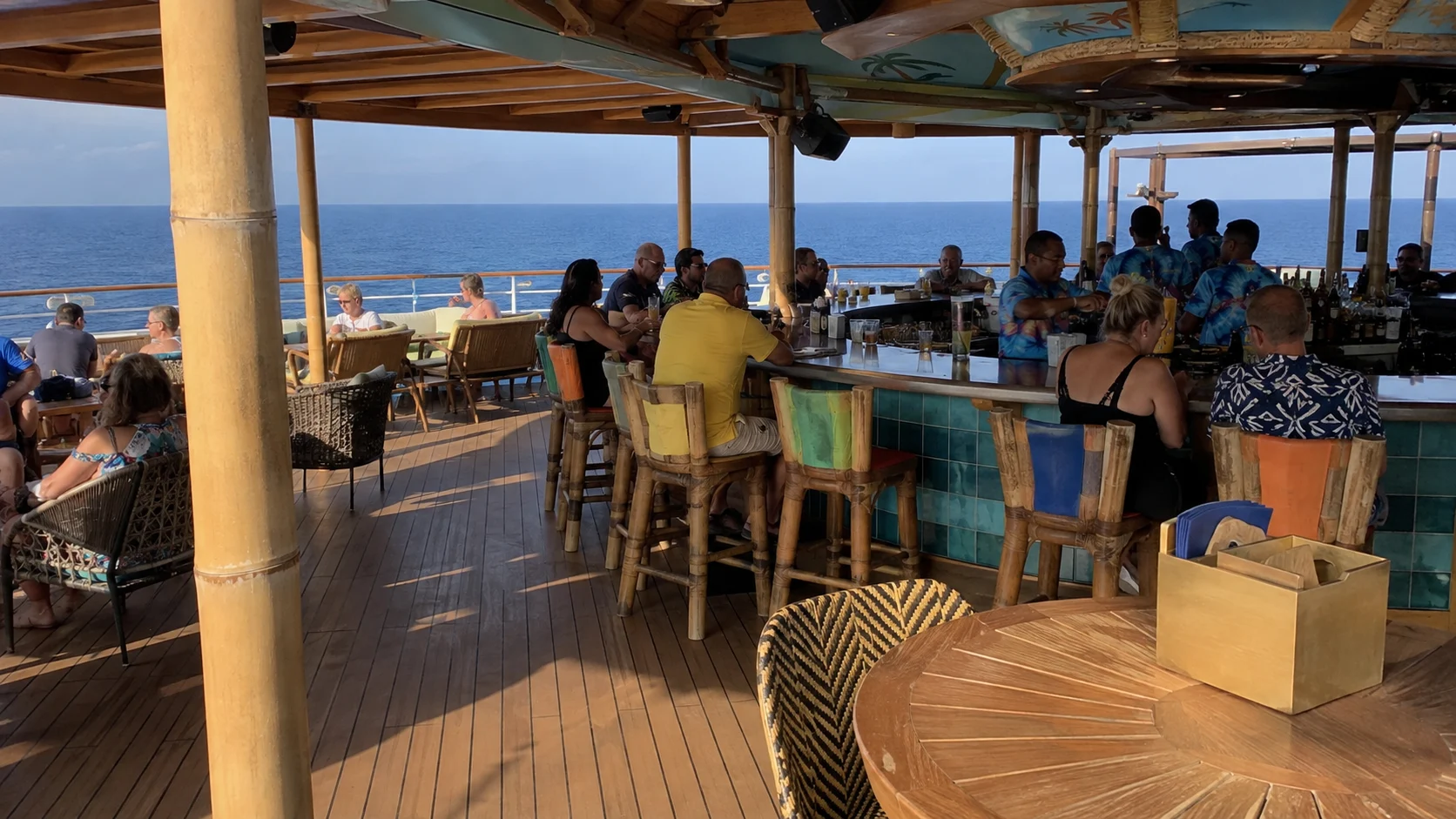
LandShark Pool is the social center with music, a large screen, activity, and the three-story bar. The 5 O’Clock Somewhere Pool has a resort-style music-and-food setting, while Tiki Pool is the adults-only alternative.
Going to the nearest pool by habit can make Islander feel louder or quieter than it really is. Walk the whole Deck 9 sequence on embarkation day and remember the area that matches your pace.
Arrive early for a preferred chair, but do not save loungers you are not actively using. On a port day, returning early can provide a calmer pool window than any sea-day strategy.
10. Treat Deck 11 as more than a shortcut
Mini golf, Paradise Pickleball at Sea, Dis ’N Dat Activity Zone, LandShark Lookout, and Caribbean Amphibian Play Pad and Slide make Deck 11 worth a dedicated visit. Go early or late when the sun and wind are friendlier.
Weather and operations can close exposed attractions. Check posted rules before promising a child a specific slide time or organizing a group tournament.
Even if you skip the games, the higher outlook makes a good orientation and sunset stop. The activity guide builds these options into a realistic sea day.
11. Build dinner around one must-see show
Current productions promoted by the line include Radio Margaritaville: Live at Sea, Conky Tonkin’ at Sea, and Caribbean Heat Remix. Titles and performance times can change, so use the schedule for your sailing.
Choose the one show your group would regret missing, then set dinner accordingly. Leave other evenings flexible for live bands, steel drums, DJs, comedy, lounges, or nightlife.
Arrive early for a preferred theater section, especially at the family-friendly performance time. Learn which of the Deck 2–4 entrances matches your intended seating before the crowd forms.
12. Register children before the popular sessions
The current kids program uses Jolly Mon for ages 3–6, Parakeets for 6–9, The Hangout for 10–12, and Far Out for 13–17. Siblings can land in different groups, so discuss that before reaching the desk.
Complete registration early, tour the rooms when offered, and understand pickup or self-check rules. Youth clubs operate in sessions, not as unlimited all-day access.
If adults plan a spa appointment, Tiki visit, or specialty dinner during club time, confirm the session before committing. The club schedule should support the plan rather than being assumed around it.
13. Set charging rules for children and teens
Arcade play, specialty food, drinks, shops, and other extras can accumulate quietly. Decide which purchases are allowed, set an account limit where available, and review charges before the final night.
Give older children a meeting point and a backup time if messaging fails. The atrium or another obvious landmark works better than “near the pool.”
Discuss adults-only areas and casino boundaries as part of the first-day walk. Clear rules create more independence than repeated texts asking where everyone is.
14. Handle Tampa embarkation conservatively
Arrive in the Tampa area with enough buffer for traffic, weather, flight disruption, and port procedures. For most travelers flying in, an overnight stay before the cruise is safer than relying on a same-day arrival.
Use the arrival time and document instructions issued for your exact sailing. Port practices can change, and an old social-media post is not a substitute for the cruise line’s current message.
Keep passports or other required identification, medication, valuables, chargers, and a change of clothes in carry-on bags. Checked luggage may not reach the cabin immediately.
15. Make embarkation day solve tomorrow’s problems
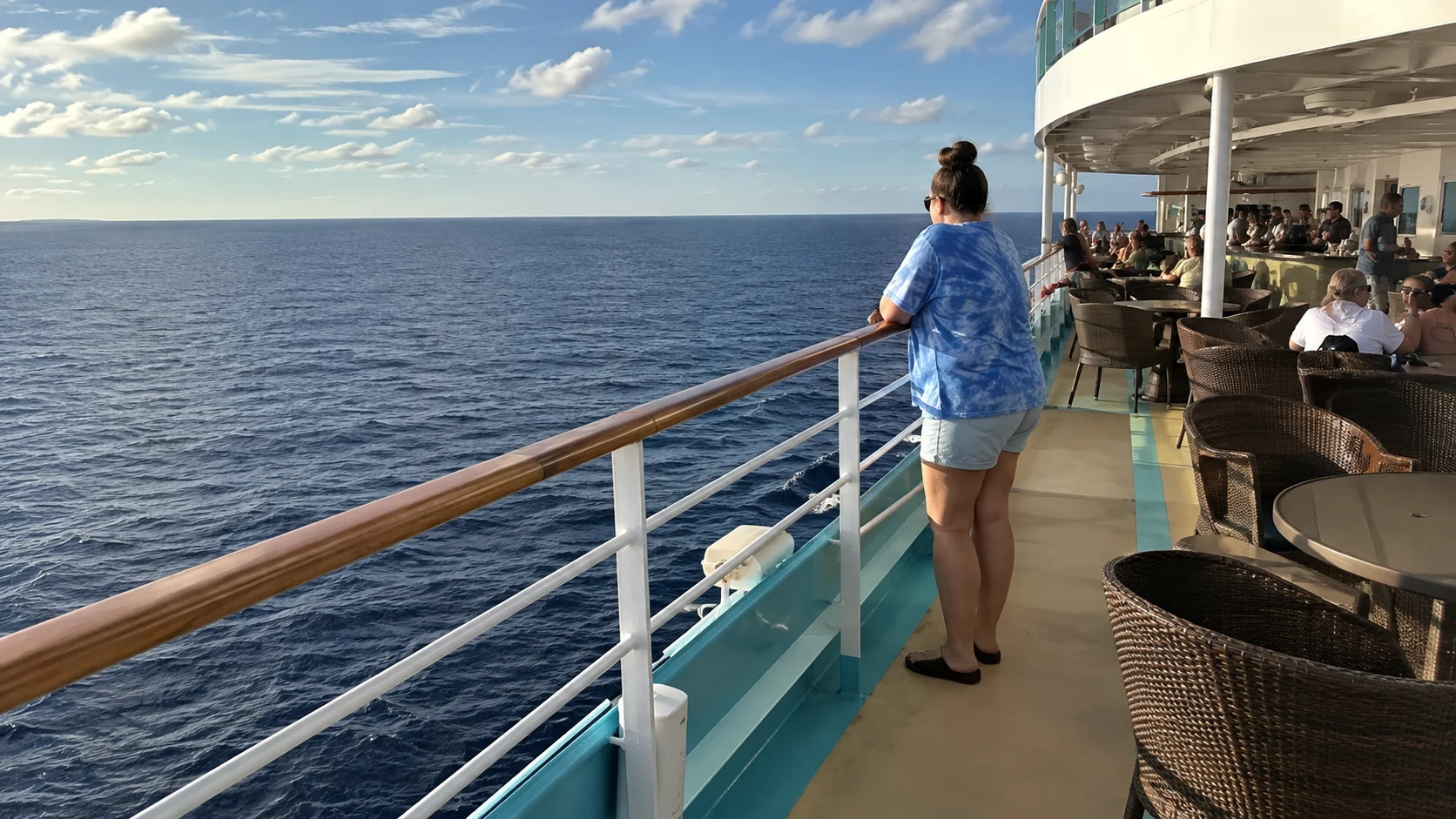
Once aboard, locate your cabin, dining rooms, theater entrances, kids clubs, pools, and emergency assembly information. Confirm reservations and inspect the daily schedule before settling into the first long meal.
Photograph the deck plan or save the relevant page for offline use. If your phone battery or connection fails, you should still know how to reach the room and meeting point.
Unpack only after checking that the cabin, sleeping setup, and any requested accessibility features match the booking. Report a problem early while the guest-services team has more options.
16. Pre-purchase selectively
Early purchase can secure availability or a lower advertised price for dining, drinks, spa treatments, internet, and special experiences. It can also lock money into products you would not have bought onboard.
Reserve items with limited capacity or genuine personal importance first. Leave flexible, plentiful experiences until the daily rhythm becomes clear.
Read refund, cancellation, age, and service-charge terms before checkout. A percentage saving is irrelevant when the product does not fit the trip.
17. Keep one quiet backup for bad weather
Rain and wind move pool crowds into the atrium, lounges, casino paths, and buffet. Identify a quieter lounge, a cabin break, a scheduled indoor event, or a slow meal before the weather changes.
This is where a balcony or larger room can earn its price, but interiors are not doomed. A book, downloaded entertainment, and a willingness to move one deck away from the crowd can create the same reset.
Do not judge the whole ship by the busiest indoor hour of a storm. The traffic pattern changes again as soon as outdoor decks reopen.
18. Review the account before the final morning
Check dining charges, drinks, arcade use, spa purchases, and credits while there is still time to ask questions. Waiting until disembarkation adds pressure and may force follow-up from home.
Keep receipts for package-covered purchases that appear incorrectly. A calm conversation with the date, venue, and amount is much easier than trying to reconstruct the evening.
Use the last night to pack, confirm transportation, and place required luggage outside by the stated deadline. Keep clothes, documents, medication, and chargers for the morning.
Quick answers
What is the biggest Islander mistake?
Booking only by price without checking the cabin location and likely extras. The fare, room, and onboard plan should be evaluated together.
Is Islander good for adults without children?
Yes, especially for adults who enjoy live music, casual dining, nightlife, and the adults-only Tiki zone. Choose a cabin away from family and pool traffic if quiet matters.
Do I need a dining package?
No. The five complimentary restaurants can cover the entire cruise, and many travelers need only one separately booked specialty dinner, if any.
Which deck is easiest for a quiet cabin?
Deck 6 or 7 near midship is the strongest general starting point. Check connecting doors, elevator lobbies, and the exact room symbol before booking.
For the overall fit, read the pros and cons and compare the best cabins. Those two decisions shape more of the trip than any single onboard hack.
How this guide was researched: These tips were checked against the current official Islander deck plan, ship pages, dining and package listings, activity information, accommodation descriptions, and youth-program ages. Prices, schedules, access rules, and embarkation instructions can change by sailing.
Final recommendation
Make the important choices before departure, then loosen the schedule once aboard. A selected cabin, honest budget, simple ship map, and one or two reservations create enough structure for the rest of the vacation to feel spontaneous.
The real Islander secret is not doing more. It is removing the predictable friction so the music, water, food, and people you came for have room to become the trip.