MSC Euribia Dining Guide: Restaurants, Costs, and Best Choices
MSC Euribia gives you plenty to eat without paying extra, but Le Grill and Kaito Teppanyaki are the two reservations worth considering for a special night.
Start with your included restaurant, save the buffet for flexible meals, and let the food you actually want decide whether a dining package earns its place in your budget.
Short version
Choose Le Grill for a French brasserie dinner, Kaito Teppanyaki for an entertaining shared-grill meal, and HOLA! for casual tacos and small plates. Your assigned main restaurant and Marketplace Buffet cover ordinary meals; Yacht Club dining belongs to Yacht Club guests, and specialty packages cover food with limits, rather than every item on the menu.
What is included, and what costs extra?
The easiest way to overspend on Euribia is to buy extra dinners before trying the ones already included in your cruise fare. Give your assigned restaurant a proper chance, especially if you like sitting down together at the end of a busy port day.
- Included: standard meals in your assigned main restaurant and Marketplace Buffet, with no separate dining cover charge.
- Extra: Le Grill, HOLA! Tacos & Cantina, and the Kaito sushi, robatayaki, and teppanyaki options, unless your booking includes a relevant dining benefit.
- For Yacht Club guests: the private restaurant, lounge food, and outdoor dining within that accommodation’s benefits.
- Separate spending: specialty drinks, premium menu supplements, chocolate-counter treats, and applicable room-service charges.
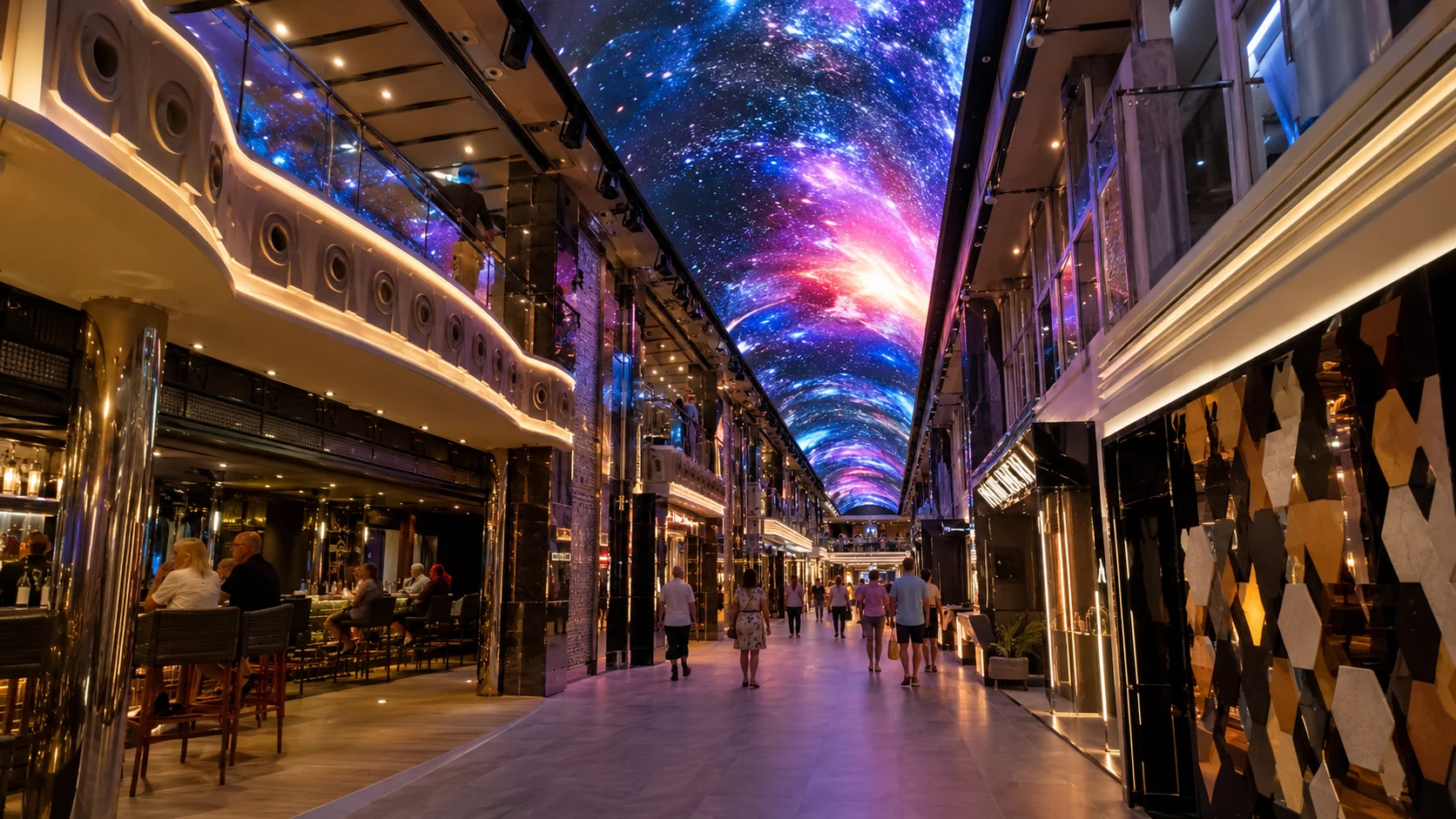
Most public dining is clustered around the lower-deck promenade, while Marketplace is upstairs on Deck 15. Our Euribia deck guide helps you put meals, shows, and your cabin into one sensible evening route.
The main restaurants: make these your starting point
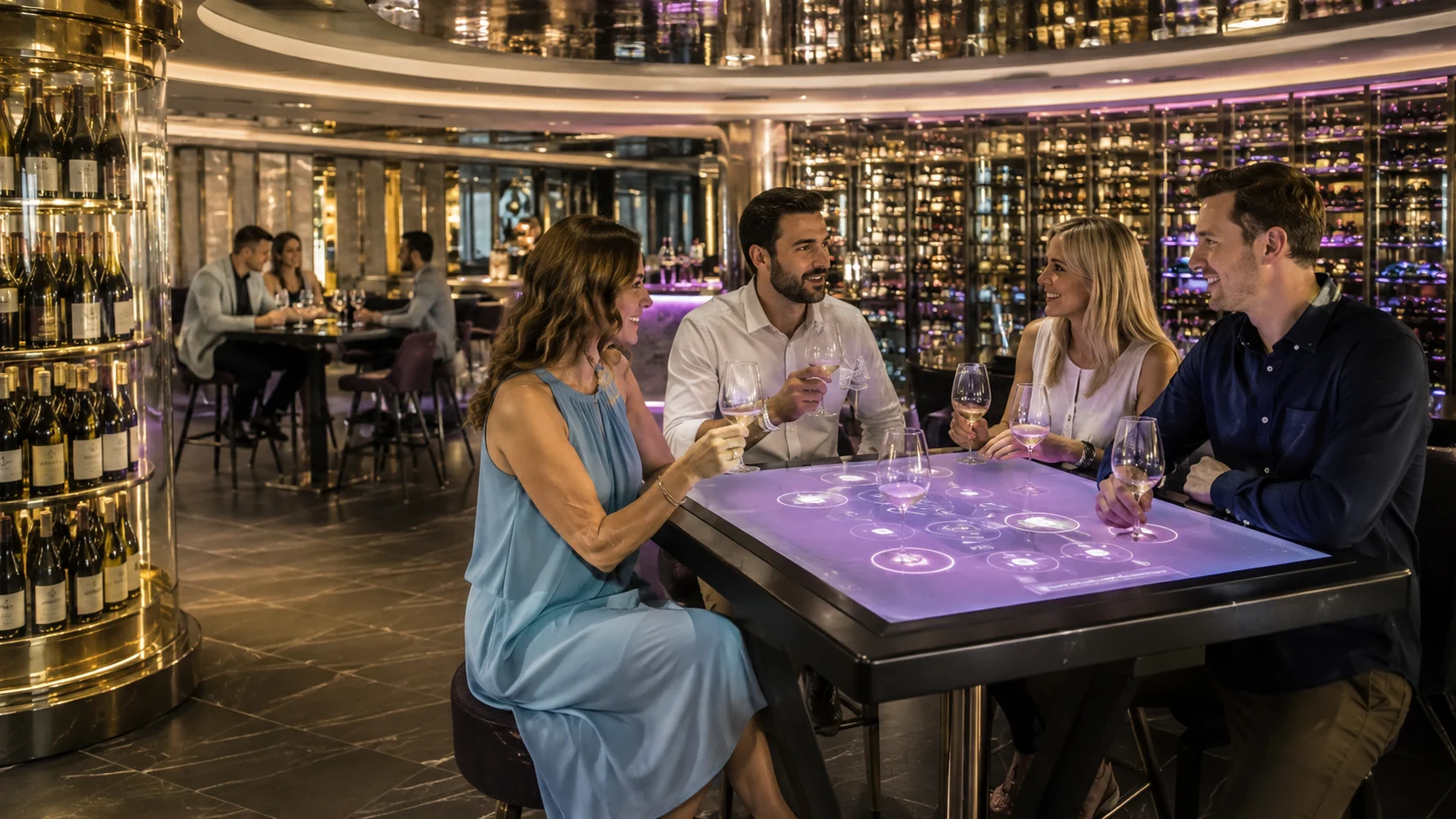
Green Orchid is on Deck 5, Aurora Boreale, Aurora Borealis, and Colorado River are on Deck 6, and Il Campo is on Deck 7. The restaurant on your cruise card is your dinner assignment, so head there rather than choosing a different dining-room name from the deck plan.
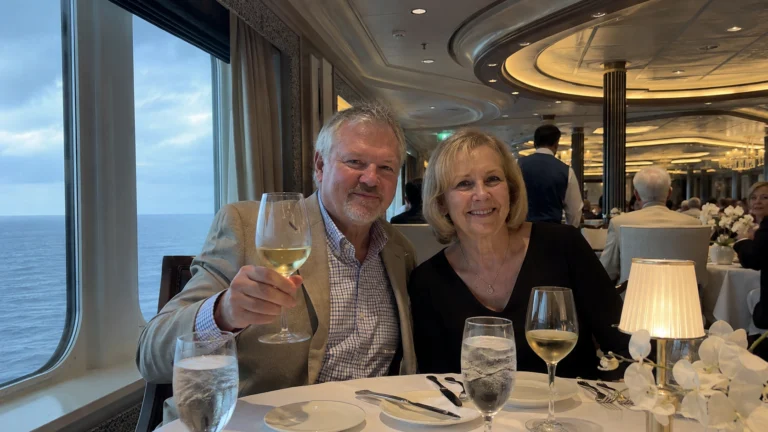
These are included main restaurants, with rotating Mediterranean and international menus. Your dinner time and any flexible-dining privileges depend on your booked experience, so a balcony cabin by itself does not tell you how dinner works.
For a satisfying first evening, lean toward a pasta or risotto that appeals, followed by a fish or meat dish and a plated dessert from that night’s menu. Those are useful categories to look for, rather than a promise that a particular recipe will appear on every cruise.
Ask your server what they recommend among the evening’s choices, especially when two entrees look equally tempting. That little conversation is more helpful than expecting one dish someone loved on a different sailing to be waiting for you.
A seated dinner suits families who want everyone fed together and couples who want the evening to feel like an occasion. On a night when you are tired, running late, or simply craving something quick, the buffet gives you a welcome escape from a longer meal.
Leave breathing room between dinner and a show, rather than booking a paid meal right before the curtain rises. The Euribia entertainment guide makes it easier to choose which evenings deserve that extra time.
Marketplace Buffet: your most flexible meal
Marketplace Buffet on Deck 15 is the practical choice for breakfast, lunch, dinner, and casual food during its posted service periods. Different stations can open and close at different times, so the daily program matters more than a general claim that the buffet is open.
Walk through before filling your plate, especially on the first day when you have not learned where everything is. Otherwise, it is very easy to pick the first thing you see and discover your preferred food farther along.
For breakfast, build a meal that fits the morning: a lighter plate before a long excursion, or a slower breakfast when the ship is your destination. Get the whole family fed before gathering bags and coats, rather than trying to solve breakfast as everyone heads toward the gangway.
For a late return from port, look at that evening’s buffet service before assuming your assigned dinner seating will still work. Having a simple backup is much nicer than rushing the last hour ashore to protect a meal you can replace.
Le Grill: the reservation for a French brasserie evening
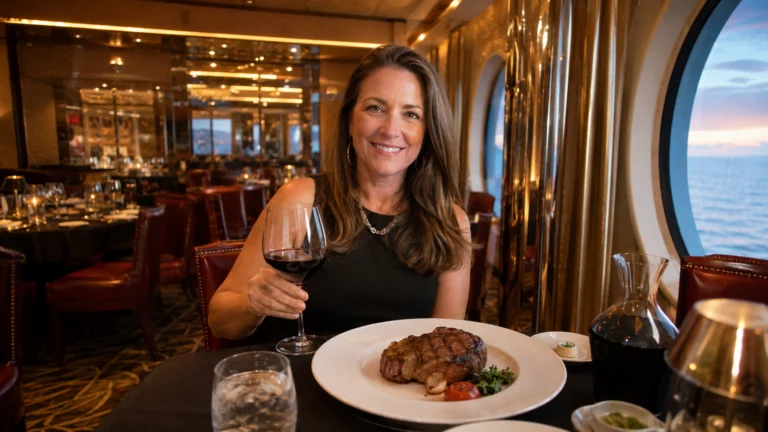
Le Grill on Deck 6 is the best fit when you want dinner itself to be the evening’s treat. The French brasserie menu makes this a more distinctive choice than paying extra merely to avoid the main restaurant.
My menu pick is French onion soup, moules frites, and mille-feuille if those dishes are on your sailing’s menu. The soup and mussels give the meal its brasserie character, while the pastry is a fitting finish without needing the most expensive entree.
For another route, start with the warm goat cheese tart and choose salmon if you prefer fish to shellfish. The Le Grill menu is a sample, so use those dishes as a shortlist rather than a guaranteed nightly order.
Its sample three-course arrangement includes a starter or soup/salad, a main course or steak, one side, and dessert. Premium choices, including certain seafood and beef dishes, are marked separately, and additional courses or sides can increase the bill.
Treat the shellfish platter or lobster tagliatelle as a deliberate splurge if that is what excites you. A prepaid dinner is not permission to order every impressive-looking item without a supplement.
Give Le Grill an evening with time to linger, and resist squeezing it between an excursion return and a fixed show. If you are only booking one paid dinner and prefer conversation to a cooking performance, this is the one to consider first.
HOLA!: tacos, sharing plates, and a casual change of pace
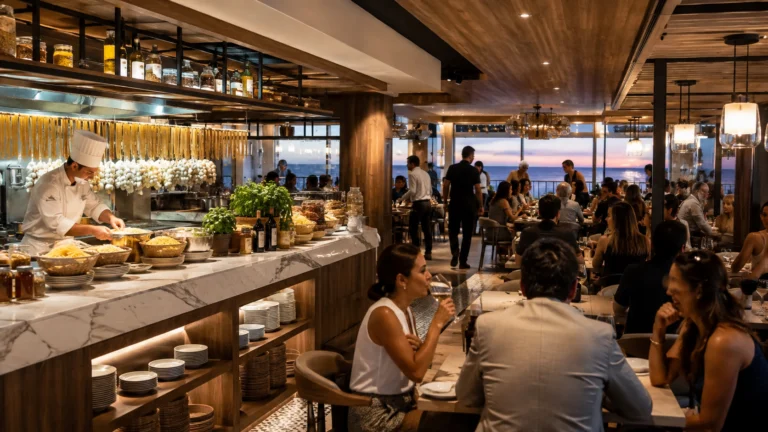
HOLA! Tacos & Cantina on Deck 6 suits the night when a formal meal feels like too much effort. Small dishes and a relaxed format make it an easier choice for a group with different appetites.
Build the meal around tacos you actually want, with nachos or another sharing dish for the table. Start smaller than your appetite suggests, since it is easier to add another plate than to enjoy a table crowded with food nobody can finish.
Blue-corn tacos, tamales, tortilla soup, and vegetarian choices are part of MSC’s representative HOLA! offering. The HOLA! sample menu gives you a better feel for the food before deciding whether to pay for it.
Tortilla soup and a few tacos make more sense for a lighter meal than automatically choosing the biggest ordering option. Keep the salsa on the side if you want to adjust the heat, and ask about the ingredients rather than guessing from the color.
Compare the current à la carte offer with any fixed-price or package arrangement before ordering. A smaller paid meal can be the better purchase when the buffet and main restaurant already cover most of your week.
Drinks are a separate decision, including margaritas and other specialty beverages. Add those to your budget only when your drink package or the displayed price gives you the answer for that order.
Kaito: choose between sushi, grilled dishes, and the show
The Kaito dining area on Deck 7 gives you several different ways to enjoy Japanese food. Choose the format first, because a sushi meal, a robatayaki dinner, and teppanyaki at a shared cooking station have different rhythms.
Kaito Teppanyaki is the choice for people who enjoy watching dinner come together in front of them. Fixed seating times and the shared grill make it worth arranging early if the performance is one of your cruise priorities.
Pick a set meal based on its actual main ingredients, rather than assuming the highest tier is the best one. If the lobster or premium beef is not what you particularly want, there is little reason to pay more just for the label.
Sushi and robatayaki suit a meal where the food takes center stage without committing to the same grill performance. Robatayaki adds grilled meat, seafood, and vegetables, so this can work for a group that does not all want raw fish.
The Kaito sample menu includes an Ebi roll with shrimp tempura and a Five Veggies roll. Those are useful starting choices for someone who wants cooked shrimp or a vegetable-focused roll instead of a raw-fish platter.
A reservation or dining credit needs to match the Kaito format you intend to book. Ask for that specific experience, rather than simply saying “Kaito” and assuming the same menu and package apply throughout the area.
Dining packages: buy the meals you want, not extra obligations
A package makes the most sense when you already want several eligible specialty meals. For one French dinner or one teppanyaki evening, compare the single-meal offer first instead of assuming a larger bundle must save you money.
Under MSC’s specialty package terms, prepaid package gratuities are included, drinks are separate, and selected premium dishes cost extra. Unused multi-meal credits are nonrefundable, and reservations remain subject to availability.
A multi-meal package can be used only once at Le Grill on Euribia. Do not buy several credits expecting to turn every evening into a repeat French brasserie dinner.
Children under 3 receive a complimentary specialty meal under those terms, while ages 3–12 have a fixed-price children’s menu arrangement. HOLA! is excluded from the stated children’s-menu adult-upgrade provision, so do not apply that particular rule there.
What should you budget?
Standard included meals have no separate dining cover charge, so a specialty-dining budget of $0 is entirely workable. Paid dinner prices depend on your sailing, booking market, package, and chosen supplements; there is no dependable single dollar price for every Euribia cruise.
The official sample menus are not a usable price list for your reservation, and some display currency symbols without amounts. Use the total in your own booking for advance purchases and the priced menu aboard for à la carte orders.
Compare three things: the exact meals you want bought separately, the package covering those same meals, and any extra dishes or drinks you plan to order. Give an unwanted third meal no value in that calculation, even if the bundle makes it sound like a bargain.
Then choose times that actually fit your trip, with space after returning from port and before a show. A small discount is not worthwhile if you spend the week rearranging good plans to redeem prepaid dinners.
Yacht Club, coffee stops, and food in your cabin
Yacht Club dining is part of the private accommodation experience, rather than another public restaurant everyone can book. On Euribia, its restaurant is on Deck 18 and Top Sail Lounge is on Deck 16.
If you are staying in Yacht Club, start with that dining before purchasing several meals outside it. The Euribia cabin guide helps explain how that upgrade changes the wider cruise experience.
L’Atelier du Voyageur on Deck 6 is a bar and art space, making it a natural stop around a Le Grill evening. It belongs in your drinks plan rather than your count of bookable dinner restaurants.
Jean-Philippe Chocolat & Café is a place for a chocolate, pastry, or coffee break rather than a replacement for an included dinner. Budget for the treat you order, and do not assume a beverage package covers the food beside it.
For room service, separate a delivery charge from the price of the food on the in-cabin menu. An experience that includes delivery does not automatically turn every dish into an included meal.
Use it when eating in your room genuinely makes the day easier, especially after a tiring outing. If keeping costs down is the priority, the buffet is the more straightforward backup during its service hours.
Make the food fit your cruise
On embarkation day, find your assigned dinner restaurant and arrange the specialty experience you most care about. Leave another evening open so you can return to a meal you enjoyed or stay ashore longer without a paid reservation hanging over you.
Tell MSC about allergies or intolerances through the booking form, then speak with the maître d’ after boarding. For a specialty reservation, raise your needs before the meal rather than waiting until the plates arrive; do not treat buffet labels or a shared grill as a guarantee against cross-contact.
For families, choose a longer dinner when the children have the energy for it and use a flexible meal when they do not. For couples, put Le Grill on the evening when you want to sit and talk, and pick teppanyaki when sharing the experience is the fun.
The point is to enjoy Euribia’s food without turning every meal into another booking to manage. Let the included restaurants do most of the work, then pay for the cuisine or atmosphere that makes your particular cruise better.
How this guide was researched
Restaurant locations and formats were reviewed against MSC Euribia’s deck information and ship descriptions, with representative MSC menus and specialty-package terms used for food and inclusion details. Menus, service hours, prices, and reservation availability vary by sailing; recommendations describe what to consider, rather than firsthand dining claims.