Queen Elizabeth Cabins to Avoid (and the Compromises Worth Skipping)
On Queen Elizabeth, compare 5114’s partial balcony obstruction, 4056’s lifeboat-blocked window and 4004’s metal-front balcony before paying for the view.
For an ordinary balcony, start with central Deck 6 rooms 6080 or 6085, then accept another position only when its savings or daily convenience earns the compromise.
Short version: Inspect CA/CB partial balcony obstructions, Deck 4 FB/FC window obstructions, and individual metal-front symbols separately. Light sleepers should compare Deck 8 with residential Deck 6 or 7; motion-conscious buyers should avoid paying for a high bow position, and location-sensitive buyers should keep an assigned number.
Compare 5114 with 6080 or 6085 for a clearer outlook
CA and CB are partially obstructed balcony categories linked to lifeboat mechanisms, with CA on Deck 5 and CB on Decks 4 and 5. That is a different compromise from a window behind a lifeboat or a balcony with a solid metal front.
Consider a CA or CB room when you want daylight and private outdoor air at a meaningful discount. Avoid it when watching scenery from the chair is the main reason you are paying for a balcony.
For a concrete comparison, the current plan marks Deck 5 room 5114 as a CA balcony with the partial-obstruction symbol. Compare it with a clear-view standard balcony such as BA 6080 on Deck 6, keeping the fare, beds, and dining grade in the comparison.
Use the current deck plan and a photograph of the exact balcony before deciding. A category label cannot tell you which direction the mechanism affects or whether its position will bother you when seated.
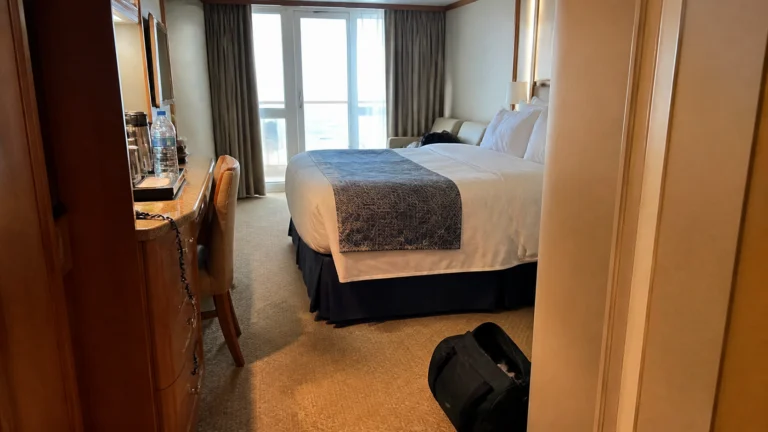
A photograph from a neighboring room may help explain the general setup, but it should not stand in for the room you are buying. Save the number and view information with the quote so an assignment change does not quietly change the bargain.
Don’t confuse an obstructed window with a balcony
FB and FC are obstructed Oceanview categories on Deck 4, where the plan marks lifeboat-blocked views. They give you daylight through a window without private outside space.
Room 4056 is a specific FC example marked with the lifeboat-obstruction symbol. It can be a sensible purchase if you mainly want daylight, but it is a poor substitute for an open horizon when scenic viewing from the room matters.
Compare 4056 with EB Oceanview 1050 on Deck 1 for a window without the lifeboat-obstruction designation. The lower room has public space overhead near the Queens Room, so 6080/6085 are better comparisons when cabins above and below matter more than the lowest fare.
Also compare the price with Inside rather than only with a clear Oceanview. An obstructed window may be worth a modest premium for your morning routine, while a large premium could buy little of the scenery you hoped for.
Read the metal-front symbol on a BF quote
Some forward Deck 4 BF balconies have metal fronts, marked with the diamond symbol on the plan. Room 4004 is one example to inspect if you care about seeing the sea while seated.
The solid lower barrier can provide privacy or shelter, but it changes the chair-level view. That can be an acceptable trade for a good fare if you expect to stand for scenery and spend most outdoor time on public decks.
Choose a clear-front room such as BA 6080 or 6085 instead when reading outside with a sea view is part of the daily plan. Both also move the room away from the bow, which can suit travelers concerned about movement.
Do not extend the Deck 4 metal-front warning to every BF room on Deck 8. BF describes a category and location range; the room’s individual symbol is the useful evidence for its balcony front.
A shaded balcony has a separate symbol as well. Shade describes overhead structure, which is helpful for some travelers and disappointing for others, and it does not automatically mean a lifeboat obstruction or a solid front.
Check what is above Deck 8
Deck 8 is one level below the main daytime hub on Deck 9. The space above can be a poolside deck, restaurant, lounge, spa, gym, service area, or an outdoor edge, depending on the exact room.
For a light sleeper, possible early preparation and chair movement matter more than a short trip to breakfast. Avoid choosing the deck solely because the room has a premium grade or looks convenient on a category list.
Compare a central Deck 8 balcony with a central Deck 6 or 7 balcony that has accommodation above and below. The lower residential option may cost less while giving you rooms overhead, with a slightly longer trip to the pools as the tradeoff.
Deck 5 is also residential, so a Deck 6 room is not automatically over the Queens Room or Royal Court Theatre. Those public spaces are on the lower decks, and rejecting all of Deck 6 on that assumption would remove useful choices.
Our Queen Elizabeth deck guide helps you map the daytime places you will use. Check the footprint rather than treating every room under a pool deck as equally exposed or promising that having cabins overhead guarantees silence.
Avoid the bow when motion is your main concern
The two forward-facing EF Oceanviews on Deck 6 have a distinctive outlook, but they are at the front of the ship. Choose them for that view and layout, rather than assuming an Oceanview category means a low, central room.
Forward suites and balconies have the same location tradeoff. A larger room or higher service tier does not change how far forward its address is.
If motion worries you, begin with a lower central position and compare the room’s surroundings there. A central Deck 1 Oceanview or a lower residential balcony may support that preference better than a high room near the bow.
Then consider the routes you will repeat, because the lowest room is farther from Deck 9 and the upper lounges. Keep the location benefit and daily elevator trips in the same decision rather than solving one concern while creating another inconvenience.
Don’t buy an aft suite without pricing the walk
The Q1 Grand Suites sit aft on Decks 6 and 7, and aft balcony rooms can appeal for their wake views. They suit travelers who enjoy the stern outlook and expect to use the room’s outdoor space.
They also create a longer trip to the forward Royal Court Theatre and Commodore Club. Possible vibration during maneuvering is another reason to check an aft location if you are sensitive to it, without assuming every sailing produces the same experience.
Compare a central suite or balcony when you regularly return to the room between activities. For a mobility device or tired legs, an easier route may matter more than a bigger balcony you use only occasionally.
Our Queen Elizabeth cabin guide separates those room and dining benefits. Choose the suite for its layout and service, then decide whether its exact position supports the day you want.
A dining upgrade cannot fix the wrong room
Britannia Club gives you its own restaurant and dedicated-table experience, while Princess and Queens Grill add suite and private-area benefits. Those are reasons to upgrade, but none tells you whether the ceiling, balcony, or hallway will suit you.
Ordinary Britannia already has an open-dining option as well as early and late seating. Do not pay the Club premium solely to escape a fixed dinner time without first checking the arrangements available in your original fare.
The Club experience is most useful when you want that restaurant relationship and additional menu choices. Map the A1 or A2 room itself before deciding whether the dining benefit outweighs a ceiling or view compromise.
For Princess Grill, compare a Deck 7 P1 suite with a Deck 8 P1 suite if having cabins overhead matters. Keep the suite layout and fare alongside the deck difference rather than treating a one-deck change as a universal improvement.
Check beds and doors before accepting a bargain
Queen Elizabeth’s plan distinguishes a sofa bed, upper berth, connecting door, accessible room, and powered-mobility-friendly room. Read the exact symbols for the room you are offered instead of assuming every cabin in its family sleeps the same number.
Ask how the room works after every extra bed is open. The path to the bathroom, access to storage, and usable sitting space may decide whether one cabin is comfortable for your party.
For two households or adults with different sleep times, compare two rooms with a confirmed internal connection. Two adjacent numbers are not enough, and each room still needs the right approved occupancy.
For access needs, request a designated room and confirm the doorway, bathroom, bed approach, equipment storage, and required assistance with Cunard. A larger suite does not automatically provide the features of a marked accessible room.
Keep control of the room when location is essential
An unassigned fare can save money by leaving the final number to Cunard within the booking rules. It makes less sense when you would reject a particular deck, obstruction, connecting door, or distant position.
The fare and dining rules distinguish fares that let you make requests from later-value fares with allocated room and dining arrangements. Read the terms in your market before comparing the headline fare with a selected-room quote.
Choose an assigned room when mobility, motion sensitivity, sleep, or proximity to family makes the location important. Accept an allocation when the eligible outcomes genuinely work for you and the savings buy something more useful elsewhere in the trip.
Use our Queen Elizabeth planning tips to match the room to meals, viewing, and reservations. Once two rooms both work, let the price settle the choice; before that, keep the documented compromise at the center of the decision.
How this guide was researched
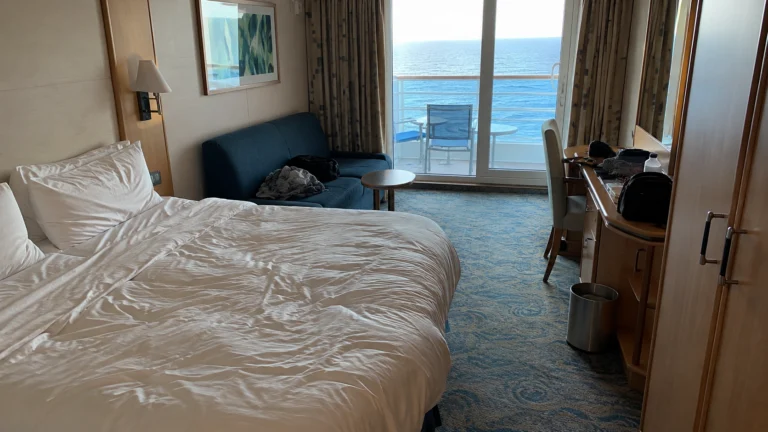
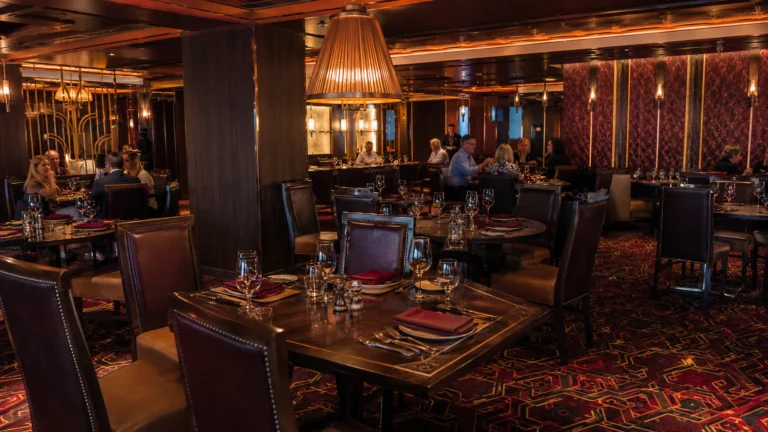
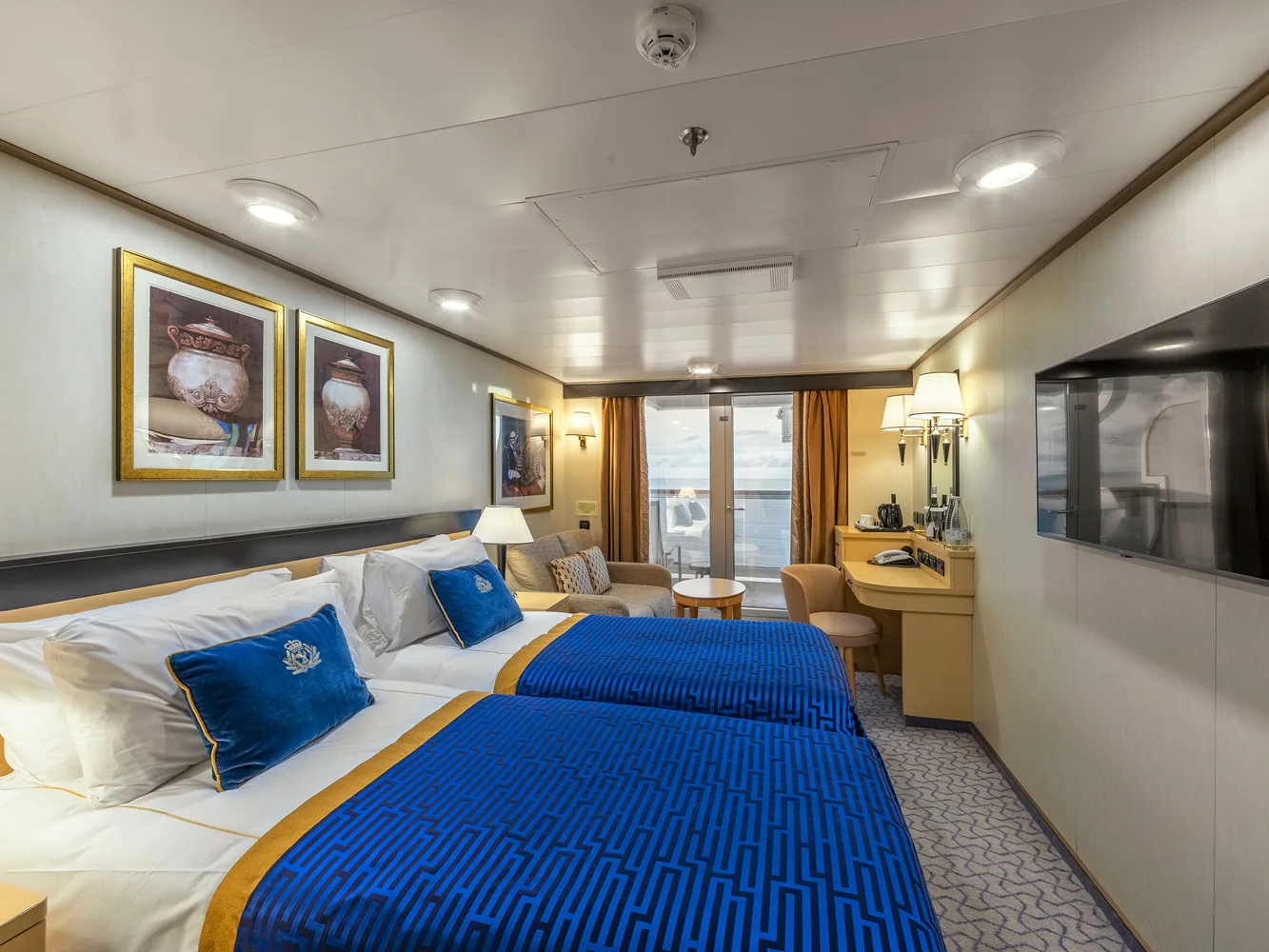
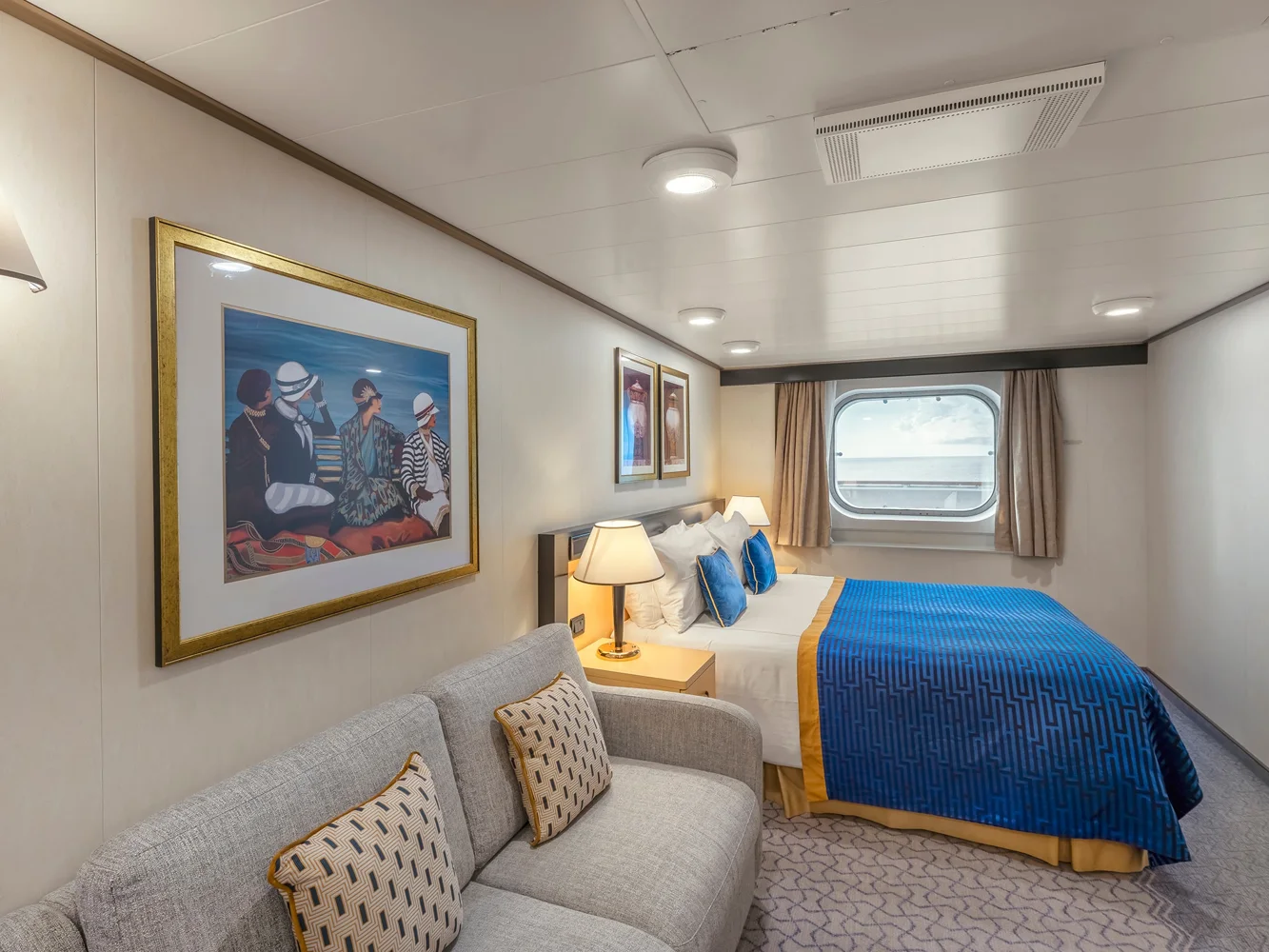
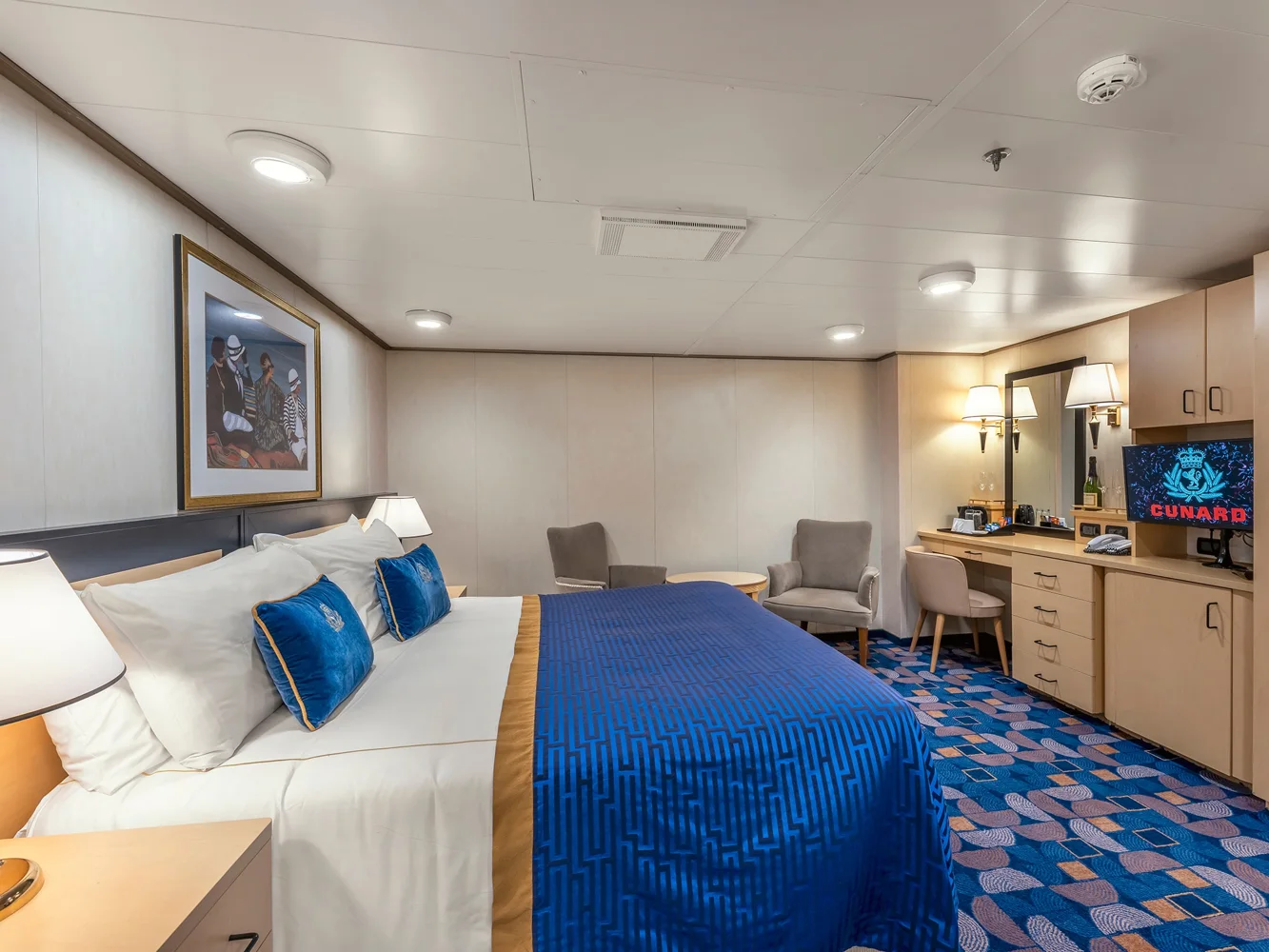
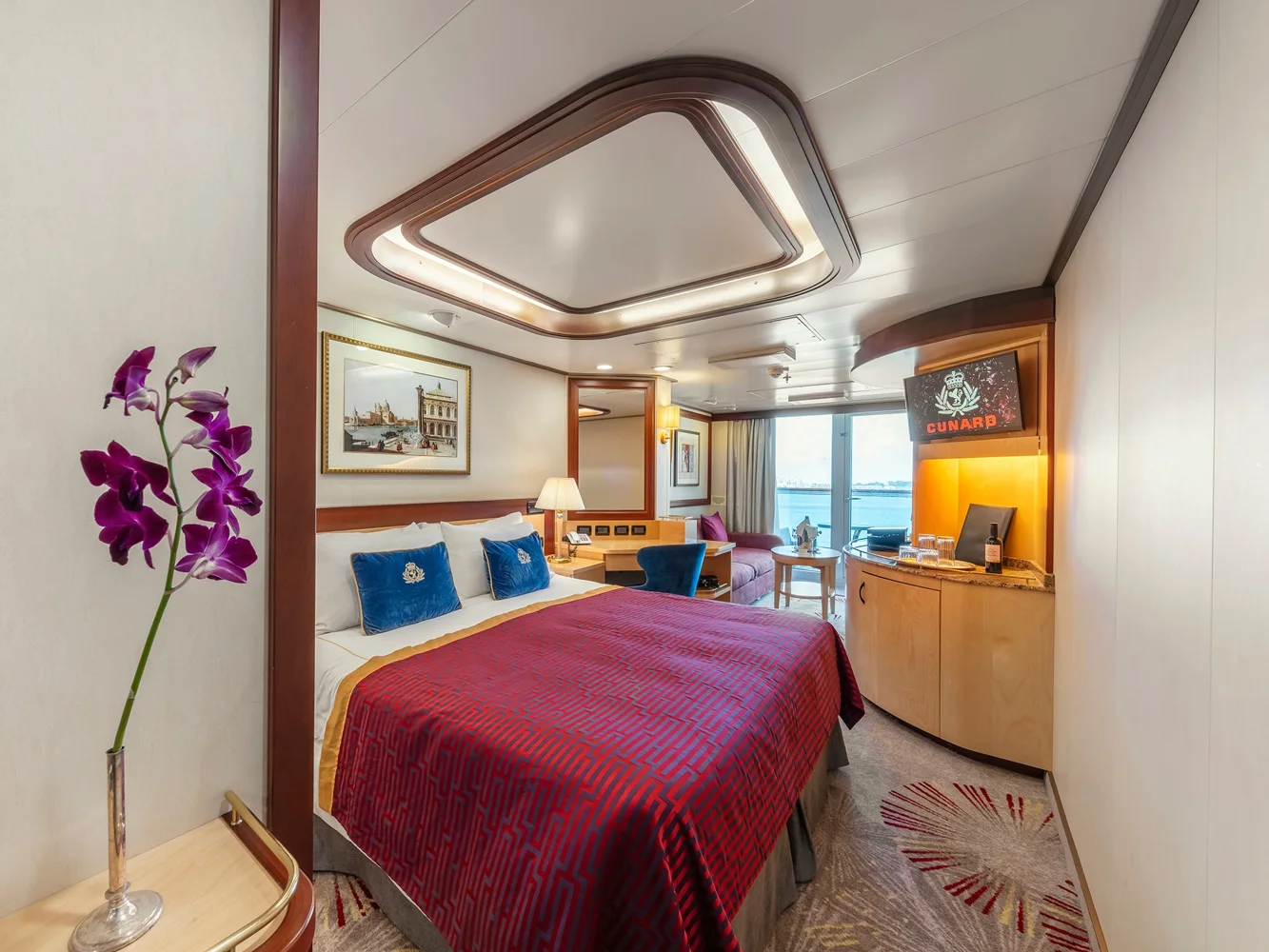
Recommendations combine Queen Elizabeth’s deck plan with Cunard accommodation, dining, activity and guest policies. Room examples identify documented layouts and physical neighbors, while the sailing program supplies times and available sessions; photographs show representative operator accommodation rather than the numbered candidates.