Margaritaville at Sea Islander Pros and Cons: Who Should Book?
Margaritaville at Sea Islander is happiest when you treat it as a lively, casual resort at sea rather than a traditional cruise wrapped in palm-tree decor.
Its strongest features are easy fun, distinct pool zones, varied live entertainment, and a ship size that offers choices without feeling endless.
Short version: Book Islander for an upbeat, unpretentious vacation with live music, family facilities, several pool personalities, and a good mix of included food. Look elsewhere if you want luxury-level service, a quiet ship after dark, a huge water park, or a fare that includes most drinks and specialty experiences without careful package math.
The quick verdict
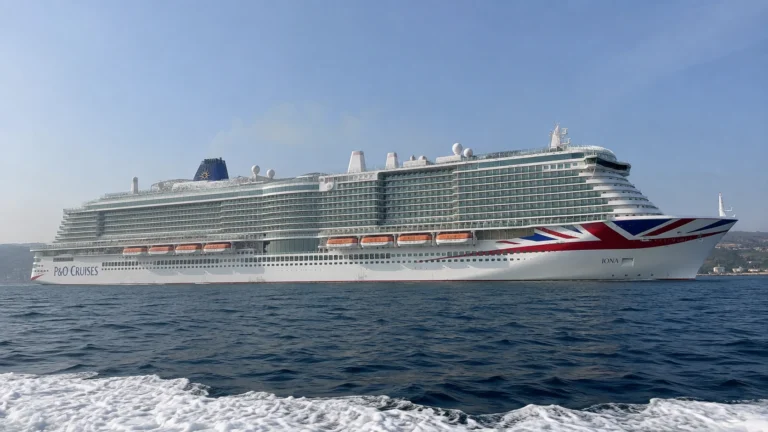
Islander carries up to 2,680 passengers according to the current official deck plan. At 85,861 gross tons and 960 feet long, it is large enough for multiple neighborhoods but still easier to learn than today’s biggest resort ships.
The experience works best for couples, families, and friend groups who enjoy live music and a cheerful bar-and-pool atmosphere. It is less convincing for travelers who equate a cruise with hushed lounges, highly formal evenings, or a long list of included premium dining.
Pro: the ship has a clear personality
Many ships try to appeal to everyone and end up feeling generic. Islander leans into bright colors, familiar song references, casual food, tropical drinks, and an “island time” mood that is easy to understand from embarkation day.
That consistency helps first-time cruisers because the vacation does not demand a complicated dress code or a rigid daily strategy. You can move from the pool to live music to dinner without feeling as if you entered three unrelated resorts.
The personality can also be the first con. If the Margaritaville aesthetic feels kitschy to you on land, several days of branded names and music cues will not make it subtler.
Pro: three pool areas spread out different moods
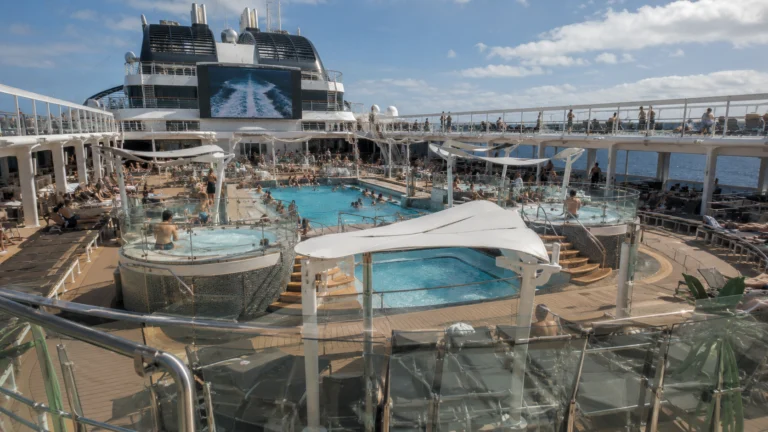
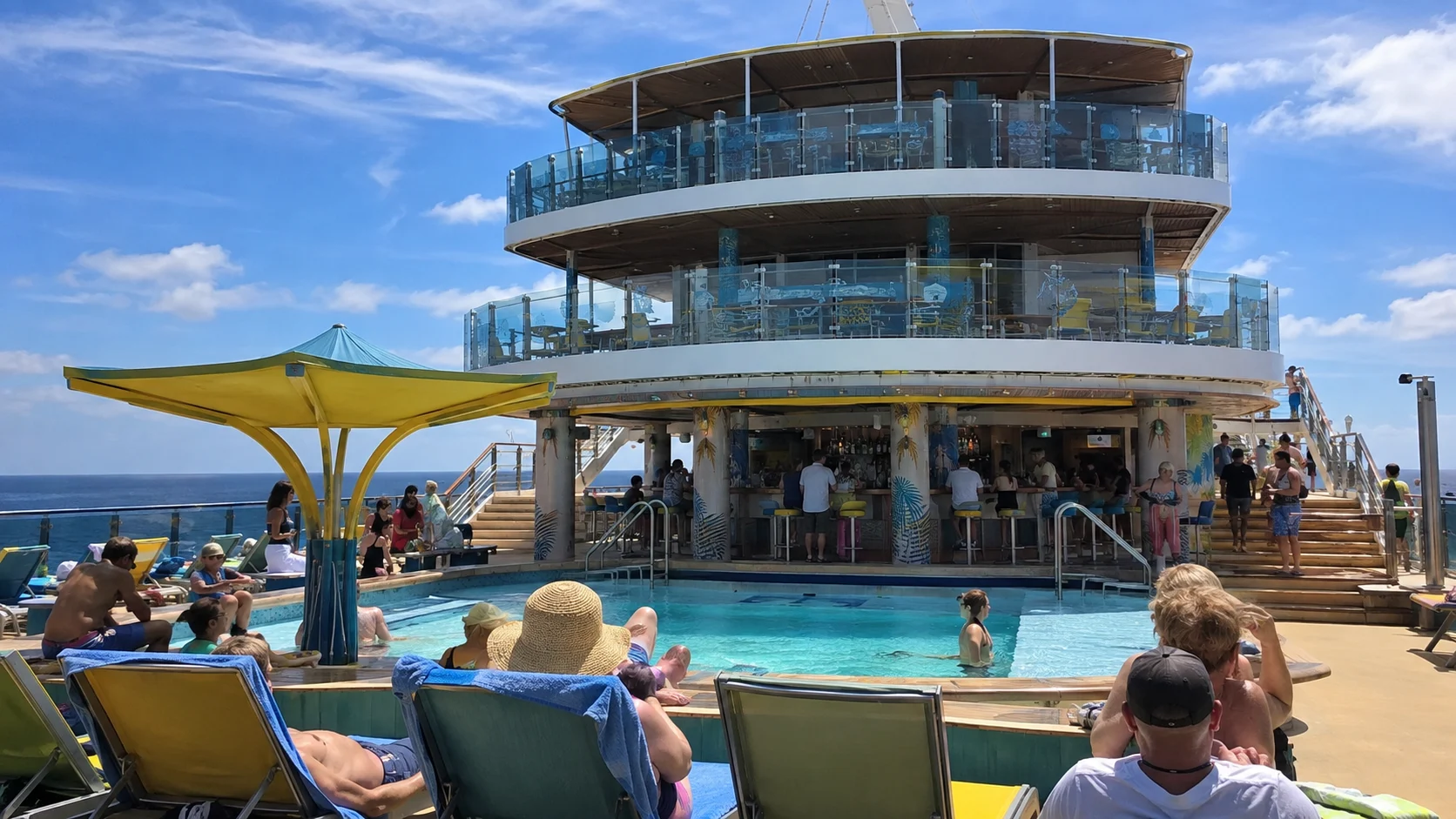
LandShark Pool is the social center, with the three-story LandShark Bar, a large screen, music, and organized activity. It is where to go when you want to be part of the energy rather than simply sit near water.
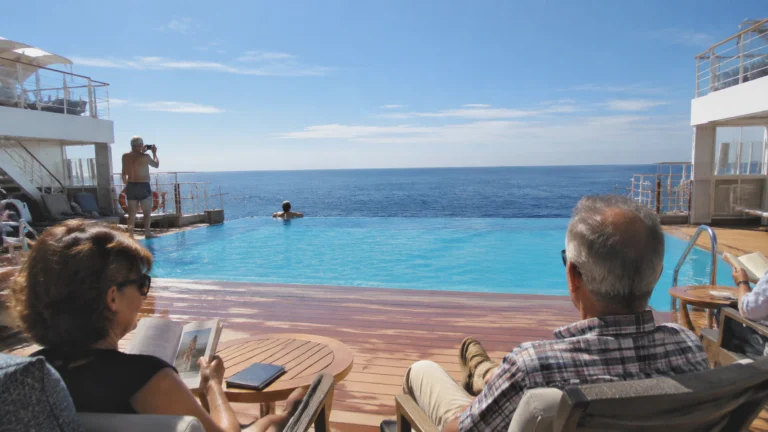
The 5 O’Clock Somewhere Pool has a more relaxed, music-friendly resort feel with nearby food. The Tiki Pool and Tiki Bar create an adults-only alternative for guests who want fewer family activities around them.
This separation is smarter than one pool trying to serve everyone. The ship overview also shows Caribbean Amphibian Splash and Slide for children, which keeps family water play from depending on the main pool alone.
Con: busy weather days can feel crowded
Pool space is finite, and sea days concentrate everyone outdoors when the weather cooperates. Chair-saving, popular bar queues, and packed pool edges can still happen even with distinct zones.
Bad weather shifts that pressure indoors toward the atrium, lounges, casino, and food venues. Travelers who dislike crowds should eat off-peak, use the ship early in the morning, and keep one quiet indoor backup in mind.
Pro: entertainment goes beyond one theater show
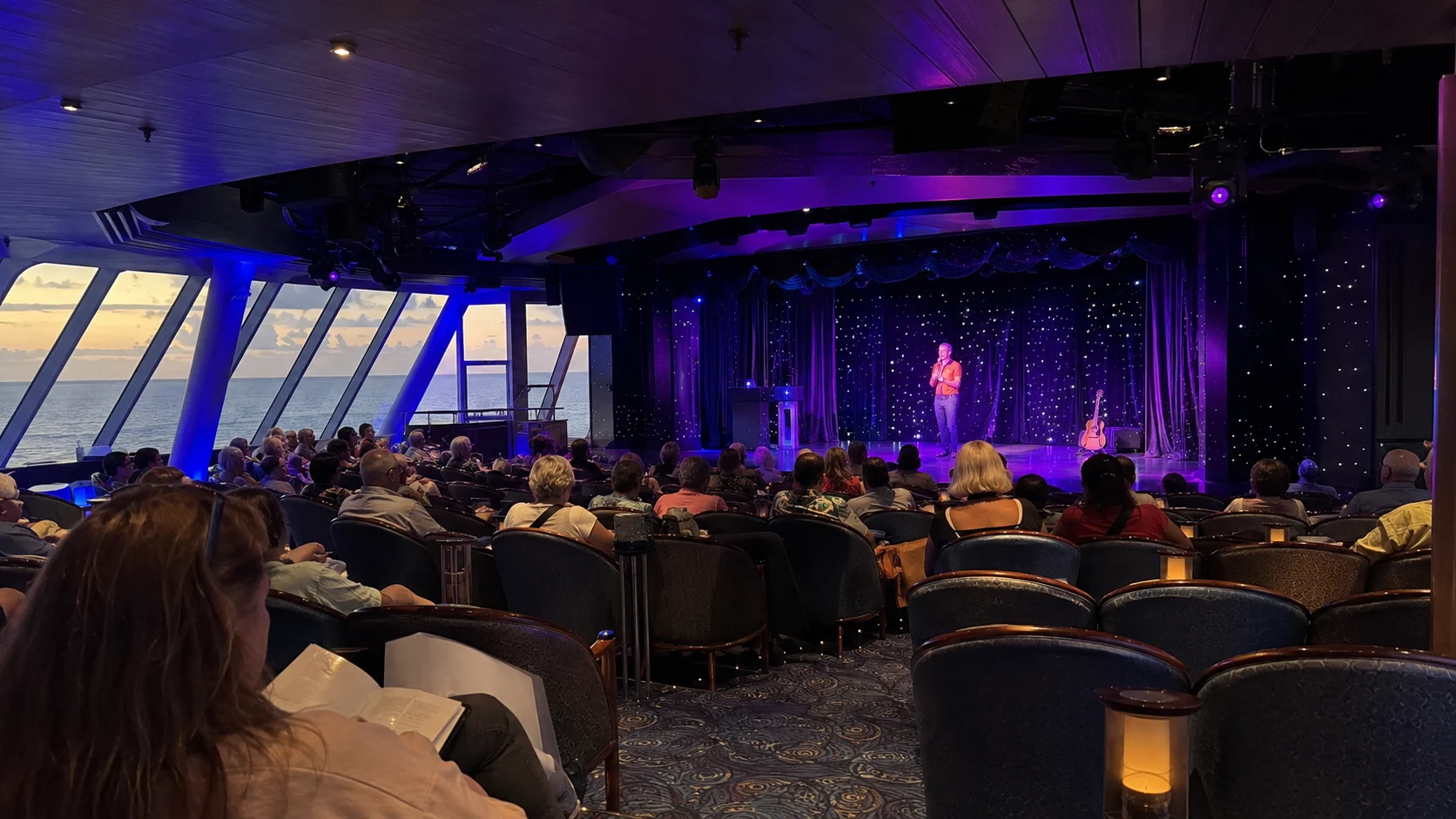
Stars On The Water Theater hosts the headline productions, including titles currently promoted by the line such as Radio Margaritaville: Live at Sea, Conky Tonkin’ at Sea, and Caribbean Heat Remix. The official activity guide also highlights live bands, steel drums, DJs, nightlife, and casino play.
That mix matters because not every evening depends on getting a seat for a single performance. One person can choose a production show while someone else finds country music, a lounge set, or a late-night dance floor.
The strongest evenings usually come from choosing two anchor events and leaving room to wander. Trying to check off every listing turns a casual ship into a scheduling exercise.
Con: the party energy travels
Music and nightlife are features, but sound does not stay inside a marketing description. Cabins beside active open decks, elevator routes, connecting doors, or public-space boundaries can be less restful than a midship room buffered by cabins.
The compact Deck 10 cabin cluster sits immediately forward of the LandShark pool deck, while Deck 5 contains long runs of Partial View Balconies beside the promenade and lifeboat area. Use the cabins guide before accepting an assigned room.
Pro: families get real age-specific spaces
The current youth program divides children into Jolly Mon for ages 3–6, Parakeets for 6–9, The Hangout for 10–12, and Far Out for 13–17. That is more useful than one broad “kids club” label because a preschooler and a teenager need completely different rooms and activities.
The kids program also matters to adults, who can use the spa, adults-only Tiki area, or a specialty dinner while children attend eligible supervised programming. Registration rules and operating sessions can vary, so check the daily schedule rather than promising children unlimited access.
Con: family-friendly does not mean childproof
Islander still has adult bars, a casino, nightlife, and paid experiences. Parents need a plan for meeting points, charging privileges, pool supervision, and which venues are adults-only.
The ship also has a splash and slide feature rather than a giant multi-slide water park. Families choosing between Islander and the newest megaships should compare the actual attractions, not the broad phrase “family fun.”
Pro: the included dining lineup is understandable
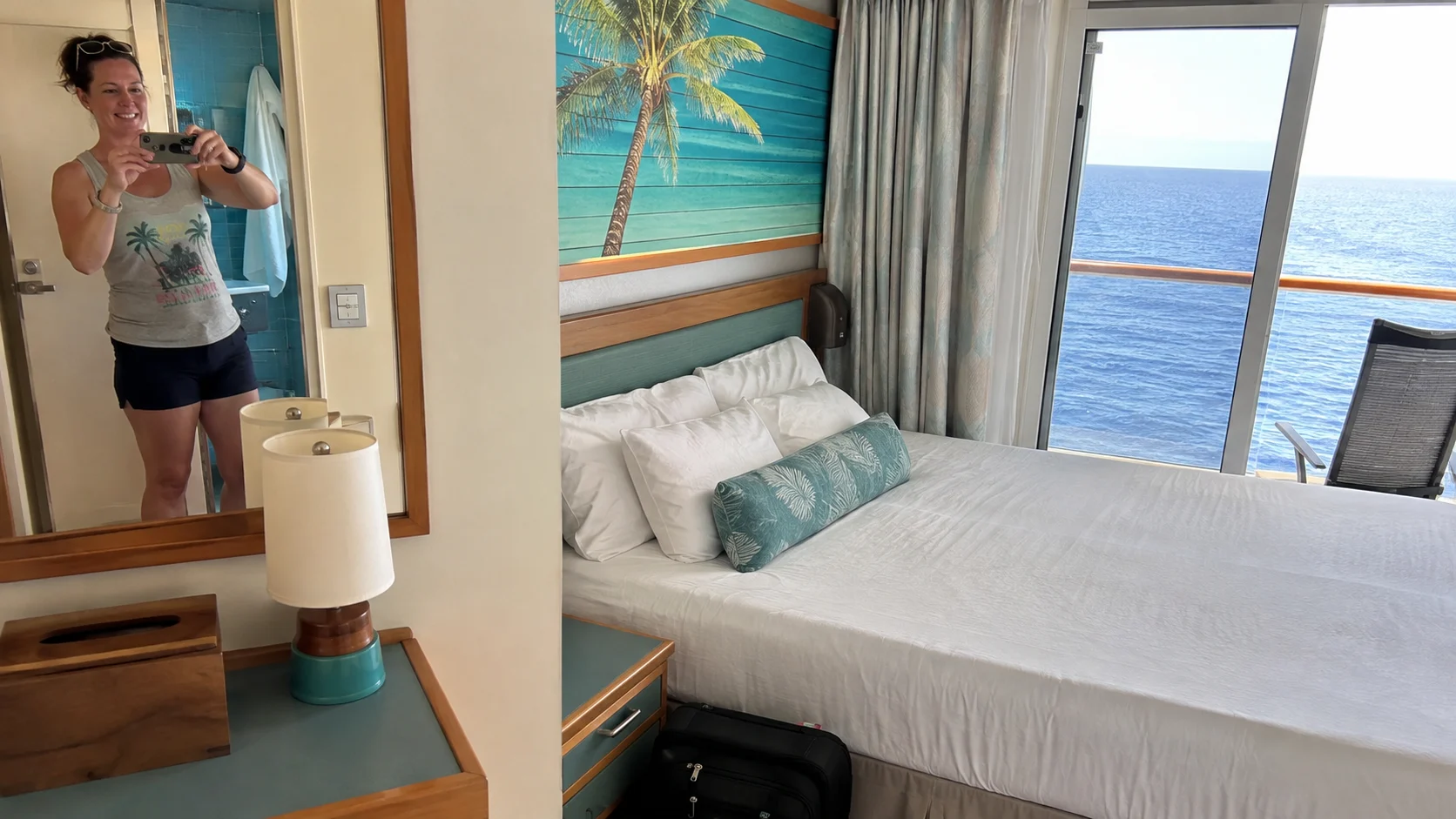
The line currently identifies five complimentary restaurants: Fins Dining, Port of Indecision, Frank & Lola’s Pizzeria, Cheeseburger in Paradise, and Mexican Cutie Cantina. Together they cover a sit-down main meal, buffet variety, pizza, burgers, and tacos or breakfast burritos.
That is enough to eat well without buying a specialty package. Fins is the best reset when the buffet feels busy, while the poolside counters keep lunch from requiring a change of clothes or a long meal.
The dining guide explains what is included and what costs extra. Read it before assuming a familiar brand name means the venue is part of the fare.
Con: specialty choices can blur the real price
JWB Prime Steakhouse, Far Side Sushi, Tiki Grill, Island Eats, Sparkling Brunch, coffee, and in-room dining introduce extra charges or package decisions. Islander Dining access also depends on the booked benefit or package rather than functioning as a second ordinary main dining room for everyone.
None of that is unusual for a modern cruise, but the low lead fare can stop looking low after drinks, dining, gratuities, parking, and shore plans. Compare the total vacation cost with a competing ship, not one attractive number on the first booking screen.
Pro: the ship is manageable
With 12 passenger decks and a traditional long hull, Islander is easier to map mentally than a ship split into numerous themed districts. Forward is useful for the theater and younger kids clubs, lower aft is important for main dining, and the upper decks hold pools and outdoor recreation.
The deck-by-deck guide gives the full layout, but most guests can learn their main routes in a day. That is a genuine advantage for short sailings and multigenerational groups.
Con: some routes require long walks
Manageable does not mean tiny. A Wake View Balcony at the stern is a long way from forward theater seating and the younger children’s spaces, while a forward room can add repeated walks to aft dining.
Elevator demand rises around dinner and shows. Travelers with limited mobility should choose the correct accessible cabin and a location near the elevator bank that best serves their priority venues.
Pro: cabin categories cover different budgets
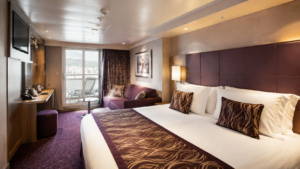
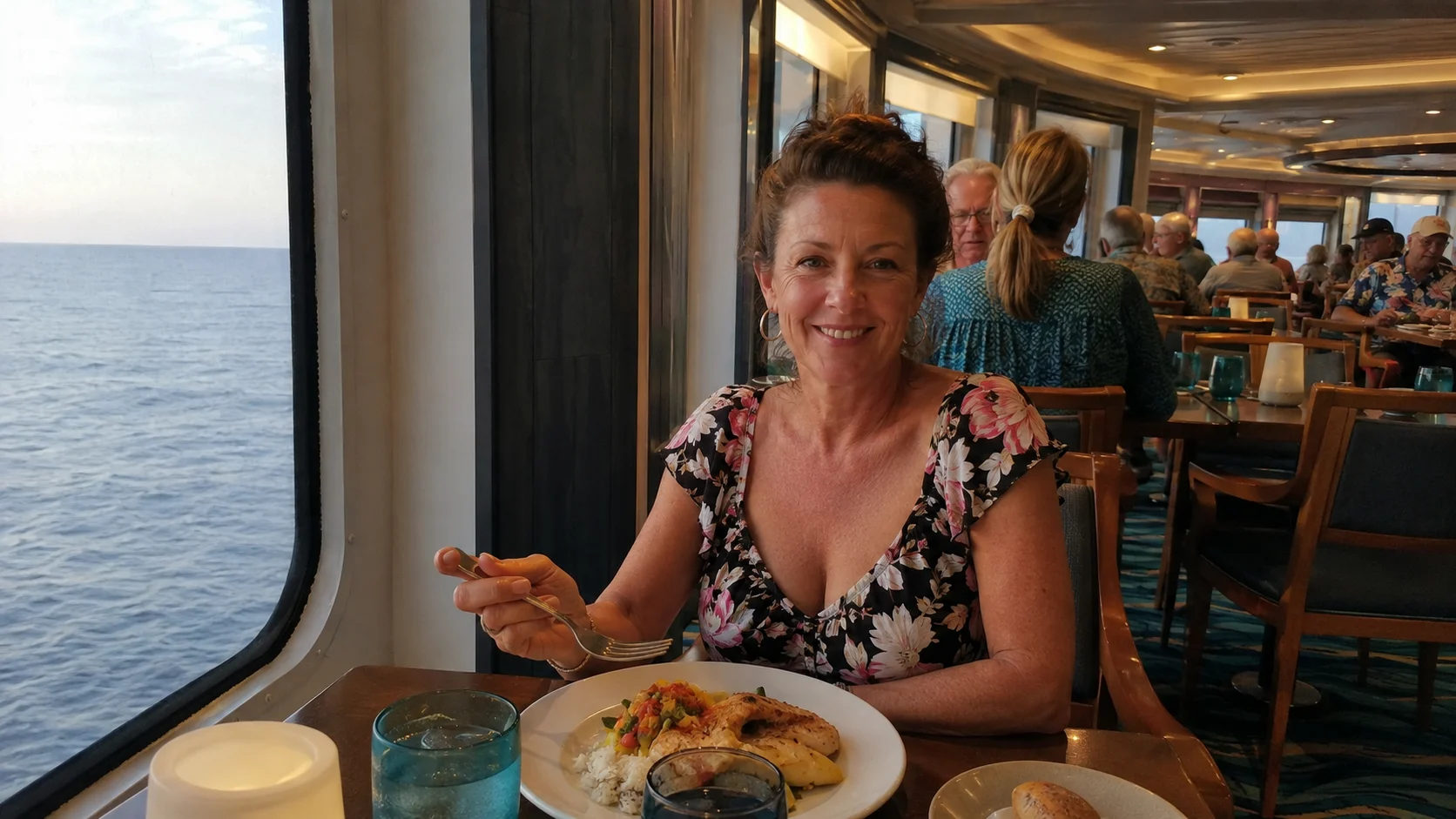
The ship offers interiors, full and partial ocean views, standard and extended balconies, wake-facing balconies, junior suites, and larger terrace or grand suites. That range lets you spend on the part of the room you will actually use.
A lower midship Picturesque Ocean View can suit a motion-sensitive traveler better than a high forward suite. A Wake View Balcony can be more memorable than a larger side-facing room for someone who spends hours outdoors.
Con: the category names hide meaningful compromises
The gray Partial View Balconies on Deck 5 include large runs where lifeboats and promenade structures affect the outlook. Wake View cabins trade their beautiful stern perspective for more distance and possible docking vibration.
Guarantee fares add another layer because the line selects the location. The best cabins guide matches categories to quiet, stability, views, and family needs before you pay.
Pro: Islander can deliver strong value
Value is best when the itinerary, included meals, pools, and entertainment already cover what you want. A traveler happy with Fins, casual counters, live music, and a selected midship cabin may need very few extras.
The ship is also a good entry point for someone who wants a lively cruise without navigating an enormous vessel. The casual tone lowers the social pressure that sometimes makes first-time cruisers worry about doing everything correctly.
Con: bargains require disciplined math
Add taxes, fees, gratuities, transportation, parking, drinks, specialty meals, internet, excursions, and any spa or arcade spending. Then compare the per-person total using the same cabin quality and vacation length across alternatives.
Packages are only savings when you would buy the included items anyway. A drink package is not a deal for a light drinker, and a full dining package is unnecessary for someone excited about the five included restaurants.
Who should book Islander
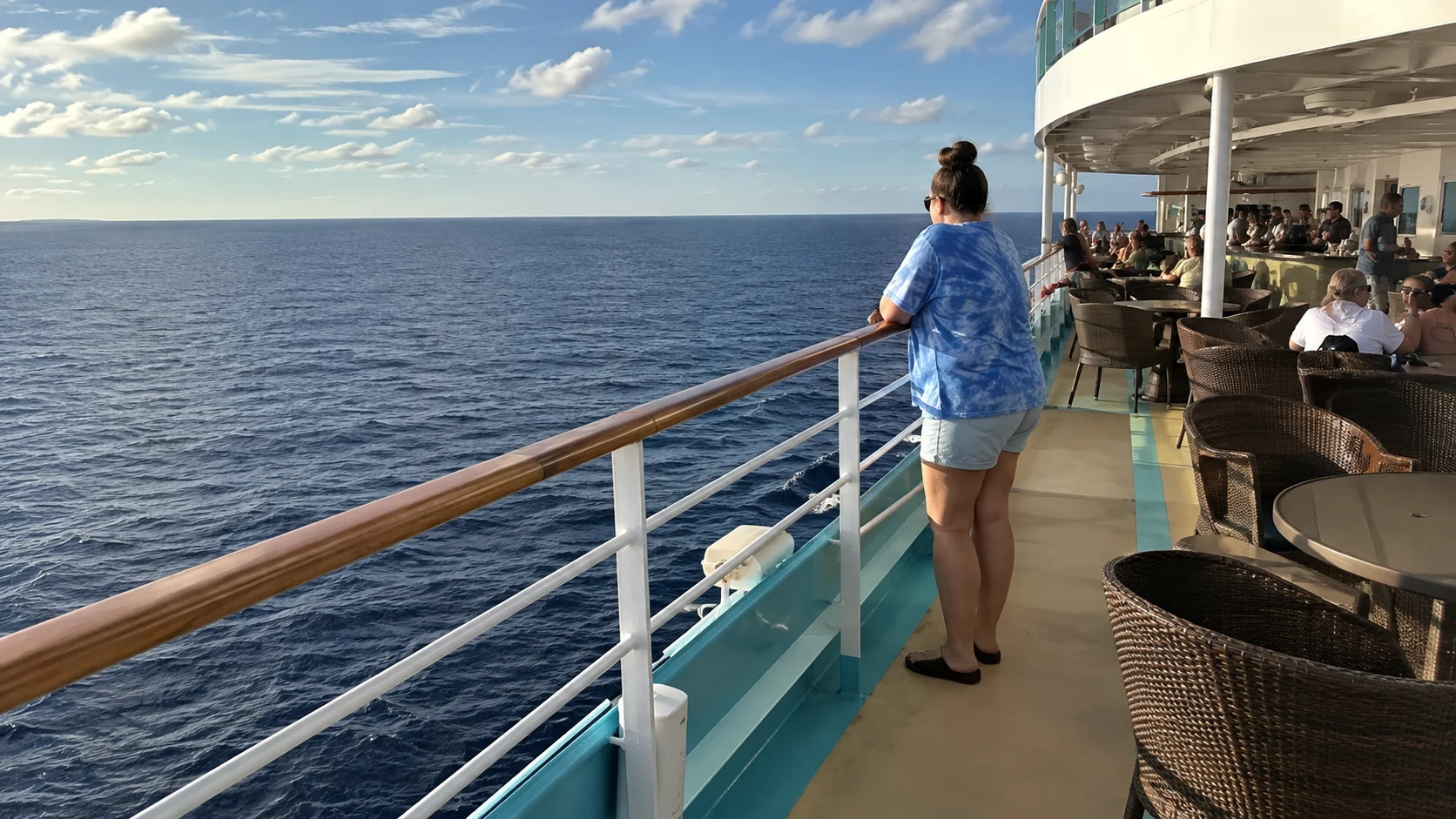
- Couples who like live music, casual meals, and a choice of active or adults-only pool time.
- Families whose children fit the published youth groups and will use supervised programs.
- Friend groups that want bars, nightlife, and easy daytime fun in one manageable ship.
- First-time cruisers who prefer an informal atmosphere to a traditional formal-night focus.
- Value seekers willing to choose a cabin and extras carefully.
Who should choose another ship
- Travelers seeking a quiet, luxury-style retreat throughout the vessel.
- Families whose top priority is a huge water park or the newest thrill rides.
- Guests who want premium dining and drinks bundled without package comparisons.
- Light sleepers unwilling to research the exact cabin location.
- Anyone who actively dislikes the Margaritaville theme.
How to book it well
Choose the room rather than defaulting to a guarantee, price the trip through checkout, and reserve only scarce paid experiences you truly want. Onboard, use quieter hours for pools and buffet meals, then build evenings around one show and one flexible music stop.
Families should register for youth programming early and confirm the daily sessions. Adults should locate the Tiki area and one quiet lounge before the ship gets busy, even if they plan to spend most of the cruise in the action.
How this guide was researched: This assessment was checked against the current official Islander deck plan, ship pages, dining descriptions, activity listings, accommodation guide, and youth-program ages. Entertainment, prices, benefits, and operating hours can change by sailing.
Final verdict
Islander’s advantages are not subtle: it is colorful, social, music-forward, family-capable, and easier to learn than a megaship. Its disadvantages are equally clear: extras require math, lively spaces can create crowding and noise, and cabin labels need a deck-plan check.
Book when that upbeat resort personality sounds like your vacation. Skip it when you would spend the whole cruise trying to turn it into a quiet, inclusive luxury ship that it never promised to be.