Carnival Dream Pros and Cons: Who Should Book It?
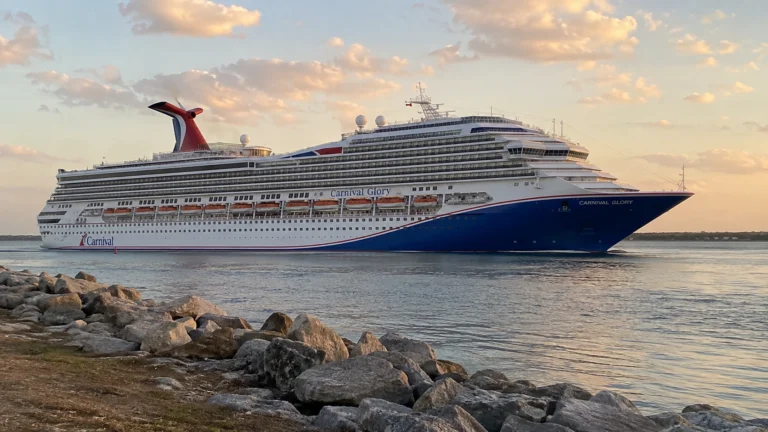
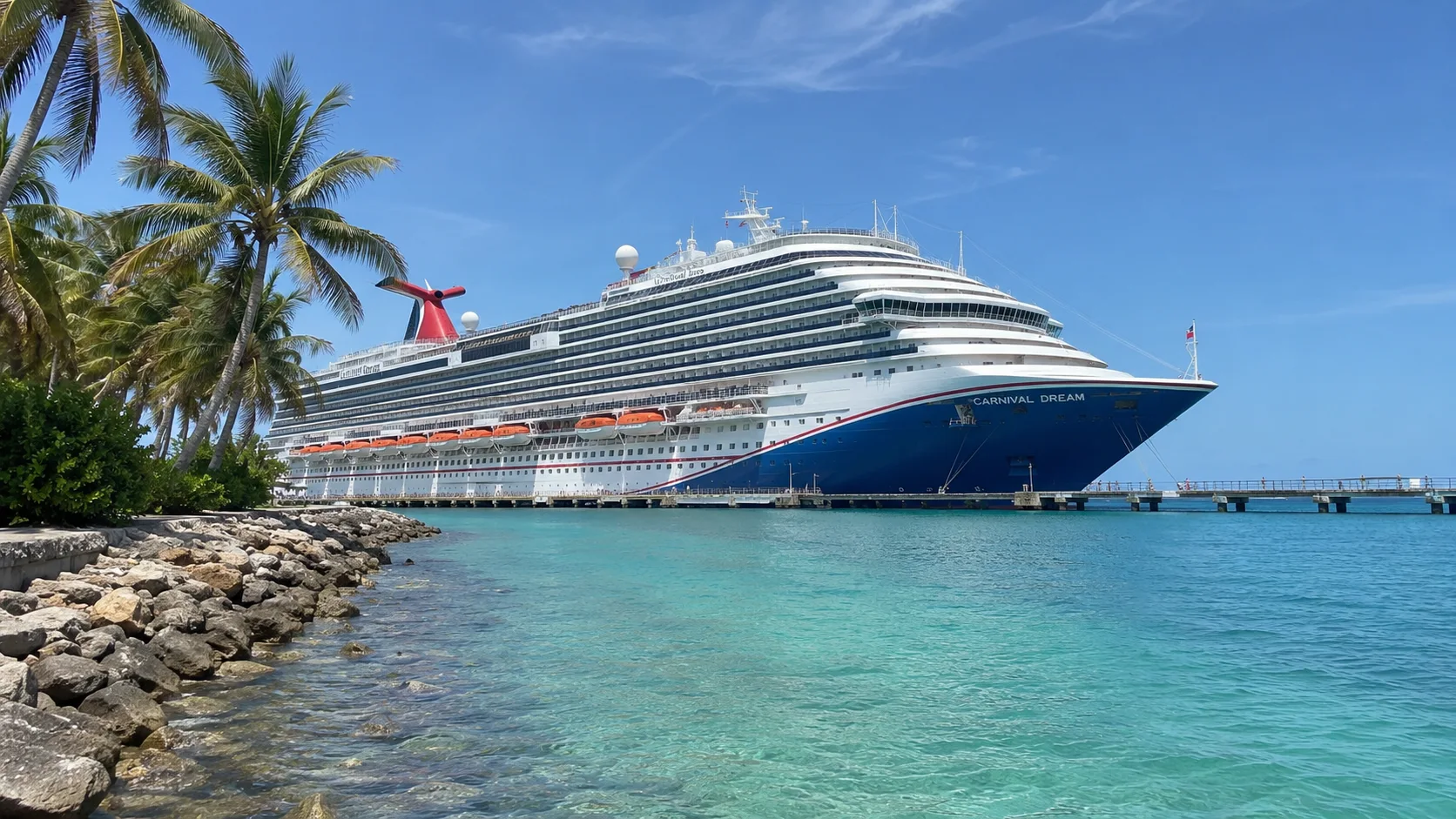
Carnival Dream works best for travelers who like the classic Carnival formula but do not need the newest attraction list in the fleet.
Its strongest features are Cloud 9 Spa, cove balconies, the Lanai promenade, WaterWorks, casual food, and a ship layout that feels substantial without becoming a giant resort maze.
Short version
- Best reason to book: Cloud 9 Spa is one of Dream’s best reasons to book.
- Another strong point: The Lanai promenade makes the ship feel more connected to the ocean.
- Biggest tradeoff: The dining lineup is smaller than on newer Carnival ships.
- Think twice if: The ship does not feel new in the same way the latest Carnival ships do.
- Bottom line: Book Carnival Dream when its signature strengths sound exciting, not simply because it is newer or larger.
Before booking, browse the ship page, deck plan, and onboard guide so the cabin and activities match your priorities.
Why Carnival Dream still makes sense
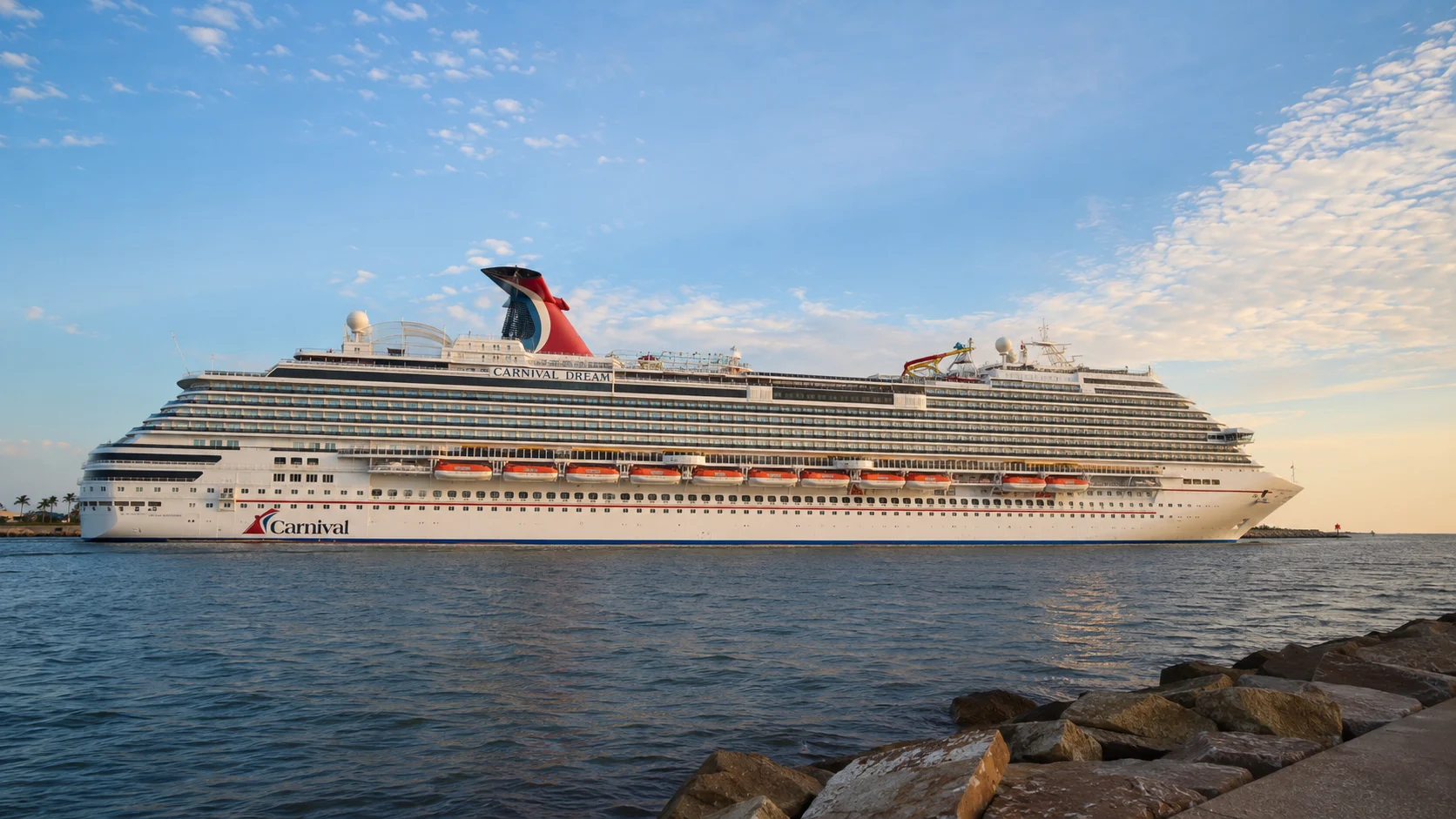
Dream does not need to compete with Carnival’s largest ships feature for feature. Its appeal is that the ship still delivers pools, slides, spa time, comedy, live music, casual dining, family programming, and a good range of cabins without making every day feel like a project.
That simpler rhythm can be a real advantage. Families can repeat the activities they like, adults can find quieter corners, and nobody has to spend the week chasing a dozen one-time attractions just to feel as though they used the ship properly.
Dream also has a few features that newer ships do not automatically improve on, especially its low cove balconies and the Lanai promenade with ocean-facing whirlpools. Those details create a stronger connection to the sea than some newer resort-style layouts.
Choose Dream because those specific strengths matter to you, not because you are trying to prove an older ship is secretly better than a new one. If you want the latest thrill hardware, another ship is the more honest answer.
Pro: Cloud 9 Spa is one of Dream’s best reasons to book
Cloud 9 Spa gives Dream a real adult retreat rather than just a treatment room with a fancy name. The thermal areas and hydrotherapy pool make spa time something you can build into sea days instead of a one-off massage appointment.
That makes Cloud 9 cabins worth considering for travelers who will use the facilities repeatedly. The upgrade is much harder to justify when you only want one treatment and otherwise expect to spend the trip at the pools or ashore.
Compare the price of the spa cabin with the regular room you actually want, not with a random cheaper category. The useful question is how much you are paying for the cabin benefits after location and room type are held reasonably constant.
The spa is also a good counterbalance to Dream’s family energy. Adults who want a calmer sea-day routine can spend part of the day in Cloud 9 and still rejoin the social parts of the ship later.
Pro: the Lanai promenade makes the ship feel more connected to the ocean
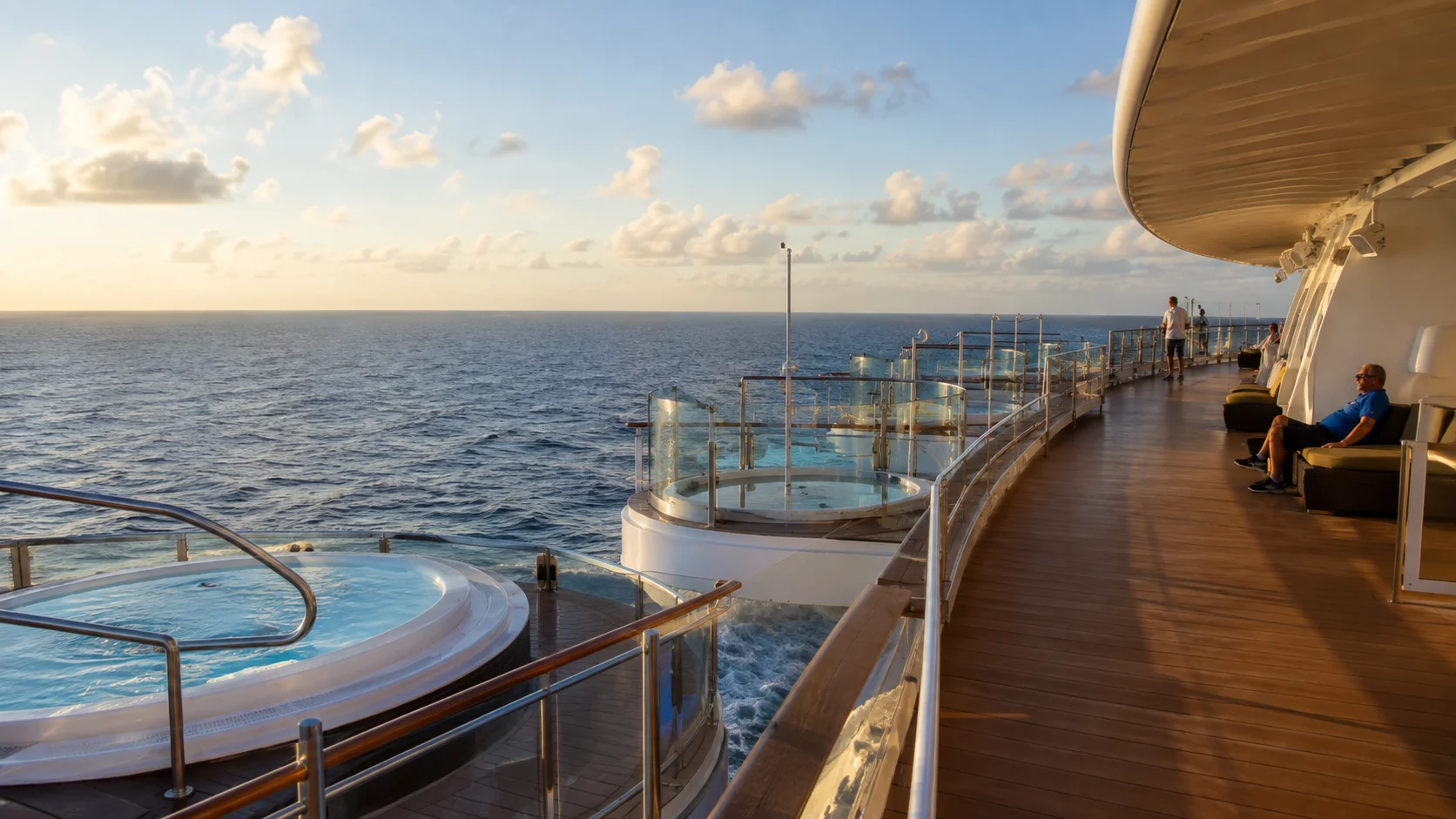
Dream’s lower outdoor promenade is one of its most underrated features because it gives you real outdoor space away from the main pool deck. The ocean-facing whirlpools create a completely different mood from the louder top-deck pools and hot tubs.
I like this because it gives adults another place to reset without paying for a private retreat. On many ships, lower public decks become mostly interior corridors, bars, and casino traffic; Dream keeps the sea visible and accessible.
The Lanai is still shared space, so it will not always be empty or quiet. The advantage is having another option when Lido feels too busy, not having a secret private deck nobody else knows about.
This is one of the reasons you should choose Dream over a newer ship with more attractions but less low-level outdoor space. If sitting near the water matters to you, the difference is meaningful.
Pro: cove balconies are one of the best cabin concepts in the Carnival fleet
Cove balconies sit low in the hull and feel much closer to the water than standard upper-deck balconies. The recessed design creates a sheltered, private feeling that many ocean-focused cruisers prefer to a higher but more exposed view.
The catch is location. Some cove cabins sit beneath active dining or service areas, so you need to check the deck above before assuming every room in the category is equally good.
Pick a specific cove cabin rather than surrender location control with a guarantee fare unless the savings are substantial. This is a category where the exact room can change the experience more than the broad label suggests.
My cabins to avoid and best cabins are the better places to compare those exact locations.
Pro: WaterWorks and the family basics are enough for a lot of kids
Dream has WaterWorks, pools, mini golf, youth clubs, movies, and the usual Carnival family programming, which is enough to carry sea days for children who enjoy repeating favorite activities. Not every family needs a ship with a coaster or ropes course to have a good time.
That can actually make the trip feel less frantic. Kids can ride the slides, get food, return to the club, watch a movie, and do the same things again without adults feeling as though they are falling behind a giant attraction checklist.
The important limitation is eligibility. Children who are not toilet trained cannot use the regular pools or WaterWorks, and slide height rules can remove younger children from the very activity parents imagined they would love.
Check those rules before deciding Dream is the perfect family ship. For eligible elementary-age kids, the waterpark is a strength; for toddlers, the same feature may be mostly visual.
Pro: Ocean Plaza makes evenings easy without a giant entertainment district
Ocean Plaza gives adults a natural place to land before or after dinner, with live music, drinks, seating, trivia, and an easy central location. It is not a headline attraction, but it makes the ship feel socially useful every night.
Alchemy Bar, comedy, piano entertainment, and the casino add other options without forcing everyone into one theater schedule. Groups can split up and meet later instead of negotiating one evening plan for everybody.
This is a good example of Dream’s broader appeal. The ship is strongest when you value a collection of dependable cruise experiences more than one spectacular attraction you will only use once.
Travelers who love huge nightlife districts or the newest entertainment venues may find Dream more traditional. I see that as a fit issue rather than an automatic weakness.
Con: the dining lineup is smaller than on newer Carnival ships
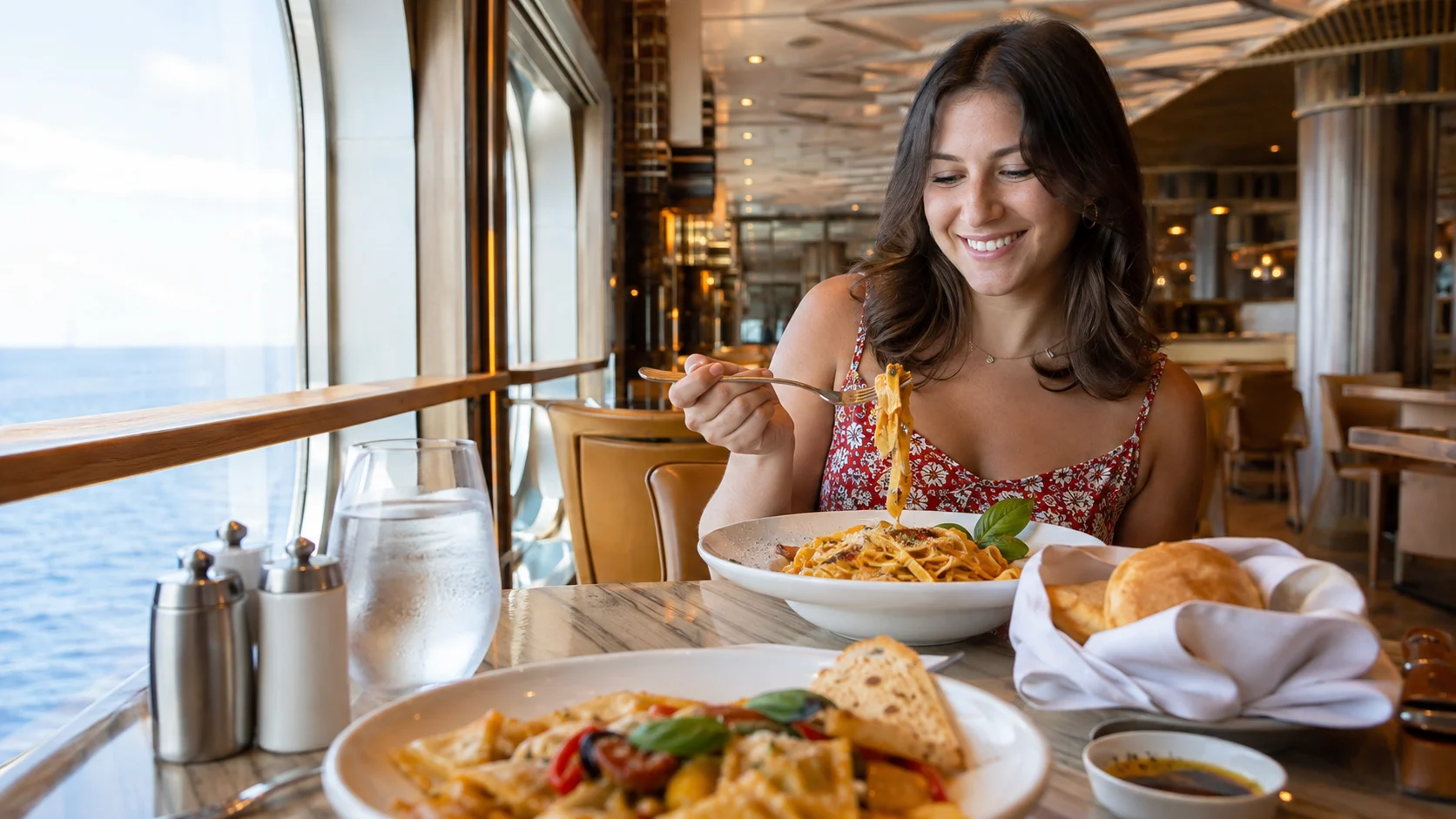
Dream has enough included food to eat well without repeating the buffet every meal, including Guy’s Burger Joint, BlueIguana Cantina, pizza, barbecue, main dining, and brunch. What it does not have is the sprawling mix of newer specialty and fast-casual concepts found on Carnival’s latest ships.
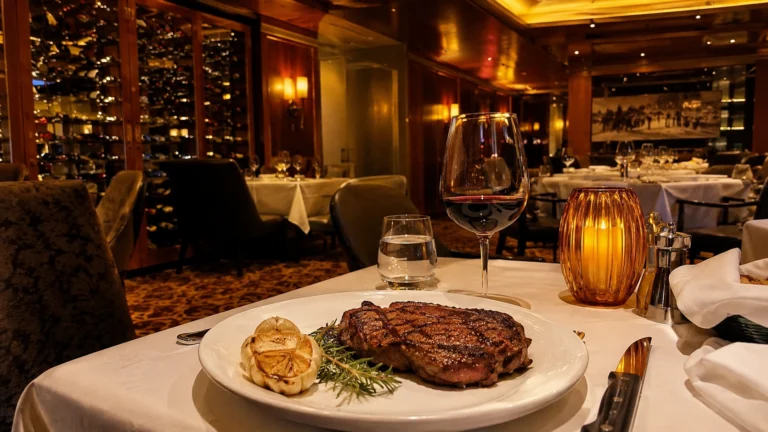
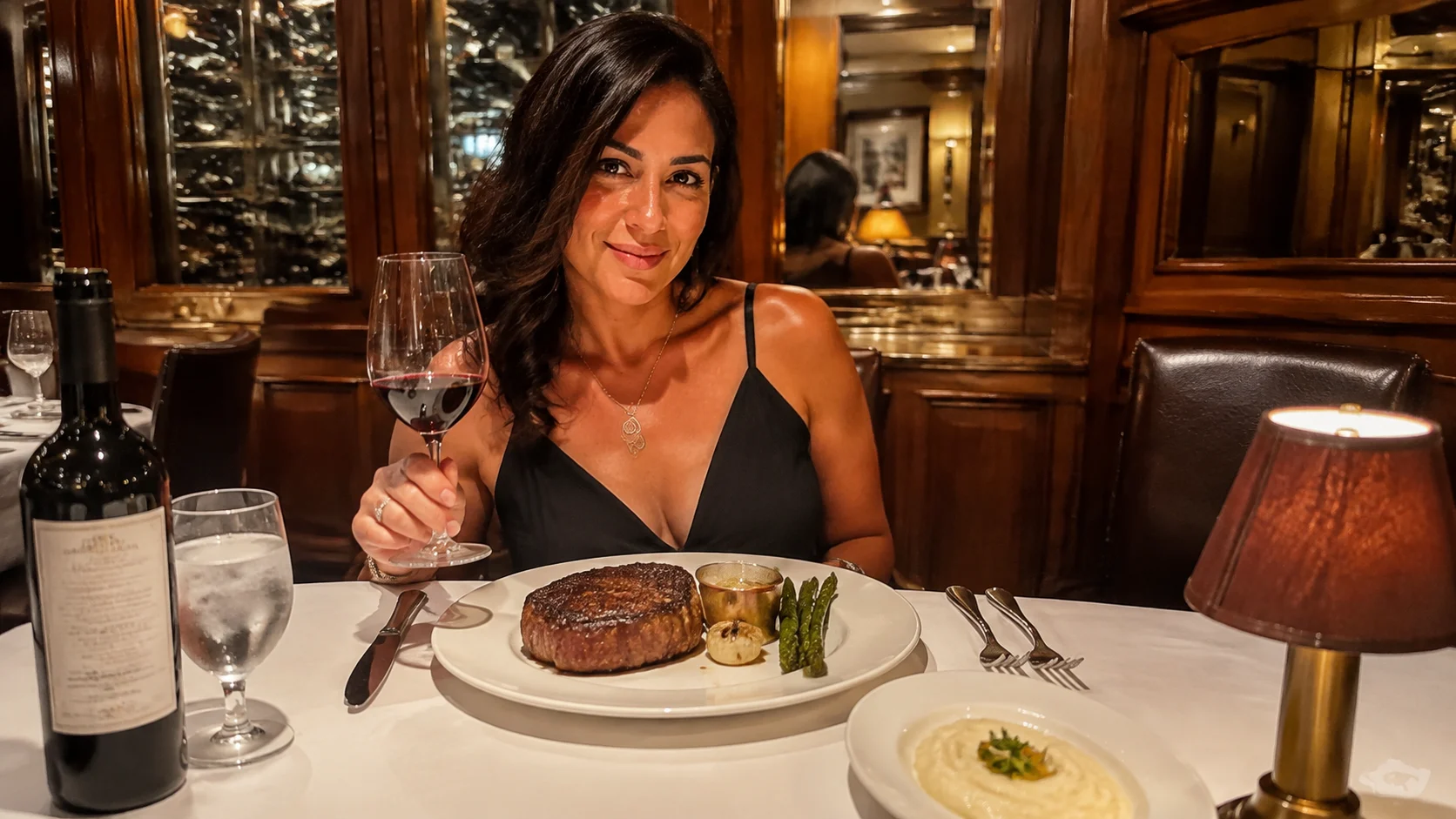
The steakhouse and Bonsai Sushi give you paid alternatives, but travelers who treat restaurant variety as a major part of the vacation may find the options limited. This is especially noticeable when comparing Dream with ships built around multiple food zones and newer branded venues.
Use the included choices for most meals and buy a specialty dinner only when that menu genuinely interests you. Dream’s value is not improved by spending extra just to create variety the ship was never designed to provide.
The Carnival Dream dining guide is the better place to decide which meal periods and venues deserve your time.
Con: the ship does not feel new in the same way the latest Carnival ships do
Dream can be well maintained and still feel like an established ship. Cabin layouts, charging options, finishes, and the overall design language are not going to fool anyone into thinking they boarded Carnival’s newest hardware.
That matters most to travelers who strongly value modern cabins and the newest public-space design. If you notice every outlet placement, screen size, and finish, Dream may feel dated even when the room is clean and functional.
Do not book Dream expecting a new-ship experience. Book it because the itinerary, cabin, spa, outdoor promenade, or price makes more sense than paying extra for newer hardware.
That distinction keeps expectations realistic. An older design can be perfectly comfortable without becoming a hidden version of Jubilee or Celebration.
Con: the predictable crowd points can still feel busy
Dream carries enough passengers that the buffet, pool deck, elevators, and show transitions can become busy at the same times they do on almost every large mainstream ship. A simpler layout does not mean you never encounter lines or crowded corridors.
The main pool is the most obvious example on a hot sea day. Everyone can decide to want the same small patch of water and nearby loungers at once, while quieter parts of the ship remain underused.
Shift timing rather than assume the problem exists all day. The Lanai, Serenity, Cloud 9, and alternative dining venues give you places to go when the obvious choice is overloaded.
Cabin location matters for anyone who relies on elevators or dislikes long walks. A convenient room can improve Dream more than paying for a fancier category at the far end of the ship.
Who should book Carnival Dream
- Adults who will genuinely use Cloud 9 Spa and the hydrotherapy facilities.
- Travelers who love the low ocean perspective of cove balconies.
- Families whose children are happy with WaterWorks, clubs, movies, pools, and mini golf.
- Cruisers who enjoy comedy, live music, casual dining, and a traditional Carnival evening rhythm.
- Travelers who prefer a substantial ship without the full complexity of Carnival’s biggest class.
Who should probably choose another ship
- Families who care most about the newest thrill attractions.
- Travelers who want a huge specialty-dining lineup.
- Guests who strongly prefer the newest cabin design and charging setup.
- Parents choosing the ship for water play when their child cannot use the pools or slides.
- Anyone who wants quiet and low passenger density to be the default atmosphere.
How to book Carnival Dream
Start with the cabin because Dream has several categories that genuinely change the trip. Decide whether you want the low ocean feel of a cove balcony, repeated Cloud 9 access, or simply a quiet room between cabin decks before comparing minor upgrades.
Next, check the children’s WaterWorks eligibility and decide whether the ship’s activity level is enough for them. If the family really wants SkyRide, BOLT, or another newer attraction, solve that at the ship-selection stage instead of hoping Dream somehow feels equivalent onboard.
Use the included dining for most meals, add the steakhouse or another paid option only when it sounds genuinely appealing, and keep enough schedule space for comedy and live music. Dream rewards a relaxed cruise rhythm more than a packed reservation calendar.
Finally, compare the complete vacation cost with Breeze, Jubilee, and any other realistic alternative. If Dream wins on cabin, itinerary, spa, and total price, do not pay more simply to board a newer ship.
Continue planning with the cruise tips, things to do.
How this guide was researched: This guide was checked against the cruise line’s current ship pages, deck plans, venue listings, and published policies. Details can change by sailing, so confirm booking-sensitive prices, hours, access rules, and cabin assignments before payment.
The final verdict
Carnival Dream is not the ship to choose for novelty. Choose it for the practical combination of Cloud 9 Spa, cove balconies, Lanai whirlpools, WaterWorks, casual food, comedy, and an easy-to-understand Carnival experience.
The biggest weaknesses are the flip side of that simplicity: older-feeling cabins, fewer dining concepts, no newest-generation thrill hardware, and predictable crowding around the main shared spaces. Those are manageable when you know what you are buying.
Book Dream when its cabin options and sea-day rhythm match the group better than the flashy alternatives. Spend more on another ship only when those extra attractions or newer spaces solve a real need rather than simply look better in a brochure.
Plan your Carnival Dream cruise
Use the cabins to avoid, best cabins, and deck guide to turn the broad pros and cons into a confident room choice.