Queen Mary 2 Pros and Cons: Who Should Book It?
Queen Mary 2 is the Cunard ship to book when travelers who want a crossing itself to be the destination, with lectures, ballroom dancing, formal evenings, reading and uninterrupted sea time matter more than a casual resort routine.
Decide with the itinerary, cabin, and total trip cost together because the ship name alone does not establish fit.
Short version:
- Best reason to book: A varied ship experience with plenty of ways to spend the day.
- Another strong point: A varied ship experience with plenty of ways to spend the day.
- Biggest tradeoff: The size, price, or onboard style may not suit every traveler.
- Think twice if: The size, price, or onboard style may not suit every traveler.
- Bottom line: Book Queen Mary 2 when its signature strengths sound exciting, not simply because it is newer or larger.
Before booking, browse the fare inclusions, voyage page, and access guide so the ship, cabin, and fare match your priorities.
The ship’s real proposition
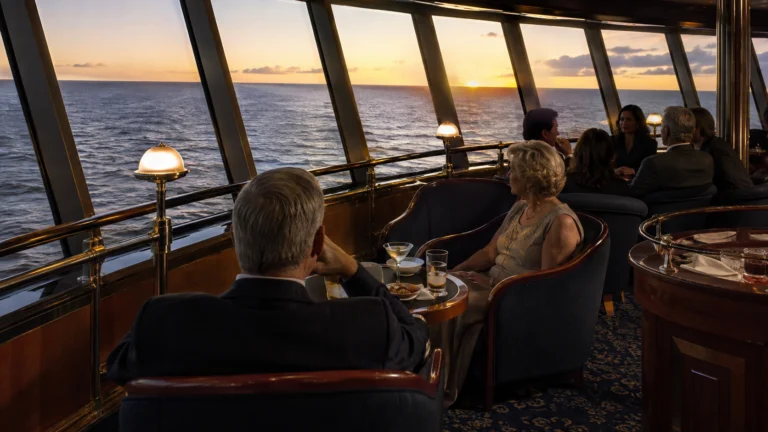
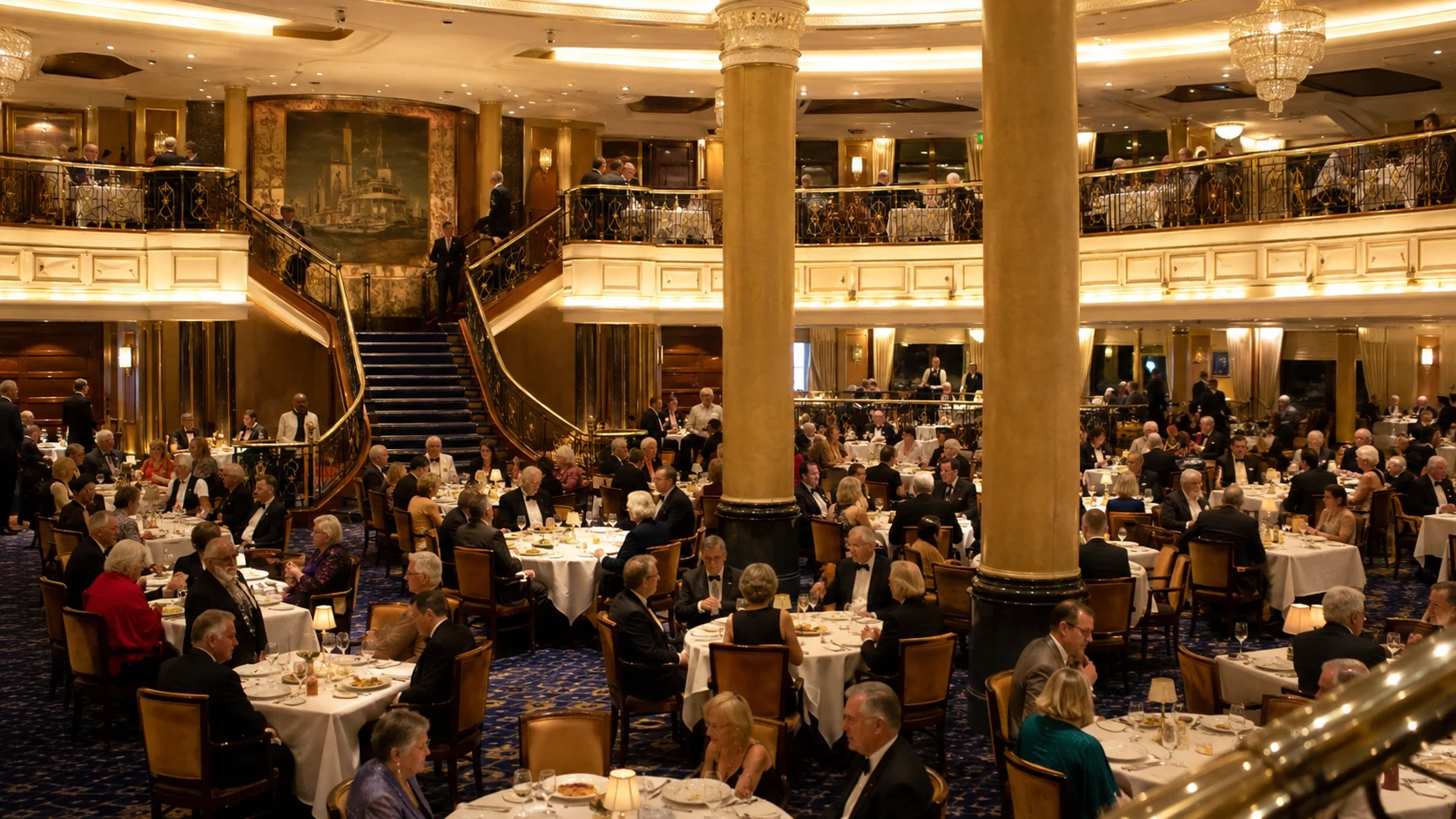
Illuminations planetarium, the two-level Britannia Restaurant, Queens Room, G32 nightclub, wraparound Promenade and the large library give Queen Mary 2 a genuinely different onboard rhythm from a normal resort ship. Choose it because those spaces make sea days feel intentional, not because the ship carries historic prestige.
The practical identity is the only true ocean liner in regular passenger service, with a hull and onboard plan built around Atlantic crossings. That makes the ship distinctive, but it does not make it universally better than another Cunard Queen or a simpler vessel on the same route.
Queen Mary 2 has separate deck plans for sailings before and after its refit, so use the plan that matches the booked departure. Compare the actual layout instead of assuming newer is automatically better or older is automatically worse.
Separate the itinerary purchase from the ship purchase by pricing at least one comparable route. A port-led trip can make an expensive suite or ship-specific venue far less useful than it first appears.
Where the design earns its fare
Queen Mary 2 earns its premium through Illuminations planetarium, the two-level Britannia Restaurant, Queens Room, G32 nightclub, wraparound Promenade and an unusually large library. Shortlist the three spaces your party would actually use rather than treating the venue count as value by itself.
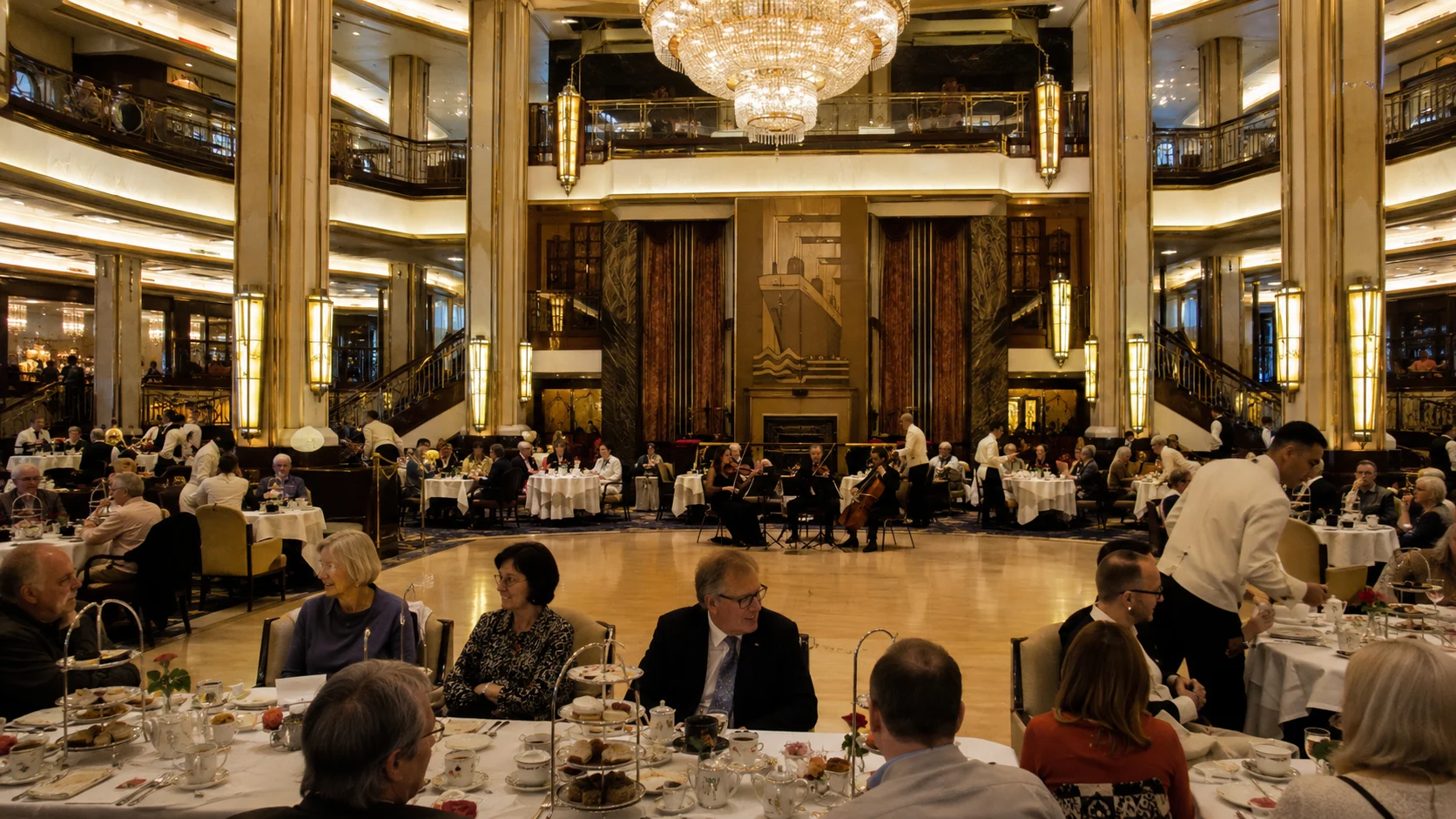
Afternoon Tea, Cunard Insights, live music, ballroom dancing and Gala Evening programming reward passengers who enjoy a scheduled social rhythm. Do not choose Cunard expecting every evening to feel like an informal pool-deck party.
A formal evening is easiest when everyone regards it as part of the product before packing. Check the voyage dress code and bring an alternative outfit for casual designated areas rather than argue with the concept after payment.
The ship still supports separate interests, so one traveler can read or attend a lecture while another uses the spa, pool or dance class. Set a precise meeting place because elegant staircases are not sufficiently precise directions.
Dining and fare class shape the experience
The fare inclusions separate core dining from chargeable choices. Britannia, Britannia Club, Princess Grill and Queens Grill are not interchangeable upgrades because the booked accommodation assigns the main dining room and service style.
Britannia guests receive their assigned main restaurant, while Britannia Club and the two Grill levels buy a different combination of room, restaurant and service. Do not call a Grill fare merely a larger cabin because dining access is part of the product.
Steakhouse at The Verandah, selected alternative dining, drinks beyond the stated allowance, spa treatments, Internet outside any booked package, shore experiences and kennel space are separate decisions. Choose only the extras that solve a real preference instead of trying to purchase every optional experience listed in advance.
Dietary needs should be recorded before travel and discussed again onboard, especially when the request is medically important. Keep the main restaurant in the plan because a larger venue list does not mean every outlet handles every restriction equally.
Sea days, pools, and family fit
A west-to-east Atlantic crossing can deliver six consecutive sea days between departure and arrival. Compare the exact itinerary before final payment because port order, operational calls, and tender use can change.
Sea days make enrichment, the library, dance classes, theater and afternoon tea materially more valuable. On a port-heavy route, resist paying for every ship benefit that competes with long days ashore.
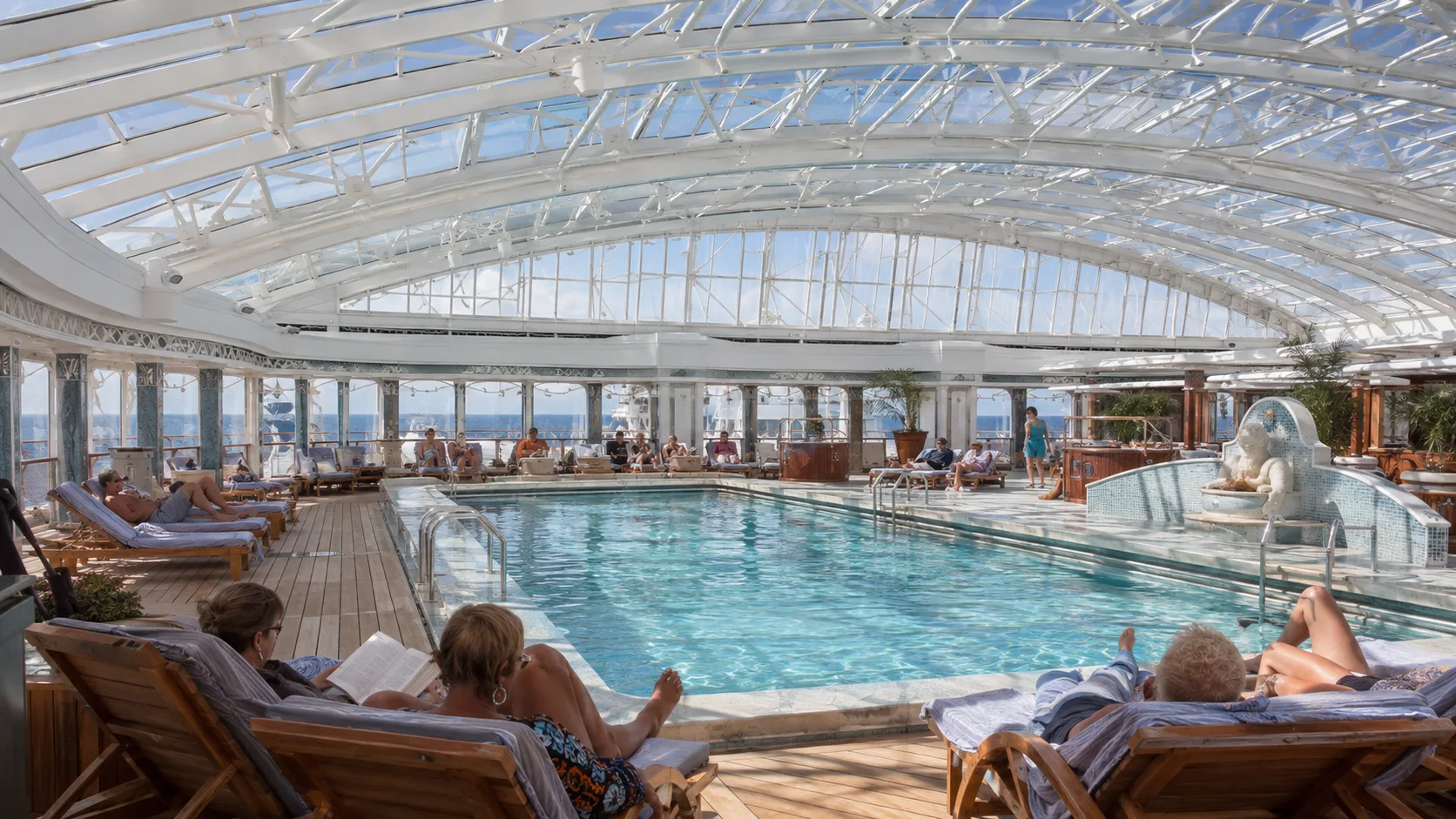
The Pavilion pool has a retractable roof, while the family-oriented Minnows pool adds a useful outdoor option; the ship has no waterslide complex; there are therefore no waterslide height or rider-weight rules to plan around. Book for swimming and sheltered relaxation only if that exact configuration meets the group’s needs, not because a photograph makes the water look larger.
A transatlantic crossing normally requires a child to be at least 12 months old, the Play Zone and Kids Zone divide ages, Night Nursery serves children up to age two, and swim diapers are not allowed in pools. Register children through My Cunard, confirm nursery and club hours for the voyage and never assume a child’s age alone guarantees a specific session.
Timing and crowd pressure
Cunard normally requires infants to be at least six months old and raises the minimum to 12 months on transatlantic, full World Voyage and certain long or remote itineraries; youth schedules still change with the number and ages sailing. On very long voyages, the rooms may be available for parents to stay and play without the usual youth-team program.
A rainy sea day can move many passengers toward the buffet, theater, Queens Room and other enclosed spaces at the same time. Shift lunch or tea by thirty minutes before concluding that every sailing is crowded.
Elevators immediately after a show and the buffet at conventional mealtimes are predictable pressure points. Use stairs when practical, choose a nearby lounge for a short wait or simply travel outside the first wave.
Passenger mix, weather, and itinerary intensity shape the lived experience, so a single crowded meal or slow service moment is not a shipwide fact. Build the plan around the exact voyage and the spaces this group expects to use.
Accessibility requires route-level planning
The correct cabin also reduces friction because repeated walks compound across a week. Map dining, theater, pool and gangway routes before choosing a location that looks central only on paper.
Guests with access needs must notify Cunard promptly and submit the onboard-needs questionnaire no later than two weeks before sailing. Start earlier because accessible inventory, equipment and shore arrangements can require more lead time.
A powered mobility device or full-time wheelchair use may require a fully accessible stateroom, and Cunard does not provide onboard mobility-equipment rental. Confirm dimensions, charging, storage and transfer needs in writing before accepting a room.
Tender operations and shore excursions are route-specific, while crew cannot make every gangway or small boat step free. Ask about each essential port rather than assume an accessible cabin makes the whole vacation accessible.
The complete-fare calculation
Mareel’s Aqua Therapy Centre adds hydrotherapy, rainforest showers and cooling mists as a paid retreat rather than a fare inclusion. Reserve a desired treatment through My Cunard, where available, and treat the price plus the spa service charge as optional spending.
Budget for daily hotel and dining service charges plus additional charges on bar and spa purchases. Compare the booked fare and promotion instead of assuming gratuities are always included.
Cunard Fare generally buys more flexibility and room-number choice, while Value or promotional terms may reduce price with tighter conditions. Compare deposit, cancellation, dining preference and cabin assignment line by line rather than trusting the cheapest headline.
Signature and Premium packages can bundle drinks, Wi-Fi and an alternative-dining credit, but the thresholds and benefits differ. Price the likely consumption and Internet need because a bundle is valuable only when the traveler uses its components.
Cabin location can reverse the verdict
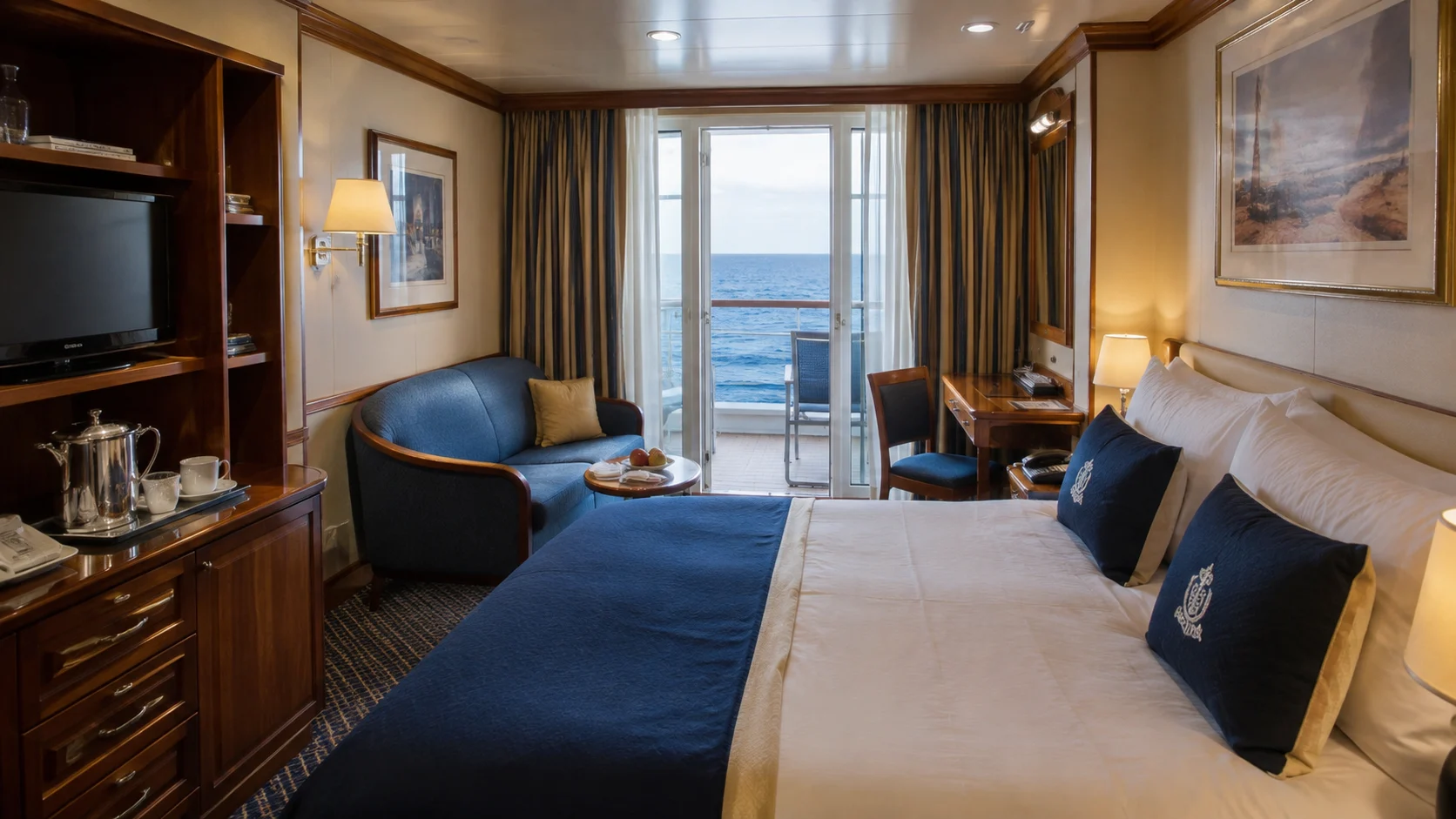
Open the live deck plan beside our cabin-planning guide and inspect what is above, below, opposite and beside the room. QM2’s sheltered balconies sit behind openings in the hull and feel more protected, while open balconies trade that shelter for a more conventional view; the correct deck plan depends on departure date.
A guarantee fare exchanges room control for a discount and can be rational when every possible assignment is acceptable. Do not choose it when noise, walking distance, an obstructed view or an accessible layout could determine the week.
Britannia Club and Grill categories should be evaluated as packages of space, restaurant and service rather than by square footage alone. Upgrade only when the group values the attached dining and private areas enough to use them.
QM2’s dedicated single cabins are Oceanview rooms on Decks 2 and 3, not a choice of single Inside and Oceanview categories. Compare their one-person total with a double cabin sold for sole occupancy, since the limited single inventory is not always the cheapest option.
Who you should put on the shortlist
Single inventory is limited, and booking a double room for one can carry a substantial supplement. Book early for a specific solo category but keep checking the cancellation terms before committing.
Shortlist Queen Mary 2 for travelers who want a crossing itself to be the destination, with lectures, ballroom dancing, formal evenings, reading and uninterrupted sea time. The ship rewards people who will spend real time in its lectures, dining rooms, library, music venues and traditional social spaces.
Couples can divide without losing the shared trip, and solo travelers can use hosted meetings, shared activities and dance programming to add structure. Choose those opportunities for connection without promising that every sailing produces the same social chemistry.
Families can make the ship work when children enjoy organized clubs, quieter pools and shared meals rather than slides. Choose a different ship if the waterpark itself is the children’s main vacation goal.
Passengers who enjoy dressing for dinner and returning to a reserved dining relationship may find the routine reassuring. Do not pay Cunard pricing for someone who views those same habits as restrictions to escape.
Who should choose another ship
Choose another ship if large waterslides and an informal resort atmosphere are essential. Travelers who want frequent ports can compare QM2’s port-based cruises, but should avoid booking a nonstop crossing in the hope that it will feel like one.
The nightlife is varied, with G32 for dancing and several live-music lounges, but the ship is not built around constant poolside spectacle. If that energy is the main attraction, a resort-style cruise is the better comparison.
A port-first traveler should compare a less elaborate ship on the same route because unused onboard range still appears in the price. Redirect the difference to flights, hotels or shore time when destinations are doing most of the work.
Anyone relying on a specific accessible transfer, children’s session or spa appointment should confirm it before the cancellation penalty becomes severe. Do not let a general marketing page stand in for an individual operational answer.
Finally, avoid choosing only by age or refit date. A completed or planned refurbishment matters where it changes the rooms and venues you will use, not as a blanket guarantee of better food, service or maintenance.
How to book it
First decide whether the long sea-day rhythm genuinely suits the party. For a port-based vacation, compare another ship on a similar route; for a crossing, compare the full travel plan, since other ships’ repositioning voyages rarely match QM2’s regular service.
Next, select the main dining category and fare terms together, because room choice affects dining while fare choice affects flexibility. Record every nonrefundable or assignment condition before entering payment details.
Then, calculate one complete total with service charges, drinks, Internet, paid dining, spa, excursions, transfers and travel insurance. Make a second version without optional upgrades so the premium becomes visible rather than emotional.
Finish by reserving only the priorities whose loss would materially hurt the voyage. Tea, lectures and ordinary included activities can fill the open spaces without turning the vacation into a timetable.
Quick answers
Is this Cunard ship worth the money?
Yes, if a purpose-built Atlantic crossing, enrichment and traditional evening entertainment are what you want. It offers weaker value when those are merely things to tolerate on the way to a destination.
Is it good for couples and solo travelers?
Yes for couples who like distinct daytime interests and shared evening rituals, and potentially for solo travelers who price the correct inventory. Compare live one-person totals because the supplement and limited single rooms change by sailing.
Will it feel crowded?
It can feel busy at predictable transitions, particularly in poor weather, after theater shows and at conventional dining times. Adjust timing and cabin location rather than promise that any ship with thousands of guests always feels quiet.
How important is cabin location?
Cabin location is important because noise, walking distance, view and dining-category access repeat every day. Inspect the exact deck plan and avoid assuming that two rooms with the same label produce the same experience.
Continue planning with the cruise tips, things to do, dining guide.
How to use this guide: Recommendations weigh Queen Mary 2’s room layouts, dining access and sea-day routines against different travelers’ priorities. Confirm the exact cabin, sailing-specific deck plan, prices and operating arrangements before booking.
My final call
Book Queen Mary 2 for the Atlantic, not merely as another large cruise ship, and use the deck plan that matches the booked sailing. That decision uses the ship’s actual strengths without turning one favorable feature into a universal recommendation.
The remaining drawbacks are clear: formality, paid add-ons, weather-sensitive outdoor space, no waterslide complex and cabin categories that require careful comparison. Accept them only when the itinerary and onboard rhythm return more value than they consume.
Compare our cruise-line guides and cruise ship index before narrowing the fare. The best choice is the ship, sailing and room combination that fits the travelers rather than the most impressive brochure.
What to check before final payment
Before final payment, reconfirm itinerary, cabin number, dining assignment, fare terms, service charges, package inclusions, children’s eligibility, mobility arrangements and any announced refurbishment status. Each item can materially change the fit without changing the ship’s name.
Also check whether a port uses a tender, whether the desired pool is covered, and whether a paid spa or dining reservation is available on the actual sailing. These details are more useful than a generic promise that the ship is good for everyone.
My final recommendation remains specific: book Queen Mary 2 for the Atlantic, not merely as another large cruise ship, and use the deck plan that matches the booked sailing. Skip it confidently when the group’s nonnegotiables point toward different hardware or a less formal cruise style.
Plan your Queen Mary 2 cruise
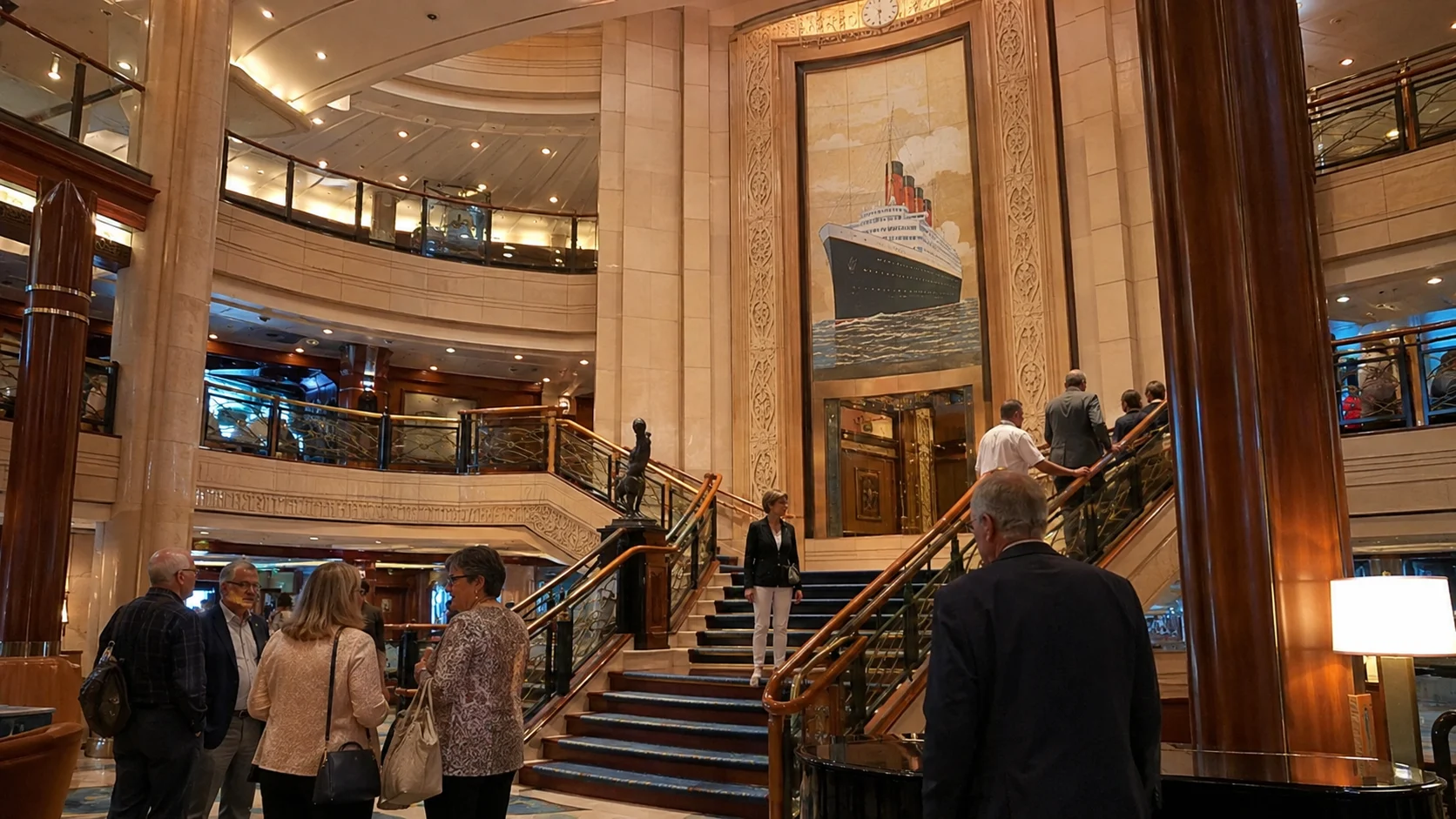
Use the cabins to avoid, best cabins, and deck guide to match Queen Mary 2’s sheltered balconies and long corridors to the crossing routine.
How this guide was researched:
I checked Cunard’s current ship information against the article’s cabin, venue and layout claims. Schedules, prices, access rules and assignments can change by sailing, so confirm booking-sensitive details before payment.