Disney Wish Pros and Cons: Who Should Book It?
Disney Wish is gorgeous, imaginative, and very good at creating the kind of family moments Disney fans are hoping for.
It is also less intuitive than Disney’s older ships because its two-elevator-bank layout, tiny pools, fragmented adult spaces, and short itineraries create annoyances that Magic, Wonder, Dream, and Fantasy often handle better.
Short version
- Best reason to book: Wish is spectacular for kids who are in the Disney sweet spot.
- Another strong point: Rotational dining is still one of Disney’s smartest family systems.
- Biggest tradeoff: The ship layout is weird and takes longer to learn.
- Think twice if: The adult-only outdoor area is the ship’s most obvious design miss.
- Bottom line: Book Disney Wish when its signature strengths sound exciting, not simply because it is newer or larger.
Before booking, browse the ship page, deck plan, and onboard guide so the cabin and activities match your priorities.
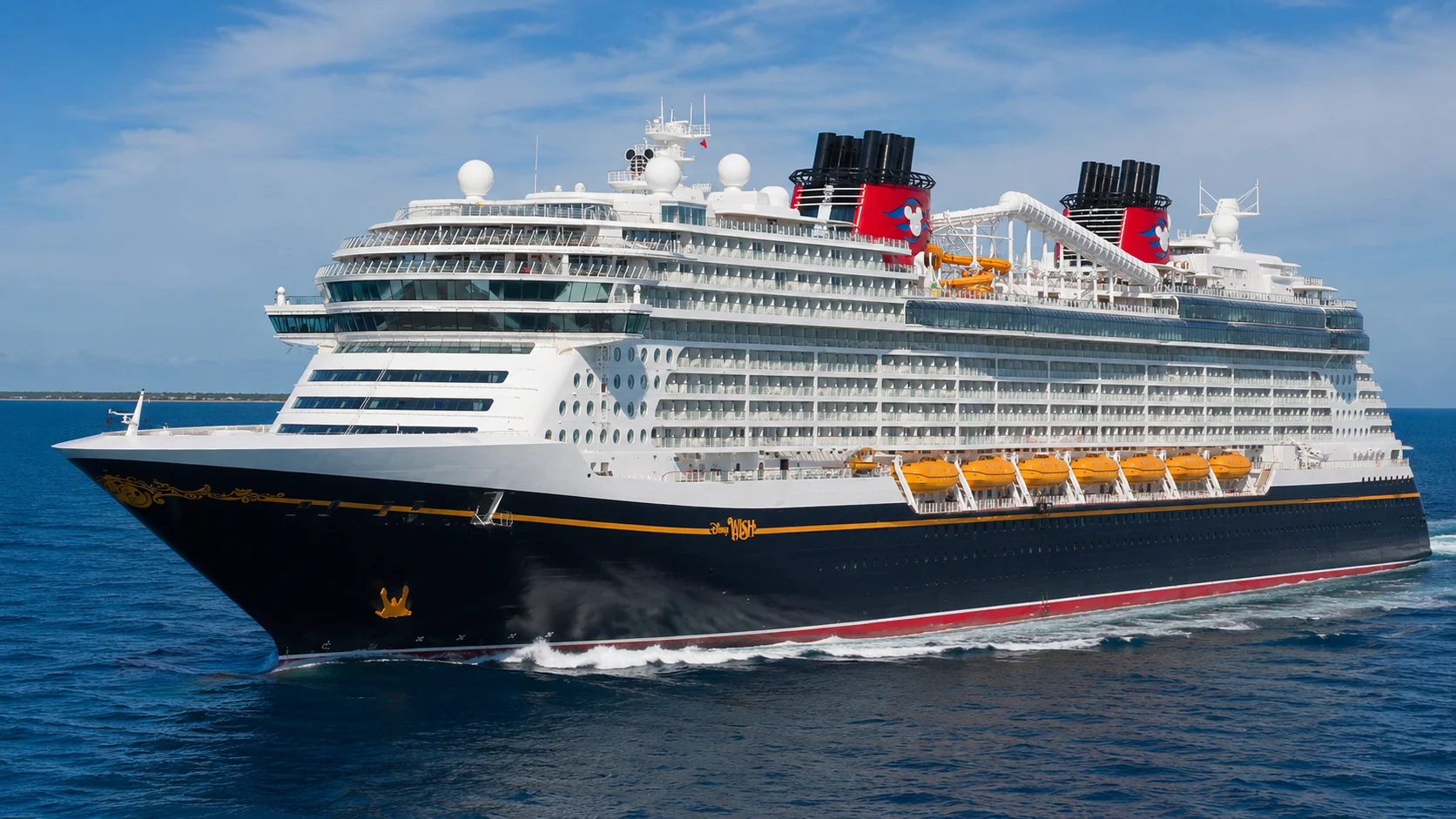
The Disney Wish decision in 30 seconds
- Best for: families with younger children, Disney fans, multigenerational trips, and first-time Disney cruisers who care more about characters and shows than ship navigation.
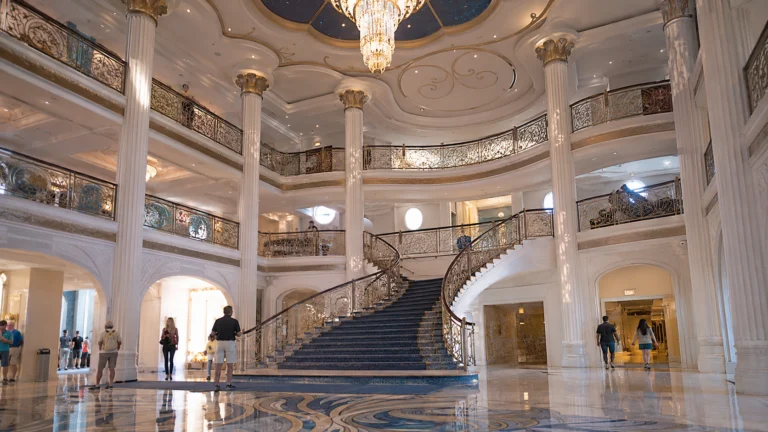
- Biggest strength: Disney storytelling is baked into the dining rooms, kids spaces, entertainment, and even the hallways rather than added as decoration.
- Biggest weakness: the ship’s circulation is noticeably less intuitive than Disney Magic, Wonder, Dream, or Fantasy.
- My booking warning: do not pay Wish prices assuming “newer Disney ship” automatically means “better Disney ship.”
Pro: Wish is spectacular for kids who are in the Disney sweet spot
If your child would lose their mind over Marvel, Frozen, princesses, Mickey, Star Wars, or walking into a kids club through a slide, Wish makes a convincing case for its fare. Disney did not simply place character statues around a normal cruise ship; the storytelling is built into the spaces children actually use.
Oceaneer Club is the obvious example, with multiple themed areas that let a child move from one obsession to another without the club feeling like a large daycare room with expensive wallpaper. Parents who struggle to get children to leave the club on other Disney ships should prepare for negotiations involving international law.
This is also why Wish works so well for multigenerational Disney trips. Grandparents do not have to ride AquaMouse or know which Avenger owns which hammer to enjoy the production quality, while younger kids get a ship that feels designed around them.
Pro: rotational dining is still one of Disney’s smartest family systems
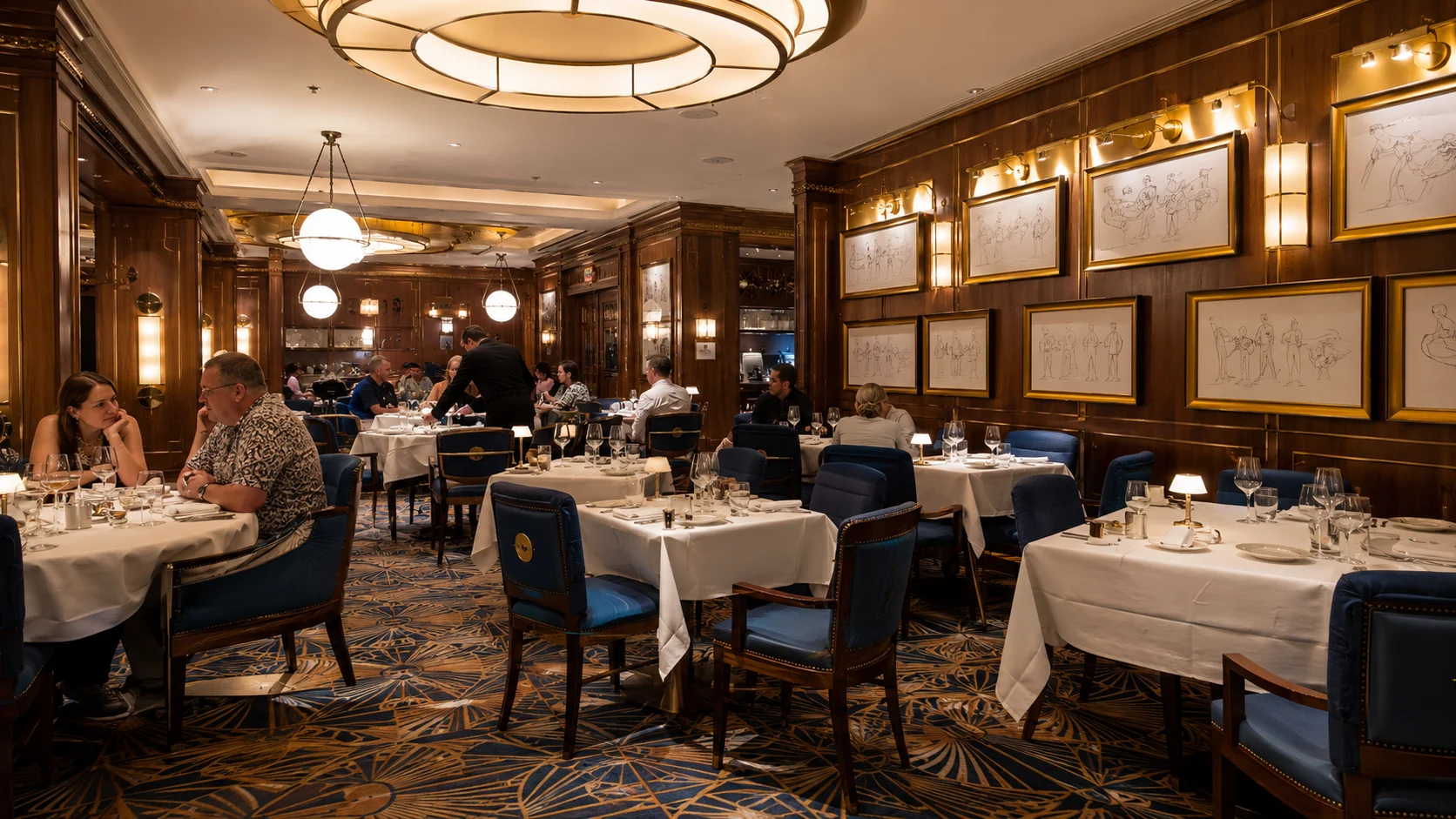
Wish rotates your family through 1923, Worlds of Marvel, and Arendelle while your serving team moves with you. That consistency sounds old-fashioned next to flashy specialty restaurants, but it is incredibly useful when a server already knows who needs a booster seat, who hates sauce touching anything, and which adult wants coffee before dessert.
The restaurants themselves are deliberately different. 1923 is the calmest and most traditional of the three, Arendelle is dinner plus Frozen entertainment, and Worlds of Marvel leans into screens and interactive superhero storytelling.
My warning is that not every adult wants dinner to be a show. If you are craving one quiet evening with excellent food and zero singing, budget for an adult restaurant or use a more casual plan instead of pretending you are thrilled to hear another character introduction.
Pro: the casual food around the pool is better than the buffet-only routine
Mickey and Friends Festival of Foods is one of the most practical improvements on Wish. Instead of forcing everybody into Marceline Market for every casual meal, you can grab barbecue, tacos, pizza, burgers, and other quick food near the pool deck.
That is exactly what families need at lunch when one child wants pizza, another wants something else, and nobody wants to put on dry clothes for a formal discussion about food. Use these venues heavily during the day and save the buffet for meals when its variety is actually useful.
The catch comes later because Wish does not offer a traditional dinner buffet. If you skip rotational dining, make sure you know which casual and room-service options are operating that evening rather than assuming Marceline Market will rescue you at 8 p.m.
Pro: Disney’s stage entertainment is a legitimate part of the fare
Disney Seas the Adventure, The Little Mermaid, and Disney’s Aladdin are not lounge shows designed to fill forty-five minutes between dinner seatings. Disney spends real money on costumes, sets, performers, effects, and recognizable stories, and families who would otherwise buy theater tickets on land can reasonably count that value.
The Walt Disney Theatre is also one of the easiest shared activities for a multigenerational group because nobody needs a height requirement, athletic ability, or interest in sitting beside the pool. On a three-night cruise, still resist the urge to schedule every production if your kids are already running on fumes by 9 p.m.
Character encounters add another layer, especially for families who would otherwise spend valuable theme-park time waiting for the same photographs. Popular bookable experiences can disappear quickly, so handle true priorities when your booking window opens and ignore the rest until onboard.
Con: the ship layout is weird and takes longer to learn
The layout is Wish’s most obvious daily-life weakness. The ship has forward and aft elevator banks but no traditional midship bank, while lounges, restaurants, and public spaces are tucked into a plan that can force you to go up, over, and back down instead of simply walking straight through.
Wish takes longer to feel intuitive than Magic, Wonder, Dream, or Fantasy, even if you normally learn ships quickly. That is especially irritating on short Bahamas itineraries because the moment you finally stop checking the app for directions, it is nearly time to pack.
The two elevator banks also collect stroller traffic at the exact times families are moving to dinner and shows. If you can comfortably use stairs for a few decks, you may end up doing that far more often than expected.
My cabin advice is therefore unusually specific: being “near an elevator” matters on Wish, but being near the right elevator matters more. Use the Disney Wish deck-by-deck guide and trace your most common routes before booking.
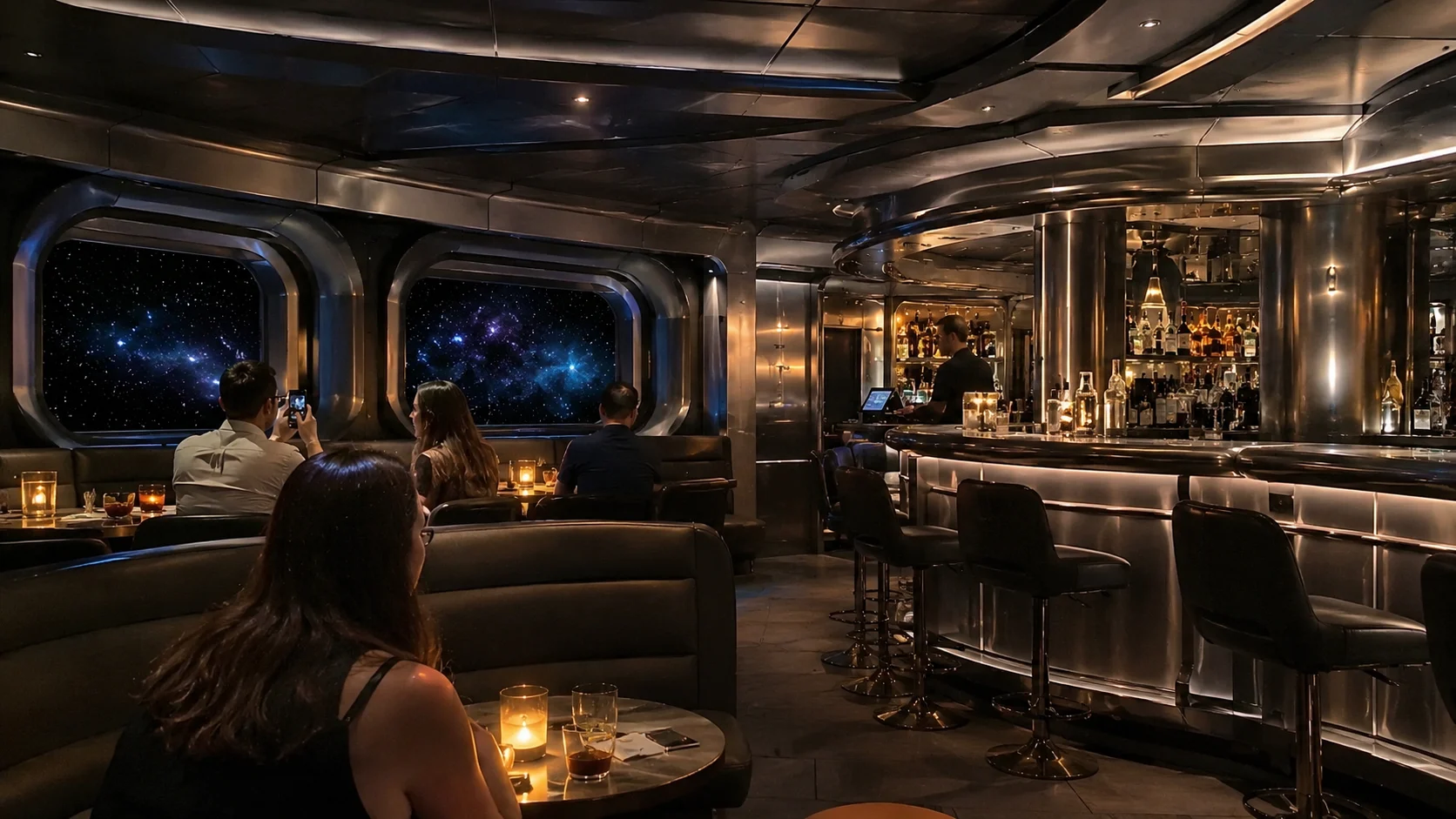
Con: the adult-only outdoor area is the ship’s most obvious design miss
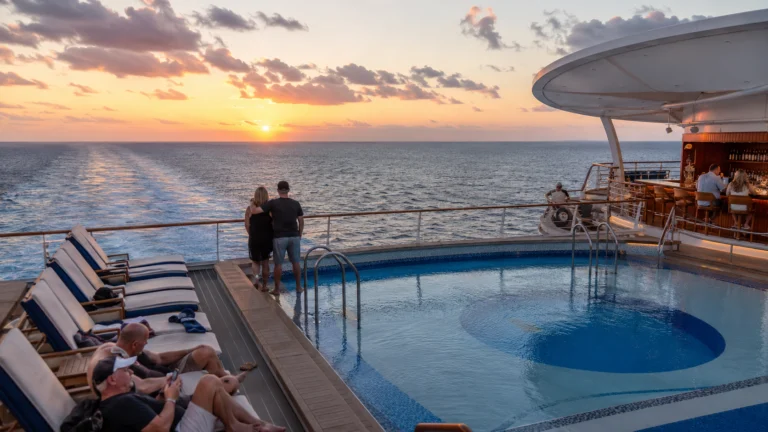
Disney markets very effectively to adults without children, but Wish does not give those adults the same easy, expansive outdoor retreat available on older Disney ships. The adult pool area at the stern is attractive but small, with limited prime seating and less of that roomy “escape from family vacation” feeling.
The adult bars and restaurants themselves are excellent, but they are more fragmented around the ship. The Rose, Palo Steakhouse, Enchanté, Cove Café, spa spaces, and bars can create a very good adults-only day, yet you have to deliberately stitch that day together.
That makes Wish a weaker recommendation for child-free couples than Disney’s marketing might suggest. If the Disney brand matters enormously, you can have a wonderful trip; if the brand is incidental, there are more adult-centered ships offering more space for the same or less money.
Con: the family pools are basically a collection of small tubs with excellent branding
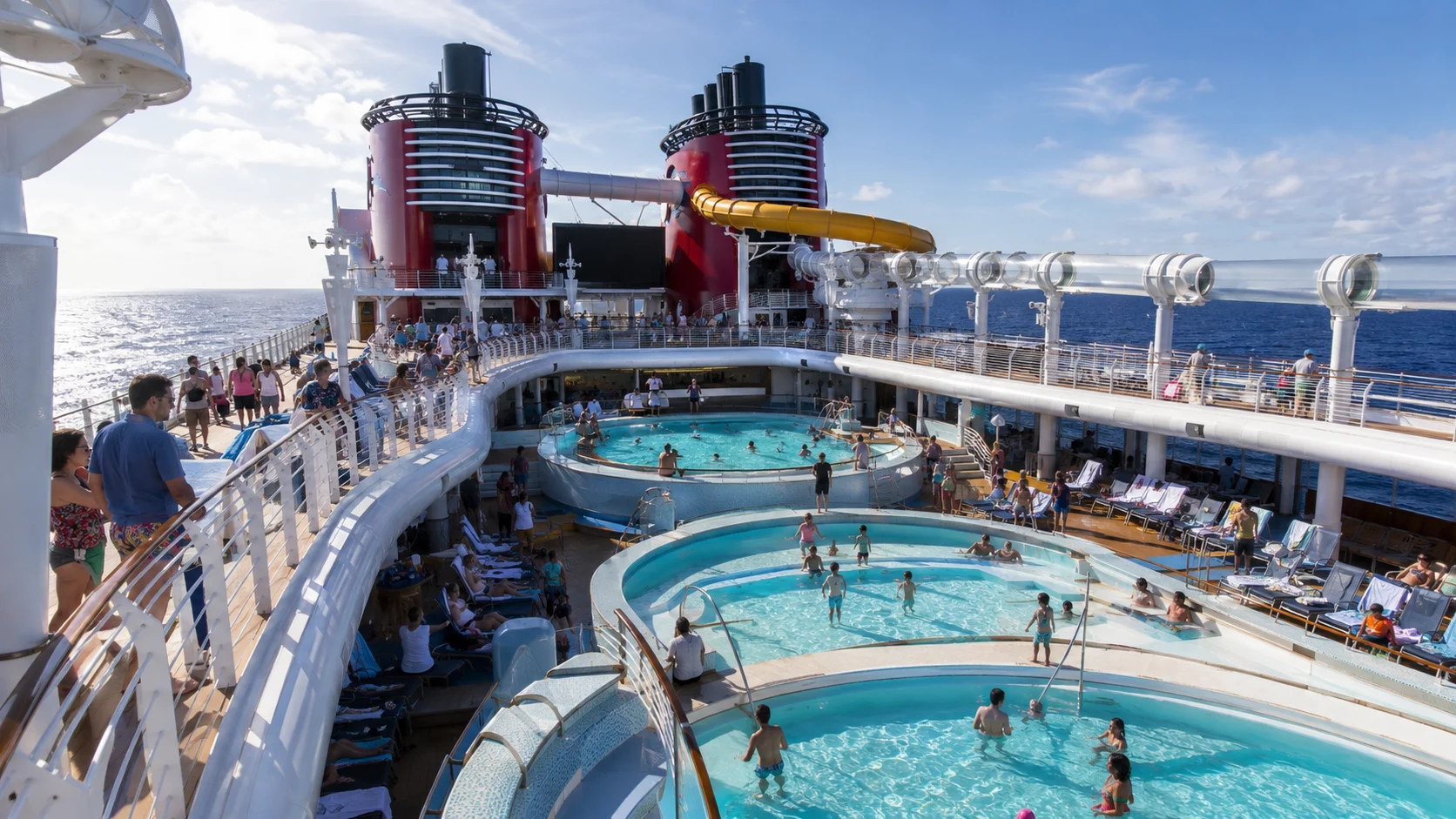
Wish has multiple family pools, which sounds impressive until you see how small many of them are. On a hot sea day, that can translate into a deck full of tiny bodies of water that fill quickly rather than one or two genuinely roomy swimming pools.
AquaMouse is fun and beautifully themed, but treat it as a family attraction rather than a reason to choose the ship by itself. Wait times vary, weather matters, and the ride is more Disney storytelling with a water component than an intense waterslide.
If your children mainly care about swimming, compare the pool setup with another ship before paying the Disney premium. Wish is much stronger at themed experiences than at giving hundreds of people space to actually swim laps or splash without touching strangers.
Con: the short itineraries make the premium harder to swallow
Wish commonly sails three- and four-night Bahamas itineraries, which means the cruise can end just as your family has figured out the restaurants, club routine, show times, and whether anyone actually wants another character breakfast photo. Paying Disney prices feels very different when you divide the total by three nights.
The itinerary itself is not why it makes sense to pay extra. Nassau and Disney’s private-island calls can be fun, but the financial case for Wish is that your family values Disney service, kids programming, entertainment, rotational dining, and character access enough to make the ship part of the destination.
If your children are indifferent to Disney characters and would be equally happy on waterslides elsewhere, the math gets uncomfortable quickly. You may be paying a significant brand premium for details your family barely notices.
Pro: the split bathroom is still brilliant for families
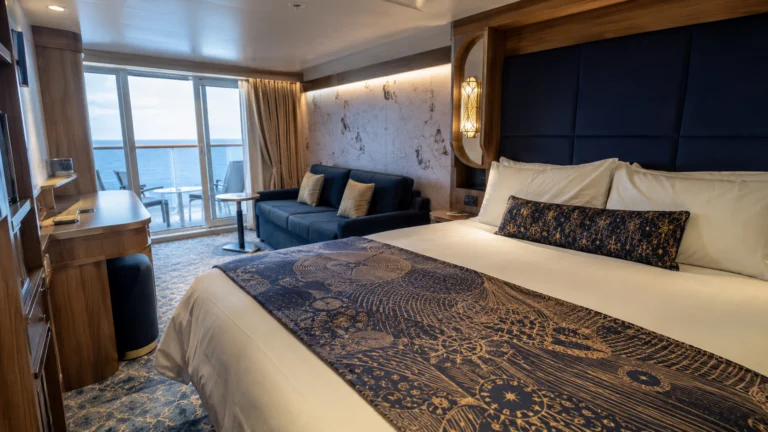
Disney’s split-bath concept remains one of those unglamorous cabin features that becomes wonderful at 7:15 a.m. One person can use the toilet and sink while another showers in the separate room, which reduces the daily bathroom traffic jam in a cabin holding three or four people.
Wish cabins are attractive and thoughtfully themed, but some configurations have less useful storage than comparable rooms on older Disney ships. Inspect the exact category and sleeping setup rather than assuming every Disney family stateroom is functionally identical.
Connecting doors, upper-deck noise, verandah rail style, and elevator distance also matter. My Disney Wish cabins to avoid guide covers the locations you should scrutinize, while the best cabins guide focuses on the rooms you should actually pay more for.
A few Wish quirks that should influence your booking
- No casino: wonderful if you hate walking through smoke and slot-machine noise, disappointing if casino time is part of your cruise routine.
- Family activity dominates the ship: there are adult spaces, but the overall atmosphere is unapologetically family-first.
- Second dining can run late for small kids: think about your normal bedtime before choosing a seating because a magical dinner is less magical beside a sleeping six-year-old.
- Premium adult dining is genuinely special: couples who value food may love Palo Steakhouse or Enchanté, but these add meaningful cost to an already premium fare.
- Castaway Cay or Lookout Cay can be a major value component: if your sailing includes a Disney destination you love, that can strengthen the case for Wish considerably.
Who I think will love Disney Wish
Families with preschool and elementary-age children. This is the audience most likely to use the characters, Oceaneer spaces, family dining, shows, and themed attractions enough to justify the fare.
Grandparents taking the family on one big Disney trip. The service structure and built-in entertainment make it easier to keep several generations happy without everybody doing the same thing.
Disney adults who know what they are buying. If you actively want Disney design, shows, service, and adult dining, Wish can be charming despite the layout.
First-time cruisers nervous about cruising. Disney’s organized service and familiar storytelling can make the experience feel less foreign than stepping onto a conventional resort ship.
Who you should point toward another ship
Repeat Disney cruisers who love Dream or Fantasy specifically for their layout. Wish is not simply a newer version of those ships, and some of the changes are genuine downgrades in day-to-day navigation.
Adults who want a large adults-only pool deck. Wish can deliver excellent adult dining and bars, but outdoor adult space is not its strongest hand.
Families whose kids are not especially into Disney. You can buy a lot of family-cruise hardware elsewhere for the money.
Anyone who hates short cruises. Wish gives you enough to do that three nights can feel like leaving a theme park at lunchtime because your parking meter expired.
How to book Disney Wish
Choose four nights over three whenever the price and schedule are reasonable. The extra day does more for this ship than another twenty square feet of cabin because it gives your family time to stop rushing.
Book a cabin near the elevator bank that best serves yyour actual routine, not whichever room is labeled midship. Then, secure only the character experience or adult dinner you would truly regret missing.
Also read the Disney Wish dining guide before choosing a dinner strategy, because rotational dining is a bigger part of the experience here than on most mainstream ships. Skipping a dining room is fine when it is intentional and annoying when you simply misunderstood the options.
Finally, compare the total with Disney Fantasy, Disney Dream, and at least one non-Disney family ship for the same vacation window. If Wish still wins after that comparison, you are paying for features you actually value rather than being hypnotized by a newer launch year.
Continue planning with the cruise tips, things to do.
How this guide was researched: This guide was checked against the cruise line’s current ship pages, deck plans, venue listings, and published policies. Details can change by sailing, so confirm booking-sensitive prices, hours, access rules, and cabin assignments before payment.
The final verdict
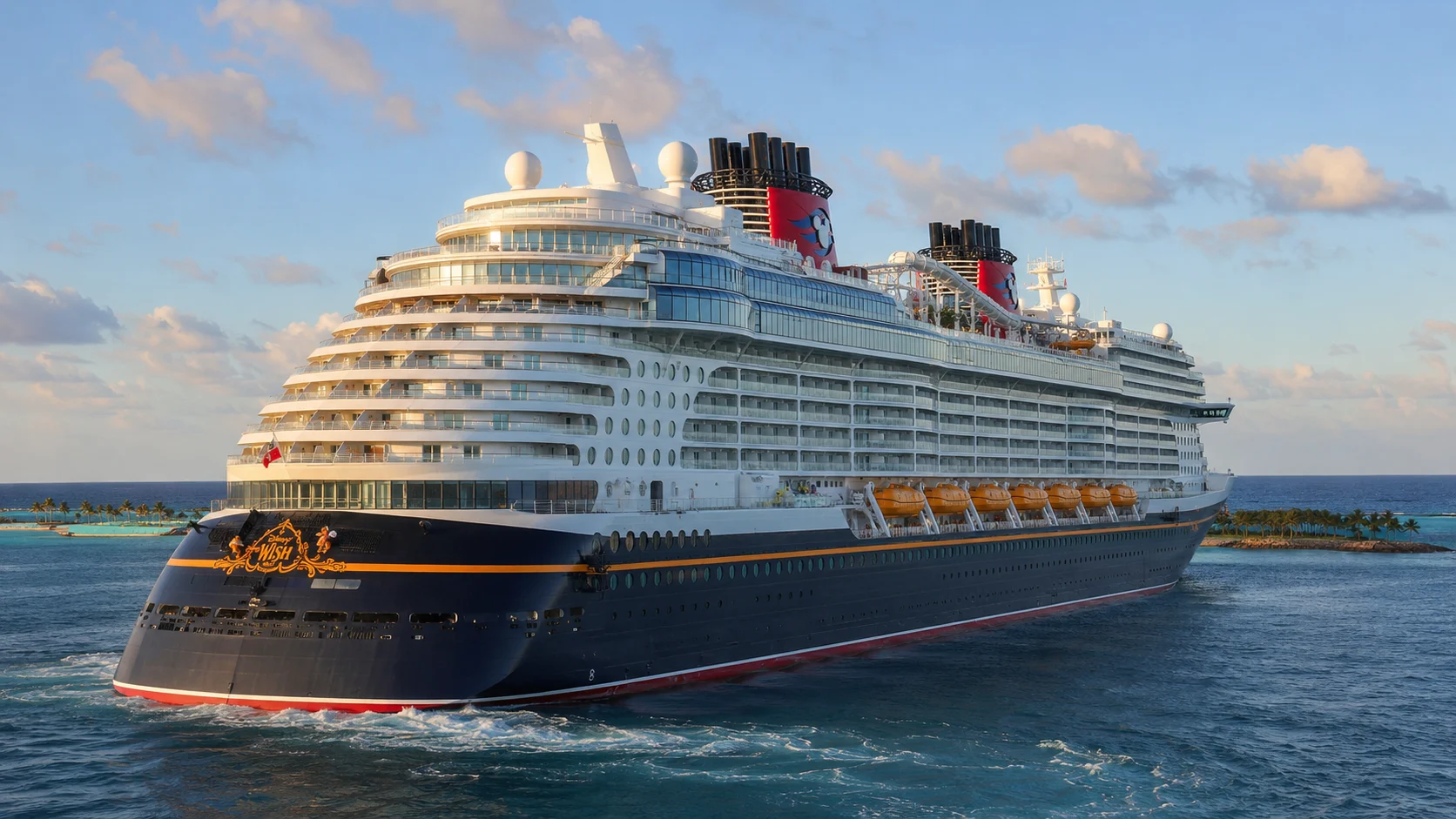
Disney Wish is a very good family ship wrapped around a surprisingly awkward floor plan. Its kids programming, rotational restaurants, casual pool-deck food, stage productions, split-bath cabins, and relentless Disney detail can create an exceptional short family vacation.
Just stop calling it the automatically superior choice because it is newer. The two-elevator-bank layout, tiny pools, fragmented adult spaces, and short itineraries are real compromises, and Dream or Fantasy can still be the better fit if you value their more intuitive layouts.
Plan your Disney Wish cruise
Use the cabins to avoid, best cabins, and deck guide to turn the broad pros and cons into a confident room choice.