One person, no team
About Ellie Simons
I read deck plans for fun, so you do not have to
I’m Ellie. I research and write Cruise Ship Insights to help you choose the right ship, find a room that fits, and know what to expect before you step aboard.
I’m an engineer by trade, which probably explains the deck plans. I want to know why a cabin is quiet or loud, and whether the layout actually supports the advice.

Why a whole site about ships
Three sites, one question
Each site came from the last
Ellie’s Travel Tips is where I share the wider trip. Cruise Ports grew into a place for the details of getting ashore and making the most of a port day.
Then came the ship questions
Readers kept asking about the other half of the trip. Which deck is quiet, whether the cabin above the theater is a mistake, and whether a guarantee booking is worth the gamble.
The answers needed more work
I kept finding the same recycled rules, sometimes borrowed from a different ship or an old layout. I wanted advice that could explain the reason, one ship at a time.
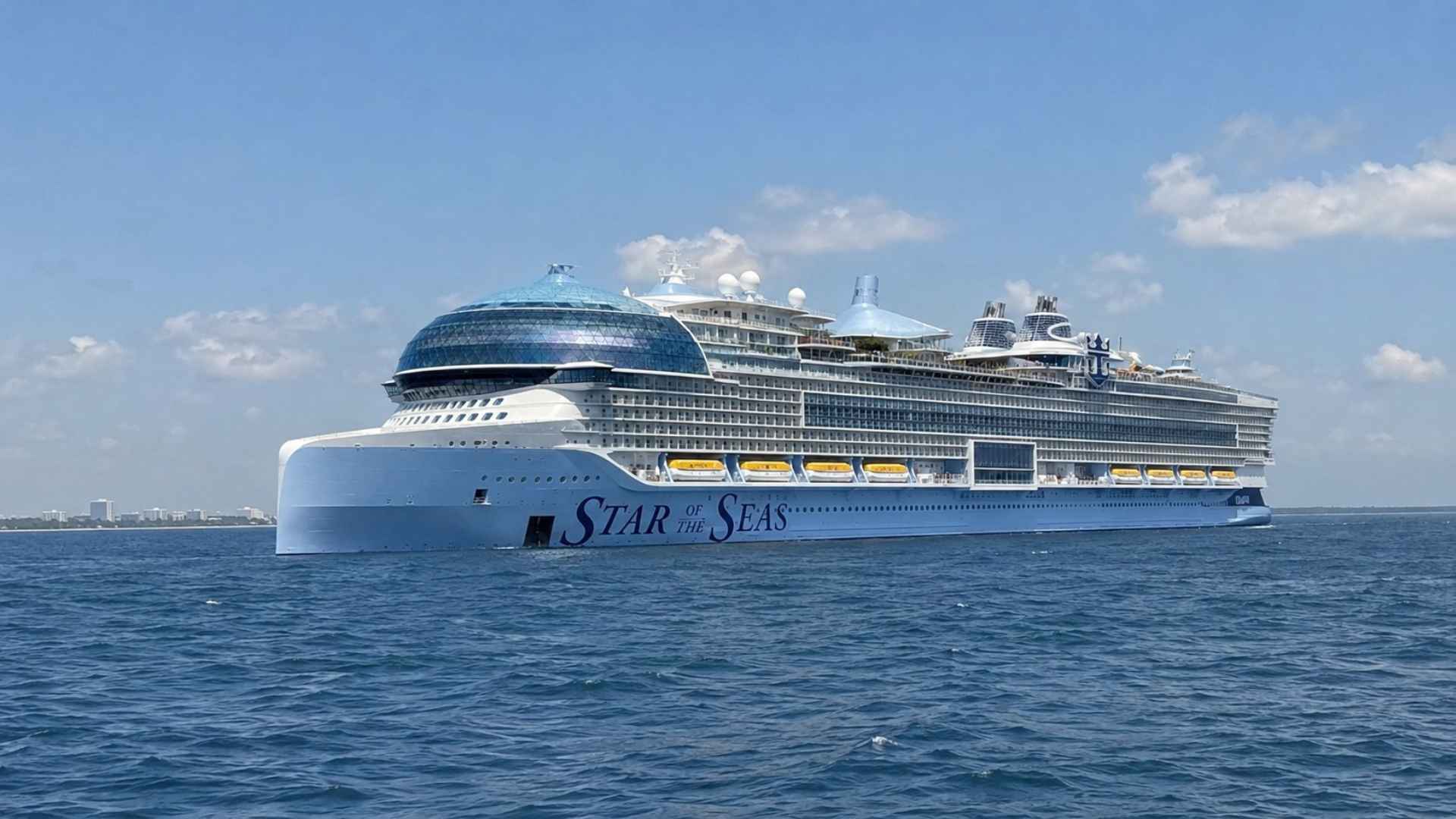
The right answer starts with the ship you are actually sailing.

Why this is worth the work
The room is the part of the trip you live with all week.
You can try another restaurant or find a quieter bar. Changing cabins after you board is a much bigger ask, especially when the ship is full.
Two rooms can share a category and a price, yet one sits above a late-night lounge and the other does not. That difference is often visible on a deck plan, if someone takes the time to look.
From a plan to a recommendation
How I research a ship
Four checks, including what each one keeps out of a guide.
Stage 01 · The deck plans
Start with the ship as it is now.
I use current deck plans and official sources to check cabin locations, categories, dimensions, and what sits above, below, and beside a room. Refurbishments and venue changes matter just as much as the original layout.
What this rules out
Advice based on a pre-refurbishment layout, a renamed venue, or a cabin category that no longer exists.
Stage 02 · Passenger reports
Two accounts have to mean two people.
I look for at least two independent passenger reports describing the same experiential problem. A review repeated across several websites still counts as one account, and reports from one sailing need careful context.
What this rules out
One angry review treated as a recurring problem, or an aggregator echo mistaken for agreement.
Stage 03 · A physical explanation
The layout has to explain the complaint.
If passengers report bass at night, I check whether a music venue is actually nearby. The reports and the current layout need to support each other before an experiential warning becomes a recommendation.
What this rules out
Received wisdom with no mechanism, such as declaring an entire deck noisy without checking what is next to it.
Stage 04 · Saying what is thin
Uncertainty belongs in the guide.
A single account is a lead, not an established warning. If limited evidence is useful enough to mention, I label it clearly and distinguish official facts, passenger experience, and my own editorial judgment.
What this rules out
False confidence, unlabelled single-source claims, and research written as though I experienced it firsthand.
Get in touch
Found something wrong? Tell me.
A reader who just got off a sailing can spot things a deck plan will never show. If a venue moved, a cabin changed, or a guide does not match what you found onboard, I’d like to hear about it.

Said plainly
What I have and have not sailed
I have not sailed every ship I write about, and I have not slept in most of the cabins these guides cover. Research can help you make a better decision, but it is not the same thing as a firsthand stay.
Sailed myself
My cruising started on the Disney Magic when I was eight. I’ve sailed with Disney and Norwegian, and Norwegian is the line I find myself returning to most often.
Researched, not sailed
Most of the fleet covered here is researched through current deck plans, official sources, and multiple independent passenger accounts. I say when a recommendation comes from that research rather than my own sailing.
Corrections
When a factual correction changes what a reader would understand or book, I update the guide and add a visible note explaining what changed and when. Material corrections are not quietly edited away.