Oasis of the Seas Pros and Cons: Who Should Book It?
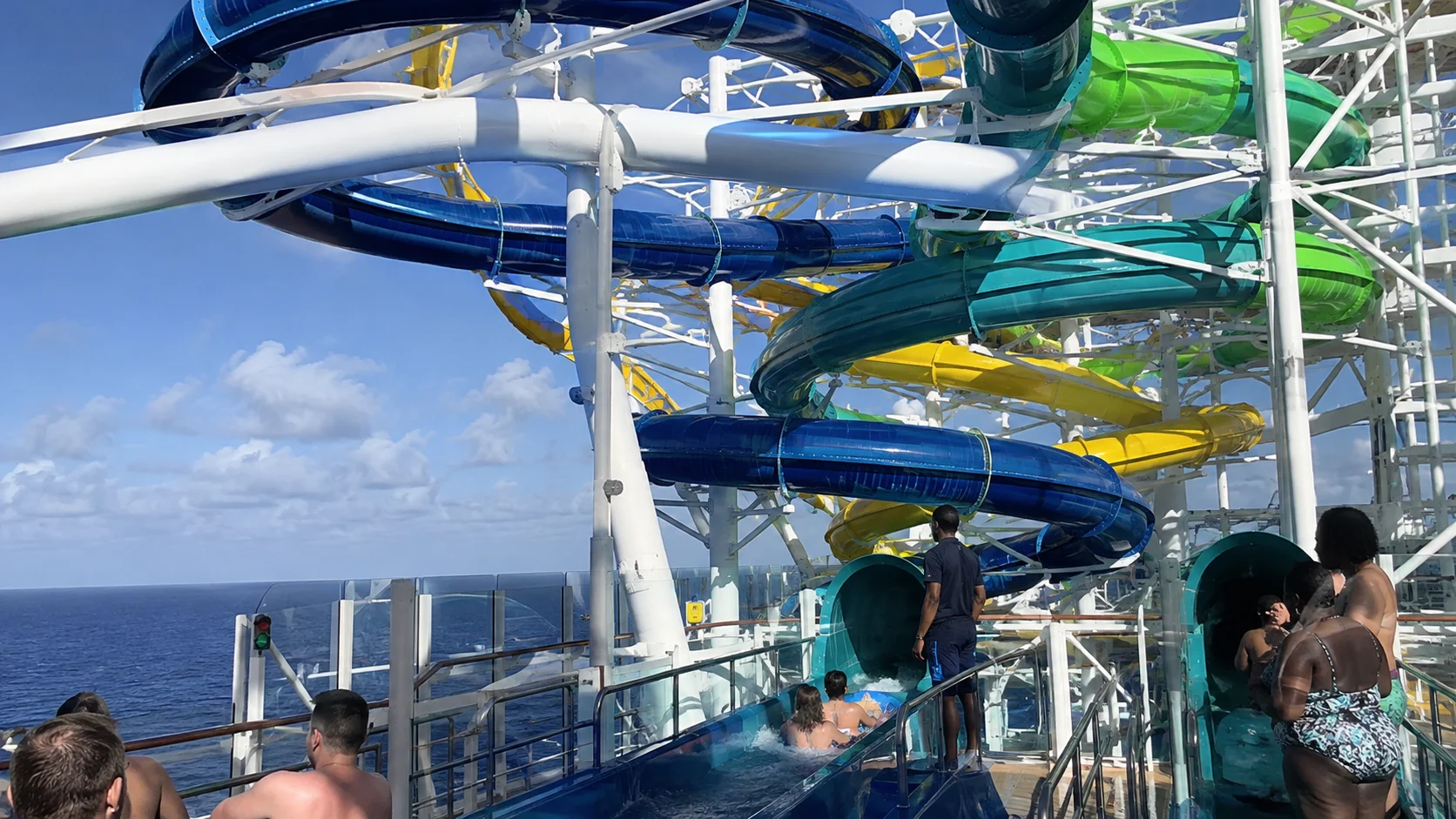
Oasis of the Seas is strongest for families and multigenerational groups who will use its neighborhoods, AquaTheater, ice rink, FlowRiders, Perfect Storm slides, Ultimate Abyss and broad dining lineup.
Its biggest tradeoffs are long walking distances, predictable elevator pressure, crowd peaks around popular events and enough paid extras to make the finished trip price matter.
Short version
- Best reason to book: The neighborhood design gives different travelers room to split up.
- Another strong point: Dining variety is deep enough without buying a package.
- Biggest tradeoff: Crowding concentrates around predictable pressure points.
- Think twice if: Add-ons can make Oasis much more expensive than the fare suggests.
- Bottom line: Book Oasis of the Seas when its signature strengths sound exciting, not simply because it is newer or larger.
Before booking, browse the access guide, deck plan, and pool rules so the ship, cabin, and fare match your priorities.
The honest Oasis-class verdict
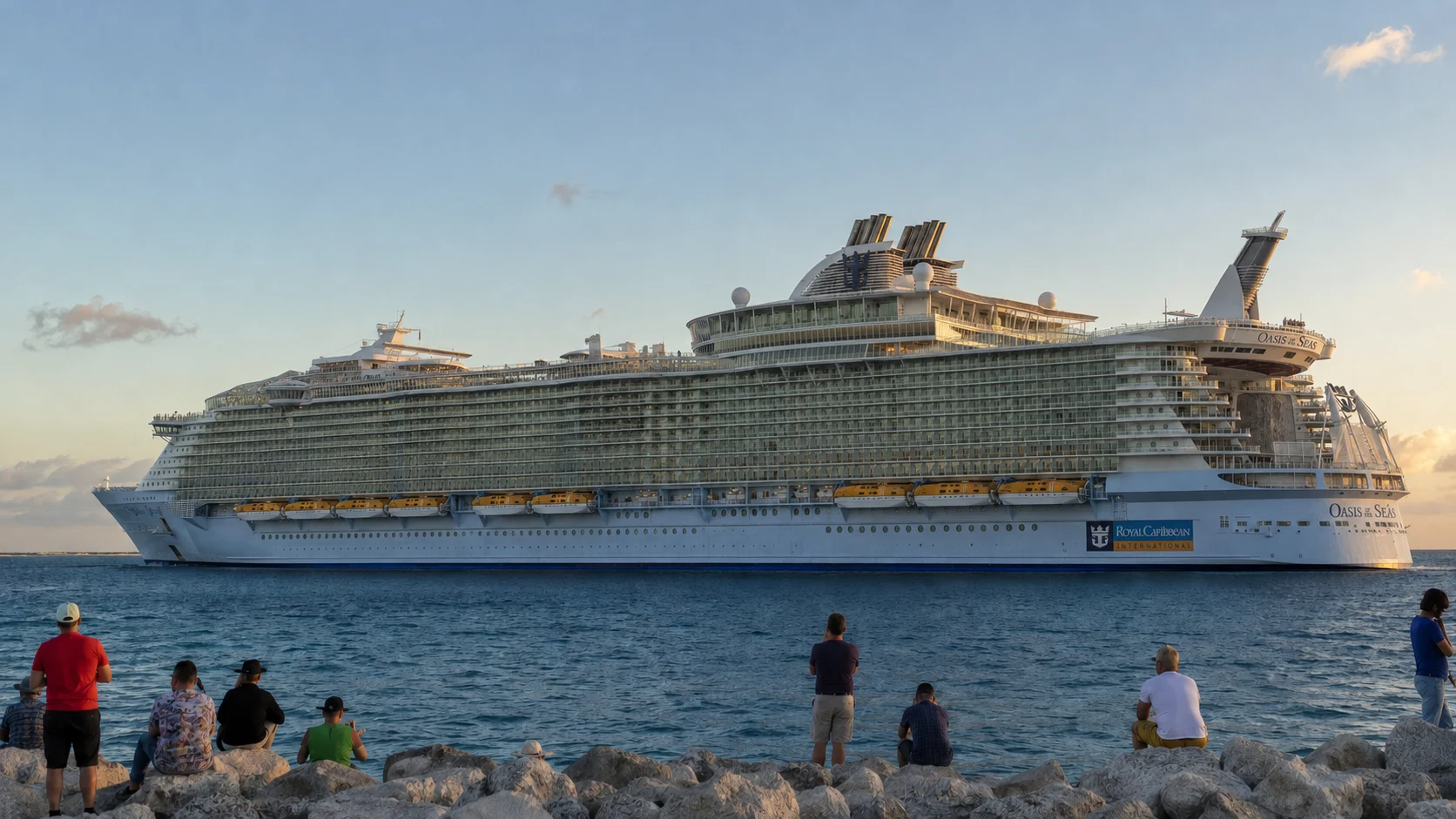
Oasis is an established Oasis-class ship with a refreshed public product, so judge it by the spaces operating now rather than by its age. The useful question is whether its neighborhood layout, pools, dining and entertainment fit the group better than the sister ships being considered.
Oasis combines Ultimate Abyss, The Perfect Storm, a Caribbean-style pool deck, Splashaway Bay, The Lime & Coconut, Portside BBQ, Playmakers, El Loco Fresh, Music Hall, youth spaces, laser tag and an escape room. Those additions matter because they broaden how different ages use the ship, not because they make every cabin or underlying system feel new.
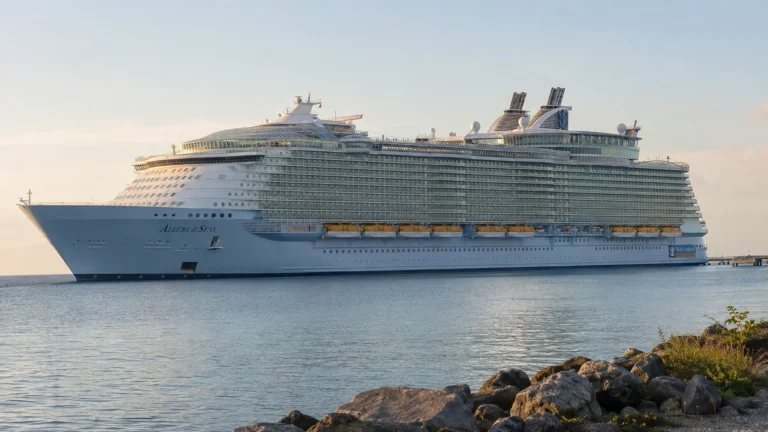
Oasis is the original split-superstructure neighborhood ship, combining Central Park, Boardwalk, Royal Promenade, AquaTheater, an ice rink, two FlowRiders, twin rock walls, a zip line and the newer activity mix. That variety makes the ship worth paying for when sea days and onboard time are part of the vacation rather than something to fill between ports.
The ship earns more of its fare on itineraries with enough sea time to use the neighborhoods, pools, sports and entertainment. On cooler or more port-heavy routes, put more weight on indoor spaces and the itinerary itself rather than assume the resort hardware will dominate every day.
Pro: the neighborhood design gives different travelers room to split up
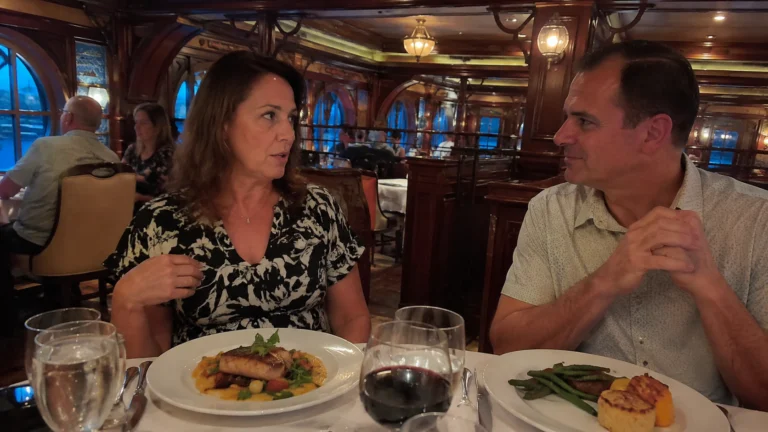
Central Park, Boardwalk, and the Royal Promenade spread people among very different environments rather than making the ship feel uniformly busy. That variety helps groups with competing interests, though meeting at “the neighborhood bar” is not precise enough on a ship this large.
Central Park is the calmer interior-facing choice, with restaurants, greenery, and evening music, while Boardwalk is more openly family-oriented and leads to the AquaTheater. Neither provides the uninterrupted sea connection of an ocean-facing promenade or balcony.
The split superstructure brings daylight into the ship and creates memorable inward-facing balconies. It also creates privacy, heat, sound, and view tradeoffs that do not appear on a simple inside-versus-balcony price grid.
The Solarium is the primary adults-only retreat and the minimum age is 18. Still expect sound and foot traffic to change by hour, because “adults-only” is an eligibility rule rather than a silence guarantee.
Pro: dining variety is deep enough without buying a package
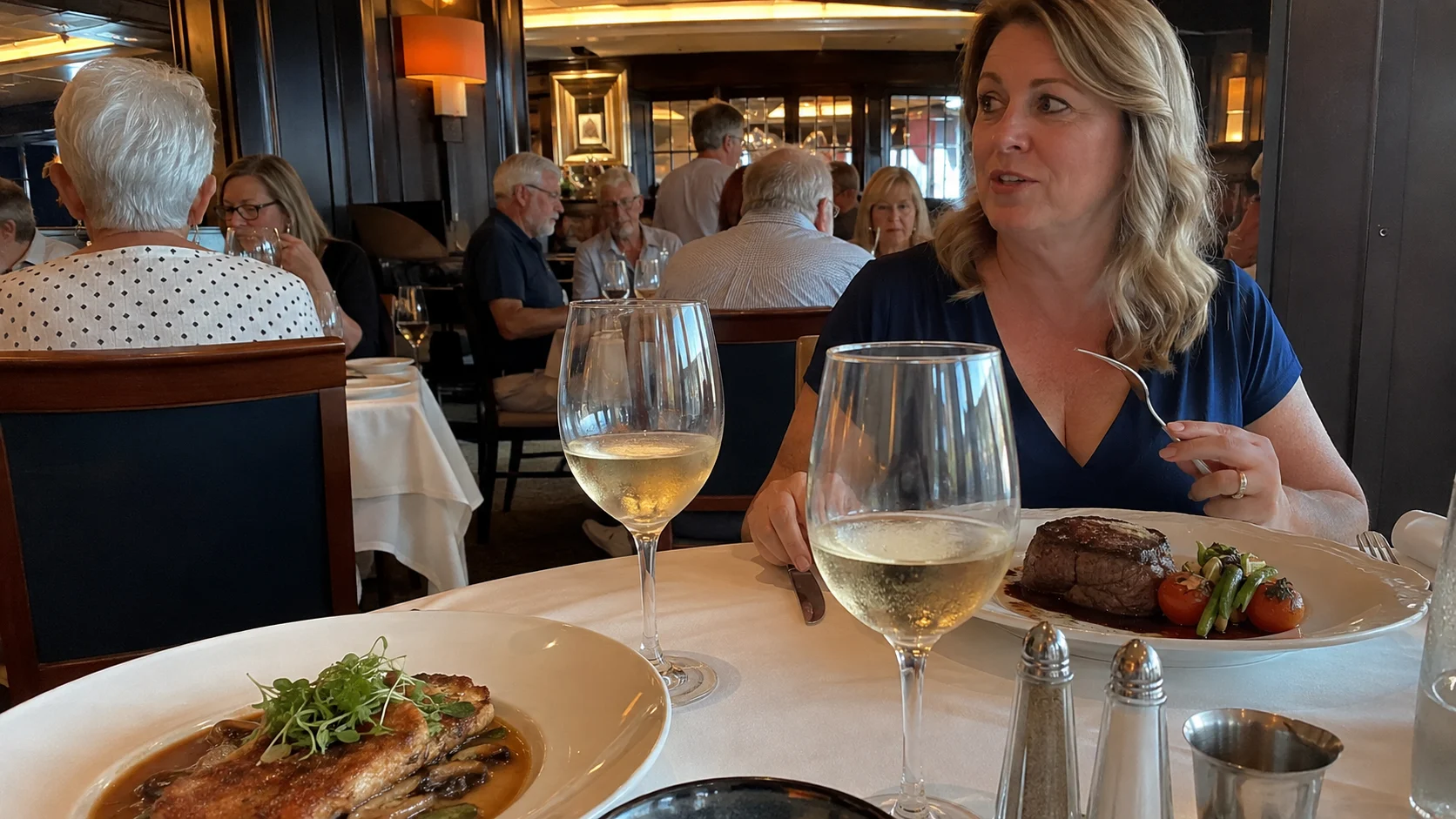
The reliable included core is Main Dining Room, Windjammer, Park Café, Café Promenade, Sorrento’s, Dog House, El Loco Fresh, and selected meals at Solarium Bistro. Sister ships can share venue names without sharing exactly the same lineup, so check each dining venue by meal.
Paid choices include Chops Grille, Giovanni’s Table, Izumi, 150 Central Park, Portside BBQ, Johnny Rockets, Chef’s Table, Starbucks, and room service beyond continental breakfast. Included status, reservations, hours, and package eligibility can vary by meal or sailing, so the booking planner should guide the purchase.
Portside BBQ is a ship-specific reason to spend extra, but do not buy a dining package until its eligibility, hours and the itinerary fit the plan. The right package supports the trip rather than forcing specialty meals into inconvenient evenings.
Reserve one or two specialty meals the group genuinely wants, then check them against port returns and priority shows. A discount is poor value when the package turns dinner into a quota or blocks a flexible shore day.
Pro: the activity lineup works across generations
Ultimate Abyss, The Perfect Storm, the zip line, FlowRider, and rock climbing are not interchangeable promises for every body. The ride limits are 44 inches and 300 pounds for Ultimate Abyss, and 48 inches and 300 pounds for Typhoon, Cyclone, and Supercell.
The zip line requires at least 52 inches and a weight from 75 through 275 pounds. FlowRider requires 52 inches for boogie boarding and 58 inches for stand-up surfing, while private sessions can cost extra even though ordinary sessions are included.
The rock wall is for ages 6 and older, with weight governed by the equipment and the need to fit the harness. You should check the app and posted rules because weather, staffing, capacity, clothing, and health restrictions can still close an attraction to an otherwise eligible rider.
Aqua80, ice, Music Hall, and main-theater productions give non-riders meaningful alternatives, but titles and performance times can change. Reserve the true must-do productions first and leave ordinary activities flexible.
Con: crowding concentrates around predictable pressure points
Crowding is concentrated rather than constant: buffet breakfast, elevators after shows, the Promenade during events, and the Boardwalk around AquaTheater releases are predictable pressure points. Weather and school calendars can change that pattern, so one crowded period is not a shipwide measurement.
The app is useful for seeing reservations and daily times, but it cannot shorten the ship or make simultaneous priorities compatible. Decide which one event matters each evening before adding dinner and secondary activities around it.
Two elevator banks serve very long horizontal routes, and accessible elevator demand can rise sharply after shows and on port return. Add transition time rather than label every delay as a crew or service problem.
Groups should use a venue name, deck, side, and meeting time instead of relying on a moving bar or a vague staircase. This small habit matters when people have different phones, packages, mobility, or plans.
Accessibility starts before the room number
Accessible staterooms can provide 32-to-34-inch doors depending on the vessel, roll-in showers, grab bars, lowered storage, and selected accessible balconies. Standard doors can be only 23 inches, so mobility-device width belongs in the booking decision.
Wheelchairs and scooters must be stored and charged inside the cabin rather than in corridors. Reserve the right accessible category early and give the Access Department device measurements, shower needs, and transfer requirements before its deadline.
A suitable stateroom does not make every gangway, tender, coach, or shore excursion accessible. Ask about each named port, walking surface, slope, step, and vehicle transfer, especially when an itinerary depends on several consecutive days ashore.
The smaller daily radius is often more valuable than the grandest view for someone with limited stamina. Map the cabin to the preferred dining room, theater, Solarium, and gangway before paying for a category upgrade.
Con: add-ons can make Oasis much more expensive than the fare suggests
The fare covers the cabin, core dining, most production entertainment, and many headline attractions, but Royal Caribbean is not all-inclusive. Drinks beyond basic included choices, Wi-Fi, gratuities, excursions, casino play, arcade games, specialty food, and many scheduled experiences or classes can add cost.
Vitality fitness equipment can be part of the included routine, while spa treatments, salon services, and some classes cost extra. Compare the actual treatment and thermal-access description instead of assuming that “spa” on a deck plan is an included amenity.
Solo pricing commonly starts from a double-occupancy fare, so compare the complete one-person total rather than the per-person headline. If a studio appears in the booking inventory, compare its size, location, and total with a regular cabin rather than assume “studio” automatically means the best solo fare.
A suite can buy space and category-specific benefits, including access that may depend on the exact Royal Suite Class tier. You should check Coastal Kitchen meals, lounge or deck access, internet, and service benefits for the named category rather than transfer entitlements from a newer Oasis-class ship.
Con: cabin type and location can change the experience dramatically
Open the Oasis deck plan beside the booking screen. Use the cabin-location guide because what sits above, below, across the hall, and beyond the balcony matters more than a broad category label.
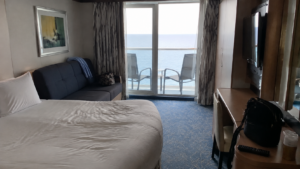
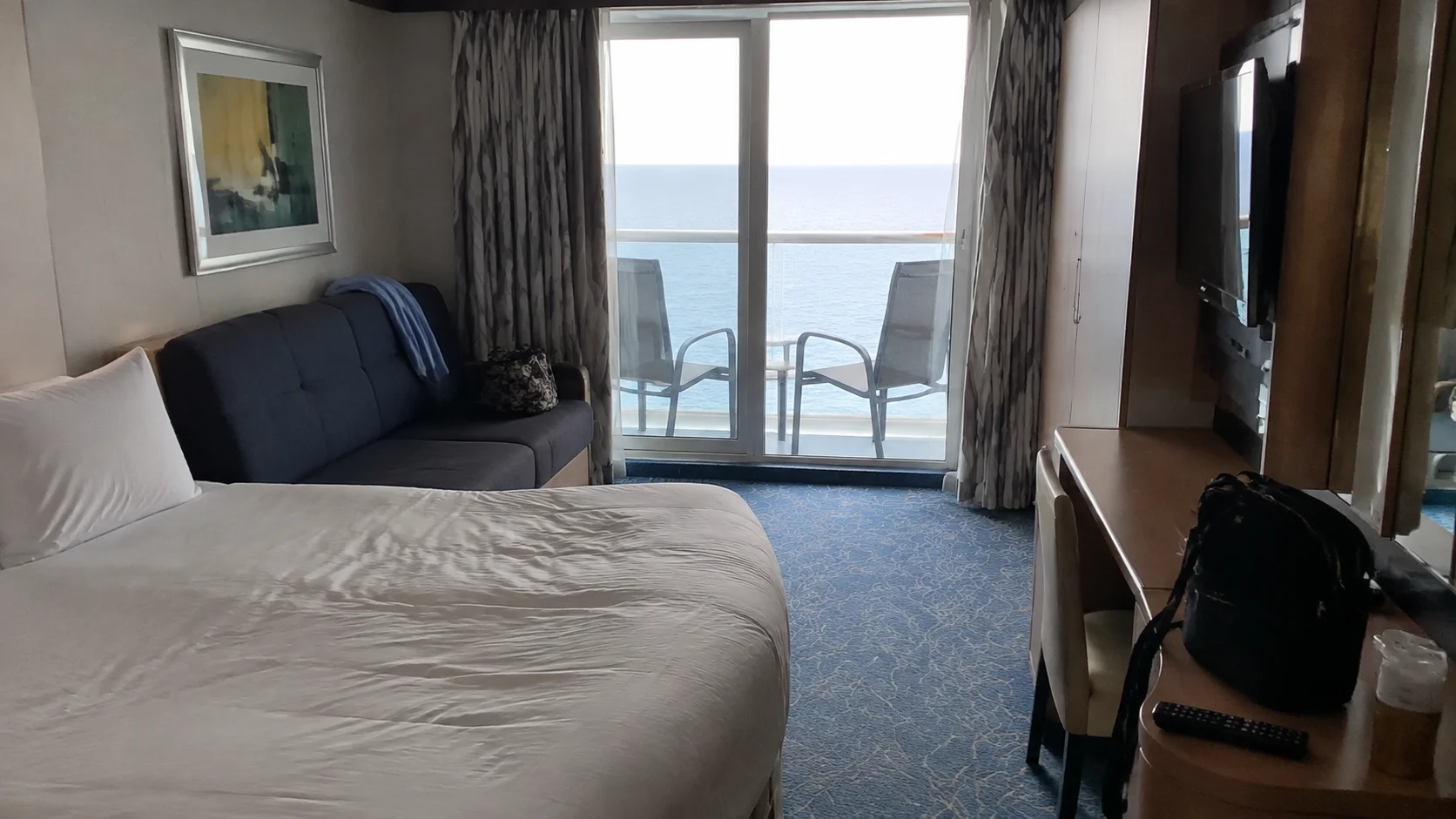
An ocean-view balcony faces the water, a Central Park balcony faces the interior garden, and a Boardwalk balcony faces activity and may have a partial aft sea view. Never describe those three outlooks as equivalent simply because all have outdoor space.
Boardwalk cabins can receive show, music, and family-area sound, while Central Park rooms can trade open-sea views for a more sheltered neighborhood outlook. A far-aft Boardwalk view may also be framed by ship structure or the Ultimate Abyss, so room photos matter.
Cabins below pools, sports areas, buffet service, or movable seating need extra scrutiny from light sleepers, as do connecting doors and rooms near service areas. Lower, more central rooms can help motion-sensitive travelers, while higher rooms shorten the trip to outdoor attractions.
Who should book Oasis of the Seas
Book this ship for families whose children meet the rules for the activities they care about and whose adults want real evening choices. The value comes from using several lanes of the ship, not from counting the most logos on a page.
Oasis of the Seas has a Baby Splash facility for young children. A child in diapers or not fully toilet trained may use only that designated area, not regular pools or whirlpools.
Multigenerational groups can split among the carousel, pools, sports, shows, Solarium, dining, and live music, then regroup for selected meals. Confirm youth-program hours, attraction eligibility, and adult supervision rules before those promises support the deposit.
Active couples can enjoy Central Park, specialty dining, production shows, the adults-only Solarium, and late music without traveling with children. Still choose a smaller ship when intimacy and effortless movement matter more than entertainment range.
Sea-day travelers and groups with different interests receive the strongest return from the scale. A port-first traveler who plans to leave early and return late should compare whether a simpler ship reaches the same places for less.
Who should choose another ship
Compare Oasis with Harmony, Allure or another Oasis-class option based on venue mix, itinerary, cabin and final trip price. The comparison should keep cabin type, itinerary length, cancellation terms, transportation and realistic add-ons as similar as possible.
Steer crowd-sensitive travelers elsewhere if they dislike reservations, long corridors, event releases, or large resort environments even after timing adjustments. The neighborhoods distribute demand, but they do not turn an Oasis-class ship into a small vessel.
Also choose another ship when a child misses the crucial height or weight rule and that attraction is the family’s main reason to cruise. Watching siblings use a headline feature is not an equivalent substitute.
Travelers who expect every named restaurant, drink, spa service, and activity to be included may find the spending model frustrating. Compare the honest total with a line whose bundled fare better matches the group’s habits.
Anyone who needs a precise accessible shore experience should keep comparing until the actual room, ports, excursions, and transfers are documented. A general accessibility label cannot answer the itinerary-specific questions.
How to book Oasis without overcomplicating it
First, choose the exact sailing and make sure the itinerary leaves enough ship time to justify Oasis’s scale. Embarkation logistics, port hours and transportation matter more than treating one route as the ship’s permanent identity.
Second, measure every intended rider, settle the Baby Splash rule, confirm the 18-plus Solarium boundary, and list two non-riding alternatives. Eligibility and operating conditions matter more than promotional photos.
Third, choose the exact cabin around motion, sound, repeated walks, view, bed and berth layout, device storage, and connecting needs. Accept a guarantee only when the savings compensate for every possible assignment in that category.
Finally, price the trip twice, once with necessities and once with every promised drink, meal, spa treatment, Wi-Fi plan, excursion, and private session. Reserve the scarce priorities, then stop scheduling before the vacation becomes a spreadsheet.
Quick answers
Is Oasis of the Seas worth the money?
Yes, Oasis of the Seas can be worth the money when the group uses its neighborhoods, activities, and entertainment. Compare the final trip total with a named alternative rather than apply an arbitrary fare threshold.
Is Oasis of the Seas good for couples?
Yes, Oasis of the Seas can work well for couples who want Central Park, adults-only Solarium time, dining, shows, and live music. Choose a smaller ship if quiet scale is more important than the number of options.
Will Oasis of the Seas feel crowded?
Oasis of the Seas can feel busy at predictable meal, event, elevator and port-transition peaks, but that is not a permanent shipwide condition. Adjusting meal times, routes and meeting points helps far more than assuming every crowded moment defines the whole week.
How important is cabin location on Oasis of the Seas?
Cabin location is crucial because neighborhood exposure, repeated walks, motion, public decks, accessible routing, and balcony outlook can change the same sailing. Treat the room number as part of the ship choice, not an administrative detail.
Continue planning with the cruise tips, things to do, dining guide.
How this guide was researched: This guide was checked against the cruise line’s current ship pages, deck plans, venue listings, and published policies. Details can change by sailing, so confirm booking-sensitive prices, hours, access rules, and cabin assignments before payment.
The final verdict
Book Oasis of the Seas when its itinerary and Oasis-class product fit the travelers, especially when several interests need to coexist. Skip it when compact scale, broad inclusions or effortless spontaneity is the real priority.
The headline attractions are valuable only for guests who qualify and actually want to use them, while Baby Splash solves one narrow toddler-water need rather than opening every pool. Treat the attraction limits and onboard planner as practical booking constraints, not fine print to discover after boarding.
If Oasis is on your shortlist, compare its cabin, itinerary, venue mix and complete trip cost with one or two specific alternatives. The best choice is the ship whose tradeoffs fit the group, not the one with the renovation label.
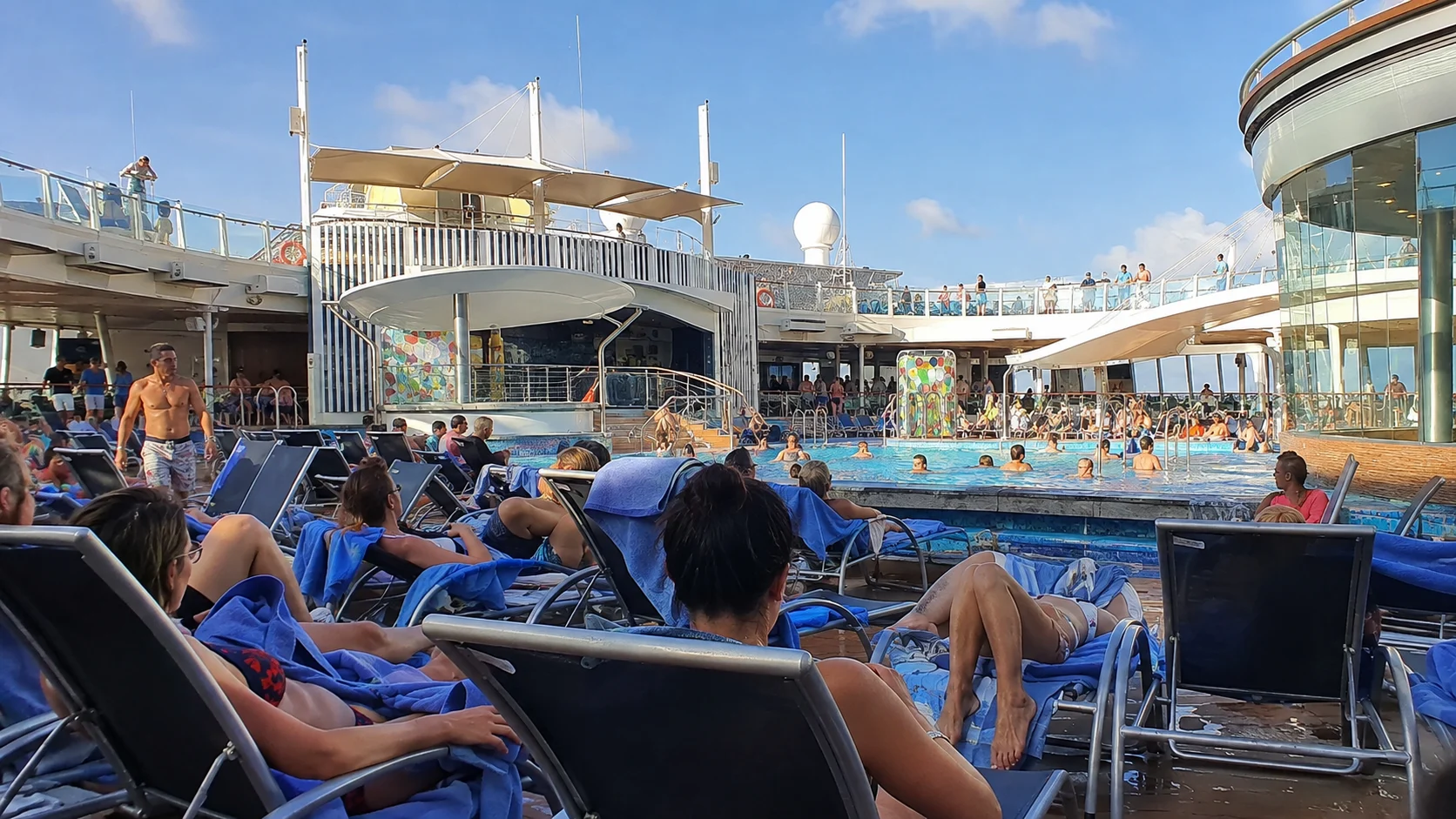
Plan your Oasis of the Seas cruise
Finish with the cabins to avoid, best cabins, and deck guide so Oasis’s neighborhoods, views, and walking routes support the room choice.