Nieuw Statendam Pros and Cons: Is It Right for You?
Nieuw Statendam is a strong fit if your ideal cruise pairs live music and good meals with scenic days ashore.
Its covered Lido Pool and forward-view Crow’s Nest are useful in cool weather, while families seeking waterslides or a busy thrill-ride deck should look elsewhere.
Short version:
Choose Nieuw Statendam for Music Walk, a weather-protected pool, and varied included dining. Compare another ship if short walking distances, toddler water play, or a fare covering most extras matters more.
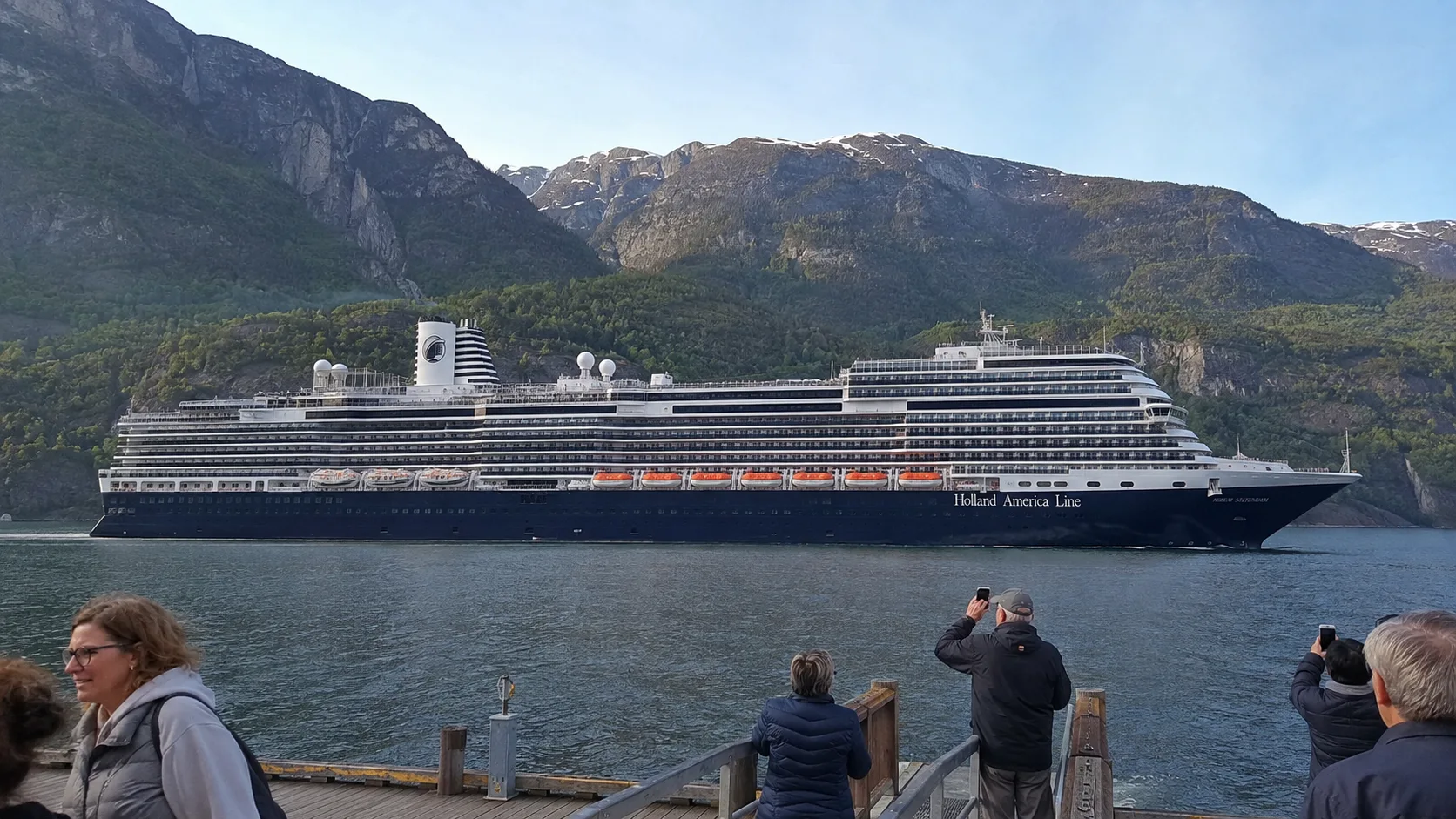
Is Nieuw Statendam right for you?
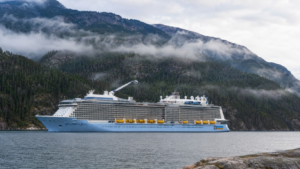
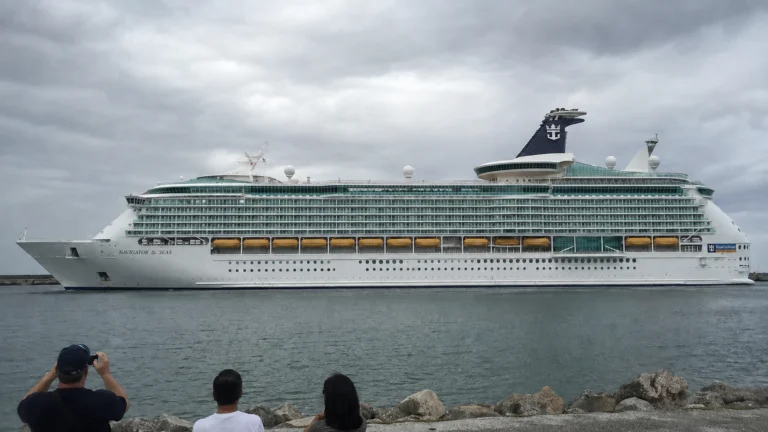
Nieuw Statendam is a Pinnacle-class ship with a music-centered lower-deck core, a covered Lido Pool, and forward views from the Crow’s Nest. Those public spaces let you enjoy a scenic cruise without paying for a suite or filling every evening with reservations.
Compare its actual itinerary with Koningsdam, Rotterdam, and smaller Holland America ships. A better port schedule or well-located cabin can matter more than launch order.
Why Pinnacle-class layout works
Pinnacle class puts World Stage, the atrium, major music rooms and much of the specialty dining on the lower public decks. That helps an evening flow from dinner to a show, although simultaneous endings can load the same passages and elevators.
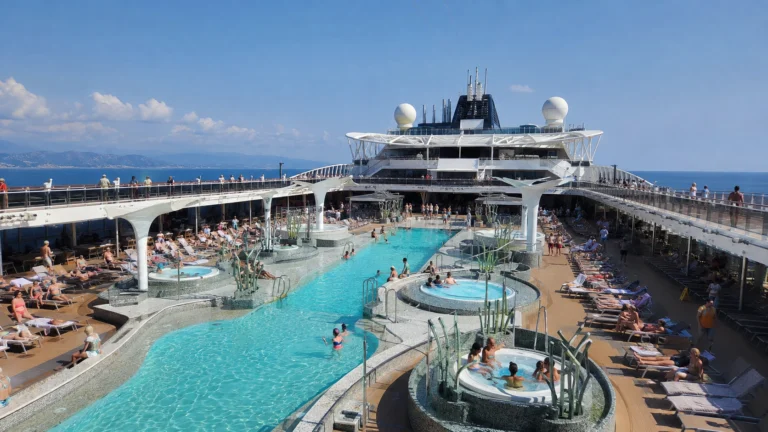
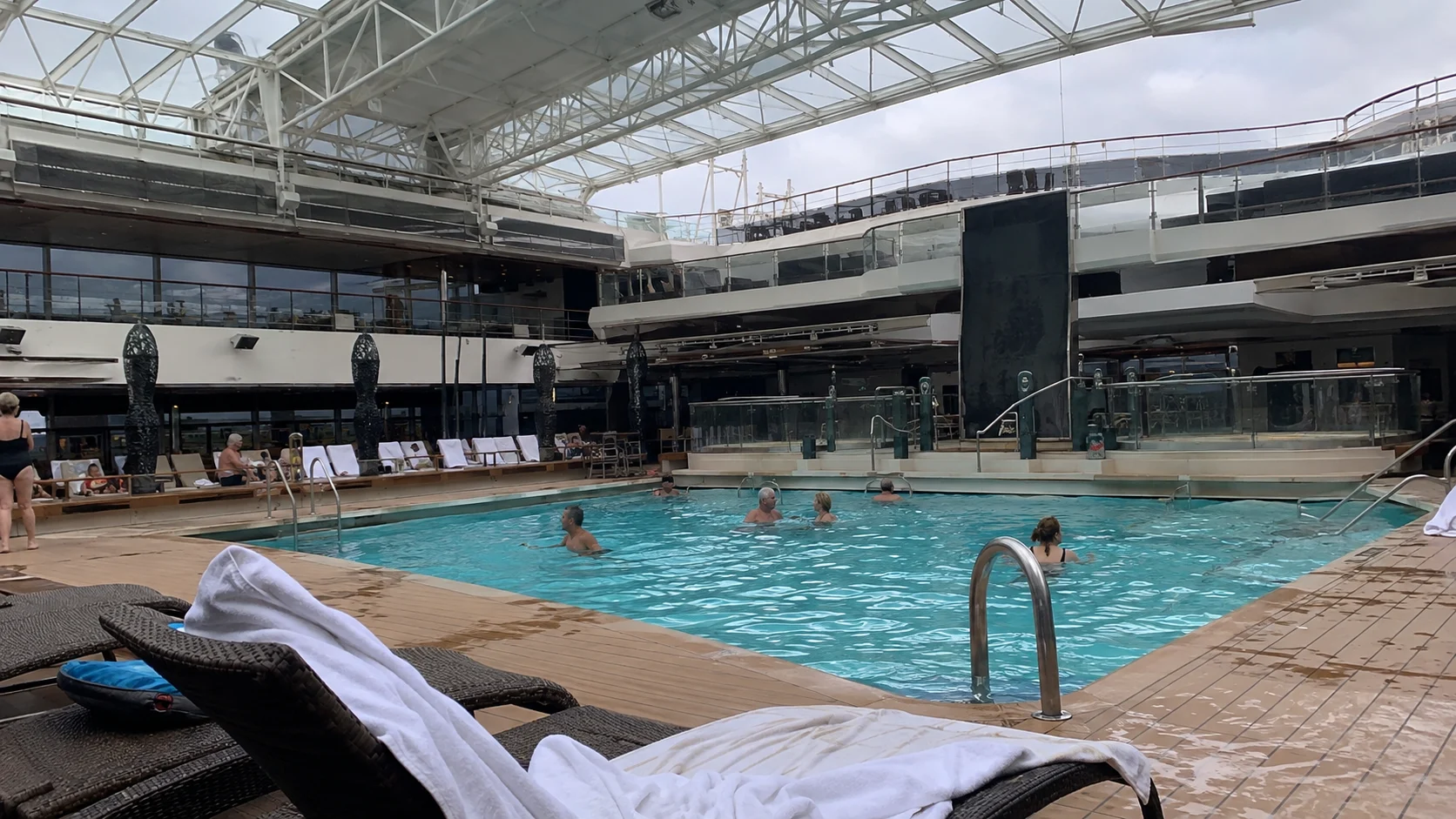
The Lido Pool has a retractable roof, so it remains more useful when rain, cold, or wind limits open-deck time. That is a real advantage in northern Europe, although poor weather can concentrate more guests under the roof.
Crow’s Nest provides forward views and a calmer daytime base, while the outdoor promenade offers a traditional walking route. Use those as alternatives rather than expect one favorite chair or rail position to remain available.
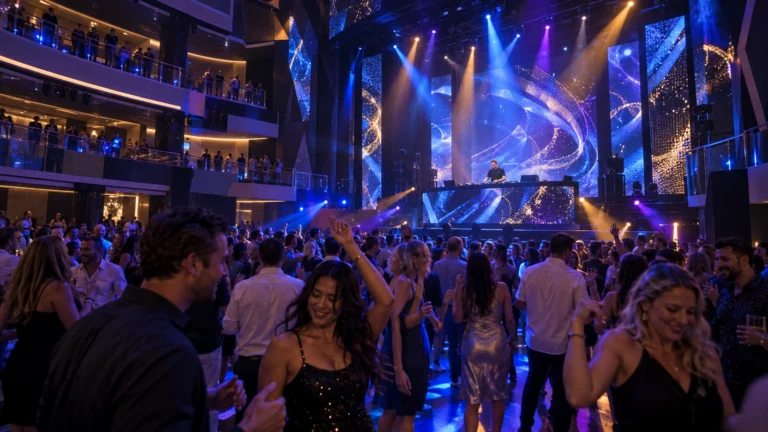
Music Walk is a real differentiator for travelers who want several live sets instead of one large production every night. The tradeoff is that nearby rooms and corridors can sound lively, so you can inspect a cabin’s relationship to the entertainment decks rather than dismiss every lower deck.
Included dining is enough
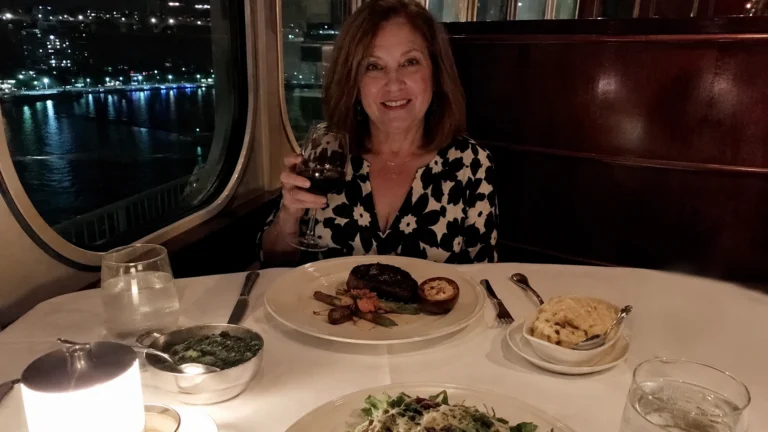
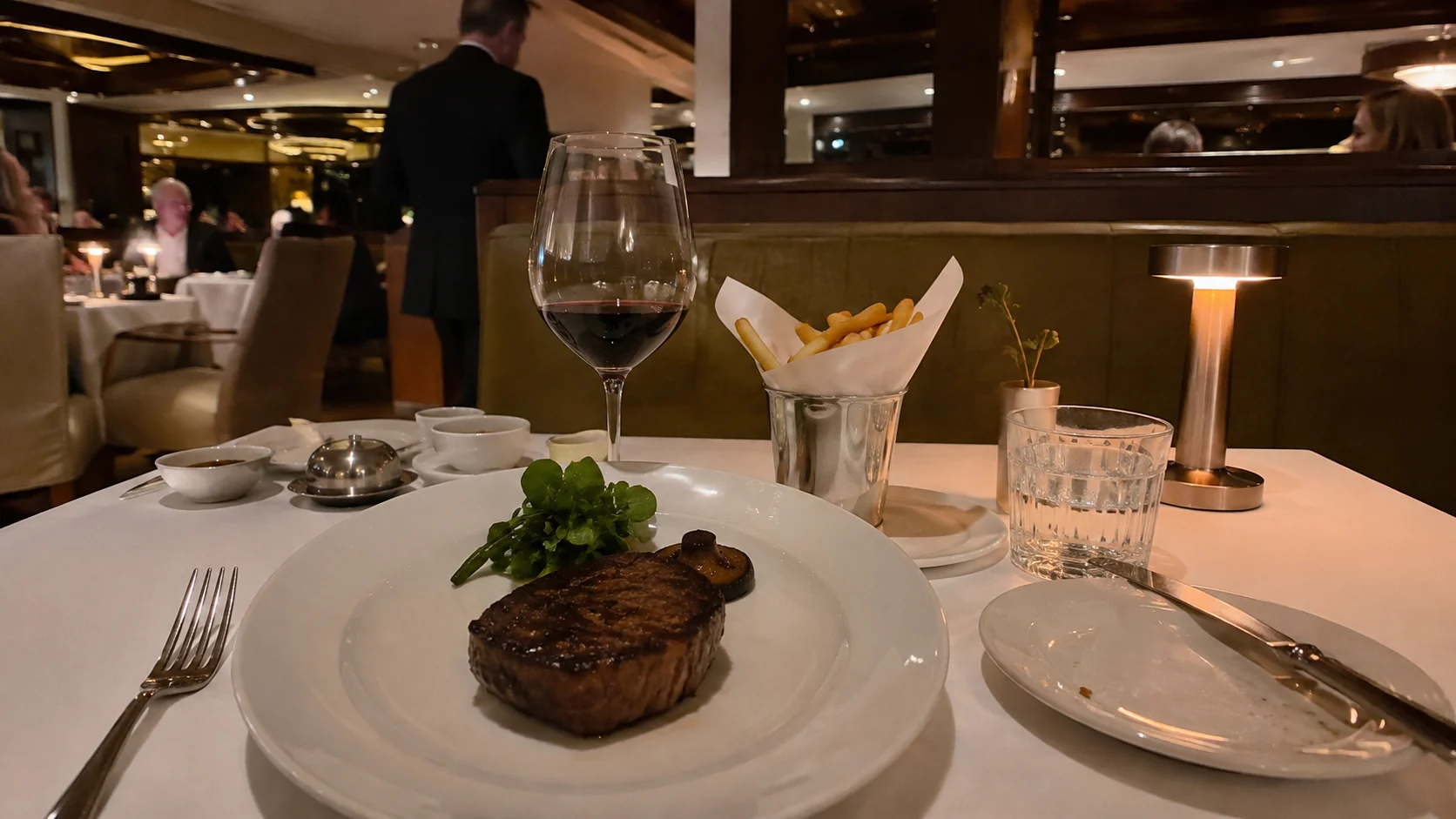
The Dining Room, Lido Market, Dive-In, New York Deli & Pizza, and standard room-service choices make a useful included food plan. Hours vary, and selected premium room-service items carry a charge.
Grand Dutch Café is a good snack or light-lunch stop, with complimentary food alongside paid specialty coffee, beer, and other drinks. Check beverage-package coverage separately from the food menu.
Canaletto, Pinnacle Grill, Tamarind, Morimoto By Sea experiences, and Sel de Mer add extra-cost options. Reserve the cuisine you are most excited about rather than assuming you need specialty dining every night.
A meal-planning checklist can help organize the choice, but the live booking record and onboard menus control current prices and availability. Dietary needs should be recorded before travel and discussed again onboard because every kitchen cannot promise the same cross-contact controls.
Music and sea-day pace
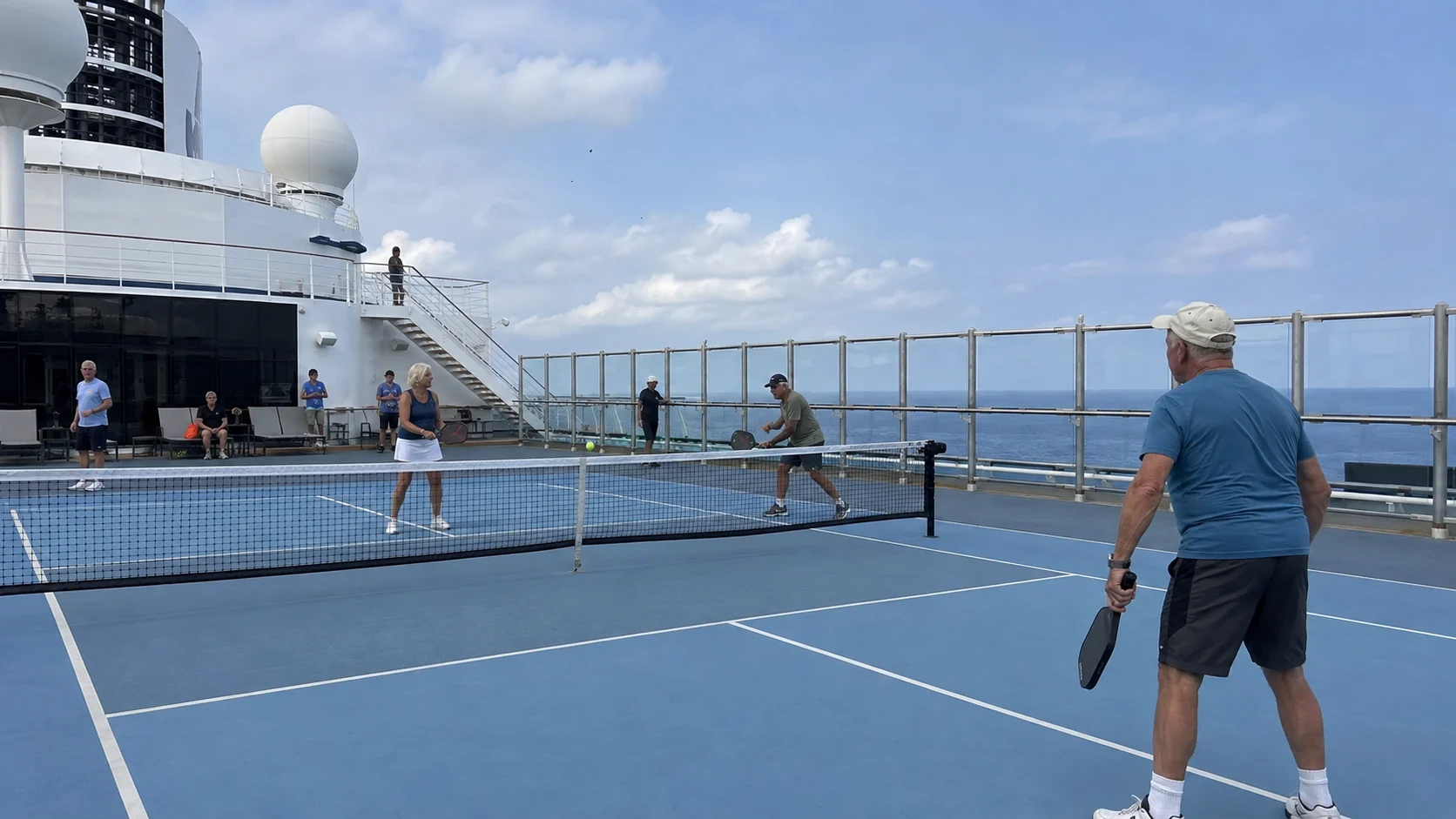
The covered pool, spa, fitness center, movies, talks and music provide several adult sea-day rhythms without an amusement-park atmosphere. That benefits guests who want conversation and scenery, while active families expecting slides, ropes courses or surf simulators should compare another ship.
World Stage and the smaller live rooms support different evenings, but schedules vary by cruise and performer. Reserve or arrive early only for genuine priorities and leave enough open time that the vacation does not become a sequence of appointments.
The most predictable pressure points are Lido Market before early tours, elevators after shows and sheltered rooms during poor weather. You can shift timing or use another elevator bank without claiming any fixed hour is always quiet.
Crowding depends on timing
The ship’s size changes how a group regathers after splitting up, especially when simultaneous events end on the lower decks. You can name a venue and deck because repeated architectural cues make vague meeting instructions unreliable.
Travelers who need a consistently small or low-stimulation environment should compare a smaller vessel. A well-distributed layout helps, but it cannot remove the passenger count that supports the restaurant and entertainment range.
The retractable roof improves pool usability but can turn Lido into the obvious bad-weather destination. Keep Crow’s Nest, the promenade and a lower-deck lounge in mind instead of making one sheltered area carry the whole day.
A cabin near a less-used elevator bank can reduce repeated friction without guaranteeing instant service. You can allow extra time for excursions and dinner rather than convert one busy ride into a claim about the entire cruise.
Accessibility requires exact route
Accessible rooms come in Fully Accessible, Fully Accessible Single Side Approach, and Ambulatory Accessible configurations. Reserve the exact setup you need, including transfer space, bathroom features, and the approach to the bed.
The line recommends a mobility device no wider than 23 inches for a standard stateroom and requires devices to be stored and charged inside the cabin. Confirm door width, bed-side access and the route to the most-used elevator bank before final payment.
Tender and gangway operations depend on weather, tide, port facilities and the captain’s safety decision, while crew transfer limits apply to heavy devices. You can identify water-shuttle ports and accessible shore transportation separately because an accessible ship does not make every port step free.
A forward cabin can shorten trips to Crow’s Nest, while an aft bias helps with the Dining Room and midship reduces some horizontal distance. Choose the route that matches the guest’s actual mobility needs rather than a generic central-location rule.
Is Have It All worth it?
Have It All bundles shore-excursion credit, a beverage package, specialty dining, and Wi-Fi, with the allowance depending on the offer and cruise length. Check your reservation’s benefits before assigning a value to any component.
The cruise-only fare remains workable because main dining, Lido Market, selected casual food, standard entertainment, pools and basic fitness access are included. Drinks beyond complimentary options, specialty restaurants, premium Wi-Fi, spa treatments, excursions, casino play and shopping are paid unless a promotion explicitly covers them.
Have It All is best when each traveler would independently buy most of its four components. Compare the package total with realistic port-day consumption, remembering that beverage limits apply and unused credits do not become cash.
Crew appreciation, taxes, flights, transfers, insurance and spending outside the package still belong in the complete trip total. Keep shore money separate from onboard upgrades so a bundle does not disguise the cost of reaching and using the itinerary.
Cabin type and location
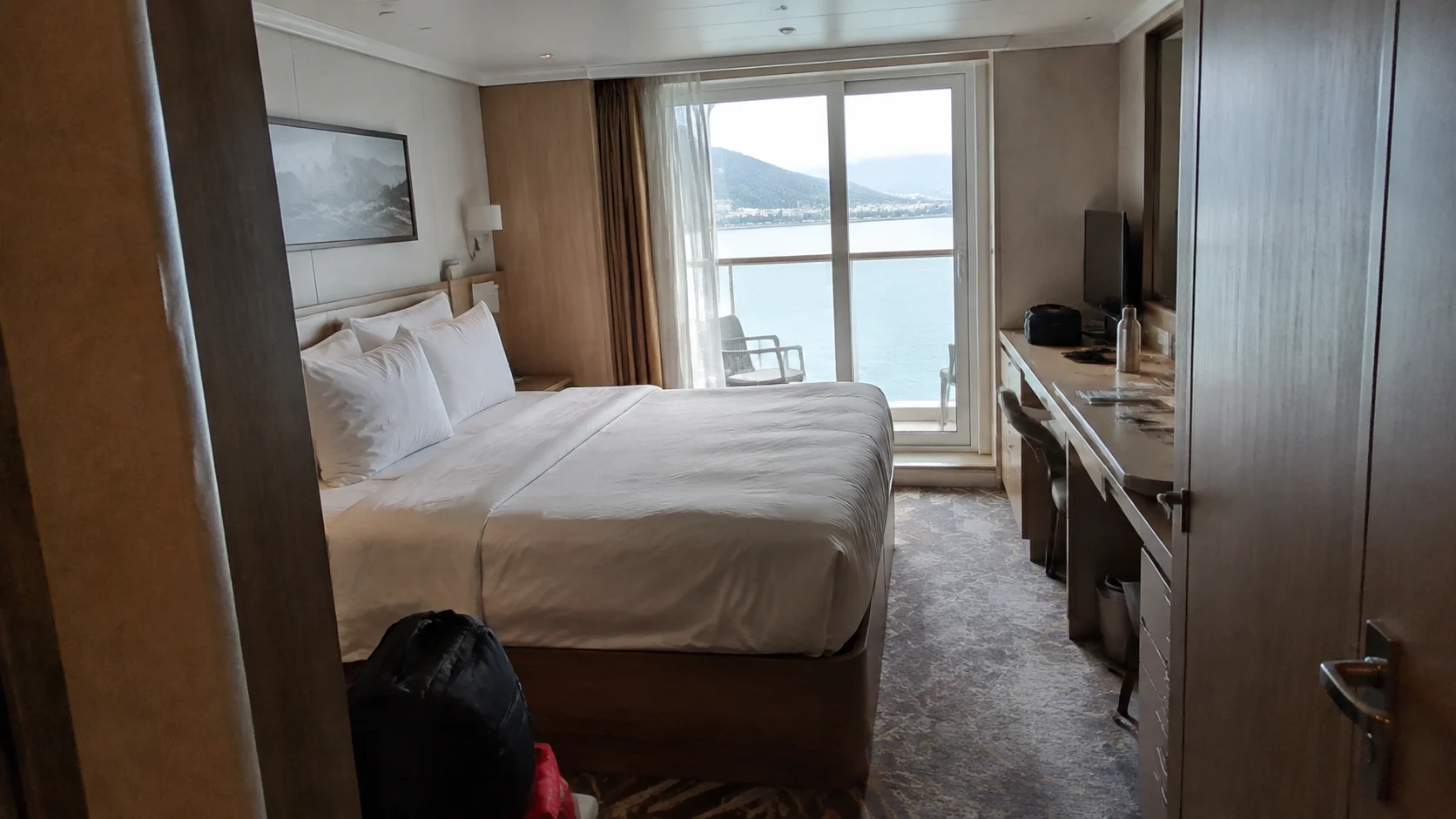
Twelve forward Single Ocean View rooms are designed for solo guests, with about 127 to 172 square feet and no single supplement. They can sell early and involve a longer walk to aft dining, so compare the live total with a standard cabin for one.
Families can choose a Deck 1 Family Ocean View that sleeps up to five, with two bathing areas but only one toilet. Price it against connecting rooms when separate bedtimes and privacy are more important than keeping everyone in one room.
Verandah cabins add private outdoor access, Vista Suites mostly add space rather than the full Neptune-suite benefit set, and Neptune Suites attach lounge and service advantages. You can pay for benefits used daily, not assume every room called a suite is equivalent.
Deck 8 cabins may have Lido activity overhead, while Deck 4 category VH verandahs have partial obstructions. Use the cabin-planning guides, inspect the exact space above and below, and accept a guarantee only if any eligible assignment would work.
Who will enjoy this ship?
The Lido Pool is the practical family swimming area, while the Sea View Pool is for guests 18 and older. Hot tubs and steam rooms have a minimum age of 16, so check the family rules before promising teens unrestricted access.
Children who are not fully toilet trained, including those wearing diapers or swim diapers, cannot use the pools or whirlpools. Do not book this ship around toddler water play because it has no waterslide or splash zone that creates an exception.
Kids Club serves ages three through 17, but participating children must be fully toilet trained and pull-up free. An adult must remain onboard during port-day participation, and the regular club is not offered on cruises of 25 days or longer.
Couples and solo adults who value live music, forward views, dining and destination days are the clearest match. Dedicated single cabins and parallel venues help, provided the compact forward room or longer walk suits the traveler.
Multigenerational groups can work well when children are comfortable with pools, clubs, movies and shared meals rather than big-deck thrills. Confirm sleeping capacity and connecting arrangements before relying on a suite label or marketing photograph.
Who should keep comparing?
Families seeking waterslides, toddler splash play, or a broad choice of high-adrenaline attractions should compare another ship. Nieuw Statendam’s strengths are music, meals, scenery, and a more relaxed pace.
Anyone who needs a simple accessible transfer at every port should verify each gangway, tender and excursion before booking. Do not let a suitable cabin create an unsupported promise about the shore side of the trip.
Guests who dislike any advance planning may find popular dining and entertainment times frustrating. Protect only the few choices that matter, then preserve spontaneity everywhere else.
Travelers choosing only by launch year or refit date should compare the actual changes and the exact cabin. A recent dry dock can refresh selected spaces without rebuilding every stateroom or changing the basic Pinnacle-class layout.
Port-focused travelers should avoid paying a ship or package premium for sea-day features the itinerary leaves little time to use. Compare the cruise-only total on a smaller ship serving similar calls.
How to choose your booking
Start by comparing Nieuw Statendam with another Pinnacle-class ship and one smaller ship on a similar itinerary. Choose the route, cabin, and total price that suit your group.
Map the cabin to the Crow’s Nest, Lido, Music Walk, and the Dining Room. Favor the elevator bank that shortens your repeated trips.
Price the cruise-only fare and Have It All against your planned purchases, including the live one-person total for a solo booking. An unused package benefit is worth very little.
Before final payment, confirm family rules, accessible transfers, dining availability, and the itinerary. Those details can change the recommendation more than another list of venues.
Quick answers
Is this ship worth the money?
Nieuw Statendam can be worth the money when its Pinnacle-class balance and itinerary work on the cruise-only fare. Keep comparing if the booking needs Have It All, several specialty meals or a suite merely to make the underlying product acceptable.
Is it good for couples and solo travelers?
It is particularly good for couples and solo adults who want music, restaurants, covered-pool time and scenic public rooms without a thrill-ship atmosphere. Compare a smaller ship when intimacy and short walking routes matter more than venue choice.
Will it feel crowded?
It can feel busy at conventional meal times, after popular shows and when weather pushes everyone inside, but that is not a permanent shipwide condition. Plan alternatives instead of promising an empty elevator or buffet.
How important is cabin location?
Cabin location matters because forward observation space, midship pool areas, lower-deck entertainment and aft dining create repeated long routes. Choose around mobility, sleep and daily habits before paying for view or category status.
The final recommendation
Compare the cruise-line guides and cruise ship index before choosing the room. Keep the official deck plan, itinerary and complete trip total open beside the booking screen.
Passenger reports vary on buffet crowds, daytime programming, and food, while live music is a recurring highlight. Treat those experiences as useful questions to ask rather than a forecast of your own sailing.
Make the tradeoffs work for you
Choose a fare and cabin that solve the basics: sleep, mobility, family needs, and your daily route. Spend extra where it improves something you will use often.
For a port-heavy trip, protect breakfast time and leave evenings flexible. On a crossing, indoor seating, music, and a comfortable cabin deserve more weight.
Pick two or three priorities for the group before shopping for upgrades. That makes a package or suite easier to evaluate without being distracted by its headline value.
Recheck booking-sensitive rules before payment and use the onboard daily program for event times. The same room can feel quite different during a quiet morning and a popular evening set.
Practical final checks
Price the complete vacation, including gratuities, drinks, dining, internet, activities, transport, and excursions. A lower fare is not automatically better when the features your group expects sit outside the base price.
Choose a cabin location that supports the parts of the ship you will use most. A strong ship match can still feel frustrating when every meal, show, or pool visit begins with the longest possible walk.
Continue planning with the cabins guide, dining guide, things to do.
How to use this guide: Recommendations compare ship layout, venue information, and booking rules; individual experiences can vary. Use the ship page, deck plans, dining guide, and access guide to confirm details that affect your sailing.
How this guide was researched:
I checked Nieuw’s current ship information against the article’s cabin, venue and layout claims. Schedules, prices, access rules and assignments can change by sailing, so confirm booking-sensitive details before payment.