MSC Seaview Dining: Included Food and Specialty Meals
On MSC Seaview, use Golden Sand or Silver Dolphin and the two buffets as your included base, then buy the specialty meal whose cuisine or cooking format excites you.
Reserve teppanyaki early if the shared chef performance matters, choose Ocean Cay for seafood, and keep the longest port day paired with a flexible dinner.
Short version
The main rooms and Marketplace/Ocean Point buffets cover ordinary meals; Deck 16 adds steak, seafood, and three Asian Market formats, while L’Atelier offers French food on Deck 8 and Yacht Club dining remains a private booking benefit.
Choose the paid format before the package
For a group wanting a shared chef performance, reserve the teppanyaki seating first rather than a generic Asian Market table. For seafood, compare Ocean Cay’s scallops, fideuá and sea bass; for a steakhouse evening, start with Butcher’s Cut and the cut everyone actually wants.
Then compare the quoted cost for that one meal with the package total, permitted courses and premium supplements. Leave an evening free for the included menu or a late port return instead of adding another specialty night solely to use a discount.
Confirm your dining arrangement before buying several dinners
Golden Sand and Silver Dolphin are Seaview’s included main dining rooms. Your actual reservation and cruise card determine the assigned room and available dining arrangement, rather than making both restaurants interchangeable walk-in choices.
Aurea’s My Choice benefit adds flexibility within the restaurant’s opening hours. For other bookings, confirm the arrangement attached to your cruise before fitting a theater visit around a presumed dinner time.
Give the main room a fair try before filling the week with paid meals. Table service and a regular dining team can be a welcome change after a long excursion, particularly when the family wants to sit down together.
The main dining guidance explains the different models. Choose the routine that makes your evenings easier instead of judging the meal from another ship’s seating system.
Golden Sand and Silver Dolphin work around the lower evening decks
Golden Sand is aft on Deck 5, while Silver Dolphin is aft on Deck 6. Learn the aft-bank route from your room so dinner doesn’t begin with a long walk from the wrong elevator.
The menus rotate through Mediterranean and international choices such as soups, salads, pasta or risotto, fish, meat, vegetables, and desserts. Read the actual nightly menu before replacing an included meal with a specialty booking.
If your group already likes that evening’s choices, keep the paid reservation for a cuisine the main room won’t deliver in the same format. A steakhouse or cooking-table experience is a clearer reason to spend than simply wanting a different restaurant name.
For an important dietary need, explain it before travel and speak with the dining team after boarding. A regular table makes the recurring conversation easier, while each dish still needs preparation-specific confirmation.
For the forward theater, allow time to finish dinner and cross toward the other end of the ship. Our Seaview deck guide helps connect those lower-deck destinations without several unnecessary elevator trips.
Marketplace is the buffet for the lower waterfront routine
Marketplace Buffet occupies the aft portion of Deck 8, with indoor and outdoor-adjacent seating in the area near the Boardwalk. Use it when your day already involves a waterfront walk, the spa, gym, or lower lounges.
Walk the available stations before filling a plate. The closest queue doesn’t establish what the whole buffet offers, and a group with different tastes can often find a better fit farther along.
Breakfast is the practical choice for fruit, breads, eggs, and hot standards before going ashore. For a slower start, compare any seated breakfast offered in the main-dining program.
At lunch or dinner, use the buffet for pizza, pasta, salads, changing hot dishes, and dessert without committing to a long meal. It is especially useful after a port return when some people want a full dinner and others only a snack.
Choose the food and seating area you’ll enjoy rather than treating every station as something to finish. A little room on the plate also makes it easier to try one appealing item instead of discovering it after you’ve already committed to everything near the entrance.
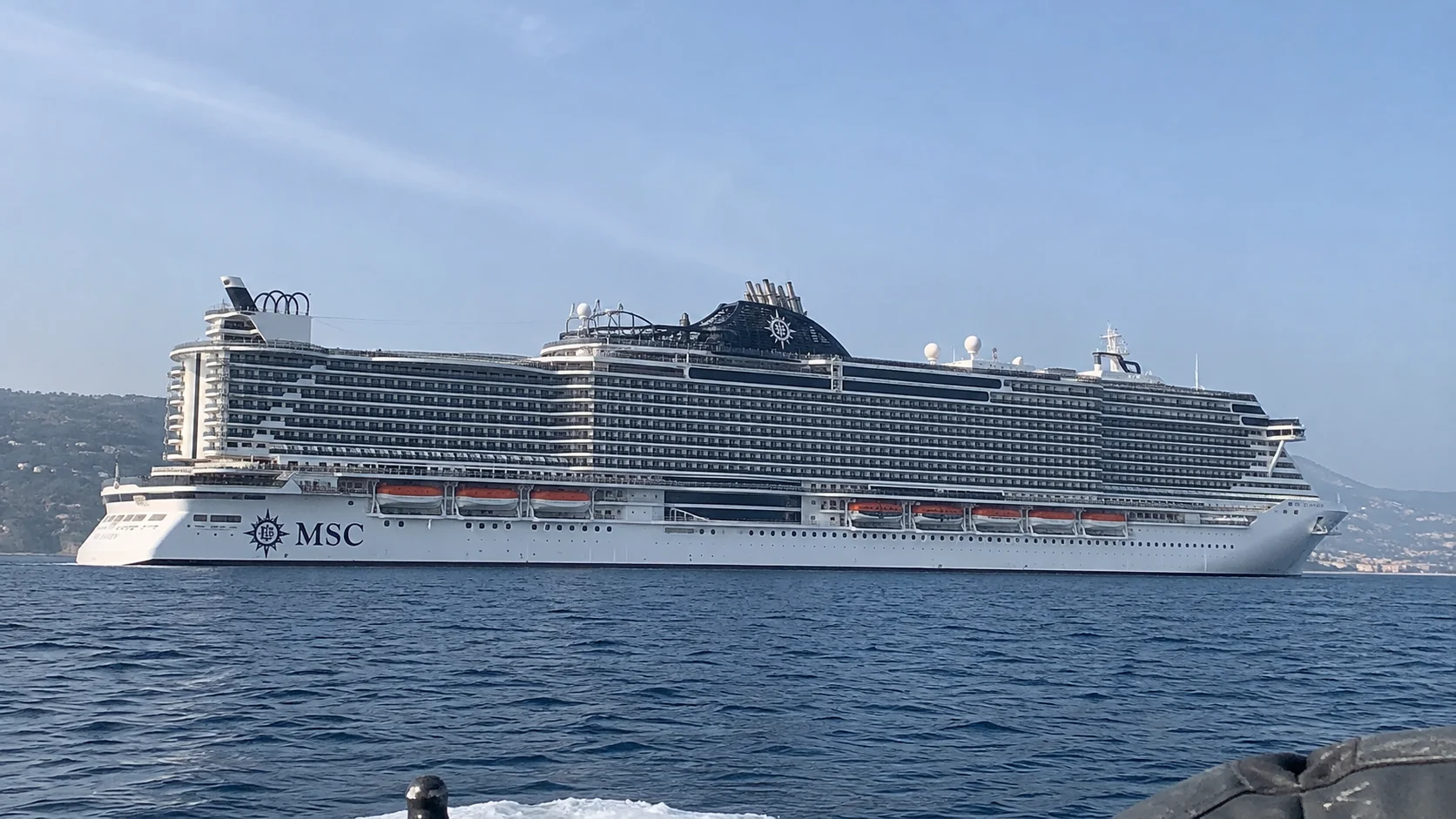
Ocean Point is the upper-deck alternative
Ocean Point Restaurant & Buffet is aft on Deck 16 near Panorama Pool. Pair it with upper-pool time when it is operating, rather than automatically riding down to Marketplace for another casual meal.
Its location is the useful distinction from the lower buffet. Check the offered meal period and active stations because the two areas don’t have to serve an identical menu continuously through the day.
Ocean Point also isn’t Ocean Cay. The first is the casual buffet-style option, while Ocean Cay is a separate paid seafood restaurant on the same deck.
For a family, keeping the meal near the pool can save another wet-swimsuit journey through the ship. For an evening when you want a paced served meal, your assigned main room remains the clearer comparison.
Reserve the teppanyaki format when the chef performance is the point
Asian Market Kitchen on Deck 16 includes different ordering experiences: teppanyaki, sushi, and Pan Asian dining. Reserve the particular format you want rather than assuming one Asian restaurant booking gives access to all three.
Teppanyaki is the choice for a group that enjoys a chef cooking at the shared station. Timed grill seats have fewer substitutes than a conventional table, so make this reservation early when the performance matters.
Look at the offered menu and proteins before booking for the whole family. A child who mainly wants a simple noodle dish may prefer another format, while adults who enjoy the cooking show may value the shared table itself.
Check the actual charge, premium options, and package treatment for that seating. Sushi and teppanyaki can have different menus and supplements even though they occupy the same broad specialty cluster.
The official venue roster distinguishes the three concepts. Pick the meal format first, then the reservation that pays for it.
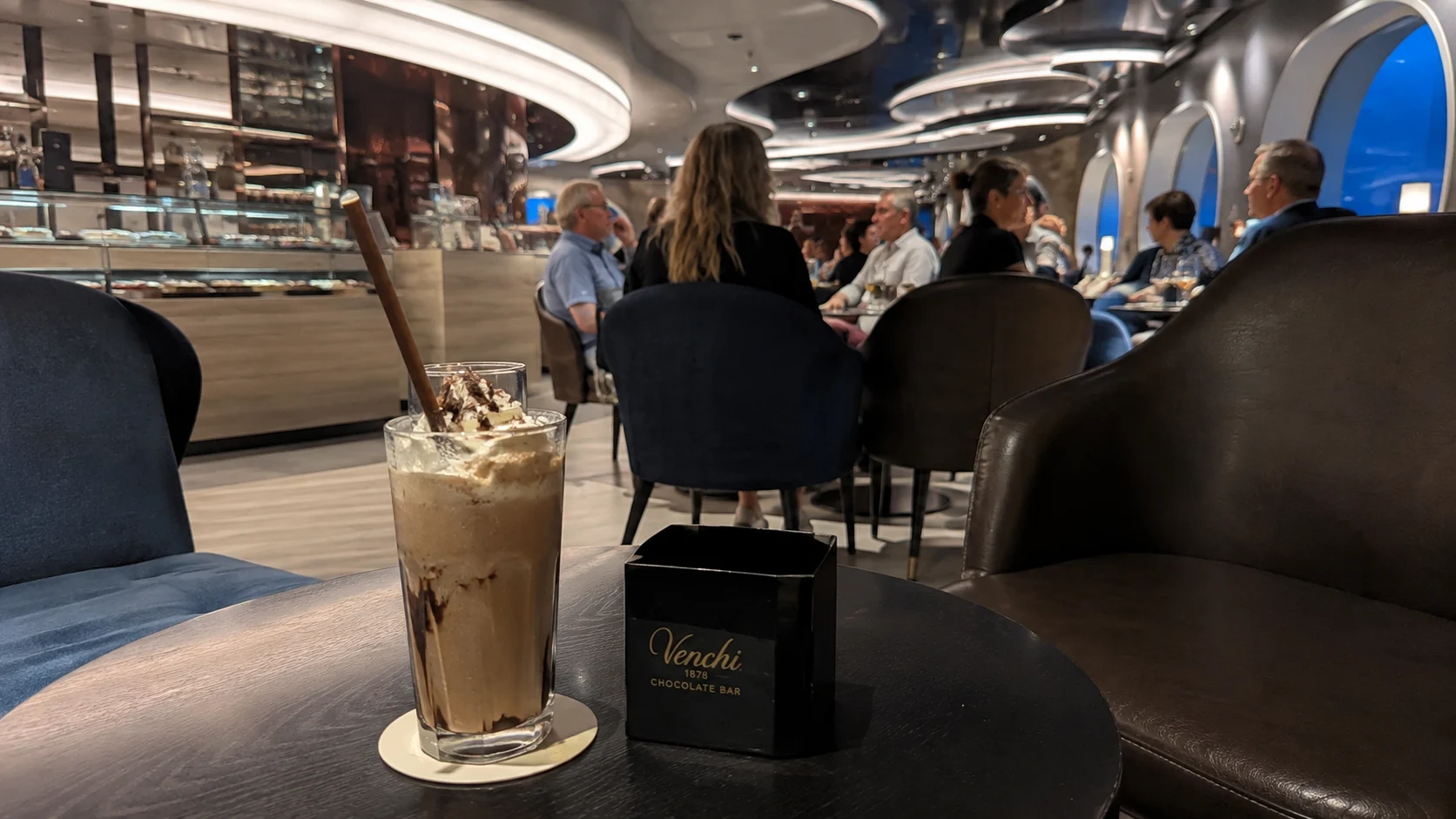
Sushi is the quieter Japanese-food comparison
The Sushi Food Bar, also marketed within Asian Market Kitchen Sushi, suits someone who wants sushi, sashimi, or a Japanese meal without the cooking-table performance. Choose it when the food matters more than a timed shared event.
Look at the rolls and cooked options together before deciding it works for the group. Someone who doesn’t eat raw fish may still find a suitable plate, while a sushi enthusiast may prefer a smaller order to another multicourse feast.
Read the package menu before assuming every item is covered. An à la carte purchase and a set dining experience can make the same restaurant a different spending decision.
A small paid lunch can be enough variety on a busy itinerary. Keep another evening for the main room or a live-music stop when you don’t want every dinner to become an event.
Pan Asian adds a different cooked-food direction
The Pan Asian restaurant is the third Asian Market format, with Japanese, Vietnamese, Thai, and Chinese influences in its current advertised style. Compare it when cooked Asian dishes appeal more than sushi or the teppanyaki performance.
Let the actual menu settle spice, ingredients, and the meal you want to share. A broad regional description doesn’t tell you whether every diner will enjoy the available dish.
This can be the better paid comparison for a group seeking a cuisine change without a grill-table appointment. Reserve it because that food wins, rather than buying every Asian format simply to use package credits.
Ocean Cay is the seafood dinner
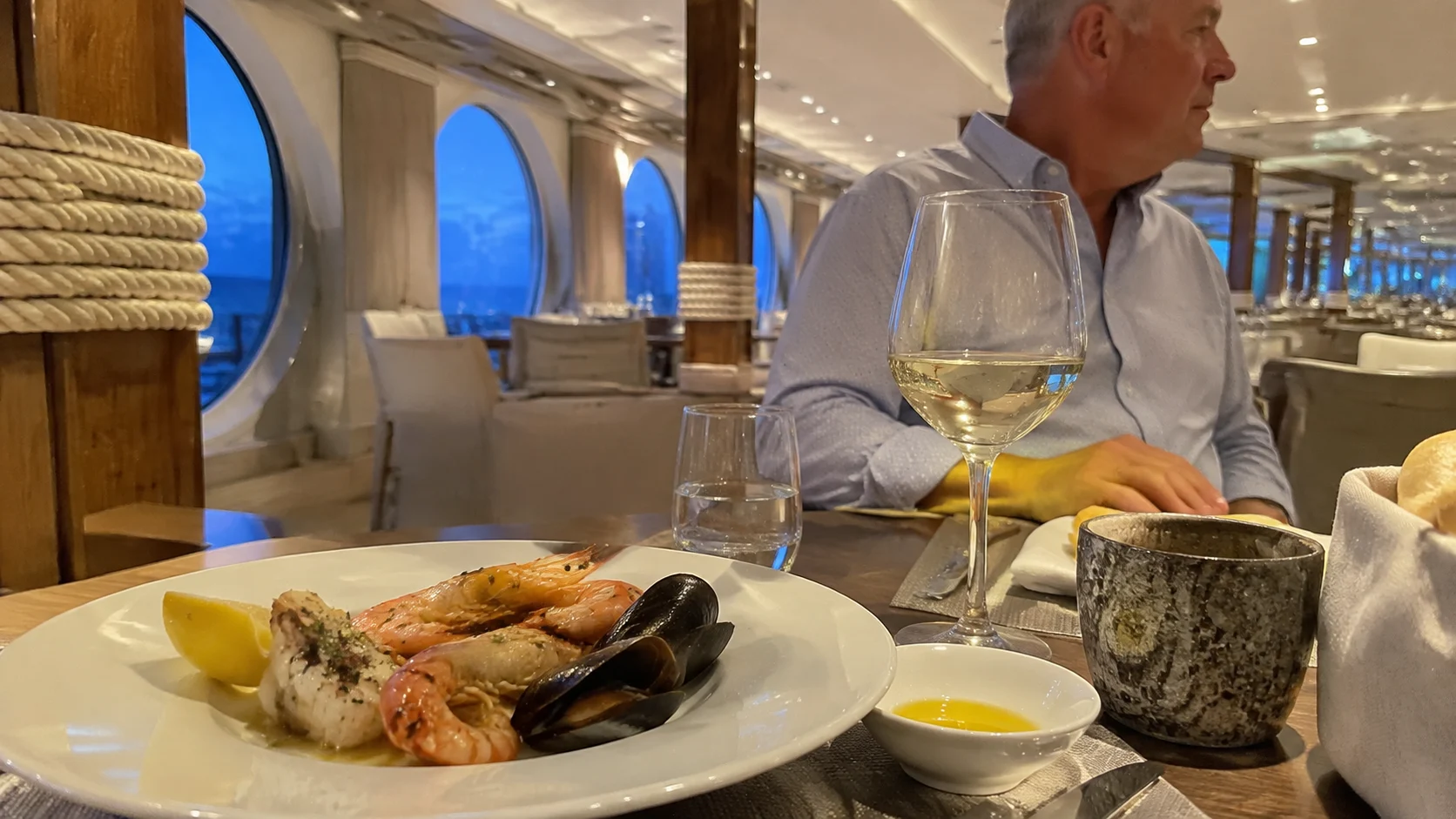
Ocean Cay on Deck 16 is a paid seafood venue, distinct from the buffet and from MSC’s private island of the same name. Choose it when seafood is the reason you want a specialty evening.
Representative dishes in MSC’s description include scallops, seafood fideuá, and sea bass. Treat those as a preview of the cooking style, with the current menu deciding the actual ingredients and preparations during your voyage.
Compare it with Butcher’s Cut using the group’s appetite rather than a general ranking of which restaurant is more luxurious. Someone excited about fish and shellfish has a clear reason to choose it, while a steak-first group has another option nearby.
Leave the meal enough time before the forward theater. A restaurant on the same ship can still be a long walk from the show you want after dessert.
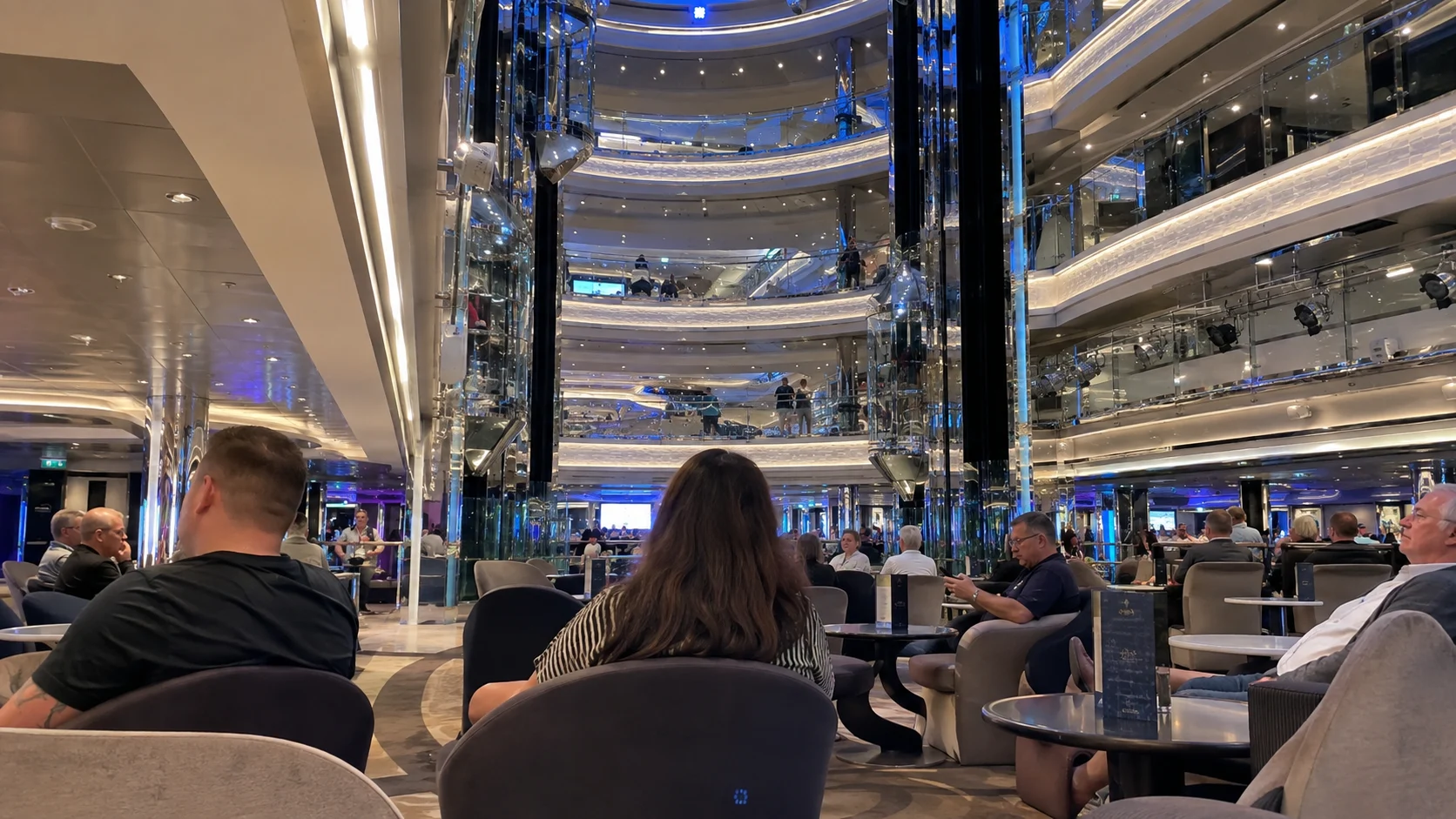
Butcher’s Cut is the steakhouse evening
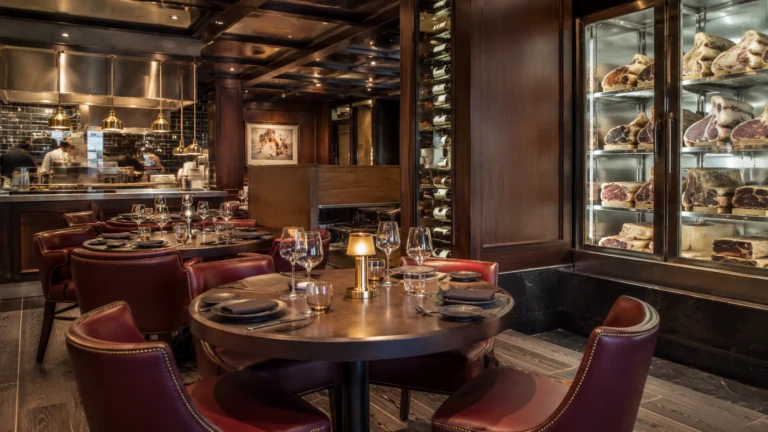
Butcher’s Cut is also in the Deck 16 specialty dining area. Choose it for a steakhouse dinner with your preferred beef cut, classic sides, and a setting designed for a slower meal.
MSC’s published sample includes filet mignon, rib-eye, and New York strip alongside options such as shrimp cocktail, crab cakes, and chicken or fish. That gives mixed appetites a few directions without asking everyone to order the largest steak.
The menu also includes familiar sides and desserts such as creamed spinach, fries, lava cake, and cheesecake. Read it together if one diner wants something lighter before deciding this is the whole family’s celebration meal.
Premium cuts or other selected items can carry supplements. Compare the actual reservation total and package menu rather than assuming every steakhouse plate is part of one universal cover.
L’Atelier is the smaller French-food choice
L’Atelier Bistrot is on Deck 8 near the Boardwalk. Try it when a smaller French-style setting appeals more than another upper-deck specialty meal.
Its advertised style includes cheese and charcuterie, escargots, steak frites, and French desserts. Choose the menu that actually fits your appetite, because an informal snack and a full dinner are different purchases.
Any breakfast offered here needs its own inclusion check. The presence of a morning service doesn’t make the dinner menu part of the base fare.
Its location can pair well with an outdoor walk when conditions are comfortable. Keep that flexible if wind or rain makes the Boardwalk less appealing than the indoor route.
Yacht Club dining belongs to the cabin benefit
Seaview’s Yacht Club restaurant is forward on Deck 18, with Top Sail Lounge on Deck 16 and the private Grill & Bar in the Deck 19 outdoor complex. Ordinary guests can’t turn those rooms into public dining through a specialty package.
For Yacht Club guests, use the private routine when it is why you paid for the fare. Then buy an outside specialty meal only when its cuisine or format adds something you still want.
Our best cabin choices compare that service-focused purchase with ordinary balconies and family suites. The private dining benefit should be valued alongside the room’s route and the time you’ll actually spend aboard.
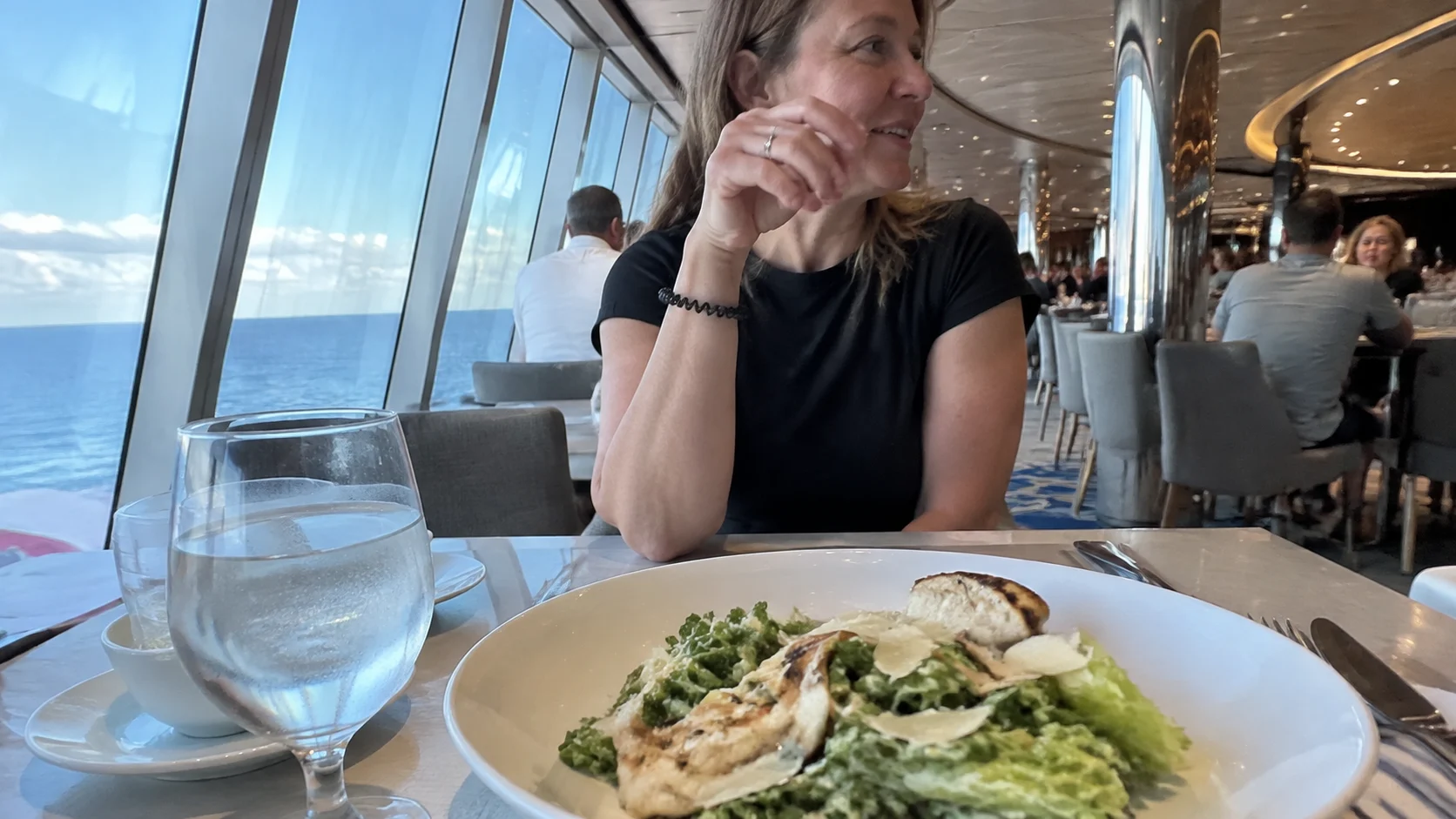
Sweets, drinks, and packages need their own budget
Venchi’s chocolate, gelato, and crêpe stops are optional purchases rather than another included restaurant. Read the displayed menu and actual drink-package exclusions before assuming a branded treat follows ordinary bar coverage.
The current package terms cover up to three dishes, with selected premium items carrying supplements. Pre-cruise package gratuities are included, while drinks remain separate under the applicable package terms.
Compare the restaurants you already want with your voyage’s portal quote before buying. Adding an unwanted meal to claim a larger advertised saving gives you another booking to manage without improving dinner.
Keep at least one evening flexible for an included menu you enjoy or a delayed port return. Our Seaview tips help fit the food into your day, so the dining plan makes the cruise easier rather than occupying every available evening.
How this guide was researched
Seaview’s current official dining roster and package terms were checked, with sample food descriptions used for representative dishes rather than a guaranteed sailing menu. The branded Seaview technical plan was visually inspected for restaurant locations, included buffet routes and restricted Yacht Club dining; final prices and package selections depend on the voyage quote.