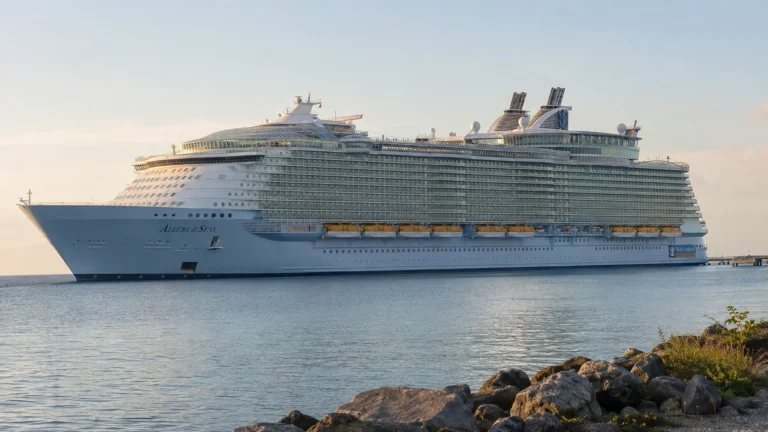
Ovation of the Seas Tips, Secrets & Things to Know: Useful Advice Without the Fluff
On Ovation of the Seas, book North Star and iFLY early enough to leave a weather backup, learn SeaPlex’s schedule, and use Two70 for both scenery and shows.
For Alaska, arrange any Seward transfers before choosing flights; on a short Los Angeles cruise, keep dining and activity reservations light enough to enjoy the ship.
Short version:
Complete check-in early, learn the ship before the first busy evening, handle youth registration and essential reservations on embarkation day, and price packages against realistic use rather than headline discounts.
Plan for your own Ovation itinerary
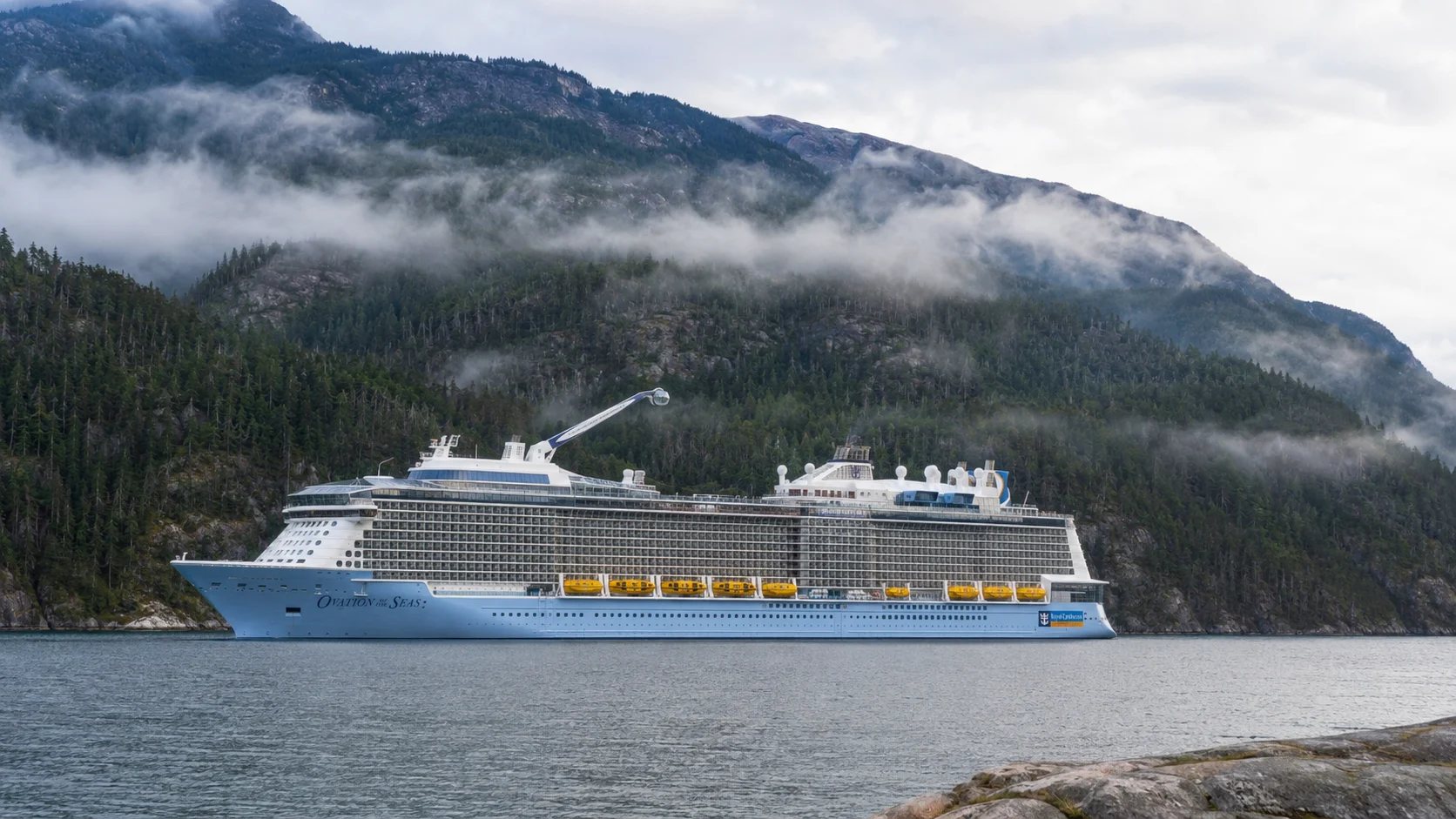
For Alaska, establish whether your sailing is one-way and arrange both ends of the trip before planning onboard activities. For a short Los Angeles sailing, compare the actual port hours with the single sea day before reserving several meals and attractions.
Give those itineraries different priorities. Alaska makes scenic viewing, layers, SeaPlex, the Solarium, North Star, iFLY, and transportation at the ends of the cruise unusually important, while a three-night Ensenada trip becomes a compressed long weekend where the biggest mistake is trying to sample every new venue before Monday morning.
The amplification matters on both. If you sailed Ovation before spring 2026, the pool deck, nightlife, dining mix, and casino footprint are no longer exactly the ship you remember.
Scout the new pool deck before paying for a casita
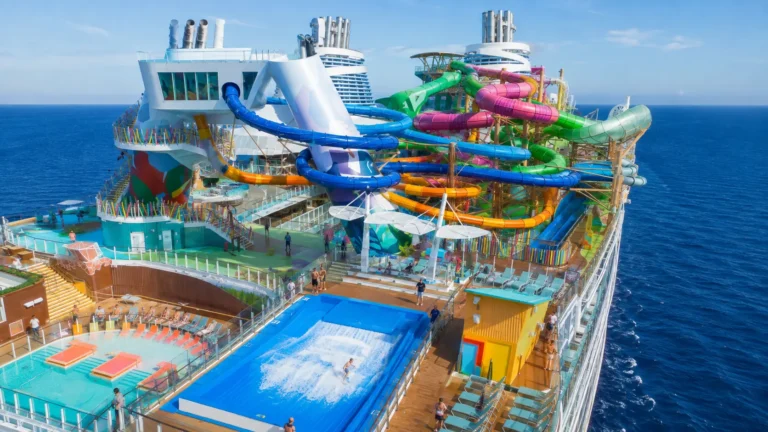
Royal Caribbean rebuilt Ovation’s pool deck for the Royal Amplification and added private casitas, updated lounging areas, and a more contemporary outdoor setup. That gives the ship a noticeably different daytime personality from the pre-refit Quantum-class layout.
On Alaska sailings, do not rush to reserve a casita simply because the pool deck is new. Cold, wind, rain, and long port days can reduce how many hours you actually want to sit outside, which makes an expensive dedicated space much harder to justify.
On the Los Angeles three- and four-night cruises, the math changes. A casita can be useful on the single sea day when thousands of passengers all decide the new pool deck is where the weekend should happen, but you should still compare the price with how much time the group actually sits still.
You can scout the entire pool deck on embarkation afternoon before deciding where you want to spend the cruise. The best chair may be twenty yards away from the loudest central action, and a little extra walking is cheaper than paying for a space you did not need.
Pack for the indoor pool, even in Alaska
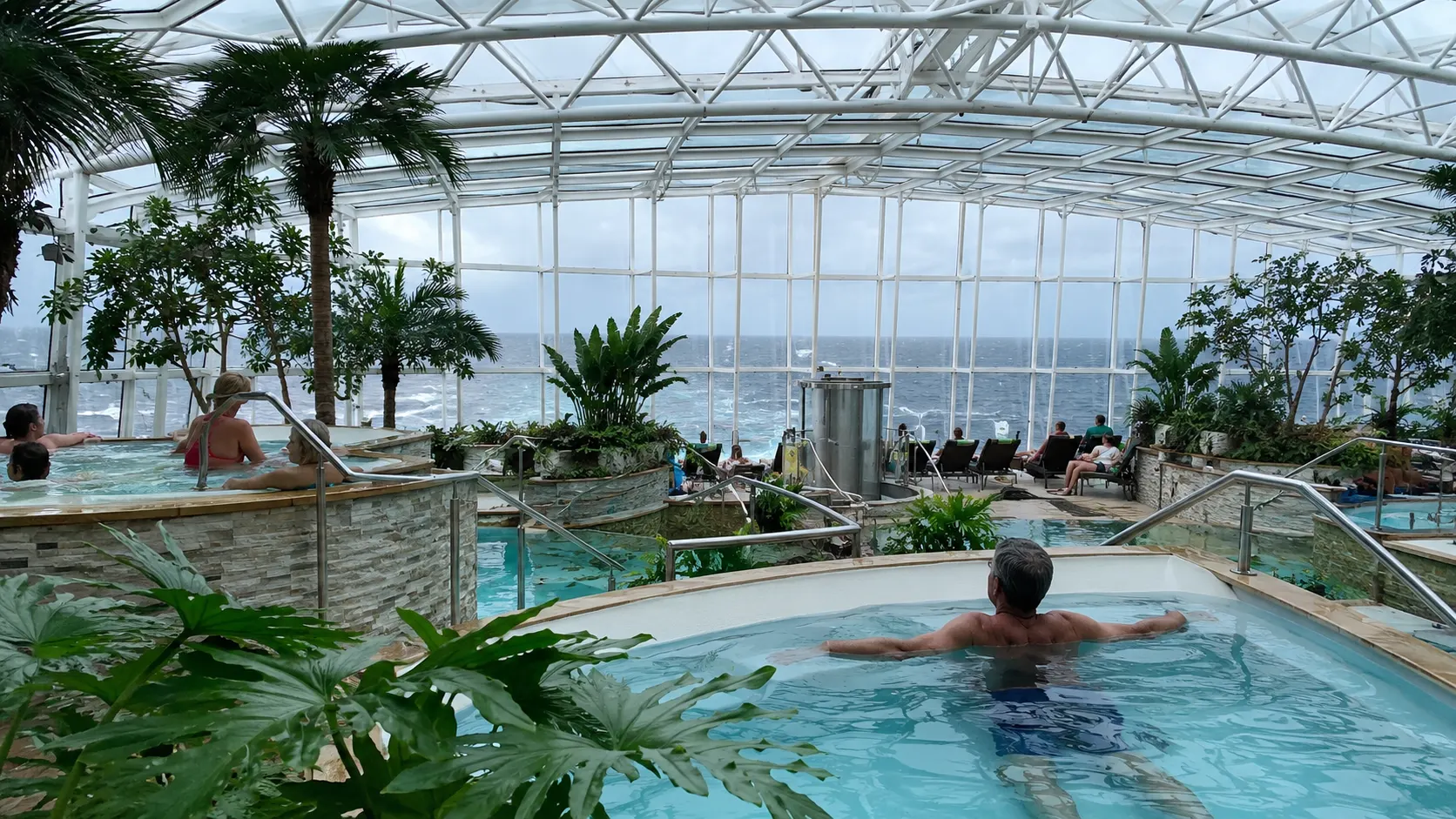
Even after the outdoor overhaul, Ovation’s cool-weather strength is the same basic Quantum-class advantage: you are not dependent on an open pool deck for family swimming. The indoor pool gives you a genuinely useful option when Alaska is cold, rainy, or windy.
You can pack swimsuits on an Alaska cruise even if the forecast looks miserable. A family swim indoors can be a great reset after a long port day, while the people who assumed “Alaska means no pool” discover that they left the easiest evening activity at home.
The adults-only Solarium is the calmer alternative forward, with large windows and a protected environment that works beautifully for scenic cruising. You can go early on cold sea days when every indoor window seat suddenly becomes valuable.
The Solarium is restricted to guests 18 and older. Families with younger children should make the indoor family pool their weatherproof swimming option.
On the California short cruises, let the weather choose. Southern California mornings can be cool enough that the indoor pool feels surprisingly smart, while a sunny sea day makes the amplified outdoor deck the obvious choice.
Protect your Hubbard Glacier viewing time
If your one-way Alaska sailing includes Hubbard Glacier, keep the scheduled scenic period clear. Use the actual itinerary and onboard announcements to set that viewing window, rather than assume all Alaska departures follow the same route.
Start indoors if the weather is unpleasant, then move outside when the ship’s position, wind, and visibility make it worthwhile. Glass is comfortable, but outdoor decks give you better photographs, clearer sound, and the chance to move as the best view changes sides.
North Star can be tempting on a glacier day, but keep the scenic-cruising period itself as your priority. Book a ride only if its timing and operating conditions let you enjoy the view without spending the best part of the approach searching for a reservation.
Ice and weather affect how close any ship can approach Hubbard Glacier. Enjoy the fjord, mountains, ice, and wildlife you actually get instead of spending the morning comparing the bridge’s decisions with a photograph from somebody else’s weather day.
Arrange Seward transfers before choosing flights
If your Alaska cruise starts or ends in Seward, the biggest planning mistake happens off the ship. Seward is roughly 129 miles from Anchorage, and the drive is about 2.5 hours before traffic, stops, weather, or the extremely understandable urge to photograph Turnagain Arm.
You can arrange the Seward-Anchorage transportation before the cruise rather than deciding after booking flights that the airport is probably nearby. Train, motorcoach, private transfer, rental car, and Royal Caribbean transfer options can work, but the distance is substantial enough that the choice belongs in the trip plan.
Southbound cruises departing Seward often leave in the evening, which creates enough time for a thoughtful transfer if you arrive in Alaska early. You should still stay in Anchorage or Seward before embarkation rather than making a same-day flight responsible for a 129-mile connection.
If the cruise ends in Seward, arrange the onward transfer before choosing an Anchorage flight. You can allow for getting off the ship and the substantial road journey rather than treating the ship’s arrival time as an airport arrival.
Use SeaPlex before the rainy-day rush
SeaPlex is Ovation’s giant indoor activity hall, and you should learn its schedule before the first sea day. Bumper cars, sports, games, and other programming rotate through the same court, which means the room you want may be doing something completely different when you arrive.
Use bumper cars when the line looks good instead of saving them for the rainy afternoon. If the weather turns ugly, every parent on the ship suddenly remembers SeaPlex is indoors and the same line can change personality fast.
Dog House near SeaPlex serves included hot dogs, making it a useful lunch stop when the family wants to stay nearby. Check its opening hours before promising food rather than moving everyone to Windjammer automatically.
On a short Ensenada cruise, take advantage of a quiet bumper-car session when one is running. Riders must be at least 5 years old and 42 inches tall with a guardian, or at least 8 years old and 48 inches tall to ride alone.
Book North Star and iFLY around the experience you want
North Star rises more than 300 feet above sea level, while RipCord by iFLY gives you the ship’s indoor skydiving experience. Both are weather-sensitive enough that you should reserve them earlier rather than placing the one must-do session on the final possible day.
iFLY starts at age 3; guests under 6 feet must weigh less than 230 pounds, and those 6 feet or taller less than 250 pounds. Choose a session only after checking its fee and participation terms, since regional and premium offerings differ.
For North Star, riders must be at least 42 inches tall, or 48 inches to ride alone, and weigh no more than 300 pounds. Compare the session charge with the view available rather than assume every ride has the same price or route.
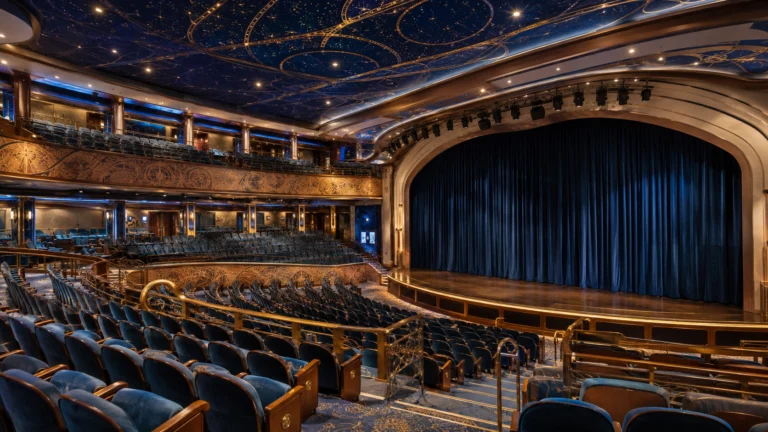
Reserve the Two70 performance before sailing when bookings are available, then arrive early enough to choose a centered view. Royal Caribbean’s advance show booking for Quantum-class ships covers Two70; follow the daily program for other theater and live-music plans.
For North Star, choose scenery over clock convenience. Hubbard Glacier, a mountain-lined Alaska harbor, Cabo, Catalina, or a dramatic Los Angeles sailaway gives the ride more context than a random patch of ocean.
For iFLY, read the current participation requirements before making promises. Height, weight, health, clothing, and operational restrictions matter more than how excited everybody was when they saw the wind tunnel in a video.
You can skip either attraction when the person is only mildly interested. Ovation has enough included entertainment and scenery that neither paid nor limited-capacity thrill needs to become evidence that you successfully completed the ship.
Use Two70 by day and after dark
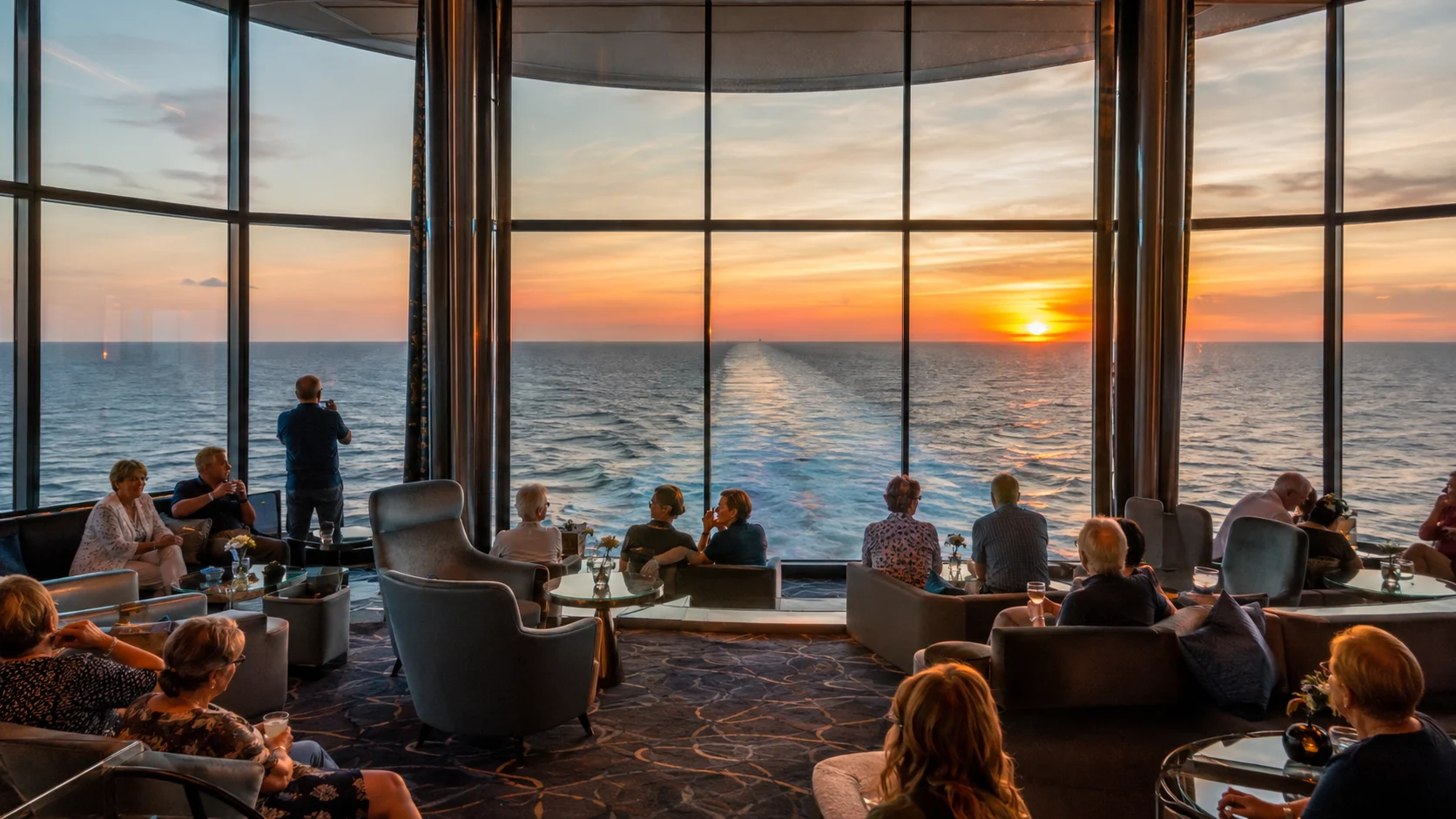
Two70 works as a panoramic aft lounge in daylight and a technology-heavy performance venue after dark. You can deliberately use both versions rather than seeing one show and deciding you have “done” the room.
Café @ Two70 serves included breakfast and lunch food, including sandwiches, soups, salads, and grab-and-go items. In Alaska, eat there beside the windows; in California, use it when Windjammer feels like the entire three-night cruise arrived at lunch together.
Ovation’s Two70 productions use screens, projection, live performance, and the full vertical space, so choose a centered seat far enough back for a better overall view than the closest possible chair. Look at the room before the show and choose the perspective you want rather than simply joining the front-row instinct.
The room is also one of the best places to decompress on a port-heavy Alaska itinerary. A quiet hour facing the wake after Skagway can be more enjoyable than filling another activity slot because the app had availability.
Leave a night free for Sound Cellar
The Royal Amplification added Sound Cellar, giving Ovation a new live-music and nightlife venue. Check the performer and schedule rather than assuming the room’s newness automatically makes it the best night onboard.
If the band is good, stay. A new lounge deserves more than a five-minute walk-through, and the whole point of live music is letting the room become fun instead of leaving because a phone calendar says you should sample another bar.
The amplification also expanded Casino Royale, so casino traffic occupies a larger role in the evening ship than before. If gambling is not your thing, learn the surrounding routes early so the expanded space does not become the hallway you resent every night.
Keep at least one night reservation-free for Sound Cellar, guest entertainment, comedy, or whatever live act earns the crowd onboard. The best new venue is wasted if every evening was fully booked three months before sailing.
Try Pesky Parrot after the first-night rush
Pesky Parrot joined Ovation in the Royal Amplification with a tropical, rum-forward bar concept. It is one of the easiest ways to make a repeat Ovation cruise actually feel different from the version you sailed before the refit.
You can order something that suits the venue instead of asking for the same standard drink you get at every Royal bar. The entire value of a themed cocktail room disappears when you use it only because it happens to be closest.
On Alaska, this can be a funny contrast with the scenery outside: tropical drinks while mountains slide by. On an Ensenada or Cabo cruise, the concept fits the warm-weather weekend much more naturally.
If the room is mobbed on the first night because everybody wants to see the new thing, come back later. The parrot will still be there after embarkation-day curiosity settles down.
Choose Giovanni’s or Izumi Teppanyaki to suit your group
The amplification added Giovanni’s Italian Kitchen and Izumi Teppanyaki to the lineup, which makes older dining assumptions especially risky. Ovation now has a stronger mix of familiar group-friendly Italian food and an interactive hibachi-style meal in addition to existing options such as Chops and Izumi sushi.
Choose Giovanni’s for a mixed group that wants a familiar Italian meal. Pasta, Italian mains, and wine make it an easier compromise when dinner needs to please people with different tastes.
Book Izumi Teppanyaki when the cooking performance is part of what the group wants from dinner. If everyone mainly wants sushi, compare the sushi menu instead of paying for a cooking show nobody particularly wants.
Do not buy a large dining package before comparing the short itinerary. On a three-night Ensenada cruise, two specialty dinners can quietly consume most of the evenings; on a seven-night Alaska cruise, they fit much more naturally around sea days and long port calls.
Compare the exact specialty menu and package inclusions before paying. You can let the new venues earn the extra cost rather than book them simply because they were added after the update.
Keep Los Angeles short-cruise plans realistic
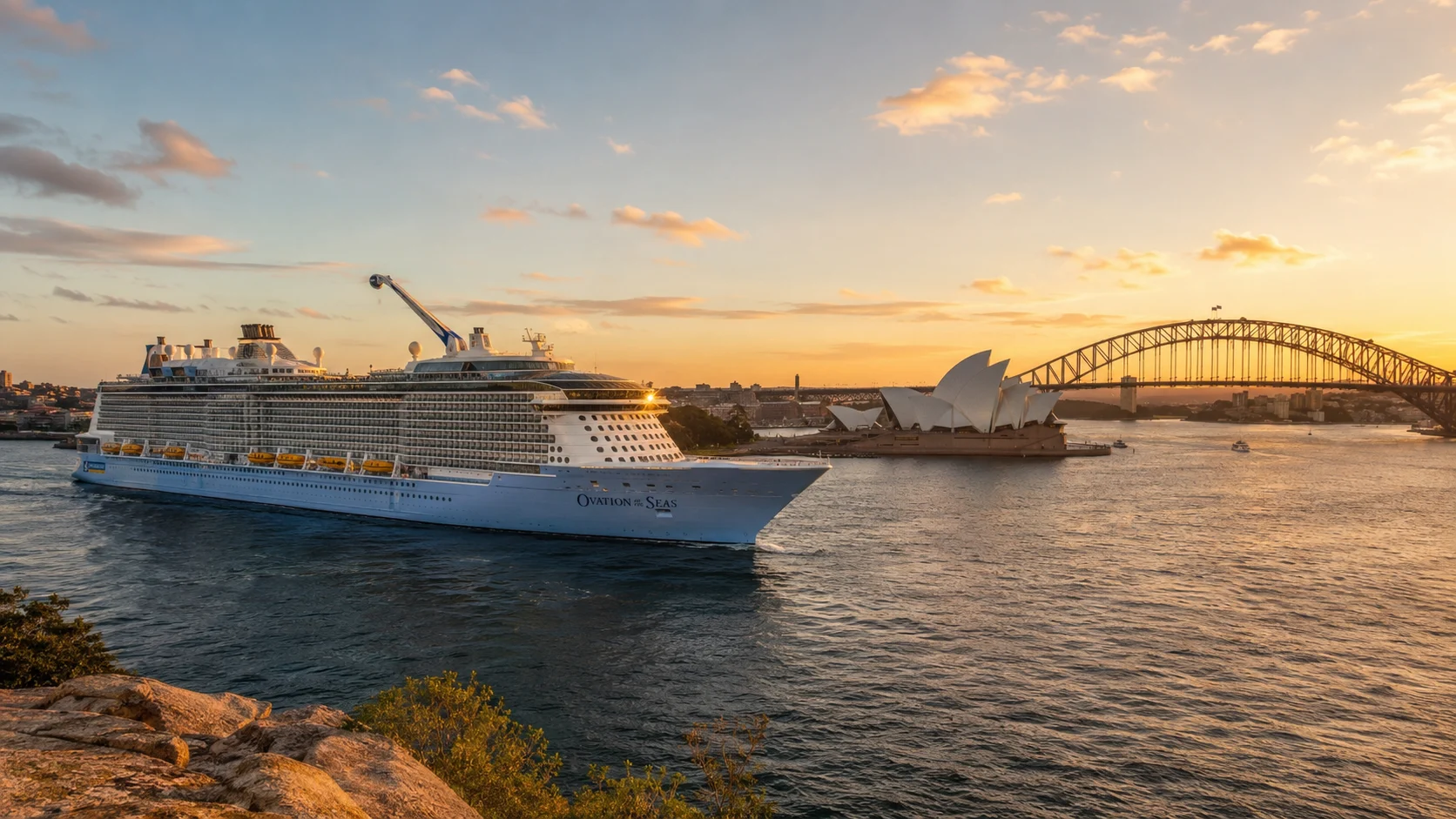
On a short Los Angeles departure, use the port sequence on your own confirmation to decide how much ship time you have. An Ensenada cruise and a longer sailing reaching Cabo leave different amounts of room for paid dining and repeat activities.
On a three-night Ensenada sailing, choose one Two70 show, one headline activity such as iFLY or North Star, one specialty dinner at most, and one new amplified venue you genuinely want to spend time in. Everything else is bonus territory.
The single sea day is when SeaPlex, the new pool deck, Solarium, casino, Sound Cellar, and every other ship feature compete for the same passengers. Use embarkation afternoon and the Ensenada port window whenever the ship is winning the comparison.
Catalina requires water-shuttle transportation on itineraries that call there, so read the current process before building a tight independent tour. Cabo can involve similar ship-to-shore timing, and overnight Cabo itineraries give you more flexibility than a normal daytime call.
Do not book a weekend Ovation cruise and then spend the whole thing proving you used every dollar of the amplification. A three-night vacation needs fewer goals than a seven-night Alaska cruise, not faster walking.
Choose a precise meeting point on the Royal Esplanade
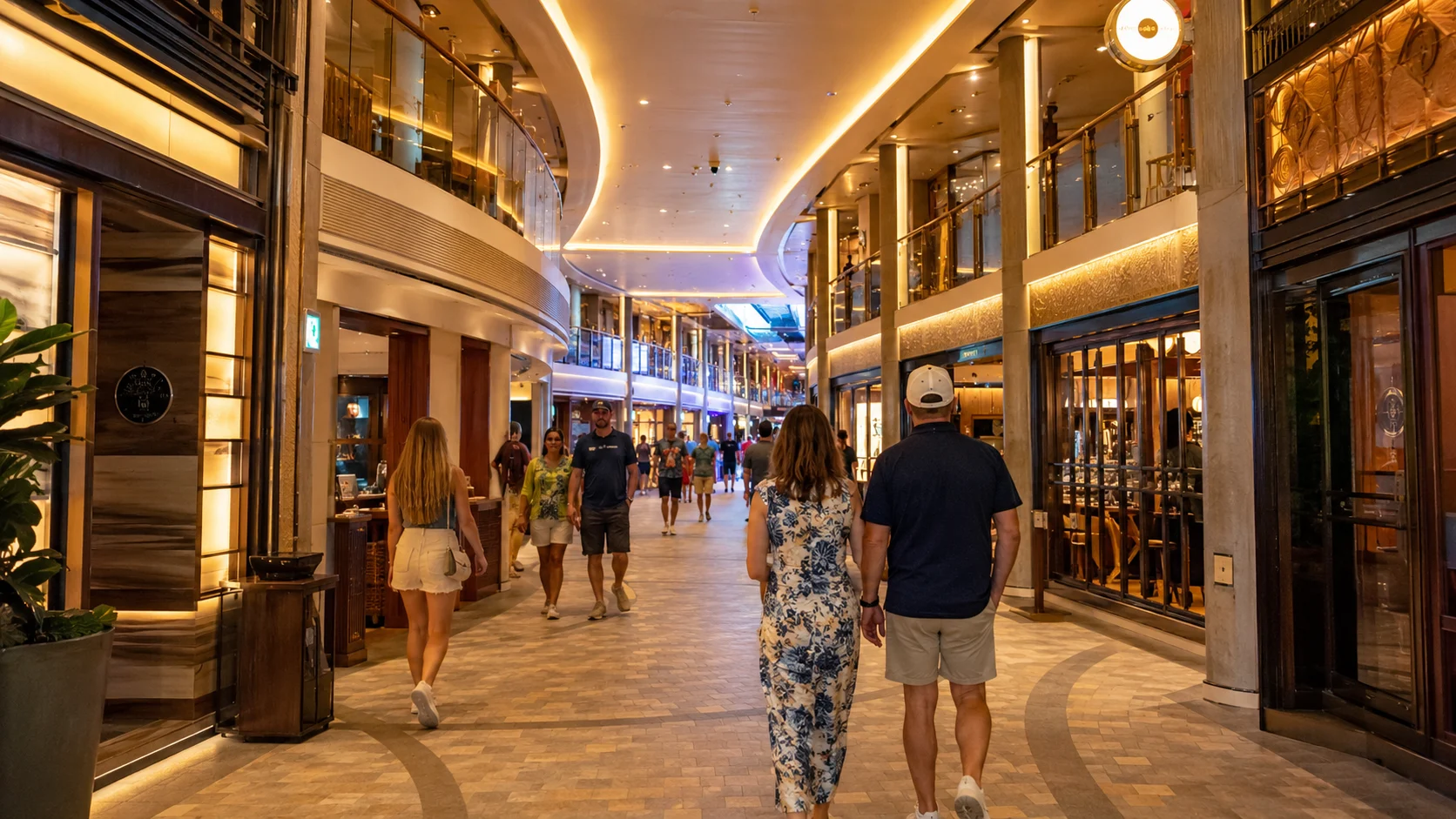
Ovation uses the Royal Esplanade and Via as its main indoor social spine rather than a long straight Royal Promenade. The area feels more segmented, which gives bars and restaurants distinct pockets but creates terrible vague meeting instructions.
Choose a named venue, shop, bar, or staircase with a deck number. “Meet at the Esplanade” is how four people follow the same instruction and end up texting each other from different visual interpretations of the Esplanade.
Café Promenade and Sorrento’s remain useful for included snacks and late food, while La Patisserie and specialty coffee options may cost extra. You can learn the difference on Day 1 so midnight hunger does not turn into a pricing investigation.
Choose a balcony location around your daily routine
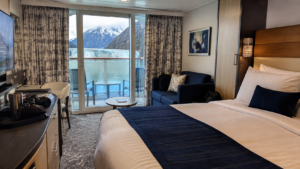
Ovation has a large balcony inventory, but you should still choose the exact room around motion, elevators, obstruction, and repeated destinations. A balcony is wonderful in Alaska, but a high far-forward cabin can be a rougher choice for someone sensitive to open-ocean movement.
A lower, more central cabin generally reduces motion, while an aft location can shorten repeated trips to Two70 and SeaPlex. Forward cabins are more convenient for the Solarium and Royal Theater, so choose the end that best matches your plans.
Deck 6 obstructed-view balconies deserve exact room-number attention because lifeboats and structural elements affect different cabins differently. One room may look over equipment while another stares directly into it.
Virtual Balcony interiors remain a clever value for someone who wants a real-time exterior image without paying for outdoor space. For Alaska, you should still choose a true balcony when private scenic access is one of the main reasons for upgrading.
Use the cruise cabin guides while shopping and the cabin location guides when comparing exact room numbers. The ship’s deck plan is where you can trace the forward-versus-aft routine before committing.
Your first-day Ovation plan
After boarding, connect to the ship’s Wi-Fi for the Royal app, finish the safety briefing, and visit your assigned assembly station as directed. Then check North Star, iFLY, and Two70 reservations before choosing an open included lunch venue such as Café @ Two70, Dog House, Sorrento’s, or Café Promenade.
Register children for Adventure Ocean or check the teen program, then walk the pool deck, SeaPlex, Two70, Sound Cellar, Pesky Parrot, and Solarium before dinner. Repeat guests should explore too, since the amplification changed several familiar venues.
For Alaska, confirm any remaining Seward or Vancouver transfer details and find the scenic-cruising times in the onboard program. On a short Los Angeles sailing, use a quiet attraction session when it is available rather than assuming there will be plenty of time later.
Keep the first evening simple: one show or live-music stop around dinner leaves room to settle in. Save the rest for the weather, port schedule, and activities your group actually enjoys.
Practical final checks
Use a precise meeting place with a deck number and side of the ship. That detail works better than a vague staircase or bar when phones, internet plans, and daily interests differ.
Review the onboard account before the final evening and settle questions before guest services becomes busiest. Keep travel documents, medication, valuables, and morning essentials out of any checked departure luggage.
Continue planning with the cabins guide, pros and cons, and the dining guide.
Planning notes: Use the ship page, deck plans, activity guide, and access guide to match these recommendations to your sailing. Prices, schedules, and participation rules can vary, so check the details before booking.
How this guide was researched:
I checked Royal Caribbean’s current ship information against the article’s cabin, venue and layout claims. Schedules, prices, access rules and assignments can change by sailing, so confirm booking-sensitive details before payment.