MSC Seaside Restaurants & Dining Guide
MSC Seaside includes two buffets and main dining, while steak, seafood, tacos and the Asian Market Kitchen specialties cost extra.
Build the trip around Italian buffet food, reserve teppanyaki first if the grill show matters, and choose one other splurge instead of trying to buy my way through every restaurant.
Short version
- Seaside has Marketplace Buffet on Deck 8 and Biscayne Bay Buffet on Deck 16, and they serve different practical purposes even when some of the food overlaps. That distinction matters because the better buffet is often simply the one closest to what your family is already doing.
- Both are included, walk-in dining options, with opening periods listed in the daily program. Use Marketplace as the main buffet base and Biscayne Bay when the family is near the Miami Beach Pool, without assuming both remain open for every meal.
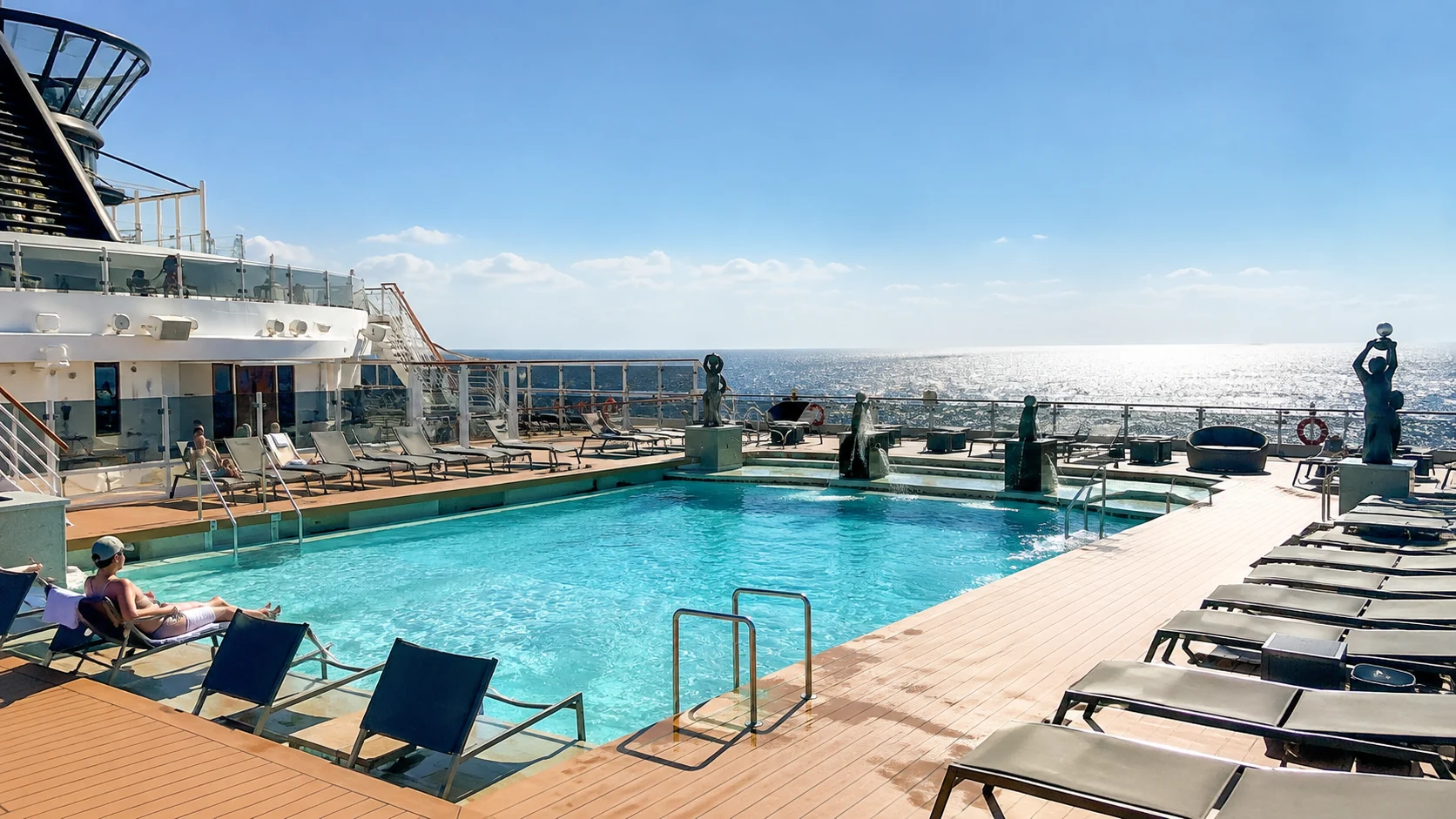
Marketplace is where it pays to lean hard into the Italian food
Pizza, fresh bread, pastries and pasta are where it pays to start at Marketplace. The included dining program also emphasizes Mediterranean food, a carving station and children’s favorites, giving the group room to choose without buying a specialty meal.
Take one full lap before touching a plate, then start with fresh pizza, one pasta and a Mediterranean dish that looks appealing. For breakfast, bread, pastries and fruit make a lighter start than assembling a plate from every hot station.
Marketplace’s Deck 8 location connects well with Seaside’s waterfront design and offers outdoor seating. Grab a table outside when weather cooperates, because a casual lunch with open sea beside you is a good reason to slow down.
The buffet stations are parts of these two venues, not separate restaurants to add to a grand total. Try modest portions first, then return for the dishes you actually like.
Biscayne Bay is the buffet you should use with kids
Biscayne Bay Buffet sits aft on Deck 16, near the Miami Beach Pool. It gives parents a practical way to feed children without relocating the entire family to Deck 8.
Use Biscayne Bay for an open breakfast or lunch service on a pool day, then use Marketplace when you want a broader buffet stop. Before leaving the pool, confirm that the nearby buffet is serving; its location is useful, but it is not a promise of all-day food.
Main dining flexibility depends on your fare category
Dine on Your Time gives Bella and Fantastica guests a flexible dinner window, but seating is capacity-dependent rather than a guaranteed table the moment you arrive.
Reservations are recommended, although not normally required for this program; groups of eight or more must arrange an onboard reservation. Settle that group booking early so dinner does not begin with eight people trying to make the same decision separately.
Aurea guests still receive My Choice Dining, which is guaranteed anytime dining during the main restaurant’s operating hours. If flexible dinner timing is important to you, that distinction belongs in the cabin-and-fare decision rather than being discovered at 7:15 PM on night two.
Seashore and Ipanema are the core main restaurants
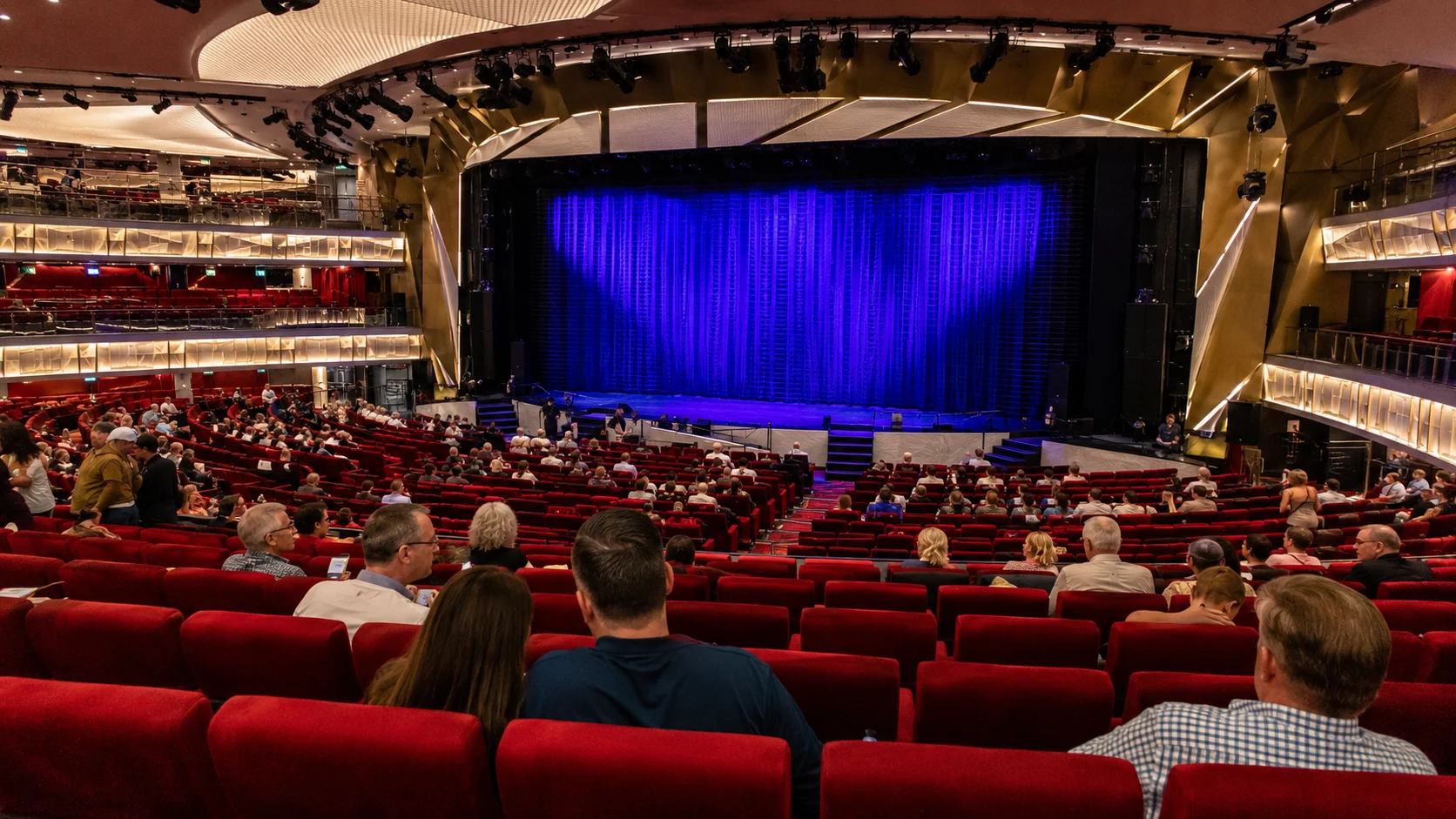
Seashore Restaurant, aft on Deck 5, and Ipanema Restaurant, aft on Deck 6, handle the main included sit-down program with changing Mediterranean and international menus. These are dining rooms in the same program, so follow your assigned room rather than treating the names as two specialty menus to collect.
Treat main dining as a menu-by-menu choice, prioritizing a pasta, risotto or fish preparation that sounds appealing that evening. The dishes rotate, so a menu is a guide to the style rather than a promise of a particular entrée on your trip.
A designated main restaurant can also provide a seated breakfast or lunch when scheduled. That is my alternative when you want table service, while the buffets are easier for a group heading off in different directions.
One underappreciated advantage is portion and pacing control after several buffet meals. Sitting down, ordering one appetizer and one entrée, and letting another human bring the plate can feel shockingly civilized by day four.
Continue planning with the cruise tips.
How this guide was researched: This guide was checked against the cruise line’s current ship pages, deck plans, venue listings, and published policies. Details can change by sailing, so confirm booking-sensitive prices, hours, access rules, and cabin assignments before payment.
Butcher’s Cut is my safest specialty recommendation on Seaside
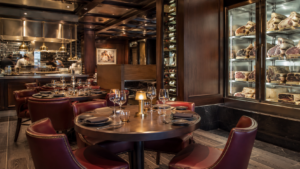
Butcher’s Cut on Deck 16 is Seaside’s paid American-style steakhouse, with aged beef, steakhouse starters, seafood and sides. It is the dinner you should book for a steak lover because the menu offers a clear change from the included program.
Start with lobster bisque, filet mignon and the banana-date cake with rum-toffee sauce; choose ribeye instead if richer, fattier beef is your preference. Black cod with wild rice and walnut brown butter is the direction you should take when one person wants fish at a steak-focused table.
The dining-experience menu includes a starter or soup or salad, a main, two sides and dessert. Reserve an evening meal for the occasion and confirm any lunch offering separately rather than assume a discounted brunch exists on every sailing.
If a premium cut such as wagyu or a large tomahawk is the entire reason you are booking, check whether it sits inside the package menu or carries a supplement. MSC’s specialty-package rules give you a full multi-course package menu, not unrestricted access to every high-end item printed anywhere in the restaurant.
Asian Market Kitchen is the specialty area you should understand before booking
Asian Market Kitchen occupies the Deck 16 specialty area and includes Pan Asian, Kaito Teppanyaki and the sushi bar. Think of it as a shared complex with three different meal formats, not one restaurant plus three more venues.
Pan Asian is the food-first choice
The Pan Asian concept combines Japanese, Hawaiian and European influences, with sushi, sashimi, tempura, soups and rice dishes described on the Seaside overview. Choose tempura and a rice-based dish for a cooked-food meal, or sushi and sashimi when raw fish is the point.
This is paid dining, and its menu and opening periods determine whether lunch or dinner makes more sense. Compare it with the neighboring sushi bar before reserving, since the two can satisfy similar cravings.
Kaito Teppanyaki is the experience reservation
Kaito Teppanyaki seats guests around shared grills for a fixed-menu cooking performance. Reserve it first if the family actively wants that experience, because a timed shared seating is less flexible than ordering a few sushi rolls.
Sencho is the package-style teppanyaki meal to look at first, combining salmon, tiger prawns, sirloin and egg fried rice with starters and dessert. Shogun adds premium ingredients and costs extra; the vegetarian menu includes sesame tofu steak, but the egg fried rice means vegetarian does not automatically mean vegan.
Do not choose teppanyaki for a quiet anniversary dinner and then act surprised that people are cheering next to me. This restaurant is designed to be loud, social and synchronized, which is either the appeal or the reason to book something else.
Kaito Sushi is the easiest specialty meal to keep casual
The sushi bar offers rolls, nigiri, sashimi and Japanese small plates without the grill performance. Keep it casual with a Kaito California roll, made with shrimp, avocado, cucumber and tamago, or an Ebi Tempura Maki if you want cooked prawns.
The Yasai Maki combines vegetables, egg and cream cheese, so not order it as a vegan roll. Sushi is paid, with à la carte ordering available, then allow normal restaurant time rather than promise a meal squeezed into a fixed 45-minute gap.
HOLA Tacos is Seaside’s easiest casual specialty meal
HOLA Tacos & Cantina on Deck 8 is the casual paid Latin American and Mexican-inspired option. Use it when the group wants tacos and a flavor change without making dinner a steakhouse-sized occasion.
Start with pulled-pork tacos with chipotle and black-bean salsa, then share rather than automatically choose the largest meal. Compare the à la carte total with the fixed-price option offered for your sailing, especially if the children want only a small amount.
Ocean Cay is the specialty meal to book only for seafood people
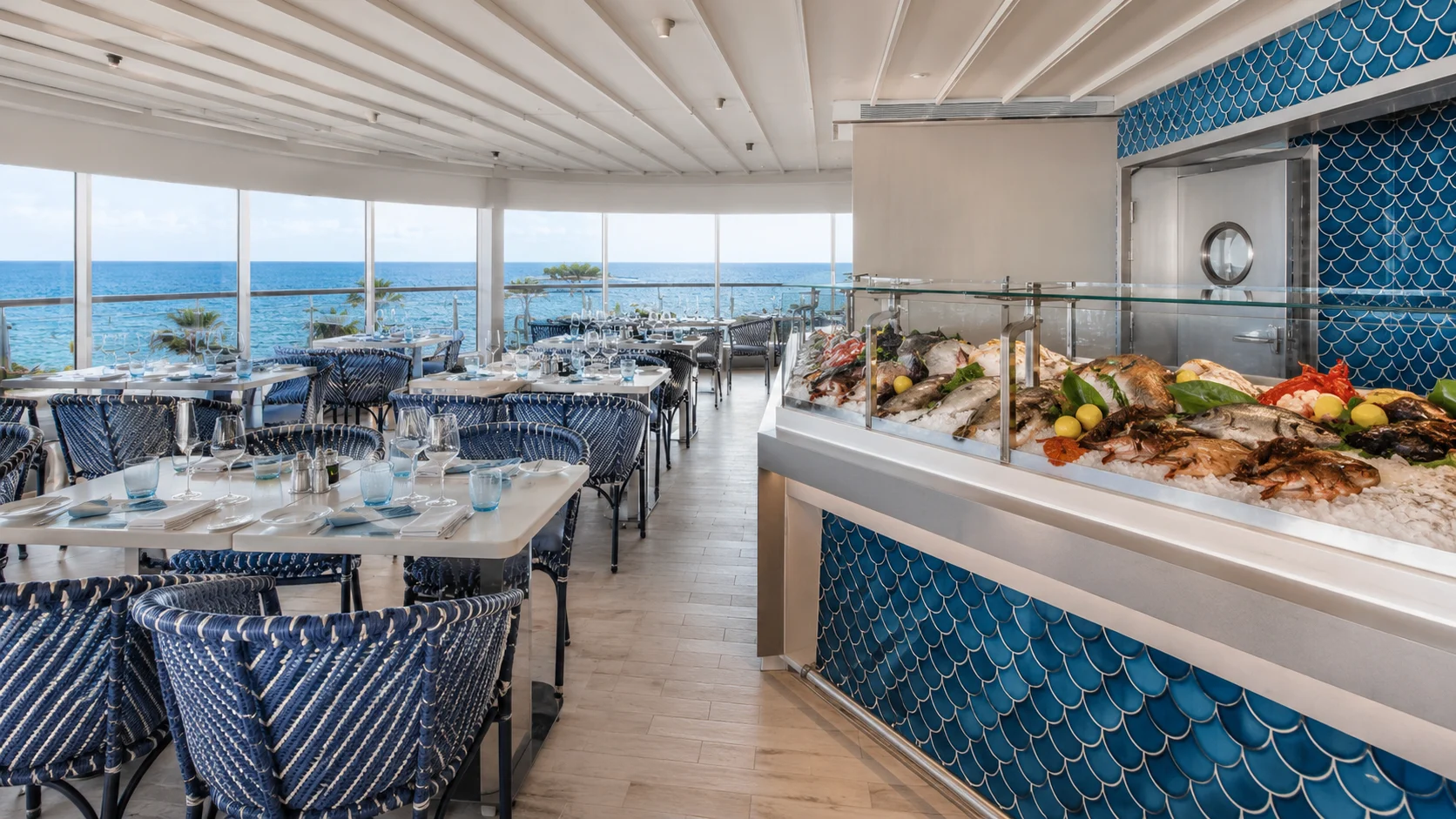
Ocean Cay Seafood Restaurant on Deck 16 is the paid Mediterranean-style seafood choice. Book it when fish or shellfish is the point of the evening, with a reservation for the whole table rather than hoping to fit it around another dinner.
Start with the crab cake with lemon aioli and calamarata seafood pasta with tomato, basil and breadcrumbs. The salt-crusted sea bass is designed for two, making it a more purposeful shared order than picking unrelated entrées just because everyone has a menu.
A vegetarian guest has options such as mushroom polenta with goat cheese, although you should still let the seafood enthusiasts drive this booking. Menus can change by sailing, so check the onboard menu before ordering rather than build the entire reservation around one specific dish.
MSC specialty packages require more reading than the word “package” suggests
MSC offers two-, three- and four-meal packages, with food and gratuities included and selected premium dishes charged extra. The official package page and linked menus explain the format, while your logged-in MyMSC booking shows the actual sailing price.
Packages are personal, unused meals are nonrefundable, and Butcher’s Cut can be used only once per package. Compare the quoted total with the meals you genuinely want, including premium supplements and drinks, rather than assume a package is cheaper for light à la carte orders.
MSC advertises advance reservations from at least 30 days before departure, subject to availability. A first-night Welcome Aboard offer is available online for applicable Caribbean and North America cruises, but buy it only if the arrival-day timing suits the trip.
The published specialty children’s-menu charge is $12 for ages 3–12, with children under 3 dining free. Adult covers, à la carte prices and premium supplements are not printed on the public menus, so use MyMSC and the actual restaurant menu for those dollar amounts.
Yacht Club is a different food vacation
Yacht Club guests have the private restaurant on Deck 18, the Grill & Bar on Deck 19 and food in Top Sail Lounge on Deck 16. These are included within Yacht Club access, not venues that a standard-cabin guest can buy into by reserving dinner.
The restaurant is the seated-meal base, the grill suits outdoor breakfast or lunch service, and Top Sail’s finger food is a snack option. Plan around the included private menu first, then buy a public specialty meal only for a specific change of cuisine.
If you are in Yacht Club, eat there enough to judge the food you already paid a major premium to access before buying multiple specialty dinners. The specialty venues can still be fun, but using Butcher’s Cut or Kaito should feel like variety rather than an escape plan.
Venchi is the treat stop, and room service is a separate decision
Venchi 1878 Chocolate Bar on Deck 6 sells chocolate treats and specialty drinks, while Venchi 1878 Gelato & Crêperie on Deck 7 is the place for gelato and crêpes. Choose one scoop or a shared crêpe when you want that particular dessert, rather than mistake these paid counters for another included buffet station.
The Sports Bar on Deck 8 is primarily a bar, so use its posted menu for any food offer instead of plan it as a guaranteed included restaurant. Venchi and any bar food have separate menu prices; a specialty dining package is not a general spending credit for every counter.
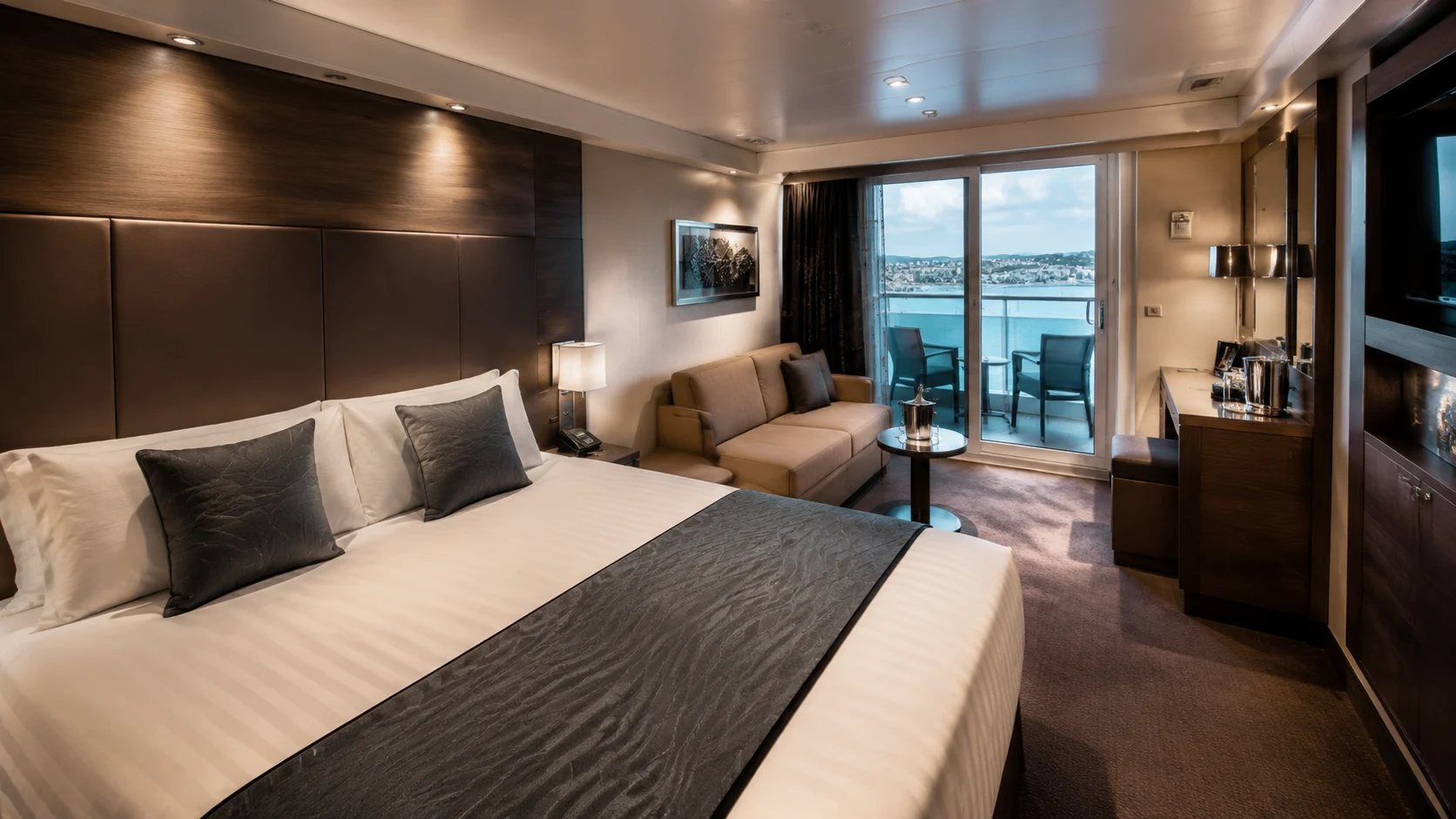
Room service matters most when staying in the cabin is the point of the meal. Under MSC’s breakfast details, continental breakfast runs from 7 AM to 10 AM except disembarkation day, with the order left on the door the night before.
Continental breakfast delivery is included for Fantastica, Aurea and Yacht Club; Bella pays a $3.50 delivery charge on dollar-priced sailings. The policy also quotes €3.50 for euro-priced sailings, which is the original euro charge rather than a dollar conversion.
Fantastica and Aurea include 24-hour room-service delivery, but food ordered outside the included breakfast is individually priced. Use the cabin menu for the items, delivery terms and total applicable to your fare, especially for hot breakfast or a late meal.
Take the continental tray for a quiet morning and head to an included venue when a hot meal matters more than the balcony. For late food, find the listed evening pizza or buffet period first; after those close, paid room service is the fallback rather than a promise that a restaurant runs all night.
How to handle allergies and vegetarian dining
MSC Seaside menus label common allergens and offer vegetarian choices in the main restaurants, while vegan choice can be more limited depending on the venue. For serious allergies, notify MSC before sailing and repeat the details to your dining team rather than treating a buffet label as a complete medical risk assessment.
Use the main dining room as the coordination base for anything complicated because the kitchen can plan around repeat service more easily than a crowded self-service buffet. Marketplace and Biscayne are convenient, but convenience is not the same thing as controlled cross-contact.
My 7-night MSC Seaside food plan
- Embarkation lunch: Marketplace, but take the plate outside and start with fresh pizza or pasta.
- Pool-day breakfast or lunch: Biscayne Bay so the family can stay near Deck 16 instead of relocating for every meal.
- Night 1: Seashore or Ipanema to test the main-dining food and service before spending more.
- First specialty: Butcher’s Cut if the group wants steak, or Kaito Teppanyaki if the experience matters more.
- Sea-day paid lunch: Pan Asian or Kaito Sushi, when its listed opening period fits the day.
- Casual specialty: HOLA when tacos sound better than another formal dinner.
- Seafood night: Ocean Cay only if the menu genuinely appeals.
- Final day: Repeat the buffet stations or specialty restaurant that actually performed best on your sailing instead of forcing a venue you liked less simply for variety.
MSC Seaside dining mistakes to avoid
- Using MSC Seashore’s food strategy. The names are similar, but the restaurant layouts and concepts differ.
- Ignoring Biscayne Bay. Families can save time by eating near the pool instead of defaulting to Marketplace.
- Assuming Dine on Your Time means guaranteed immediate seating. Bella and Fantastica access is capacity-dependent; Aurea’s My Choice is the guaranteed flexible benefit.
- Judging the buffet from generic American food. Pizza, bread, pastries and pasta are where it pays to start.
- Calling Asian Market Kitchen one simple restaurant. Pan Asian, sushi and teppanyaki create very different meals.
- Booking Ocean Cay before deciding whether you actually want seafood. Butcher’s Cut is the safer classic splurge, while Kaito is the better experience meal.
- Buying a package without reading the package menus. Premium items can carry supplements, and HOLA or Kaito Sushi may be cheaper à la carte for light eaters.
- Counting Yacht Club food as general included dining. The private restaurant and grill are Yacht Club benefits.
MSC Seaside dining strategy
Use Marketplace and Biscayne strategically, try main dining early, then spend extra on Butcher’s Cut or Kaito for a specific meal you want. The best plan gives the included venues a fair chance before making specialty dinner the default every night.
HOLA adds a casual specialty choice, Ocean Cay rewards a seafood-focused booking, and the flexible-dining program helps Bella and Fantastica guests work dinner around the day. For a shorter cruise, keep one splurge and repeat an included favorite; on a week-long trip, add a second specialty only if the menu earns it.
More MSC Seaside planning
Pair this guide with the deck guide and things to do before choosing specialty times. Marketplace, Biscayne Bay, the Deck 16 specialty cluster and the main restaurants are spread far enough apart that location can shape the meal plan.
For your room, compare the best cabins with the cabins to avoid. If you are still deciding whether Seaside fits your vacation style, the pros and cons is the next guide you can read.