Independence of the Seas Tips, Secrets & Things to Know: Practical Advice for a Better Trip
A smoother Independence of the Seas cruise comes from a handful of early decisions rather than a minute-by-minute schedule.
Choose the right cabin zone, learn the reservation rules, check activity restrictions, and use the Royal Promenade as your indoor shortcut and meeting point.
Short version:
Complete check-in early, study the deck plan before choosing a room, register children on embarkation day, and confirm show and activity rules in the app. Leave enough flexibility to move outdoor plans when weather or operating hours change.
Ship or port time
A short cruise gives Independence less time to show what it can do than a longer itinerary with several sea days. You can look at the actual port hours first, then choose the one activity that would disappoint somebody if it never happened.
On a familiar port day, staying aboard can be worthwhile for that activity, but only after checking the operating schedule. Fewer passengers does not guarantee a full day of FlowRider or slide sessions, and a quiet ship is not a substitute for an attraction that is closed.
If the destination is new or the excursion matters more, go ashore without trying to compensate by filling the whole evening. A relaxed dinner and one ice show can make a fuller day than rushing through three onboard attractions after returning tired.
Reservations and queues
Freedom-class regular shows do not require advance reservations. Choose the Studio B performance from the current program and arrive with the whole group, rather than spend pre-cruise time hunting for a theater booking window.
Public ice skating is separate from the ice production. Bring long pants and socks, then follow the session sign-up, waiver, and equipment instructions; seeing a show in the room does not secure a place on the ice later.
A specialty dinner is a different decision because the restaurant and preferred time can fill. If that meal matters, reserve it around the show you hope to attend with enough time to finish dinner and walk, rather than assume two adjacent times create a workable evening.
Choose the right venue
Playmakers is the room you can consider when the sports broadcast and a casual meal are the plan. Ask about the specific match before settling in, because screens and a sports theme do not guarantee the event the group follows will be shown.
If the room feels too loud or the air does not suit you, leave before ordering a long meal. A brief walk-through is a better basis for that decision than treating somebody else’s experience of the casino-adjacent area as a guarantee of conditions on your sailing.
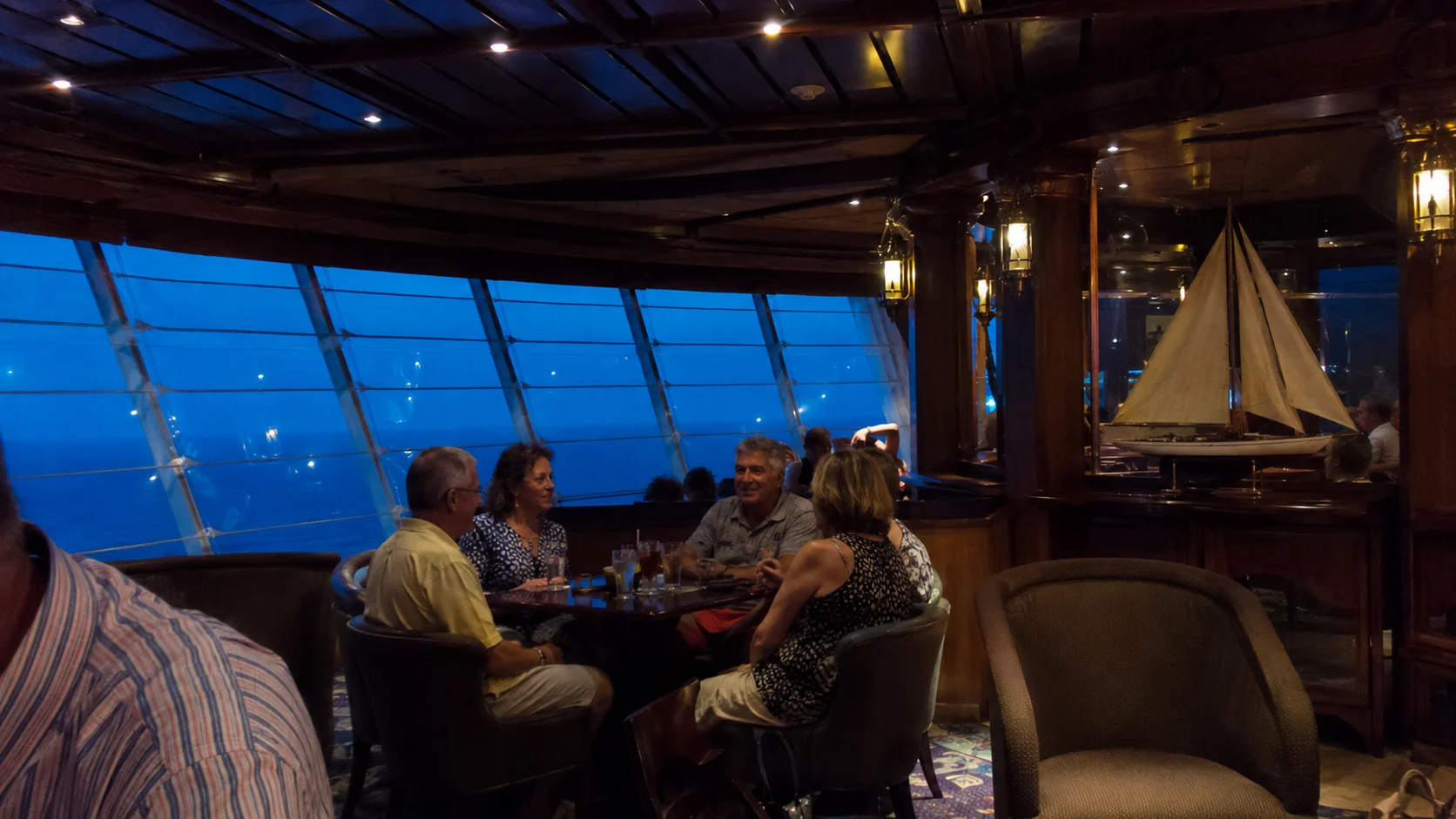
For another night, compare the pub’s music with Schooner Bar’s piano program. You can return to the performer the group likes instead of treating every venue as a stop that must be checked off during a short cruise.
Cabin location
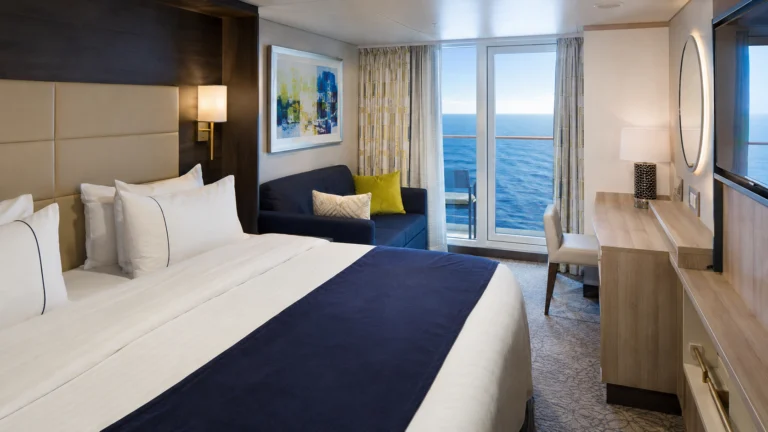
An inward-facing Promenade room offers people-watching and a view into a public space rather than out to sea. You can consider it when that scene sounds entertaining, but compare the exact room for privacy and exposure to events before booking.
A balcony has a different purpose: outside air and a place to sit privately. Our cruise cabin guides can help compare those categories before you decide whether the extra fare buys something the group will actually use.
For a light sleeper, you can favor cabins above and below, then trace the route to Studio B, the Royal Promenade, and the pool deck. An appealing category name does not reveal the public venue overhead or how often the group will walk between opposite ends.
Use the Promenade
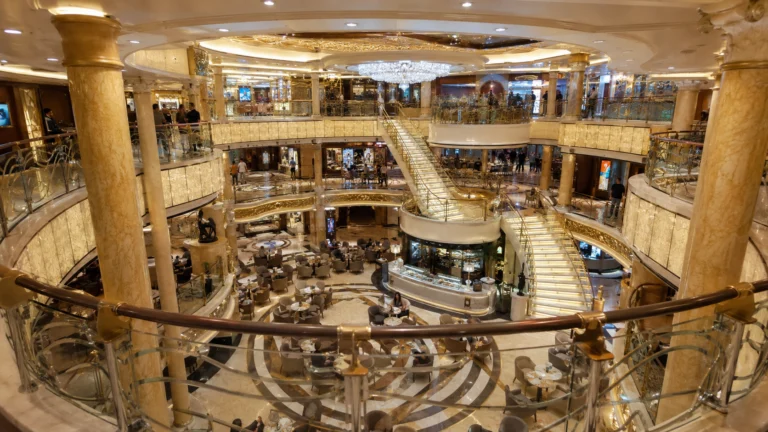
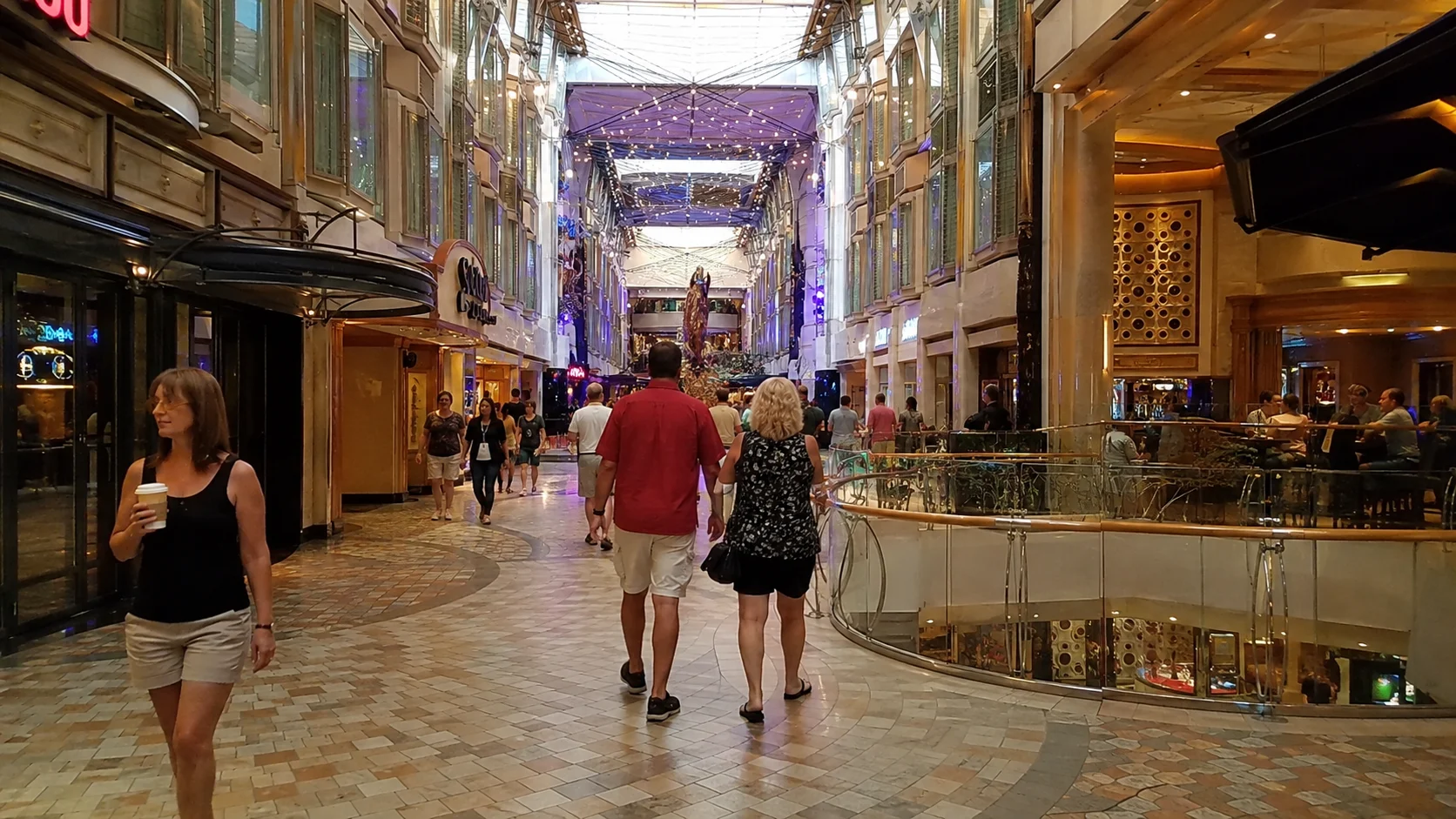
Independence’s current venue lineup is the starting point for comparing food and entertainment. You can learn the convenient casual stops before the first evening, because a snack before a show can be more useful than another full meal.
Pick a named venue as the family meeting point rather than saying “on the Promenade.” Shops, food counters, and events can draw people to different parts of the same public street, so the vague instruction creates unnecessary searching.
If a parade or event fills the route, choose another deck when all you need is to cross the ship. Staying to watch and walking through have different goals, and the crowded center is not always the easiest path between them.
Solarium expectations
The Solarium is for guests 18 and older. Choose it for an adult break while keeping younger swimmers’ plans in the main family pool area.
For a group splitting between the two, agree on a meeting time and food plan before separating. That protects the quiet hour from turning into a search across several decks when everyone gets hungry at a different time.
The Solarium can still be busy, so change the timing when necessary. An earlier swim or a visit during a major meal period can fit better than expecting the first sunny sea-day afternoon to be quiet simply because the space is adults-only.
Activity restrictions
Typhoon and Cyclone require at least 48 inches in height and a maximum rider weight of 300 pounds. You can establish that before making the slides the centerpiece of a child’s day.
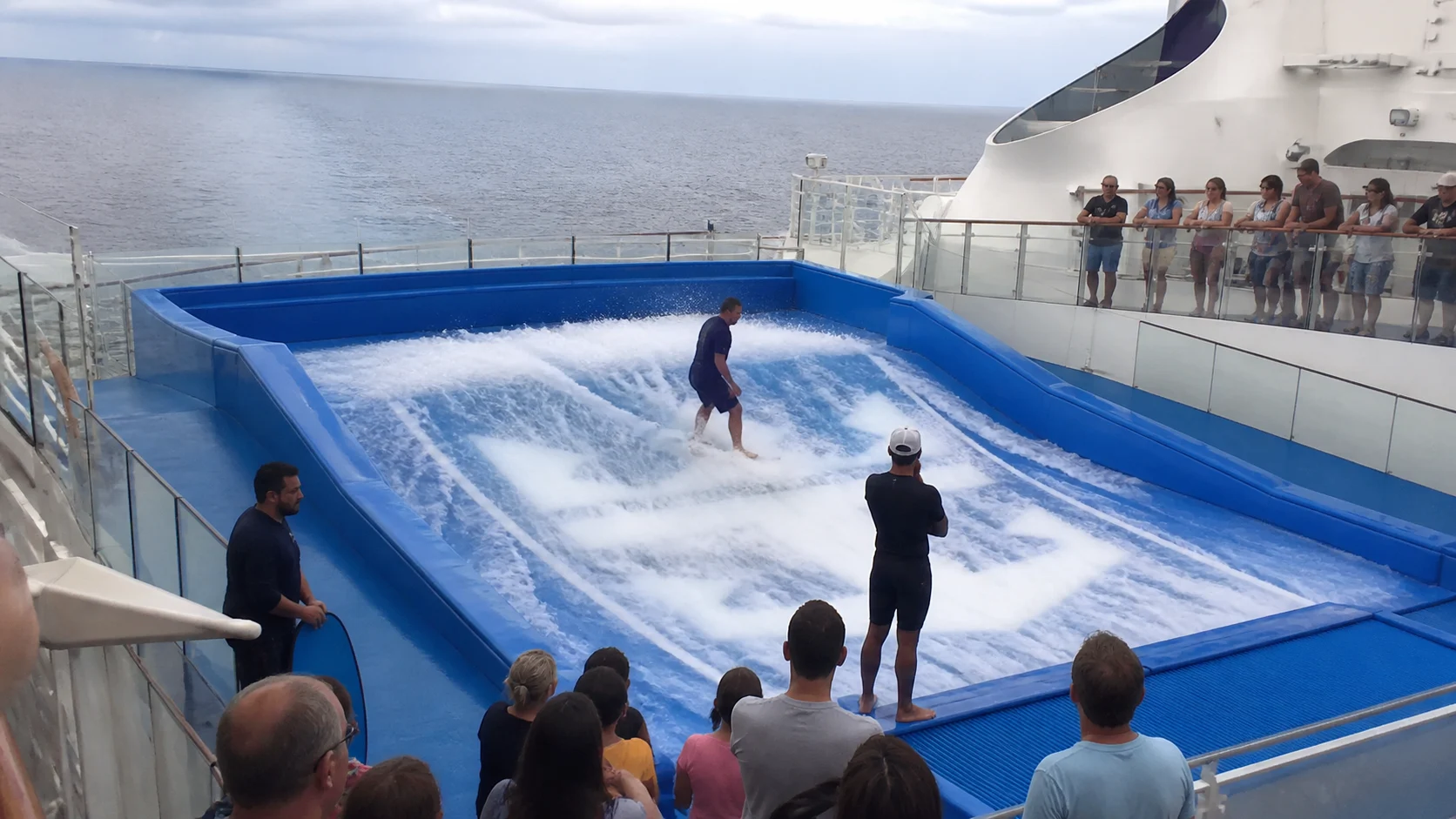
FlowRider requires 52 inches for boogie boarding and 58 inches for stand-up surfing. Look at the session type and any lesson charge before joining, because the same equipment can serve several different offers during the day.
Choose a secure swimsuit for the surf simulator and keep the rest of the afternoon flexible. An early open session is worth using when conditions are good; a plan that depends on one final-day slot has fewer ways to recover if operations change.
Fish & Ships
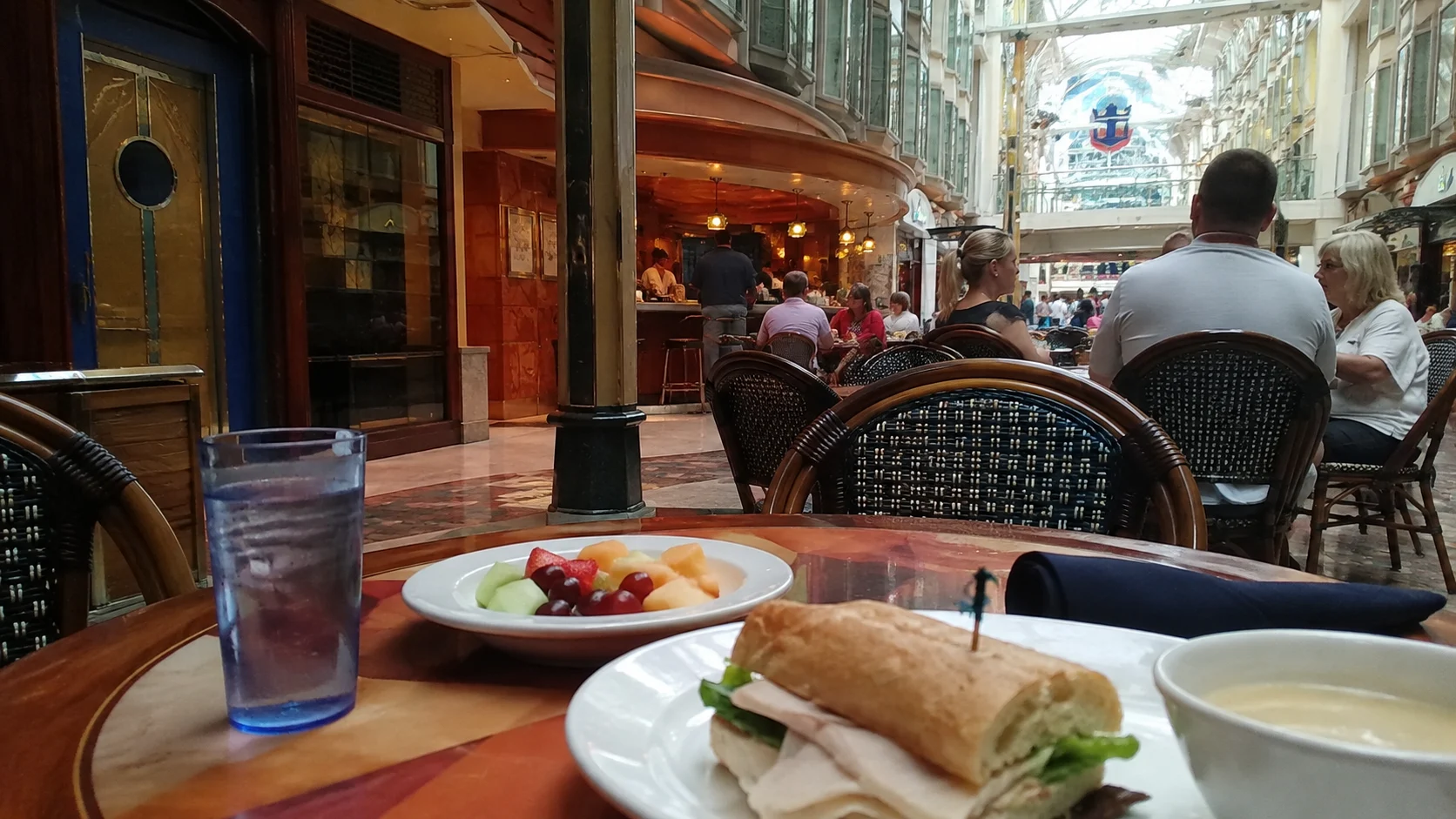
Fish & Ships is particularly useful when the group wants battered fish and is already spending the afternoon outdoors. You can read the current counter menu for the standard choices and premium extras, rather than budget from an older review with a different price list.
For an Italian specialty meal, compare Giovanni’s lunch availability with dinner before booking. Lunch can leave the evening freer for Studio B or music, while dinner works better when the meal itself is the occasion.
Do not buy a large dining package until you know which meals the group really wants. On a short cruise, several paid bookings can use up the limited evenings and make convenient included food feel like something the package prevents you from choosing.
Embarkation priorities
Finish online check-in, travel documents, and required health information before departure day. Keep identification, medication, valuables, charging cables, swimwear, and a change of clothes in a carry-on because checked luggage may arrive later in the afternoon.
Once aboard, confirm your dining arrangement, complete Adventure Ocean registration if needed, and open the daily schedule before the busiest venues fill. Walk the route between your cabin, dining room, Royal Promenade, and main evening venues while the corridors are still quiet.
Budget before boarding
Compare drink, dining, internet, excursion, arcade, spa, and activity purchases against the way your group will actually spend each day. A package is useful only when its covered items, operating times, and restrictions fit the itinerary, so use the Cruise Planner total rather than a headline discount percentage.
Keep gratuities, port transportation, and travel-day meals in the same vacation budget. If only one traveler needs internet or specialty coffee, price that narrower solution before buying matching packages for everyone.
Crowd-smart timing
Expect concentrated queues at buffet breakfast, elevators after shows, gangways around arrival time, and the most popular activities during prime sea-day hours. Move one meal or activity outside the peak instead of assuming the whole ship will feel equally busy all day.
Choose a precise meeting place with a deck number and side of the ship. That simple habit prevents a vague plan such as “by the stairs” from failing when family members use different routes or lose a data connection.
On the final night, settle account questions before guest services becomes busiest, confirm luggage and disembarkation instructions, and keep morning essentials out of any checked bag. A calm departure starts with one agreed meeting time and a realistic plan for elevators, breakfast, and ground transportation.
First-afternoon checklist
Use our cabin location guides to check the room’s vertical surroundings before the trip. On arrival, test the temperature and shower and report a real fault early rather than spending the first afternoon assuming older décor means something must be wrong.
Complete the safety briefing and assembly-station visit, confirm dining, and locate Studio B before the first evening. Families should also ask about the actual youth-program sessions before making a dinner plan that depends on childcare.
After that, use any convenient open activity and leave the evening with one main priority. Independence has enough variety for repeat visits to feel rewarding; a short sailing does not need faster walking to become a good one.
Continue planning with the deck guide, dining guide, cabins to avoid.
How to use this guide: Compare the practical tradeoffs with the deck plans, ship guide, dining FAQs, and access details. Layouts, prices, schedules, benefits, and operating rules can vary by sailing, so confirm booking-sensitive details before payment.
How this guide was researched:
I checked Royal Caribbean’s current ship information against the article’s cabin, venue and layout claims. Schedules, prices, access rules and assignments can change by sailing, so confirm booking-sensitive details before payment.